

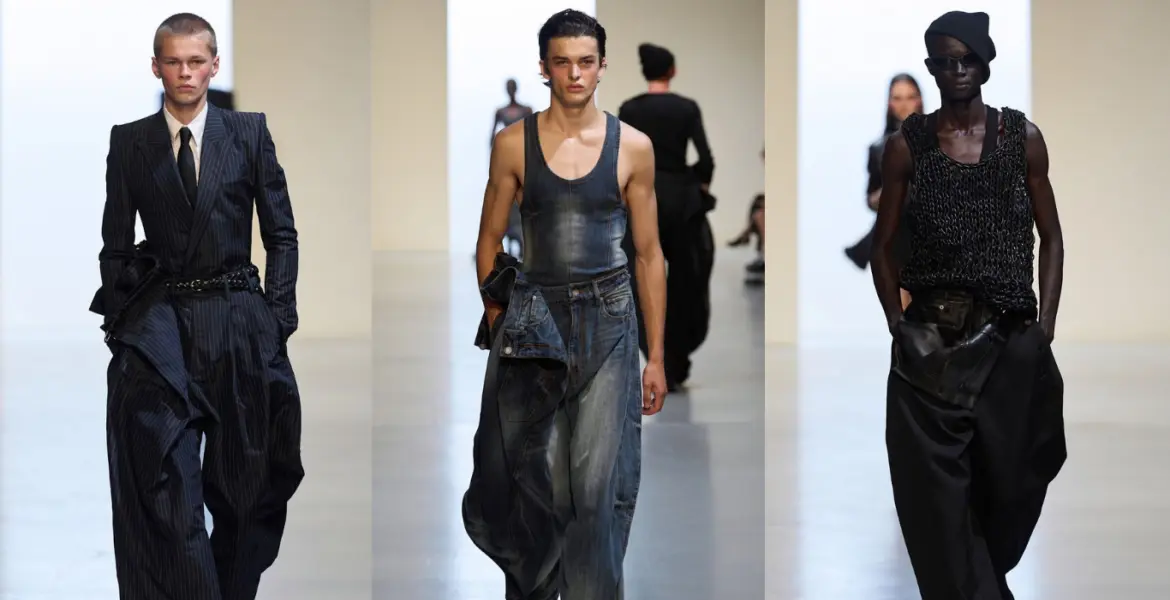
All products are independently selected by our editors. If you buy something, we may earn an affiliate commission.
Paris Fashion Week – Men’s occupies a singular position within the global luxury calendar. Twice each year, Paris becomes the centre of gravity for menswear, bringing together heritage maisons, contemporary luxury houses, buyers, editors, private clients, collectors, and cultural figures for a week that extends far beyond the runway.
The two annual editions each serve a distinct purpose. January presents Autumn/Winter collections, while June introduces Spring/Summer collections for the following year. Together, they form the industry’s most influential menswear platform, shaping how luxury will be interpreted, retailed, and worn across international markets.
For those who engage with fashion as part of a broader luxury lifestyle, the significance of the week is often found away from the catwalk. Hotel suites become temporary salons. Private appointments unfold behind discreet doors. Lunches stretch into afternoon meetings. The city’s most sought-after tables fill with conversations that frequently outlast the collections themselves.
Two Seasons, One Global Audience
Paris Men’s Fashion Week takes place each January and June, with the January 2026 edition presenting Autumn/Winter 2026 collections and the June 2026 edition introducing Spring/Summer 2027 collections.
While the structure remains familiar, each season brings a different atmosphere. January arrives against a backdrop of winter in Paris, with presentations unfolding across the city’s museums, galleries, and historic buildings as buyers and editors begin the year’s fashion calendar. June feels more expansive, with longer evenings, outdoor events, and a broader overlap between fashion, art, hospitality, and cultural programming throughout the city.
The daily rhythm follows a recognisable pattern. Mornings are often reserved for showroom appointments, press previews, and private viewings. Afternoons centre on runway presentations staged across some of Paris’s most significant cultural venues. Evenings belong to receptions, dinners, brand activations, and invitation-only gatherings that continue long after the final show concludes.
For seasoned attendees, planning begins months in advance. Accommodation, transport, security arrangements, restaurant reservations, and client schedules are typically secured well before the official calendar is released.
Paris At The Centre of Menswear
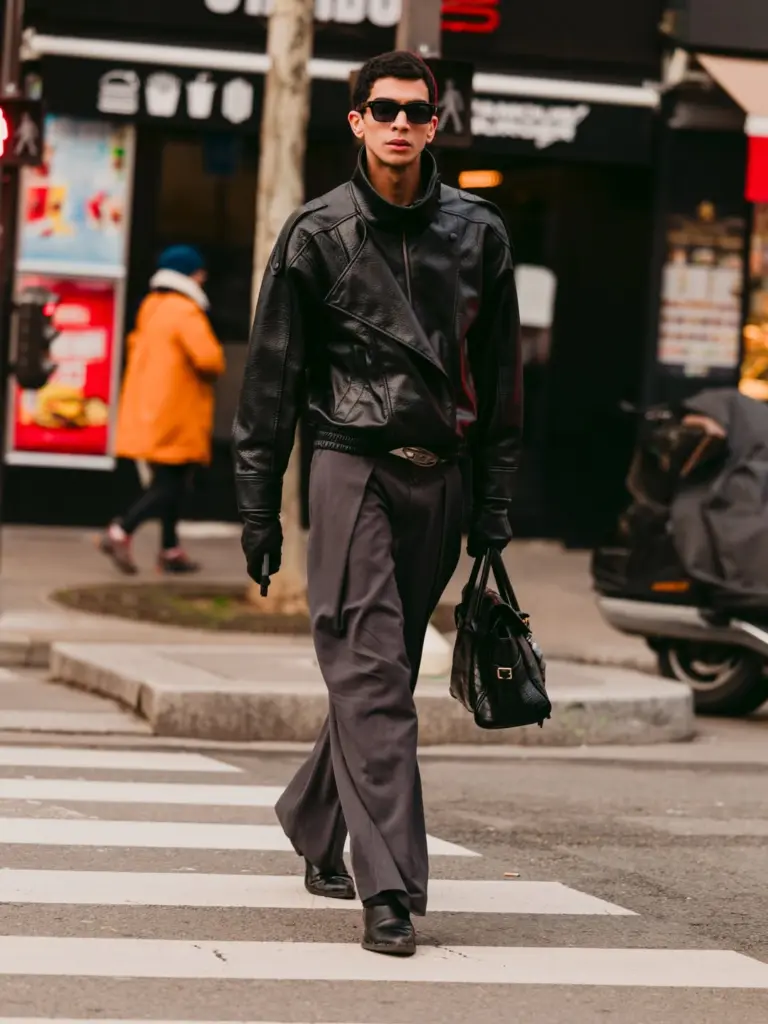
Paris remains the definitive stage for luxury menswear because it brings together the industry’s most influential houses within a single calendar.
Louis Vuitton, Dior Men, Hermès, Saint Laurent, Givenchy, Kenzo, Ami Paris, Rick Owens, Junya Watanabe, Comme des Garçons Homme Plus, and Issey Miyake are among the names that regularly anchor the schedule. Their presentations help define broader conversations around tailoring, craftsmanship, luxury materials, contemporary masculinity, and cultural influence.
The 2026 calendar continues to reflect the growing convergence between fashion and entertainment. Celebrity ambassadors, musicians, athletes, filmmakers, and digital creators now play a more visible role within the ecosystem surrounding the shows. The continued influence of Pharrell Williams at Louis Vuitton Menswear has reinforced Paris’s position as a stage where luxury fashion increasingly intersects with music, popular culture, and global brand storytelling.
What continues to distinguish Paris is the setting itself. Collections are presented within museums, historic courtyards, contemporary art institutions, and architecturally significant landmarks that add cultural depth to every presentation. The city rarely functions as a backdrop. It becomes part of the narrative.
Inside Fashion’s Most Influential Gathering
Paris Men’s Fashion Week brings together a remarkably concentrated network of decision-makers.
Creative directors, designers, atelier teams, buyers, merchandising executives, editors, stylists, photographers, luxury consultants, and brand executives all arrive with different objectives, yet their activities shape the same global market.
Alongside them are private clients whose influence often extends well beyond public visibility. Their schedules typically revolve around private appointments, showroom visits, bespoke commissions, and collection previews arranged away from official venues. Many of the most commercially important interactions of the week take place in these quieter environments rather than on the front row.
The week also attracts a growing number of collectors, entrepreneurs, hospitality leaders, watch executives, and cultural patrons whose interests increasingly overlap with the luxury fashion sector.
Paris in Motion
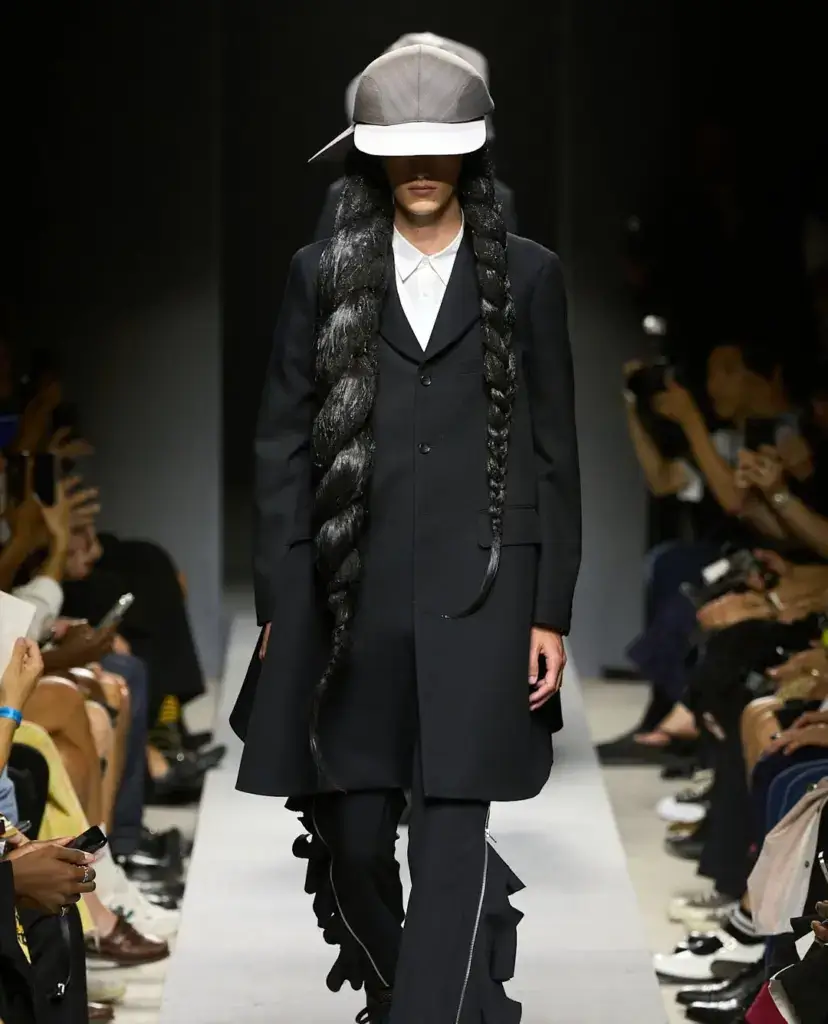
When Fashion Week arrives, Paris operates according to a different rhythm.
The 1st, 7th, 8th, and 16th arrondissements become particularly active as attendees move between show venues, hotels, galleries, and restaurants throughout the day. The Marais remains an important centre for contemporary fashion, while the Left Bank continues to host many of the city’s cultural institutions and creative spaces.
Transportation becomes a carefully managed exercise. Show schedules frequently require movement between locations such as the Cour Carrée du Louvre, Palais de Tokyo, Bourse de Commerce, and temporary venues created specifically for the season. Travel plans are built around traffic conditions, security considerations, and tightly coordinated appointment schedules.
Much of the week’s significance unfolds between these destinations. Relationships are maintained over lunch, collaborations are discussed between appointments, and business decisions often emerge from conversations that take place far from photographers and press coverage.
The City’s Most Sought-After Addresses
Accommodation during Paris Men’s Fashion Week is chosen as much for practicality as prestige.
Cheval Blanc Paris, Hôtel Plaza Athénée, Le Bristol Paris, The Peninsula Paris, and Hôtel de Crillon remain among the most sought-after addresses for luxury travellers attending the week. Their appeal extends beyond service and location. Large suites, private meeting spaces, discreet entrances, experienced concierge teams, and an understanding of Fashion Week logistics make them particularly valuable during this period.
Dining carries equal importance. Lunches often take place at established institutions such as L’Ami Louis, Le Voltaire, Lapérouse, and the restaurants surrounding Place de la Concorde and the Golden Triangle. Evening reservations become increasingly difficult to secure as fashion houses host private gatherings for ambassadors, editors, clients, and collaborators.
Many of the week’s most consequential discussions happen around these tables, where fashion intersects naturally with art, hospitality, media, and business.
The Language Of Modern Menswear
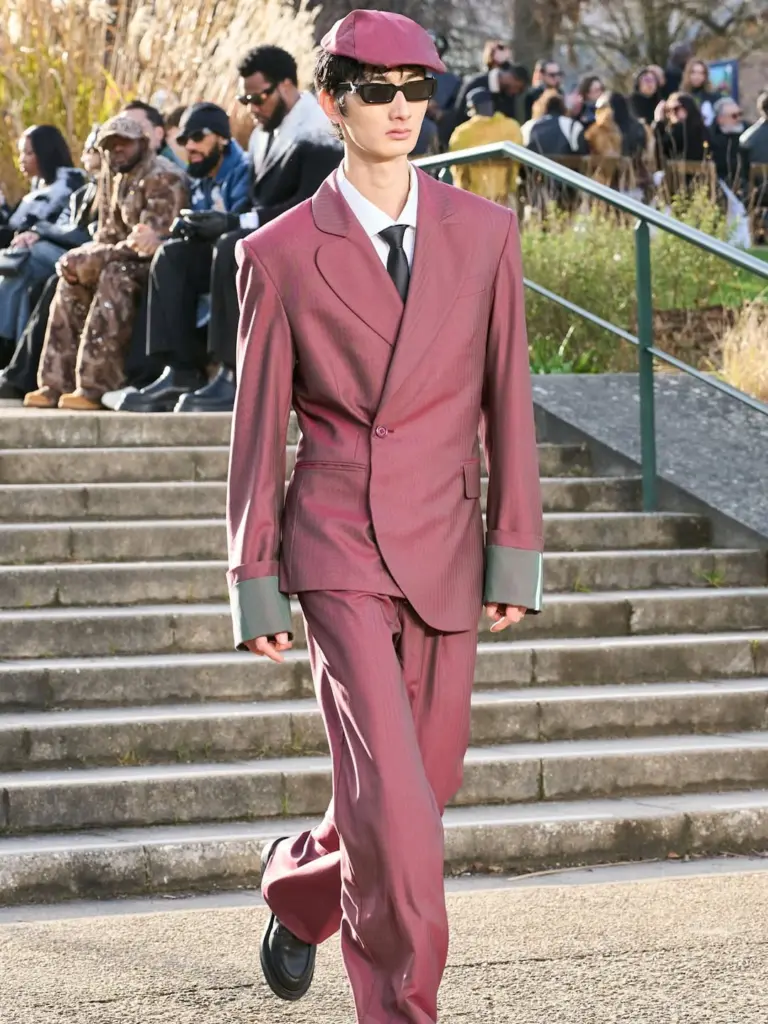
Paris Men’s Fashion Week remains one of the most visible demonstrations of how contemporary luxury is expressed through dress.
Tailoring continues to form the foundation of the city’s visual identity, though increasingly interpreted through softer construction, relaxed proportions, technical fabrics, and influences drawn from sport, workwear, and contemporary culture. Traditional distinctions between formal and casual dressing continue to evolve, particularly among younger luxury consumers.
Presentation remains highly considered. Attention to fit, fabrication, grooming, and detail often communicates more than logos or overt branding. Personal style functions as a form of professional language, reflecting both individual identity and industry awareness.
For observers, the streets surrounding venues frequently become as revealing as the runways themselves, offering a real-time view of how luxury menswear is being adopted, adapted, and lived.
The Reality Behind The Invitations
First-time attendees often underestimate the practical demands of the week.
Days routinely begin with early appointments and continue well into the evening. Schedules change with little notice, venues are dispersed across the city, and last-minute adjustments are common. Flexibility becomes almost as valuable as preparation.
Privacy also remains a significant consideration. High-profile presentations attract international media attention, making planning essential for those seeking a more discreet experience. Personal assistants, chauffeurs, security teams, concierge staff, and brand representatives frequently play a central role in ensuring that schedules remain manageable.
Those who navigate the week most effectively tend to view it as a coordinated operation rather than a sequence of individual events.
Beyond The Official Calendar
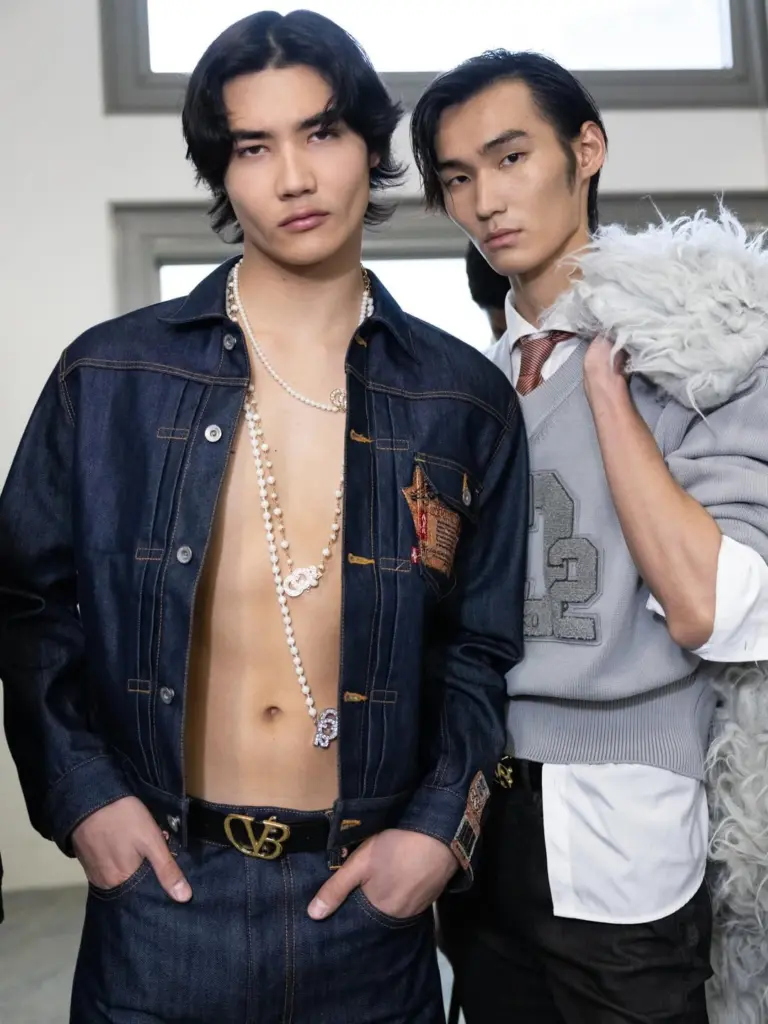
Paris Men’s Fashion Week rarely exists in isolation.
Its January edition sits close to Milan Men’s Fashion Week and often precedes Paris Haute Couture Week, creating an extended period of movement across Europe’s luxury capitals. The June edition similarly overlaps with major cultural, hospitality, and art events taking place throughout the city.
In 2026, the connection between fashion and the wider luxury landscape remains stronger than ever. Contemporary art exhibitions, private jewellery appointments, watch presentations, auction previews, and invitation-only hospitality programmes frequently run alongside the official schedule.
For many attendees, Fashion Week serves as the framework around which broader business, collecting, and social calendars are organised.
Where Menswear’s Future Is Negotiated
Paris Men’s Fashion Week continues to hold its influence because it offers far more than a showcase of seasonal collections.
It is where luxury houses present their vision for the future, where commercial strategies are refined, where creative partnerships are formed, and where private clients engage directly with the brands shaping contemporary menswear. The decisions made during these weeks influence retail floors, editorial coverage, cultural conversations, and purchasing habits worldwide.
Long after the final guests leave Paris, the effects of those meetings, appointments, and presentations continue to shape the direction of men’s luxury. Few events bring together so many influential voices in a single city, and fewer still do so with the cultural depth, sophistication, and global reach that Paris continues to command.