

All products are independently selected by our editors. If you buy something, we may earn an affiliate commission.
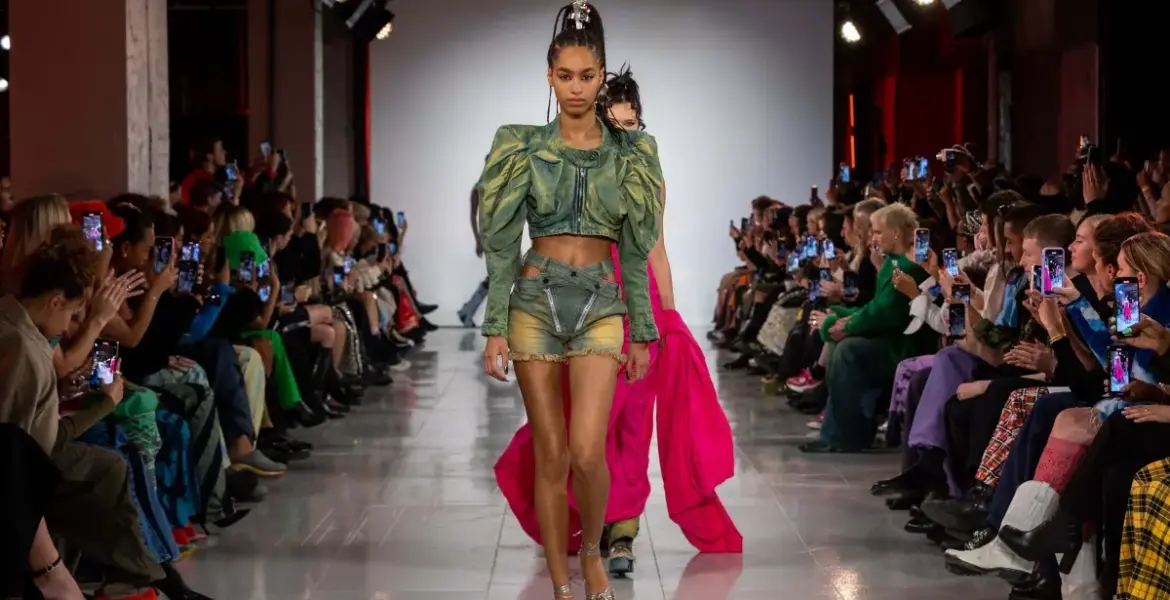
London Fashion Week holds a distinctive position on the international fashion calendar, bringing established British houses, independent designers and emerging talent into one of the industry’s major showcases.
Beyond the runway, private appointments, brand activations, exhibitions and social events extend across London, connecting Fashion Week with the capital’s wider fashion, hospitality and cultural scene.
London’s Place on the Global Fashion Calendar
Established in 1984 by the British Fashion Council, London Fashion Week has built its reputation around creative independence and new talent. Designers including Alexander McQueen and Christopher Kane emerged through London’s fashion ecosystem before developing international careers, reinforcing the capital’s influence as an incubator for distinctive design.
That role remains central today, with established names sharing the wider programme with independent labels and emerging designers.
The Names Defining the Schedule
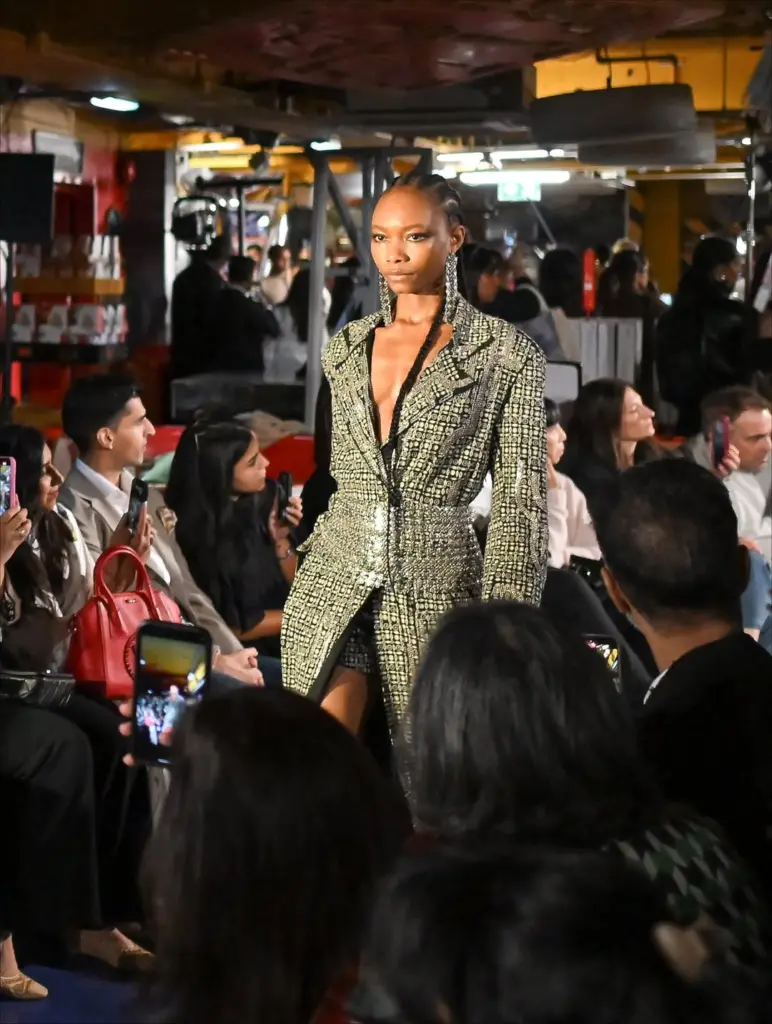
London Fashion Week centres on its principal February and September showcases, encompassing catwalk shows, presentations, appointments and digital events.
Burberry remains one of its defining names, alongside designers and houses such as Erdem, Emilia Wickstead, Simone Rocha, Richard Quinn, Harris Reed and Roksanda. The line-up changes between seasons, allowing returning designers and new additions to continually reshape the schedule.
Emerging talent is equally important. BFC NEWGEN provides selected designers with financial support, mentoring and opportunities to showcase during London Fashion Week. Its alumni include Alexander McQueen, JW Anderson, Erdem, Roksanda and Simone Rocha, placing the initiative at the heart of London’s reputation for developing new talent.
Access to London Fashion Week
Access varies across the programme. Many runway shows and presentations remain invitation-only, with guest lists largely comprising buyers, editors, stylists, celebrities, clients and other industry figures. Private appointments and brand events provide further opportunities for guests.
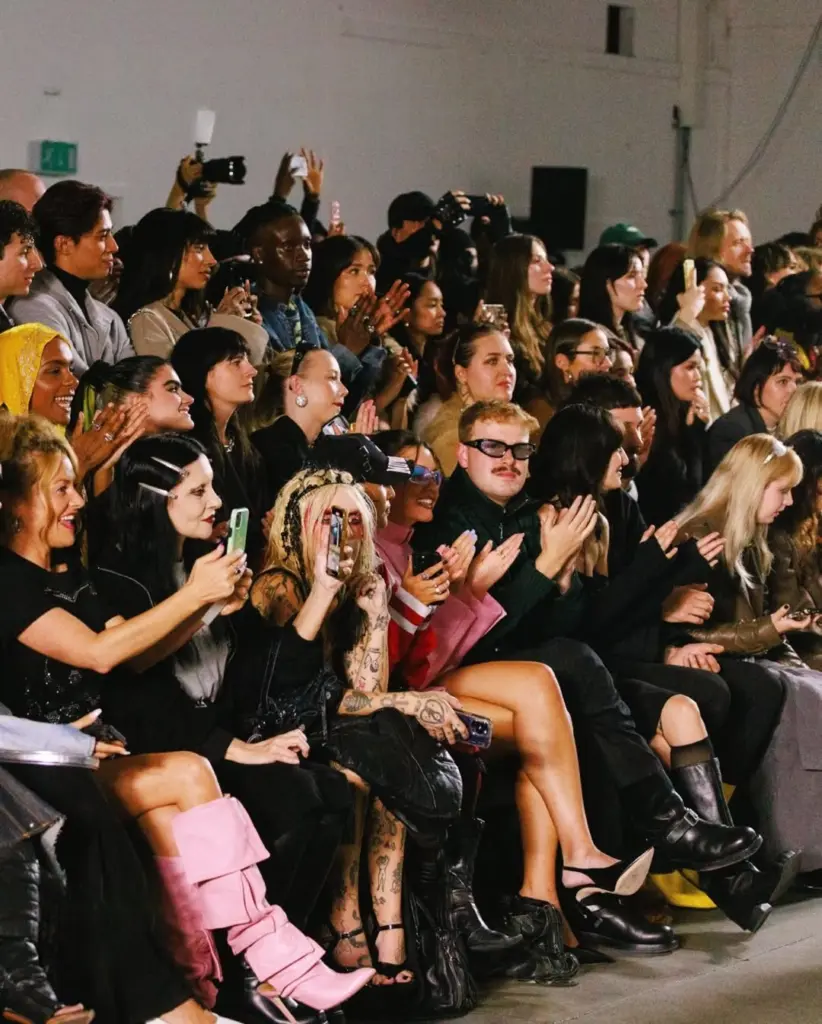
Public exhibitions, pop-ups, retail activations and other events open parts of Fashion Week to a broader audience. Venues also change between seasons, spanning established cultural spaces, central London addresses and less conventional settings.
London Hotels for Fashion Week
Mayfair is a particularly convenient base for privacy, established service and access to central London. Claridge’s has longstanding connections with fashion and design, while The Connaught combines a discreet Mayfair setting with Hélène Darroze at The Connaught and the celebrated Connaught Bar.
The Berkeley is well positioned for Knightsbridge, Belgravia and Sloane Street, while Corinthia London offers convenient access to the Strand and central London alongside its expansive spa.
With shows and presentations spread across the capital, the most practical choice ultimately depends on the season’s schedule.
Dining and the Social Circuit
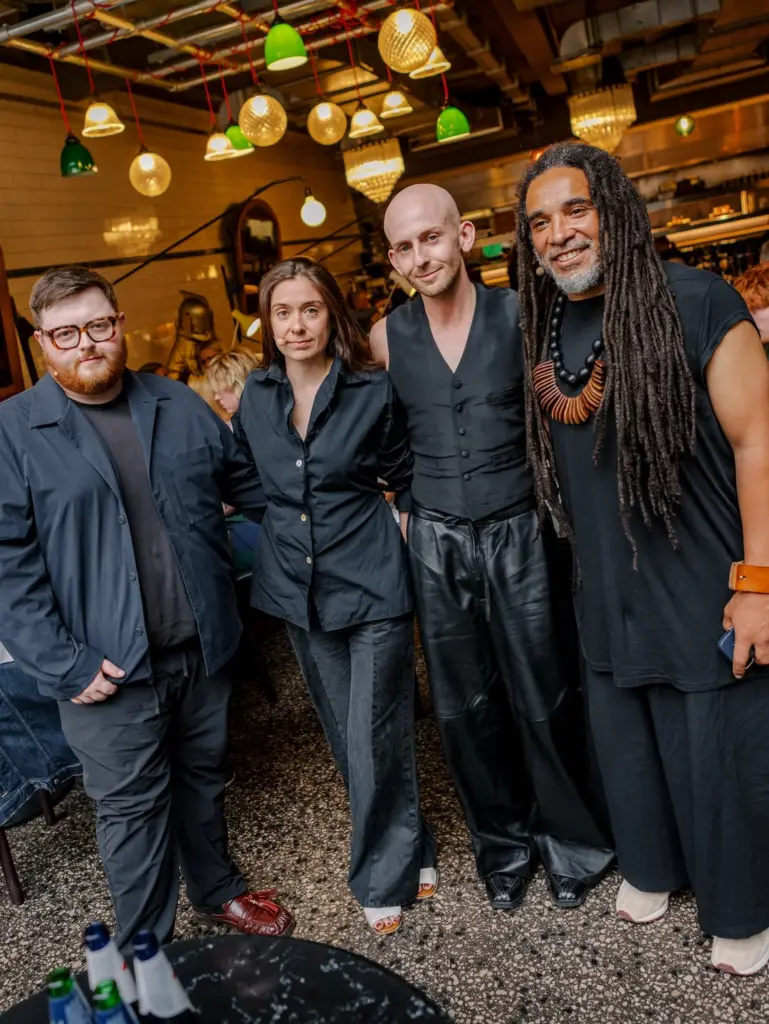
Fashion Week evenings bring dinners, drinks and private events, with Mayfair particularly well placed for its concentration of restaurants, bars and members’ clubs.
Sexy Fish offers a lively setting on Berkeley Square, while The Dover provides a more intimate Italian-American dining room nearby. Isabel Mayfair is another polished option for dinner, while Annabel’s remains one of the neighbourhood’s most exclusive addresses for members and their guests.
For quieter meetings, The Connaught Bar offers a more composed setting, with Claridge’s a longstanding choice for afternoon tea between appointments. Reservations are advisable when Fashion Week increases demand across central London.
Fashion Beyond the Runway
The official schedule represents only part of Fashion Week. Fashion houses, retailers and independent labels stage pop-ups, collection previews, shopping events and other activations across the capital, alongside wider public-facing programming.
Private clients may also encounter collection appointments, bespoke services and brand-hosted events away from the main schedule. Mayfair, Bond Street, Savile Row, Soho and Chelsea add galleries, tailoring, jewellery and luxury shopping to the wider experience.
Arrivals and Getting Around London
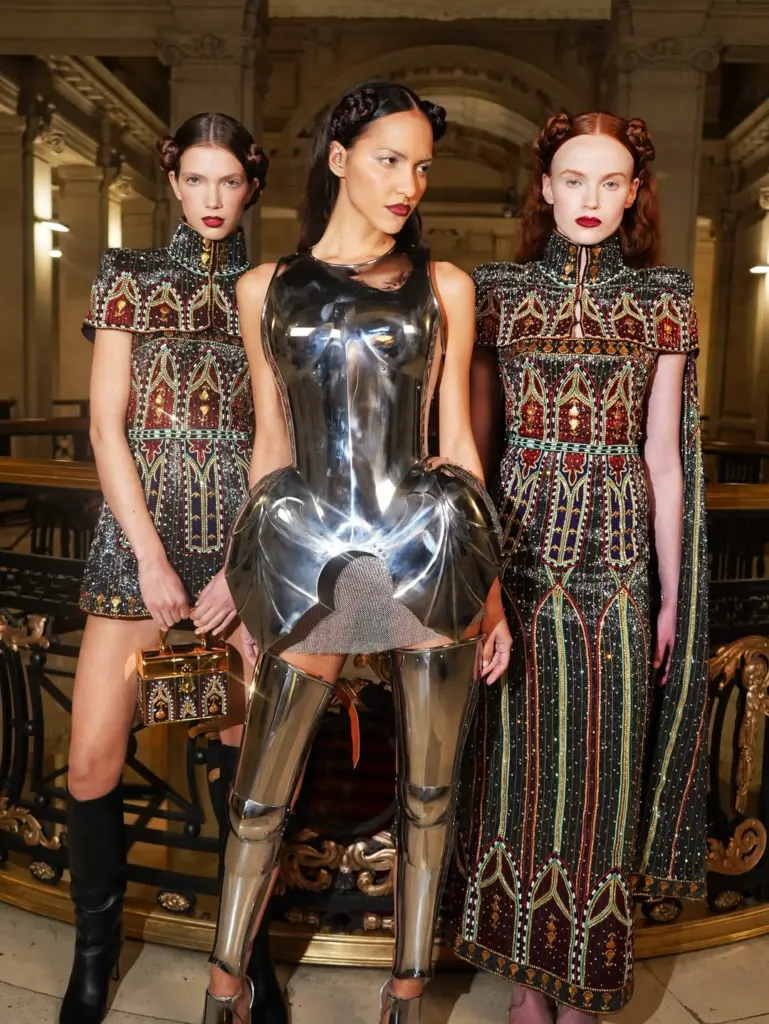
Chauffeured transport can be useful for guests attending several events in one day, particularly when travelling between central London and venues farther east or west. Generous transfer times are advisable, as traffic can make short journeys unpredictable.
For private aviation, London Biggin Hill and Farnborough Airport are established gateways serving the capital. London Luton also accommodates private aircraft through dedicated business aviation facilities.
There is no formal Fashion Week dress code. The audience ranges from tailoring and designer ready-to-wear to vintage, emerging labels and more experimental looks, contributing to the street-style culture surrounding the shows.
London’s Creative Edge
London Fashion Week retains its international relevance through a combination of established names, independent labels and emerging talent. Programmes such as BFC NEWGEN help keep new designers prominent, while London’s hotels, restaurants, galleries and boutiques extend the experience across the capital.
That evolving creative landscape remains one of London Fashion Week’s defining strengths and keeps the city firmly connected to the direction of global fashion.