

All products are independently selected by our editors. If you buy something, we may earn an affiliate commission.
Milan Fashion Week places the Italian fashion capital at the centre of the international industry several times each year. Coordinated by Camera Nazionale della Moda Italiana (CNMI), its principal womenswear and menswear calendars bring leading houses, emerging designers, buyers, editors and private clients to Milan for shows and presentations.
Milano Moda Uomo and Milano Moda Donna anchor the programme, alongside exhibitions, brand events and cultural initiatives across the city. Fashion Week also provides a compelling introduction to Milan’s luxury hotels, restaurants, galleries and shopping districts at their most internationally focused.
Milan’s Fashion Calendar
Milan’s fashion calendar centres on two womenswear and two menswear seasons each year. Milano Moda Uomo typically presents men’s collections in January and June, while the principal Milano Moda Donna editions take place around February and September.
Schedules vary between seasons, with runway shows accompanied by presentations and industry events. CNMI publishes the official calendar for each edition, providing the most reliable reference for confirmed brands, venues and timings.
The Houses Shaping Milan
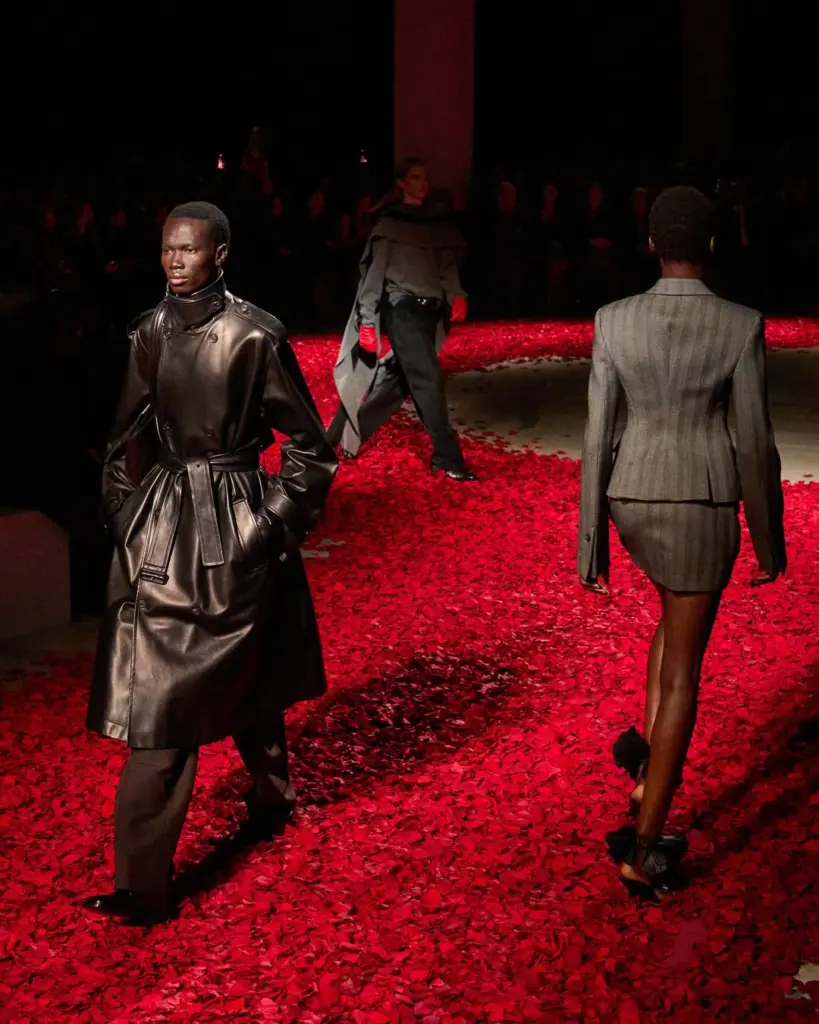
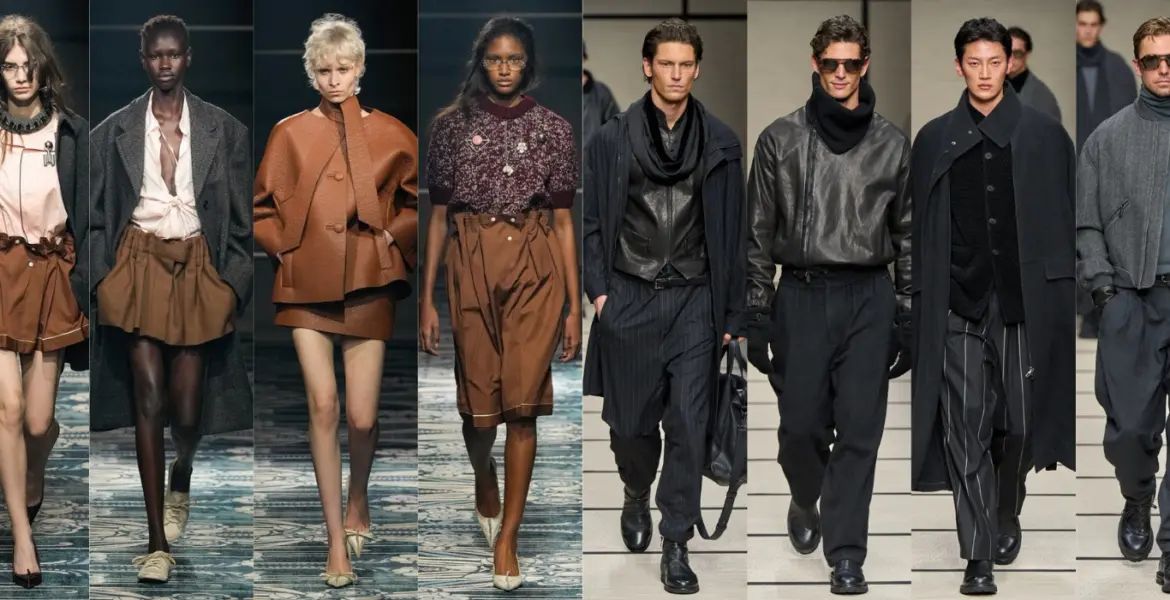
Milan’s influence is closely connected to the Italian houses that have built their identities around the city. Prada remains one of the most closely watched names on the calendar, with presentations spanning menswear and womenswear.
Giorgio Armani and Emporio Armani retain an important position in Milanese fashion, carrying forward the design language established by Giorgio Armani across tailoring, eveningwear and contemporary luxury. Dolce & Gabbana brings a distinctly Italian perspective, often drawing on craftsmanship, decorative detail and cultural references.
Other established names appear alongside international designers and independent labels, with the line-up changing between editions to introduce different creative voices alongside Milan’s major houses.
New Talent at the Fashion Hub
CNMI’s Fashion Hub gives emerging designers a dedicated presence during selected editions of Milan Fashion Week. Its initiatives have highlighted new talent, international designers, craftsmanship and more responsible approaches to fashion.
Formats and locations can change between editions, with programmes including curated showcases and public-facing elements. The Fashion Hub complements CNMI’s wider support for emerging talent while introducing designers beyond the major runway schedule.
Inside Fashion Week Access
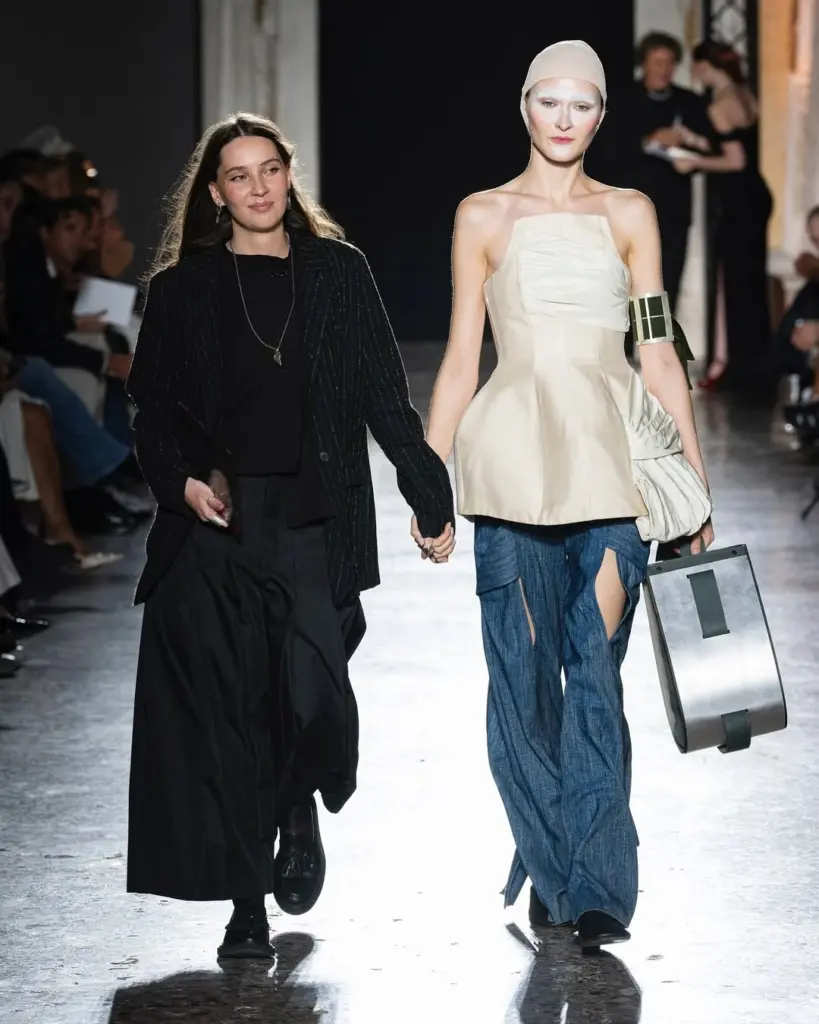
Major runway shows are generally invitation-only, with guest lists weighted towards buyers, editors, clients, celebrities, brand partners and other industry figures. CNMI advises against third-party offers claiming to sell access to official Milan Fashion Week events.
Presentations and appointments offer other forms of access, although many are also reserved for guests or industry professionals. Selected events and Fashion Hub programming may be open to the public when indicated on the official calendar.
Specialist concierge services may assist with private shopping, showroom visits, brand experiences, dinners and transport. Entry to sought-after runway shows, however, ultimately depends on invitations and industry relationships rather than a general Fashion Week ticket.
Milan’s Fashion Week Addresses
Location becomes particularly valuable during Fashion Week, when events are spread across Milan. The city’s leading hotels combine privacy and service with convenient access to the Quadrilatero della Moda and other key districts.
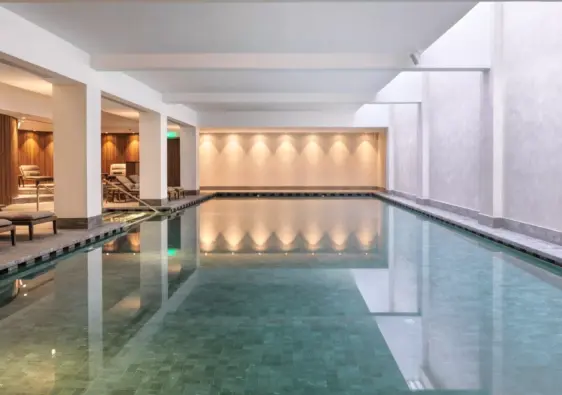
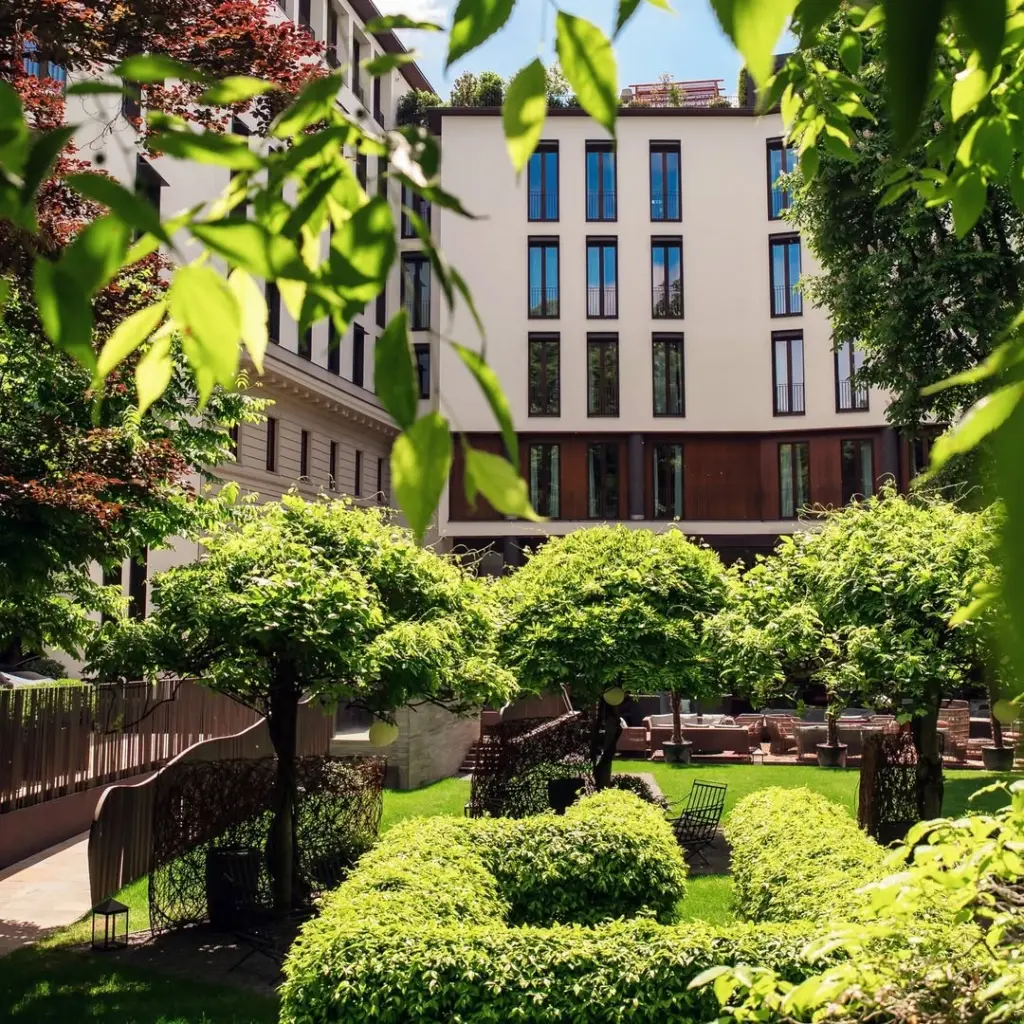
Bulgari Hotel Milano sits on a private street close to Brera and the Quadrilatero, with a large garden bringing unusual seclusion to central Milan. Its spa and Da Niko restaurant make it particularly well suited to downtime between engagements.
Four Seasons Hotel Milano occupies a former 15th-century convent on Via Gesù, placing Via Montenapoleone and Via della Spiga within easy reach. Its central courtyard and spa offer a quieter retreat in the heart of the fashion district.
Armani Hotel Milano, on Via Manzoni, places guests within the Quadrilatero in interiors shaped by the restrained Armani aesthetic. Its location is particularly convenient for the surrounding luxury boutiques.
Palazzo Parigi Hotel & Grand Spa offers a more classically opulent alternative near Brera and the fashion district, with spacious interiors and an extensive spa suited to longer Fashion Week stays.
Milan After the Runway
The official calendar accounts for only part of Fashion Week. Brands organise dinners, launches, installations and private receptions, while galleries, publications and luxury businesses add their own events across the city.
Historic palazzi, boutiques, galleries and contemporary venues become part of the circuit, with invitations generally managed by brands, public relations teams and individual hosts. Exhibitions and creative collaborations often coincide with the week, connecting fashion with Milan’s established art, architecture and design scenes.
The Milan Fashion Week Wardrobe
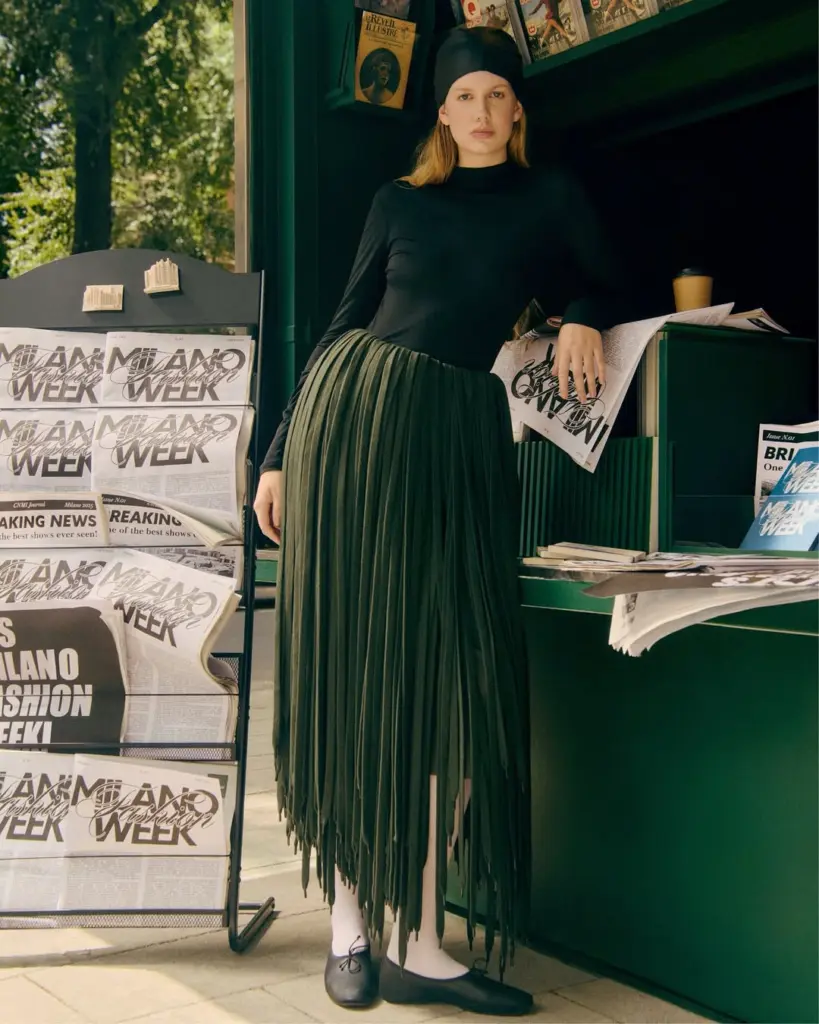
Milan rewards considered dressing. Tailoring, fine knitwear, leather goods and well-made footwear sit naturally within the city’s fashion culture, while Fashion Week brings a more experimental edge.
Practicality matters when days involve multiple venues followed by evening events. Versatile pieces and comfortable footwear are valuable, with seasonal conditions guiding the final wardrobe.
Milan Between the Shows
The Quadrilatero della Moda is the natural starting point for luxury shopping, with Via Montenapoleone, Via della Spiga, Via Sant’Andrea and surrounding streets bringing many leading houses into a compact central district. Flagship boutiques and private shopping appointments add particular appeal during Fashion Week.
For contemporary culture, Fondazione Prada presents exhibitions and projects within its Rem Koolhaas-designed complex in Largo Isarco. Museo Poldi Pezzoli offers a contrasting experience in central Milan, with paintings, decorative arts, jewellery, arms and historic interiors from the collection of Gian Giacomo Poldi Pezzoli.
Brera fits easily into a Fashion Week itinerary, combining galleries, boutiques and established dining addresses. Milan’s aperitivo culture also provides a natural transition between the day’s final engagements and the evening programme.
Travel, Timing and Access
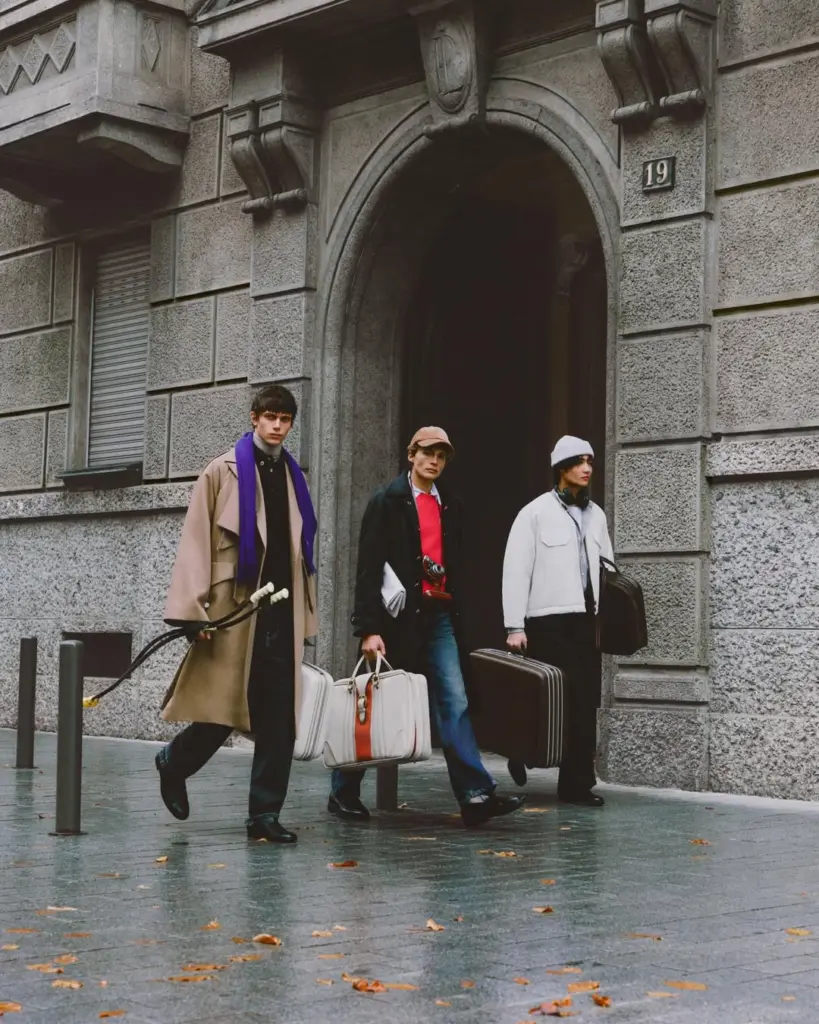
Fashion Week places considerable pressure on Milan’s leading hotels, restaurants and transport services, making advance arrangements advisable for sought-after suites, dining reservations and chauffeur services.
Shows and presentations take place across the city, and traffic can make short journeys unpredictable. Grouping engagements geographically and allowing sufficient travel time can make busy schedules considerably easier.
Official calendars should be checked throughout the visit, as timings, venues and formats can change. Private engagements are best arranged around confirmed shows rather than assuming the published programme will remain unchanged.
Milan’s Place in Global Fashion
Milan’s importance rests on the strength of its fashion houses, the commercial weight of its collections and its close relationship with Italian craftsmanship and manufacturing. Emerging designers and international names add further depth to a calendar anchored by some of luxury fashion’s most influential brands.
The city’s luxury hotels, flagship boutiques, galleries, restaurants and private events add another dimension during Fashion Week, when Milan’s longstanding relationship with fashion is at its most visible.