

All products are independently selected by our editors. If you buy something, we may earn an affiliate commission.
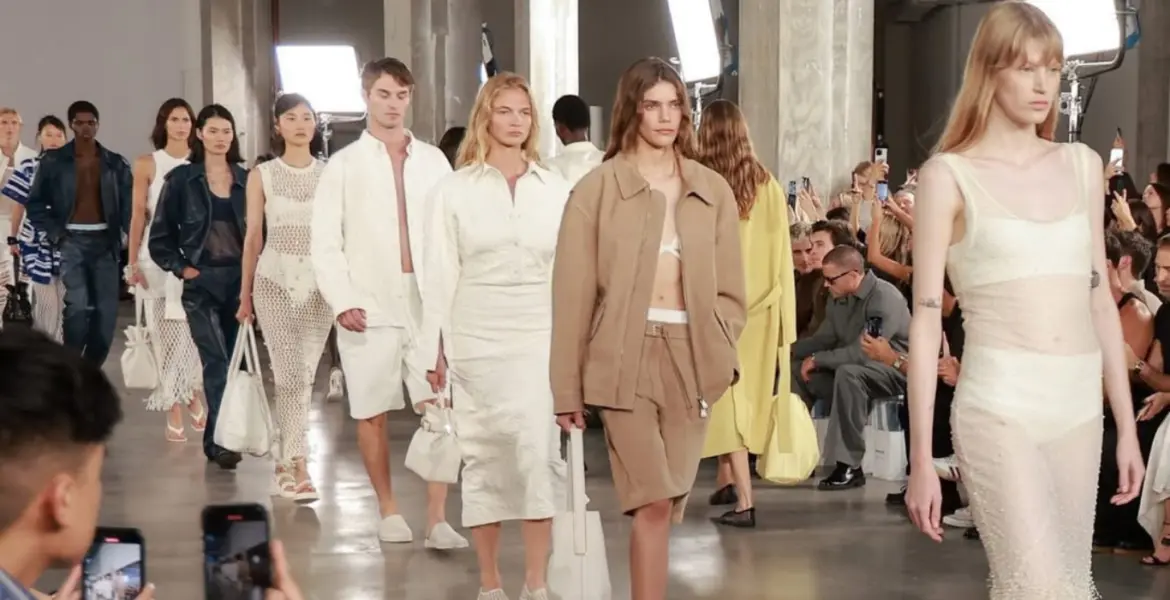
New York Fashion Week is one of the defining fixtures of the international fashion calendar, bringing leading American designers, emerging talent, editors, buyers and influential guests to New York during the February and September fashion seasons. Beyond the runway, the programme extends through presentations, showroom appointments, private dinners and brand events across the city.
As the first of the four major fashion weeks traditionally staged across New York, London, Milan and Paris, NYFW gives American fashion a prominent international platform. Its influence also reaches into New York’s hotels, restaurants, galleries and luxury retail scene, adding a wider social dimension to the week.
A Cornerstone of American Fashion
The Council of Fashion Designers of America owns and organises the Official NYFW Schedule, encompassing runway shows, presentations, appointments and other formats from established and emerging designers.
Major American names remain central to its identity. Michael Kors Collection and Carolina Herrera are closely associated with the official programme, alongside labels such as Tory Burch, Khaite and Calvin Klein Collection. The line-up changes between seasons, while prominent houses may also stage presentations outside the official schedule.
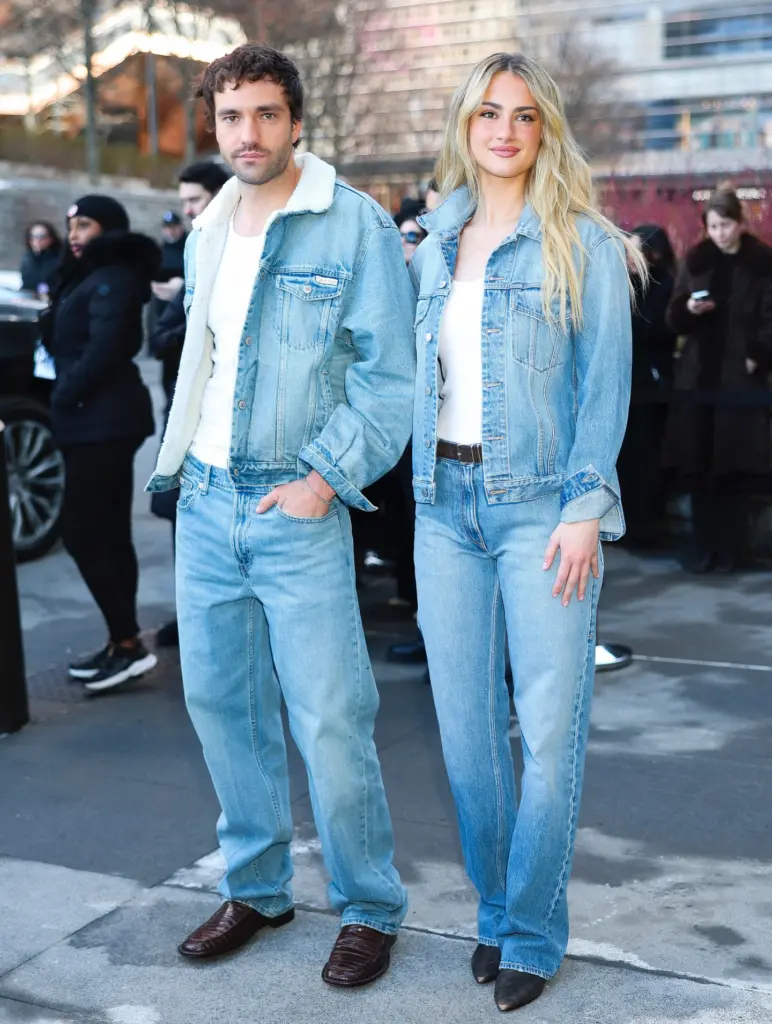
This balance gives NYFW much of its character, placing internationally recognised names alongside younger designers gaining exposure to editors, buyers and the wider fashion industry.
Established Names and New Talent
NYFW spans polished luxury, sportswear, eveningwear and more experimental design. Established houses arrive with considerable international attention, while newer labels use the week to build their profiles with influential industry audiences.
The Official NYFW Schedule is only part of the picture. Independently timed shows, presentations, showroom appointments and collection previews broaden the programme, with major names occasionally choosing to present immediately before or around the official calendar.
For guests following the week closely, this creates considerable variety. Large-scale runway productions can sit alongside more intimate presentations, offering different perspectives on contemporary American fashion.
Inside the NYFW Experience
Access shapes the experience considerably. Many of the most sought-after runway shows are invitation-only, with guest lists typically including editors, buyers, stylists, celebrities, clients, and other figures connected to the designer or brand. Entry therefore depends heavily on industry and brand relationships rather than simply the ability to purchase a ticket.
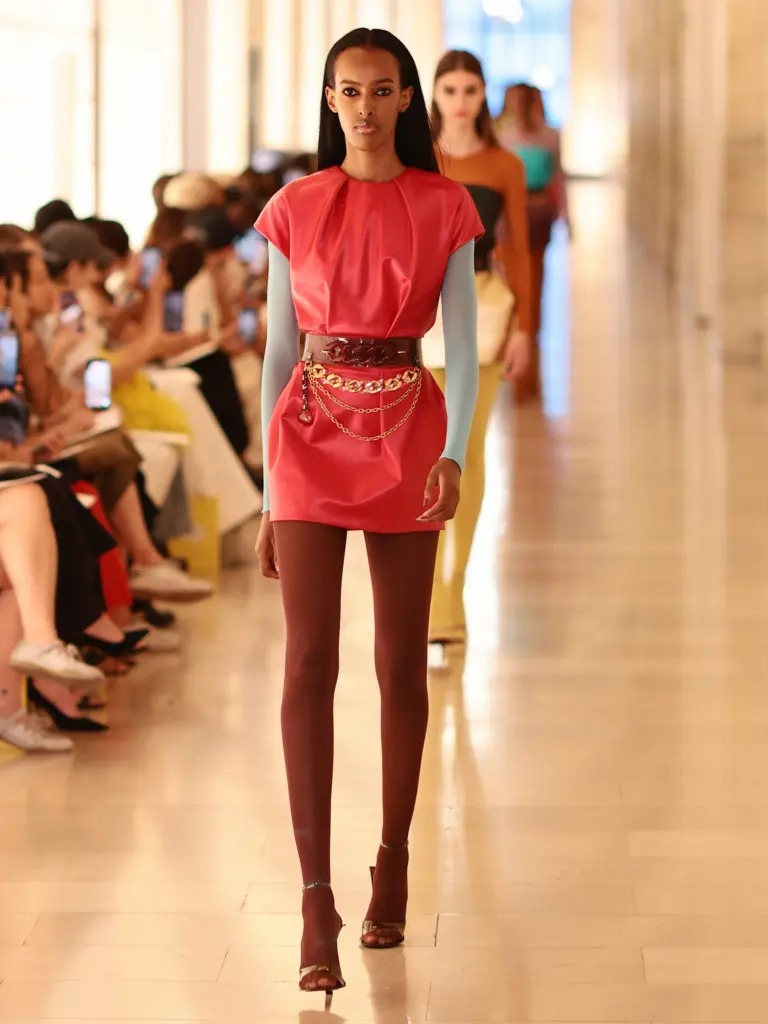
Presentations and showroom appointments can provide a closer look at collections, while private client appointments offer a more personal experience for established customers. Designer dinners, collection launches and brand events carry the programme into the evening.
Fashion houses, jewellery and beauty brands, retailers and creative partners also host dinners, cocktail events and private gatherings around the shows. Galleries, cultural institutions and luxury retailers contribute exhibitions and collaborations, extending Fashion Week well beyond the official programme.
New York Beyond the Runway
There is no single NYFW district. Shows, presentations and events take place across Manhattan and occasionally farther afield, making a well-positioned hotel particularly valuable during a tightly scheduled stay.
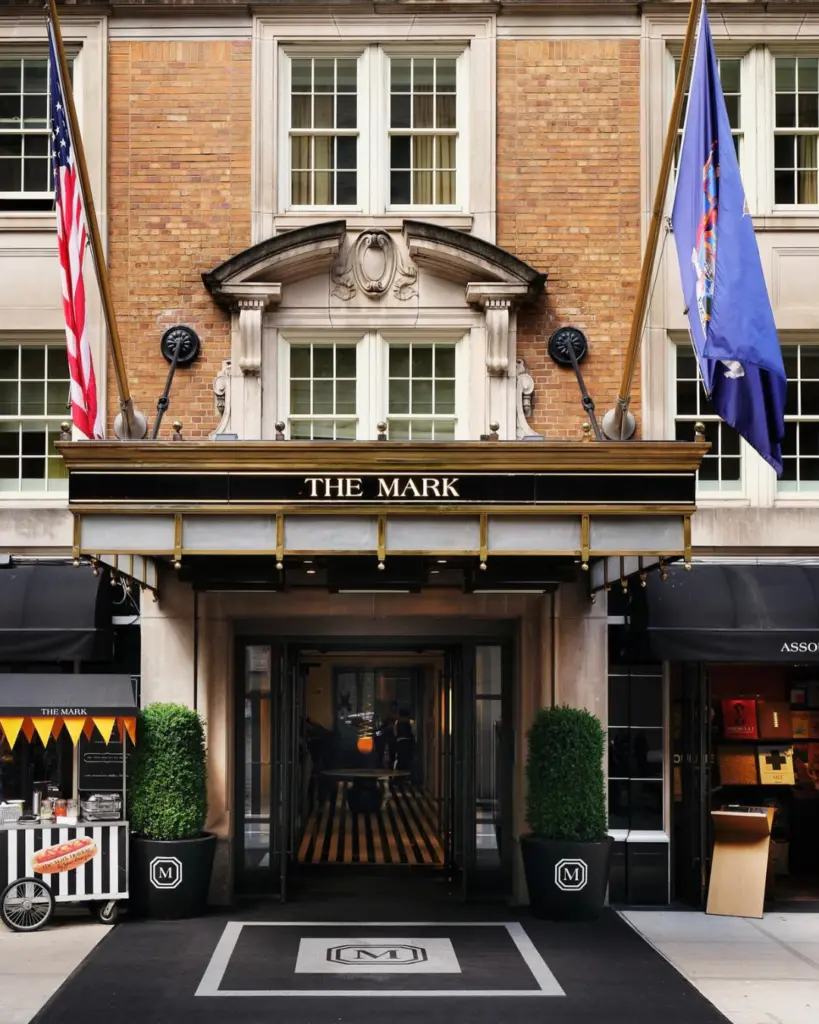
The Mark and The Carlyle offer distinguished Upper East Side bases close to Madison Avenue shopping and major cultural institutions. The Peninsula New York provides a central Fifth Avenue address, while SoHo and Tribeca place guests near many galleries, boutiques, and restaurants.
Dining is another natural part of the week. The Polo Bar offers Ralph Lauren’s polished take on American dining in Midtown, while Le Coucou provides an elegant French option downtown. Cipriani Downtown remains a lively SoHo fixture for Italian food and a distinctly social atmosphere. Reservations at New York’s most sought-after restaurants can be particularly competitive around major events, making planning worthwhile.
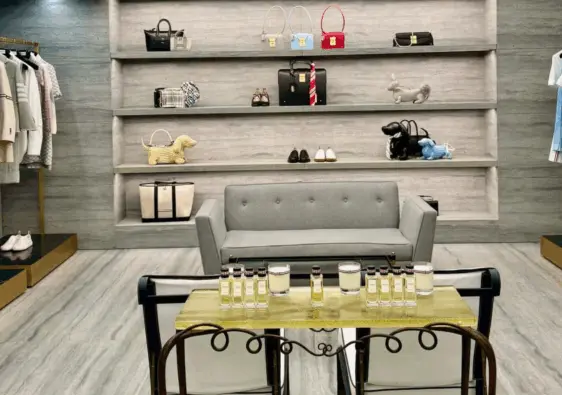
Fashion Week also provides an opportunity to explore the city’s luxury retail landscape. Madison Avenue remains a stronghold of established houses, while SoHo combines international flagships with contemporary fashion and design. Private shopping appointments, designer boutiques, and luxury department stores provide a more accessible complement to the invitation-led runway calendar.
New York Fashion Week’s Global Influence
NYFW remains an important international platform for American fashion, bringing established houses and emerging designers before a global industry audience. Its combination of runway shows, presentations and independently staged events keeps the programme varied and responsive to the wider fashion landscape.
For those with the right access, the week offers a concentrated view of New York’s fashion world. Beyond the invitation-only shows, the city’s hotels, restaurants, galleries and luxury shopping reinforce NYFW’s place among the most significant fixtures on the international fashion calendar.