

All products are independently selected by our editors. If you buy something, we may earn an affiliate commission.
Paris Fashion Week – Men’s occupies a distinctive place within the global luxury calendar. Twice a year, the city becomes a temporary capital of men’s style, drawing heritage maisons, modern luxury houses, buyers, collectors, and private clients into a tightly choreographed week of shows, salons, and social rituals. For those who experience fashion as part of their lifestyle rather than a distant spectacle, this is a period when Paris subtly changes character. Hotel suites turn into working salons. Private apartments host viewings and fittings. Dining rooms become meeting points where conversations often carry more weight than the collections themselves.
Understanding Paris Men’s Fashion Week is less about knowing the schedule and more about recognising how the city moves when the industry’s inner circle arrives.
The Rhythm of Paris Men’s Fashion Week
Paris hosts Men’s Fashion Week in January and June, each edition unfolding across roughly a week. The days follow a recognisable cadence. Mornings are shaped around presentations, showroom appointments, and private viewings. Afternoons belong to runway shows, staged across museums, historic landmarks, contemporary venues, and architectural installations created specifically for the season. Evenings drift into invitation-only receptions, discreet dinners, and cultural events hosted quietly by the houses.
For established attendees, planning begins long before the first show. Suites are secured months ahead, often with space for fittings and meetings. Drivers, security teams, and stylists are arranged in advance. Restaurant reservations and private dining rooms are blocked out before official calendars are confirmed. The week rewards those who treat it as a moving operation rather than a series of isolated events.
Why Paris Continues to Define Men’s Luxury
Paris remains the city where men’s luxury is expressed with the greatest authority. The calendar is anchored by maisons whose influence extends far beyond seasonal collections. Dior Men, Louis Vuitton, Hermès, Saint Laurent, and Givenchy bring a level of production, craftsmanship, and cultural reach that sets the tone of the week. Alongside them, directional designers and emerging creative leaders introduce new languages of tailoring, proportion, and modern luxury.
What distinguishes Paris is the way fashion is framed. Shows are often set inside palaces, museums, galleries, hôtels particuliers, and landmark institutions that lend historical and artistic depth to each presentation. The runway becomes part exhibition, part performance, part cultural statement. This alignment between fashion, architecture, and art continues to reinforce Paris’s position as the most influential stage for men’s luxury.
The Circles That Shape the Week
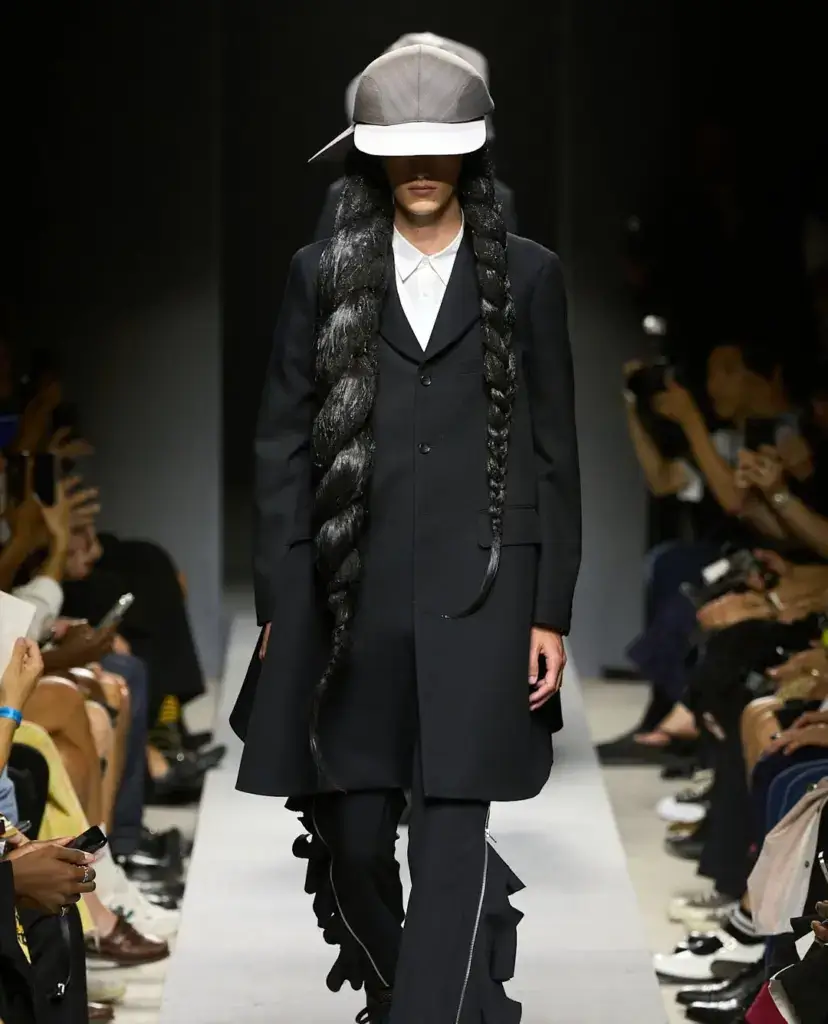
Paris Men’s Fashion Week brings together a narrow but powerful ecosystem. Designers, creative directors, and atelier teams shape the creative direction. Global buyers and retail executives determine how collections will be represented across international luxury markets. Editors, stylists, and image-makers define how the season is interpreted and remembered.
Alongside them move athletes, actors, musicians, and cultural figures whose presence amplifies visibility and narrative. Less visible, but deeply central, are private clients and collectors. Many never attend public shows. Their schedules revolve around showroom appointments, private fittings, and invitation-only presentations where collections are experienced calmly, and wardrobes are shaped over time rather than seasons.
How the City Moves When Fashion Arrives
During Men’s Fashion Week, Paris operates on a parallel social and logistical rhythm. Luxury hotels function as informal headquarters, their lobbies and private lounges filled with quiet meetings, impromptu consultations, and last-minute adjustments. Entire suites become temporary ateliers, hosting fittings, garment viewings, and small receptions throughout the day.
Chauffeured travel becomes essential. Show venues are spread across the city, often moving between Left Bank institutions, Right Bank palaces, and industrial or contemporary spaces. Schedules are built around traffic patterns, security considerations, and proximity between appointments. Trusted drivers are relied upon not only for efficiency, but for discretion and continuity in an otherwise fluid week.
Much of the week’s significance unfolds here, away from public view. Relationships are strengthened over late lunches. Creative partnerships are discussed between shows. Client wardrobes are refined quietly in hotel salons long after crowds have dispersed.
The Addresses and Tables That Matter
Accommodation during Paris Men’s Fashion Week is chosen with precision. Palace hotels and discreet boutique properties close to the Seine, the Marais, and the 8th arrondissement are particularly favoured. What defines these addresses is not spectacle, but function: adaptable suites, private entrances, experienced concierge teams, and an established familiarity with the rhythms of fashion week.
Dining follows a similar logic. Power lunches are commonly held in private rooms where conversation can move uninterrupted. Evenings are shaped by chef-led tables where fashion houses host editors, ambassadors, and clients in carefully considered settings. Some of the most influential exchanges of the week take place late, across intimate dinners where fashion, art, and business intersect without performance.
Style, Presence, and the Codes of Paris
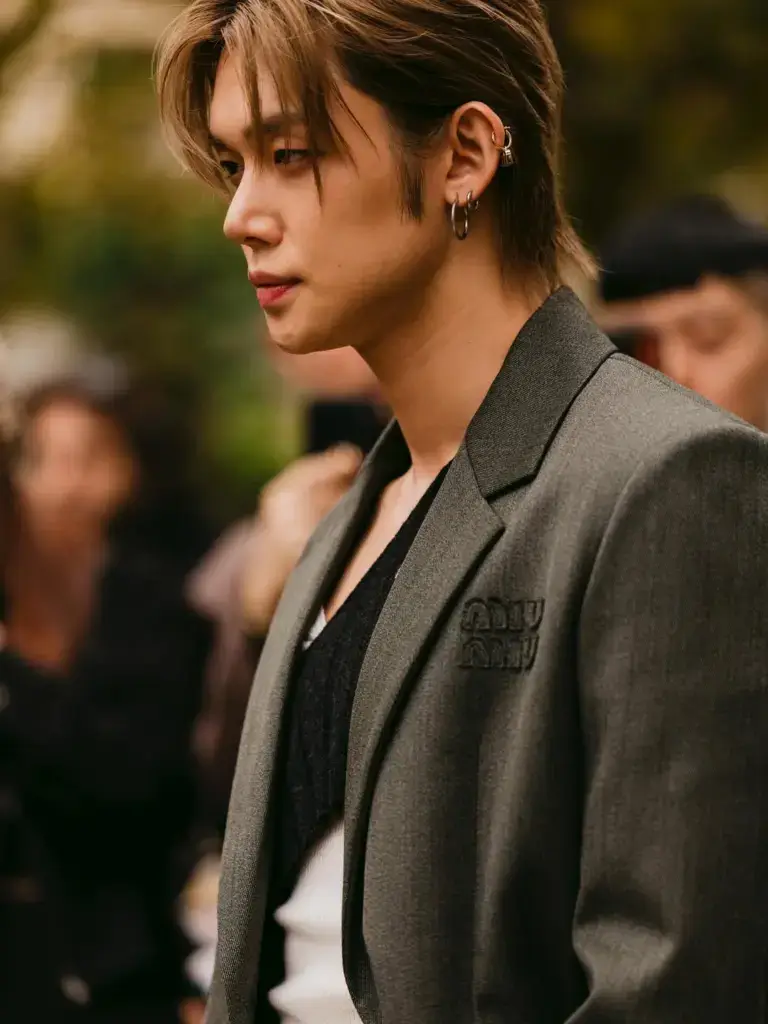
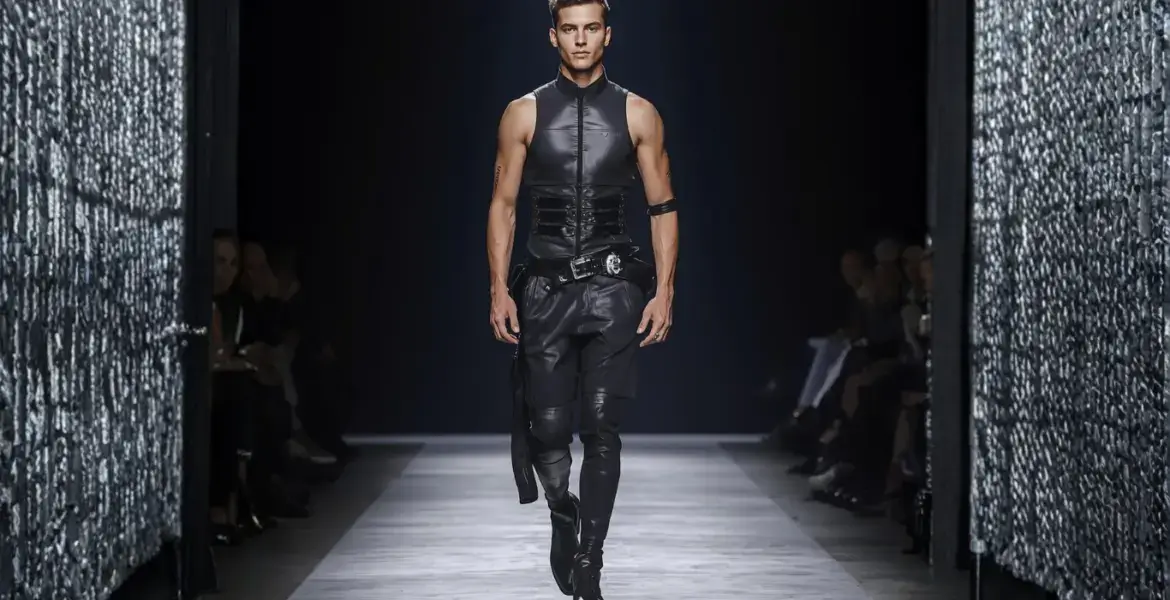
Men’s Paris Fashion Week carries a distinct visual culture. Tailoring remains central, often softened by contemporary silhouettes, innovative fabrics, and refined street influence. Presentation is deliberate: grooming, fit, and detail matter. Status is signalled quietly through craftsmanship, rarity, and personal coherence rather than overt branding.
For many regular attendees, personal style functions as a professional language. How one arrives, moves between venues, and occupies social spaces forms part of the week’s unspoken etiquette. The city becomes a moving exhibition of how modern men’s luxury is worn, interpreted, and lived.
What First-Time Guests Rarely Anticipate
The physical and logistical demands of Paris Men’s Fashion Week are frequently underestimated. Days can begin early and conclude well after midnight. Venues are dispersed, and schedules shift without notice. Without careful planning, valuable time is easily lost between appointments.
Privacy management also becomes critical. Major shows attract intense media attention, and seamless movement often requires advance coordination, security support, and adaptable itineraries. Those who navigate the week comfortably usually do so with experienced teams around them, from stylists and personal assistants to concierge staff and brand hosts who understand the city’s rhythm during this period.
Paris Men’s Fashion Week Within the Global Luxury Circuit
Paris Men’s Fashion Week forms part of a wider circuit that extends beyond fashion alone. It connects naturally with Milan’s menswear season, Paris Haute Couture Week, and the city’s art exhibitions, jewellery presentations, and auction previews. For many within the luxury world, these weeks dictate broader travel patterns across Europe, shaping movements between Paris, Milan, Geneva, London, and Monaco.
The week also aligns closely with the private client calendar, sitting alongside bespoke appointments, high jewellery viewings, and invitation-only cultural programmes that often run parallel to official schedules.
Why the Week Still Holds Its Influence
Paris Men’s Fashion Week continues to matter because it reflects more than seasonal design. It reveals how men’s luxury is evolving across craftsmanship, identity, culture, and commerce. It gathers the figures who define those shifts into a city uniquely equipped to host them with elegance, discretion, and depth.
For luxury travellers, collectors, and cultural observers, the week offers a rare window into the structures and rituals that quietly shape global style. Long after the runways are cleared, the conversations, fittings, and relationships formed in Paris continue to influence how men’s luxury is designed, presented, and ultimately lived.