

All products are independently selected by our editors. If you buy something, we may earn an affiliate commission.
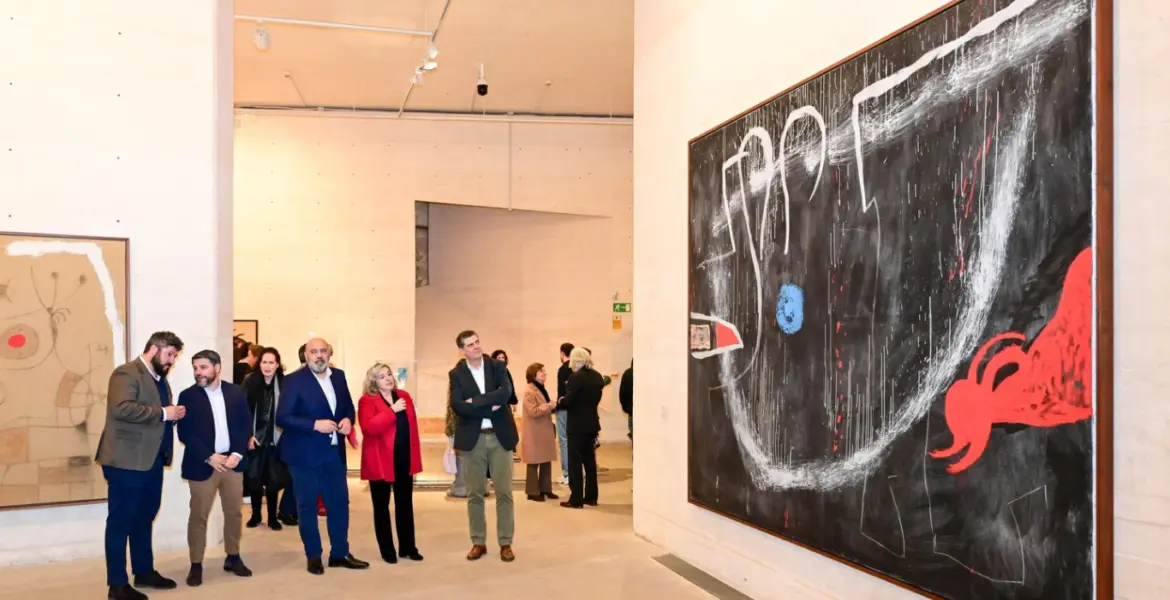
Mallorca has long attracted painters, writers and collectors drawn to its extraordinary light, but few places offer a closer connection to the island’s artistic heritage than the Fundació Pilar i Joan Miró a Mallorca. Rather than presenting Joan Miró’s work through a conventional museum experience, the foundation invites visitors into the very spaces where many of his final masterpieces were conceived. Original studios, an extensive permanent collection, contemporary exhibitions and striking architecture create one of Mallorca’s most rewarding cultural destinations for travellers seeking experiences beyond the beach.
Miró’s Lasting Connection to Mallorca
Although born in Barcelona, Joan Miró developed a profound relationship with Mallorca through his family before settling permanently on the island in 1956. Seeking both tranquillity and creative freedom, he established his home and studios on the outskirts of Palma, where the Mediterranean landscape became an enduring source of inspiration throughout the final decades of his career.
Following Miró’s wishes to preserve his artistic legacy and encourage future generations of creators, the Fundació Pilar i Joan Miró opened in 1992 with the support of his wife, Pilar Juncosa. Today, it remains one of Spain’s most significant centres dedicated to a single artist, preserving not only his work but also the environment in which it was created.
Exploring One of Spain’s Finest Collections of Miró’s Work
The foundation cares for more than 6,000 works spanning nearly every stage of Miró’s artistic career. Alongside paintings and sculptures are drawings, preparatory sketches, graphic works, illustrated books, ceramics and archival material that reveal the remarkable breadth of his practice.
Rather than simply showcasing finished masterpieces, the collection offers insight into Miró’s creative evolution. Visitors can trace recurring symbols, experimental techniques and the distinctive visual language that made him one of the defining figures of twentieth-century art. The galleries also reveal how Mallorca’s landscapes, brilliant light and slower pace of life quietly influenced many of his later works.
Rotating temporary exhibitions complement the permanent collection throughout the year, often bringing together contemporary artists, international collaborations and thematic displays that place Miró’s work within broader artistic conversations. As a result, no two visits are exactly alike.
Inside the Studios Where Miró Worked
The greatest privilege of visiting the foundation lies beyond the gallery walls. Few museums allow visitors to experience an artist’s creative environment with such authenticity.
Sert Studio
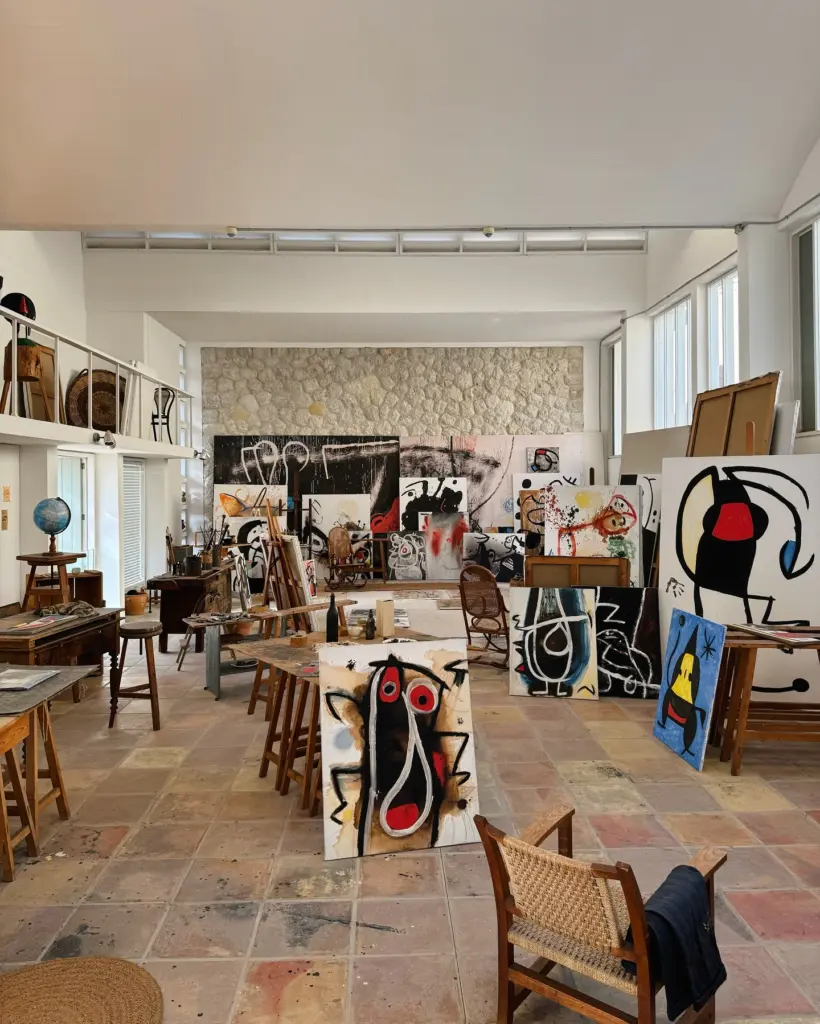
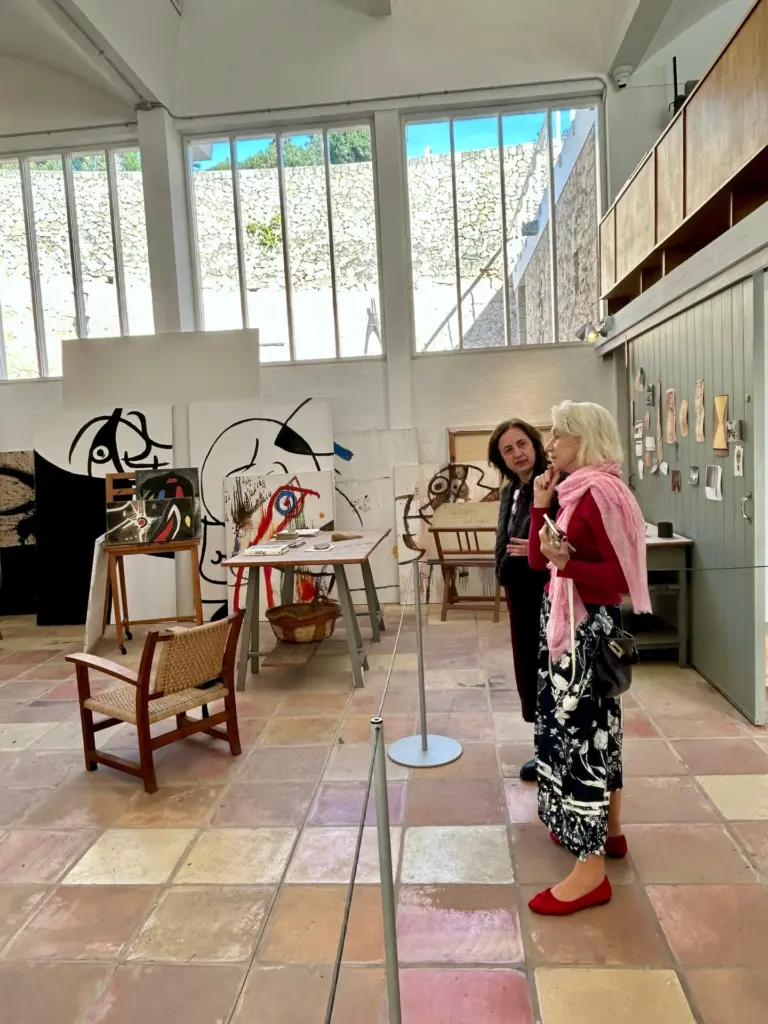
Purpose-built in 1956 by renowned Catalan architect Josep Lluís Sert, the Sert Studio remained Miró’s principal workspace for almost three decades. Flooded with natural Mediterranean light through expansive north-facing windows, the studio remains remarkably intact.
Paintbrushes still rest where they were last used, canvases stand on original easels, books line the shelves, and paint splatters remain visible across the floor. The space feels less like a preserved museum and more like an artist has simply stepped away for a moment, offering an unusually intimate glimpse into Miró’s daily working life.
Son Boter
Just a short walk from the main studio sits Son Boter, a traditional seventeenth-century Mallorcan farmhouse that Miró used as an experimental workspace.
Its most remarkable feature remains the charcoal sketches drawn directly onto the interior walls, many serving as preliminary studies for later paintings and sculptures. Combined with unfinished ideas and working materials, the building provides a fascinating record of Miró’s creative process, revealing the experimentation that preceded many of his celebrated works.
Architecture That Reflects Creativity
The foundation itself is as compelling as the collection it houses.
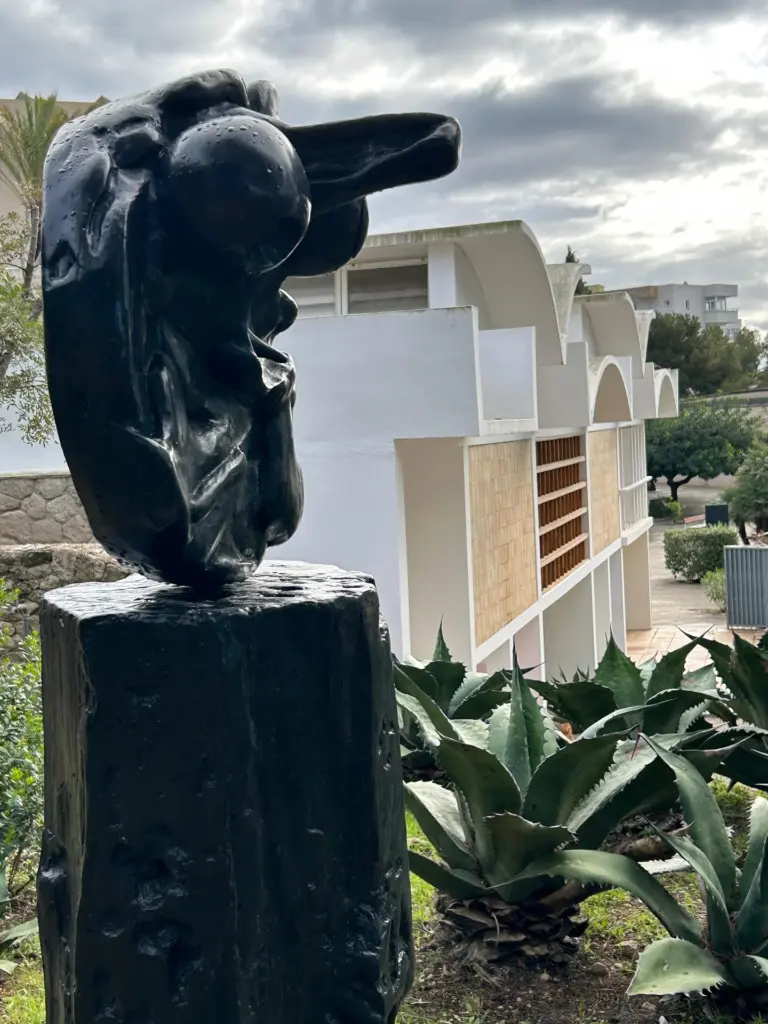
Visitors move through three distinct architectural environments, each representing a different chapter in the site’s history. Sert’s minimalist studio celebrates natural light and functionality, Son Boter preserves Mallorca’s traditional architectural heritage, while the contemporary extension by Pritzker Prize-winning architect Rafael Moneo introduces elegant exhibition spaces, an auditorium and a specialist library.
Rather than competing with one another, the three buildings create a thoughtful dialogue between history, modernism and artistic expression, framed by peaceful Mediterranean surroundings.
Sculpture, Gardens and Quiet Reflection
Outside, landscaped gardens provide a welcome change of pace. Sculptures are thoughtfully positioned among native Mediterranean planting, mature pine trees and open terraces overlooking Palma.
These outdoor spaces encourage visitors to slow down between exhibitions, offering moments to appreciate Miró’s larger sculptural works within the landscape that inspired much of his later creativity. The gardens also reinforce the seamless relationship between art, architecture and nature that defines the entire foundation.
Experiencing the Foundation at Leisure
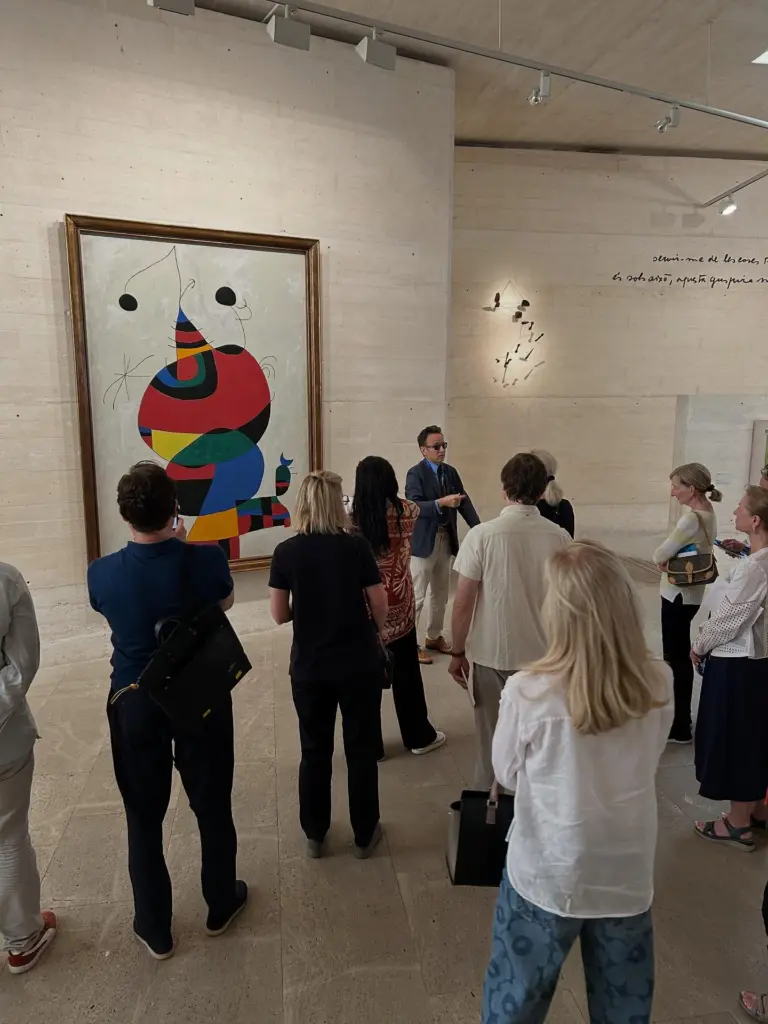
Allowing at least two to three hours provides enough time to fully appreciate both the permanent collection and Miró’s preserved studios without feeling rushed. Morning visits are often quieter, allowing visitors to enjoy the galleries and gardens at a more relaxed pace.
The foundation also hosts guided visits, educational programmes, artist residencies and cultural events throughout the year, offering additional opportunities to engage with Miró’s legacy beyond the permanent displays.
Before leaving, the museum boutique is well worth exploring. Its carefully curated selection includes exhibition catalogues, specialist art books, authorised reproductions, stationery, ceramics and beautifully designed gifts inspired by Miró’s work, offering thoughtful keepsakes rather than conventional souvenirs.
Extending Your Day in Palma
The foundation fits naturally into a wider day exploring Palma’s cultural and culinary highlights. Bellver Castle sits just a short drive away, while Palma’s historic old town offers elegant boutiques, galleries and cafés tucked between centuries-old streets. Nearby, Es Baluard Museu d’Art Contemporani provides an excellent complement to Miró’s work through its collection of modern and contemporary art.
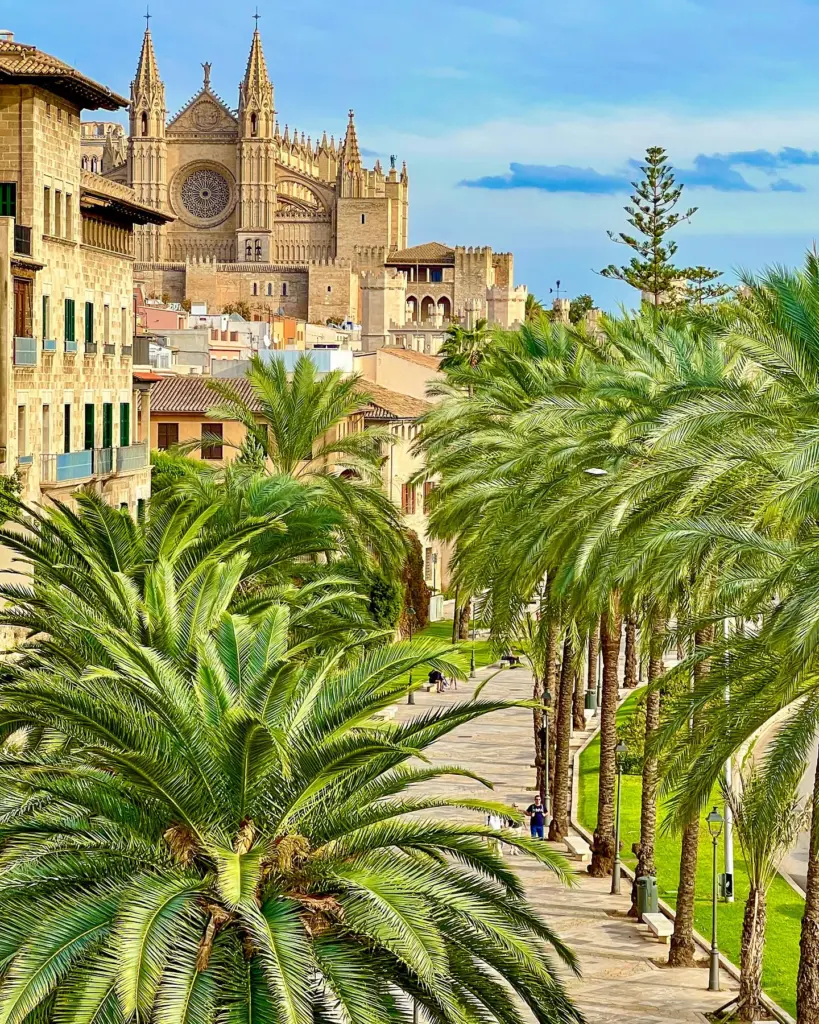
For those extending their stay, some of Mallorca’s finest hotels, including Cap Rocat, Hotel Sant Francesc, Can Bordoy Grand House & Garden and Es Princep, offer refined bases from which to discover the island’s cultural attractions alongside its celebrated coastline and gastronomy.
A Standout Cultural Experience in Mallorca
What distinguishes the Fundació Pilar i Joan Miró is not simply the scale of its collection, but the intimacy of the experience. Standing inside Miró’s untouched studios, seeing sketches preserved on the walls of Son Boter and moving between buildings designed by Josep Lluís Sert and Rafael Moneo offers a perspective few museums can match.
Few cultural attractions provide such a complete understanding of an artist’s life, work and creative environment. Whether visiting Mallorca for its acclaimed hotels, exceptional dining or thriving cultural scene, the Fundació Pilar i Joan Miró offers an enriching experience that reveals a quieter, more thoughtful side of the island, one that lingers long after the visit has ended.
Location: Carrer de Saridakis, 29, 07015 Palma, Balearic Islands, Spain