


All products are independently selected by our editors. If you buy something, we may earn an affiliate commission.
Tucked into the softly lit corners of Bellaluz Square, Gimlet LMC feels slightly removed from the wider rhythm of La Manga Club. While much of the resort leans into familiar Mediterranean staples, long lunches, and lively sports bars, Gimlet offers something quieter and more considered. The restaurant has developed a loyal following among returning visitors who come specifically for its flavour combinations, thoughtful wine list, and relaxed evening atmosphere.
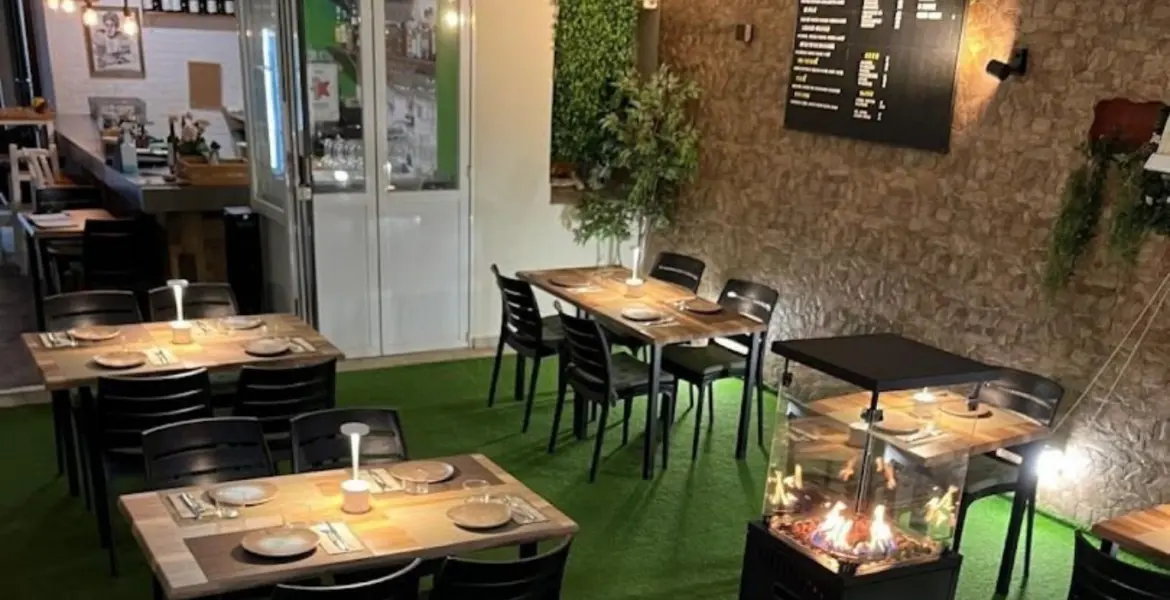
There is an ease to the place that suits Bellaluz particularly well. Tables spill into the square during warmer evenings, conversation drifts between diners lingering over wine, and the pace never feels rushed. Inside, the dining room remains intimate and understated, with low lighting, muted tones, and a soundtrack that leans more towards a laid-back cocktail bar than a formal restaurant. It works especially well later in the evening, when Bellaluz settles into its slower nighttime rhythm.
Bellaluz After Dark
Bellaluz has always been one of the more sociable corners of La Manga Club, though Gimlet brings a noticeably different energy to the square. There is no attempt at theatrical fine dining here. Instead, the restaurant relies on atmosphere, good music, attentive service, and a menu that encourages sharing.
The setting naturally suits couples and smaller groups, particularly those looking for a dinner that stretches comfortably into the evening. Many guests arrive after a day on La Manga Club’s golf courses, tennis courts, or at the spa, and Gimlet’s slower pace feels well matched to the resort’s late-afternoon transition from sport to dining.
Eastern European Flavours With Mediterranean Warmth
The kitchen draws heavily from Bulgarian, Eastern European, Greek, and Middle Eastern influences, though the wider Mediterranean thread keeps the menu grounded within southern Spain.
That combination becomes clear almost immediately through ingredients like lyutenitsa, dukkah, zhoug, pickled vegetables, feta, tahini, preserved lemon, and Bulgarian sausage, all appearing across dishes without the menu ever feeling overworked. The cooking remains approachable, but there is enough confidence and originality to separate Gimlet from many resort restaurants nearby.
Menus evolve regularly, including seasonal tasting menus, though several dishes have clearly become house signatures.
The Menu at Gimlet
Small Plates and Opening Dishes
The opening section of the menu is built around breads, dips, vegetables, and smaller sharing plates that work particularly well alongside cocktails or wine.
The Gimlet Toast remains one of the restaurant’s defining starters: sourdough layered with smoky lyutenitsa, feta cheese, and dukkah. It is simple on paper, though the combination of spice, salt, crunch, and sweetness gives it far more depth than expected.
Fresh bread arrives with a selection of mezze-style accompaniments including hummus, olive oil with dukkah, kaymak butter with honey, tzatziki, and lyutenitsa. Elsewhere, smaller bites such as spinach and feta pastries, chilli cheese, olives, and almonds keep things relaxed and informal without feeling predictable.
Vegetable-led dishes are particularly strong here. The roasted aubergine with hummus, sun-dried tomatoes, feta, curry leaf, truffle mayo, and pickled cabbage delivers layers of smoke, acidity, and spice, while the grilled halloumi paired with spicy honey, fennel, camomile, lemon, and za’atar balances richness with freshness.
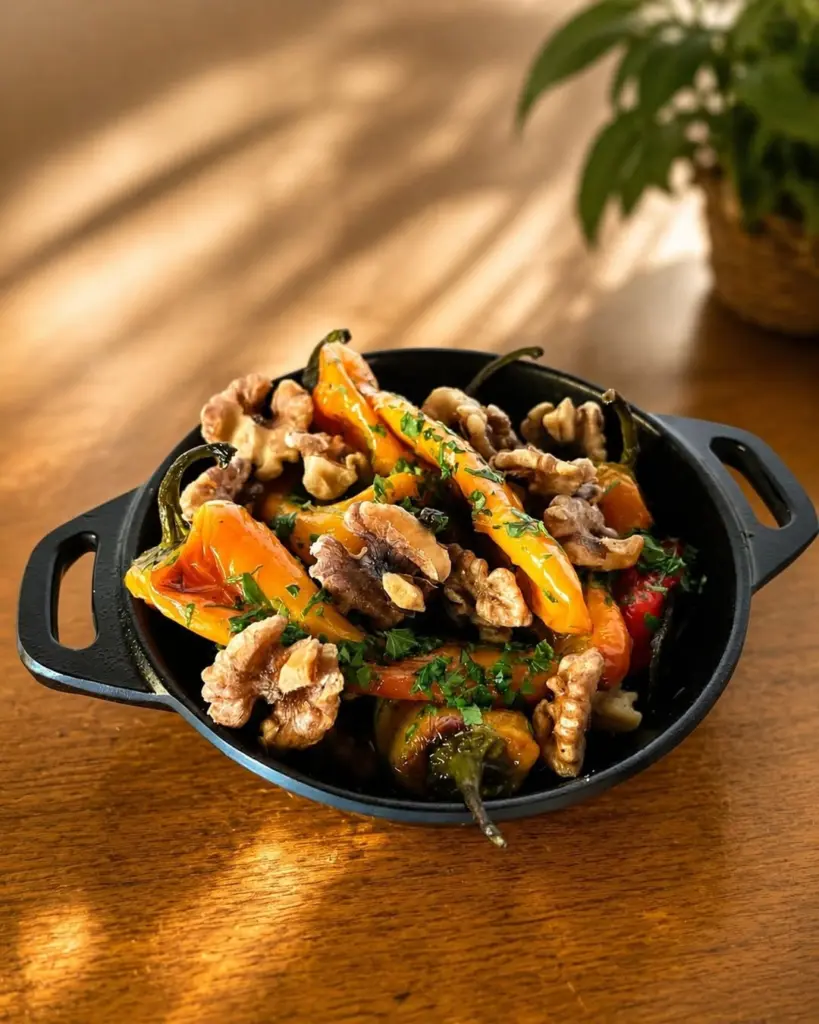
Several seasonal tasting menu dishes follow the same approach. Roasted leeks arrive with muhammara, cucumber is paired with labneh, green peas, and anchovy, while courgette schnitzel appears with walnuts, chilli cheese, and peppers. The combinations feel inventive without becoming overly technical.
Salads also receive more attention than expected. The Bulgarian salad combines tomato, cucumber, peppers, olives, oregano, and grated feta in a sharper, more herb-driven style than the classic Greek version, while other seasonal plates bring together spinach, kiwi, feta, herbs, and spring vegetables.
Signature Mains and Larger Plates
The larger dishes continue the same balance of comfort and originality.
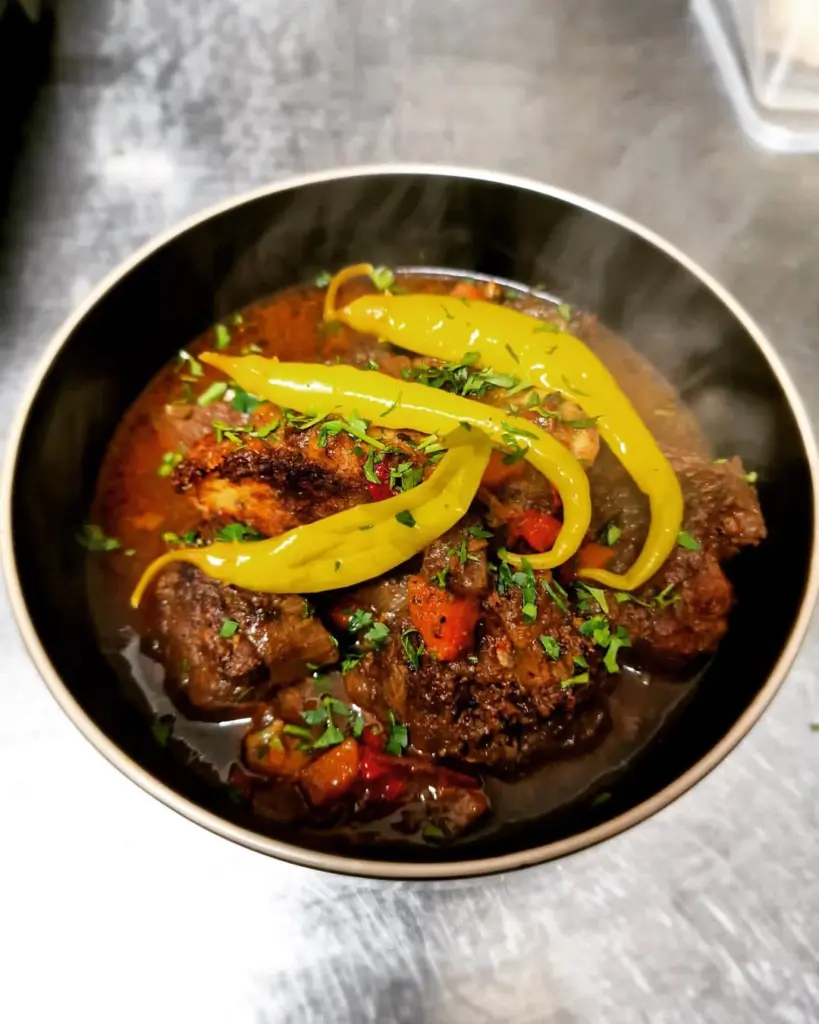
The lamb kleftiko is one of the strongest examples of the restaurant’s Eastern Mediterranean direction. Slow-roasted lamb leg arrives with bulgur, tzatziki, zhoug, and pickled cabbage, combining richness with enough acidity and spice to keep the dish feeling light.
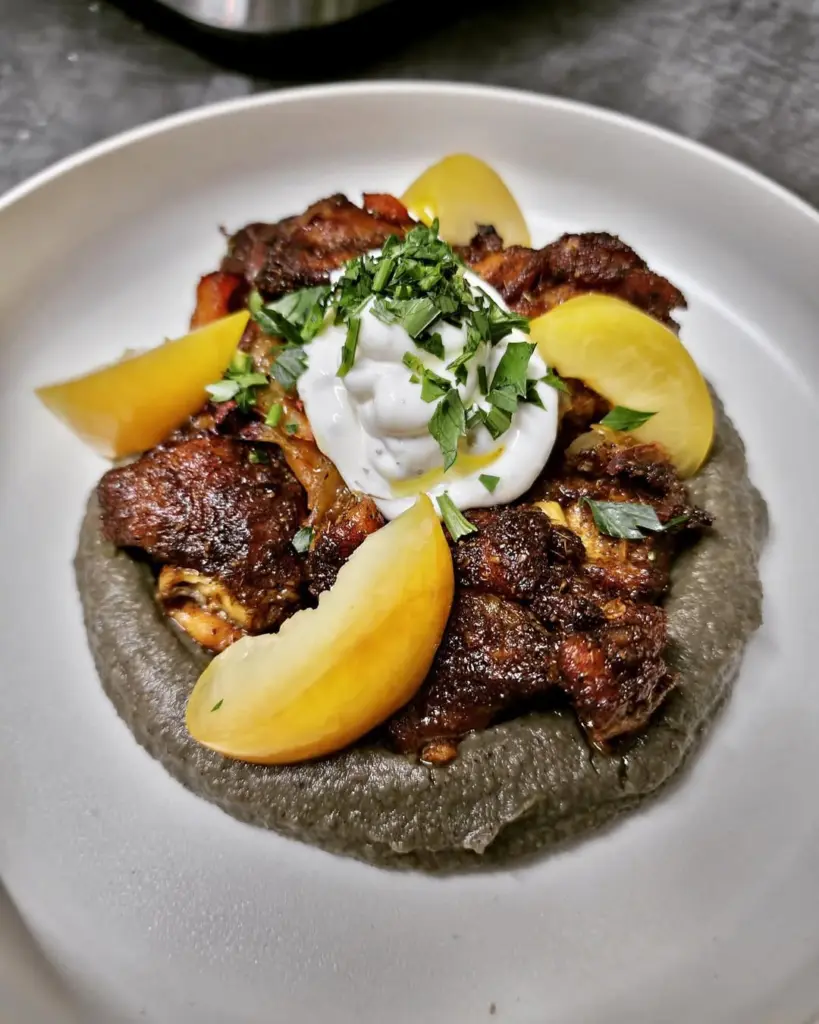
Chicken souvlaki follows a similar route, served with Greek-style skewers, bulgur, pickled onion, and cooling tzatziki. Elsewhere, Moroccan chicken appears with strawberries, spinach, and feta in one of the more unexpected flavour combinations on the menu.
Seafood dishes tend to lean brighter and fresher. Mediterranean hake has previously appeared with walnut gremolata, roasted potatoes, and crispy onions, while seasonal tasting menus have included roasted hake with grilled fennel, raspberry, and ginger sauce.
Vegetarian mains are treated with equal attention. The veggie moussaka layers lentil bolognese, potato, béchamel, egg, cheese, and tzatziki into something far more refined than the heavy versions often associated with the dish. The traditional Bulgarian gyuveche, baked with tomato, peppers, onion, feta, and egg, brings a more rustic feel to the table.
Even the braised cabbage stands out. Roasted with miso, sesame, chilli cheese, hazelnuts, and jamón, it delivers deep savoury flavour while still feeling balanced enough to sit comfortably beside the lighter dishes on the menu.
Desserts and Late-Evening Cocktails
Desserts keep the same slightly playful tone as the rest of the menu.
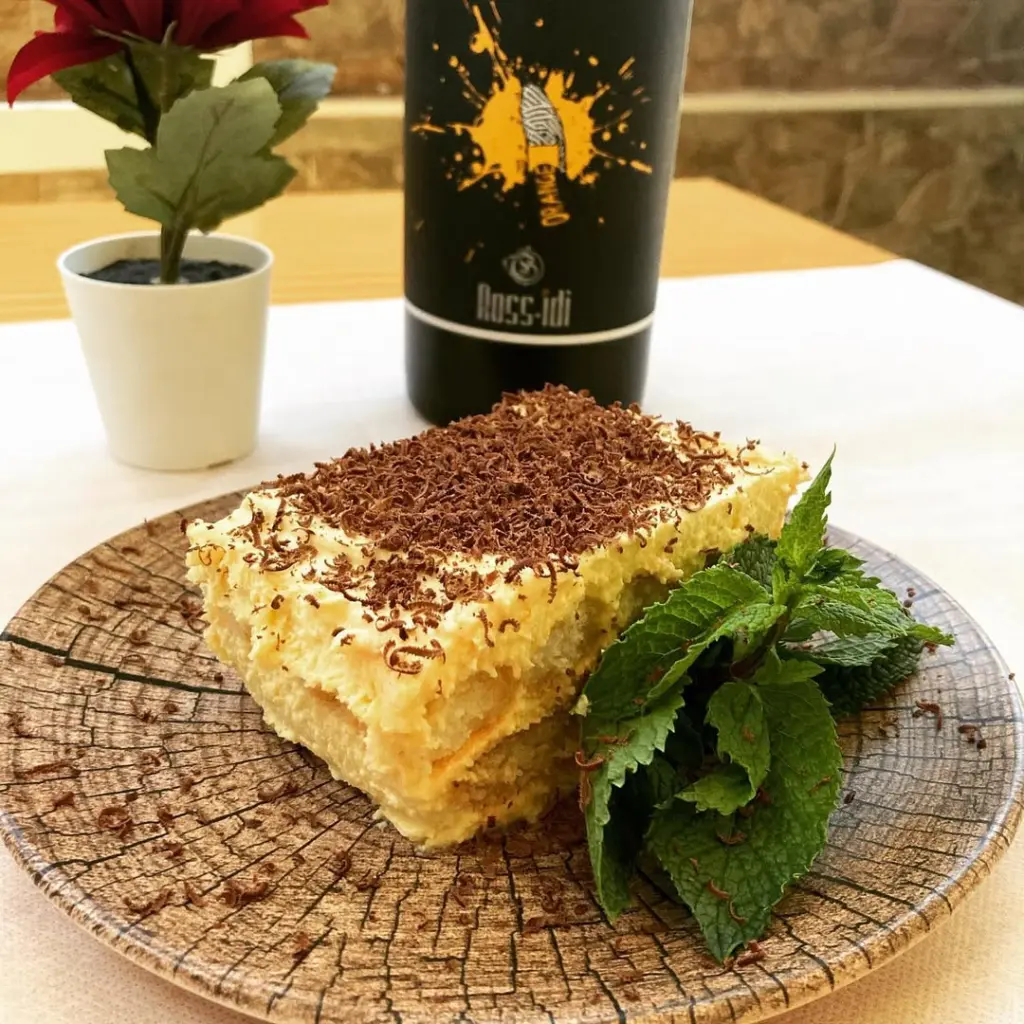
The baklava comes layered with pistachios and walnuts before being paired with mascarpone ice cream, while the deconstructed tiramisu combines affogato, sponge cake, mascarpone ice cream, coffee, and amaretto in a lighter reinterpretation of the classic dessert.
Seasonal tasting menus occasionally introduce dishes like buffalo yoghurt with blueberry jam and sumac, or lime sorbet finished with basil oil and preserved lemon.
Cocktails are equally central to the experience. Gimlet leans heavily into twisted classics, lighter spritz-style drinks, and fruit-forward combinations, while the organic wine list complements the menu’s sharper flavours particularly well.
A Restaurant That Feels Personal
Part of Gimlet’s appeal comes from how independent it feels within the wider La Manga Club resort. Service is attentive without becoming rehearsed, and the smaller scale of the restaurant allows dinners to feel noticeably more personal than many larger resort venues nearby.
Staff are comfortable guiding diners through unfamiliar ingredients or wine pairings, and tasting menu evenings introduce an extra layer of interaction between kitchen and table. The overall atmosphere feels warm, relaxed, and quietly confident.
Where Gimlet Fits Within La Manga Club
La Manga Club has no shortage of dining options, from seafood-focused coastal restaurants to casual poolside terraces and livelier bars surrounding Bellaluz and Las Sabinas. Gimlet, though, occupies a more niche corner within the resort’s dining scene.
It suits diners looking for somewhere with a little more personality and originality without losing the relaxed atmosphere that makes La Manga Club so appealing in the first place.
For guests staying within the resort, it also provides a welcome contrast to the larger hotel restaurants and more traditional Mediterranean menus nearby.
A More Characterful Side of La Manga Club
Among La Manga Club’s growing restaurant scene, Gimlet LMC stands out for its confidence and individuality. The setting remains relaxed, the cooking feels genuinely thoughtful, and the menu avoids the predictability that often comes with resort dining. For those willing to move beyond the more familiar corners of Bellaluz, it is easily one of the most interesting tables within La Manga Club.
Location: Plaza de la Fuente. Bellaluz, 30389 Cartagena, Murcia, Spain