

All products are independently selected by our editors. If you buy something, we may earn an affiliate commission.
Cotswold Wildlife Park & Gardens has spent more than five decades establishing itself as one of the Cotswolds’ most rewarding attractions. Set within the historic Bradwell Grove Estate near Burford, it combines a traditional wildlife park with mature gardens, open parkland and a Victorian Manor House, creating a day out that feels distinctly different from many modern zoos.
The setting shapes the experience as much as the animals. Wide lawns, centuries-old trees and thoughtfully landscaped enclosures encourage a slower pace, with long views across the estate replacing the tighter layouts found elsewhere. Whether visiting for the wildlife, the gardens or simply a day outdoors, there is a relaxed rhythm suited to the surroundings.
A Historic Estate Reimagined as a Wildlife Park
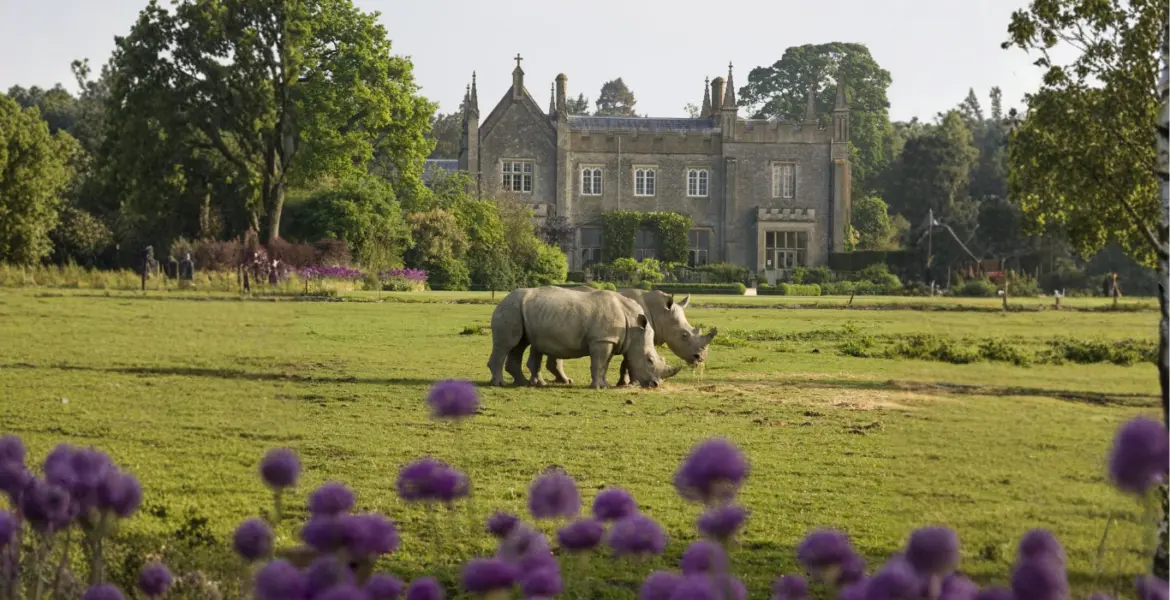
At the heart of the park stands the Grade II*-listed Manor House, built in the early nineteenth century and surrounded by more than 160 acres of landscaped grounds. Rather than serving as little more than a backdrop, the estate forms an integral part of the visitor experience, with architecture, horticulture and wildlife sitting naturally alongside one another.
Since opening in 1970, Cotswold Wildlife Park has remained independently owned and developed with an emphasis on spacious, naturalistic habitats. Many enclosures rely on ha-has, lakes and mature planting rather than prominent fencing, preserving open views while providing generous space for the animals. The result often feels closer to exploring a country estate than following a conventional zoo route.
Although there is a suggested circuit, the park rewards wandering. Woodland paths, lakeside walks and expansive paddocks create plenty of opportunities to pause, revisit favourite exhibits and enjoy the landscape between encounters with the animals.
Animal Experiences Across the Park
Home to more than 260 species, the collection is extensive without feeling overwhelming. The spacious layout gives each area room to breathe, making it easy to spend time observing the animals rather than moving from one enclosure to the next.
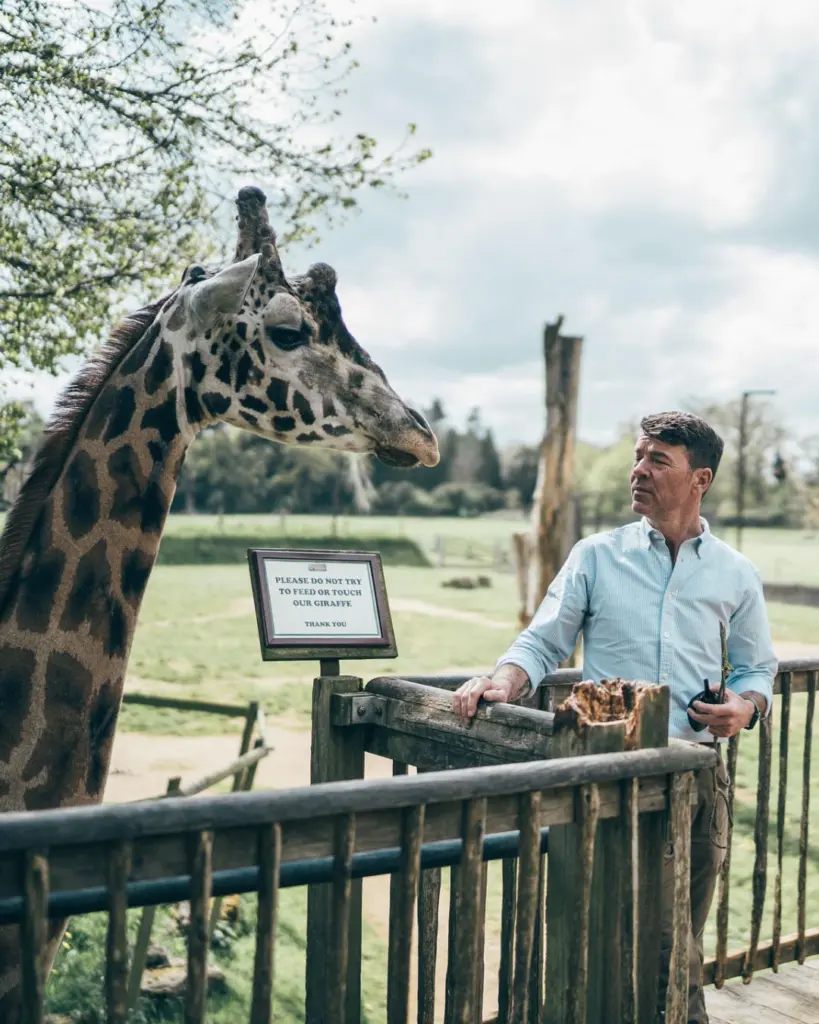
Many visitors begin with the large African paddocks, where white rhinos, Chapman’s zebras, Rothschild’s giraffes and ostriches occupy expansive surroundings that mirror the estate’s openness. Seeing giraffes moving across the landscape with the Manor House in the background remains one of the park’s defining views.
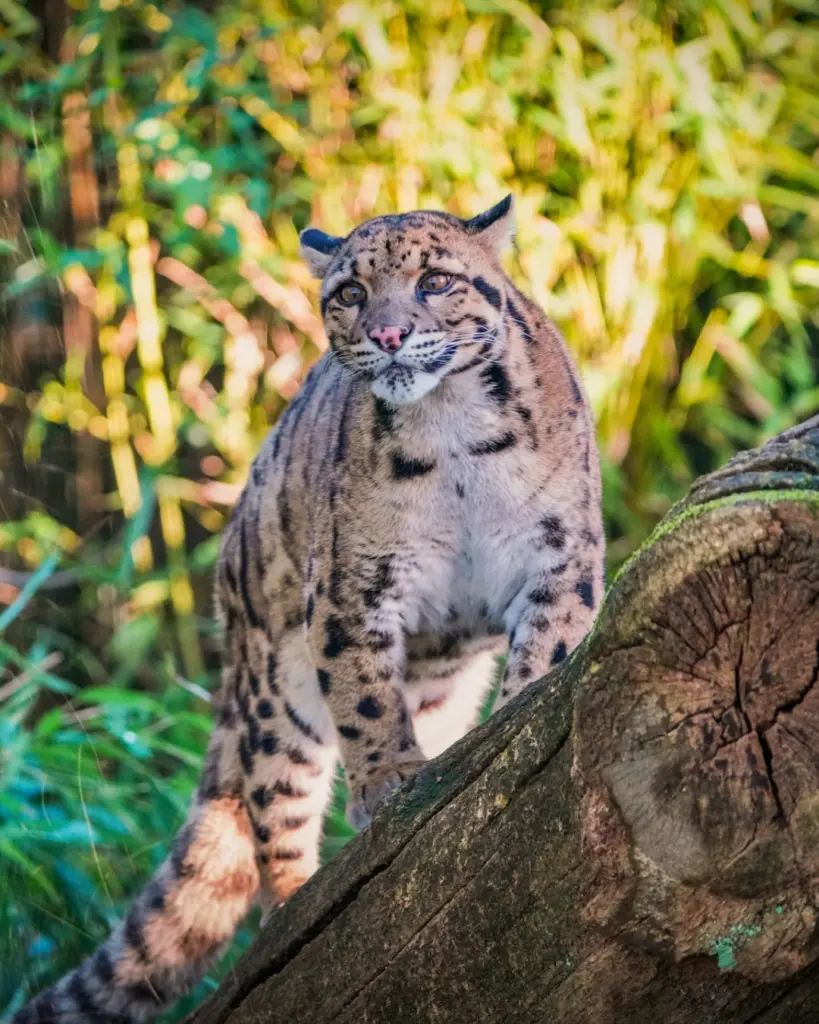
Elsewhere, the carnivore collection includes Asiatic lions, clouded leopards and wolverines, while giant anteaters add another species rarely encountered in many UK wildlife parks. The red pandas continue to be among the park’s best-known residents, with a wooded enclosure that makes full use of mature trees and climbing structures.
Primates feature prominently throughout the grounds. Ring-tailed lemurs roam freely within the Madagascar walkthrough, allowing close but carefully managed encounters along dedicated pathways. Nearby, crowned sifakas, one of the world’s rarest primates, share the spotlight with colobus monkeys, siamangs and several other species housed in thoughtfully designed environments.
Indoor exhibits add further variety. The Reptile House showcases snakes, lizards and crocodilians, while the Bat Belfry allows fruit bats to fly freely overhead. In the Tropical House, lush planting creates a humid environment for free-flying birds and two-toed sloths, providing a welcome change of pace between the larger outdoor habitats.
Humboldt penguins remain one of the park’s most popular attractions, particularly during scheduled feeding sessions. Elsewhere, meerkats, Asian small-clawed otters, capybaras, Brazilian tapirs and giant tortoises ensure there is always something new to discover, regardless of how many times the park has been visited.
A Garden Worth Exploring in its Own Right
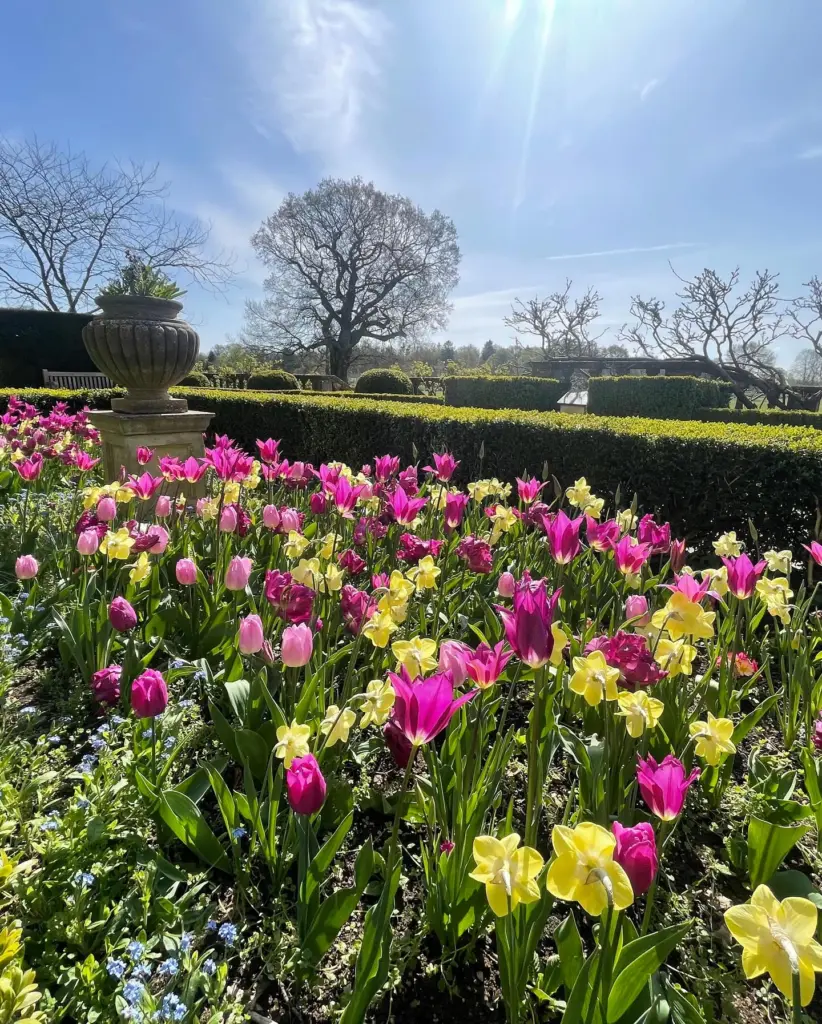
Although the wildlife naturally draws most visitors, the gardens have long been one of the park’s defining strengths. Many visitors arrive expecting a traditional zoo and spend almost as much time exploring the landscape itself.
Spring brings thousands of tulips, daffodils and flowering bulbs, while summer introduces colourful herbaceous borders, mature roses and vibrant planting around many of the animal habitats. Autumn brings another transformation as established maples, beeches and ornamental trees turn rich shades of amber and crimson.
The Walled Garden provides a quieter corner away from the busiest paths, while sweeping lawns, ornamental lakes and specimen trees encourage a slower pace between exhibits. The planting enhances many enclosures, helping them blend naturally into the wider landscape and reinforcing the estate’s character.
Dining and Refreshments
The Oak Tree Restaurant is the park’s main dining venue, serving hot meals, sandwiches, snacks, children’s options and homemade cakes in a spacious setting with indoor and outdoor seating.
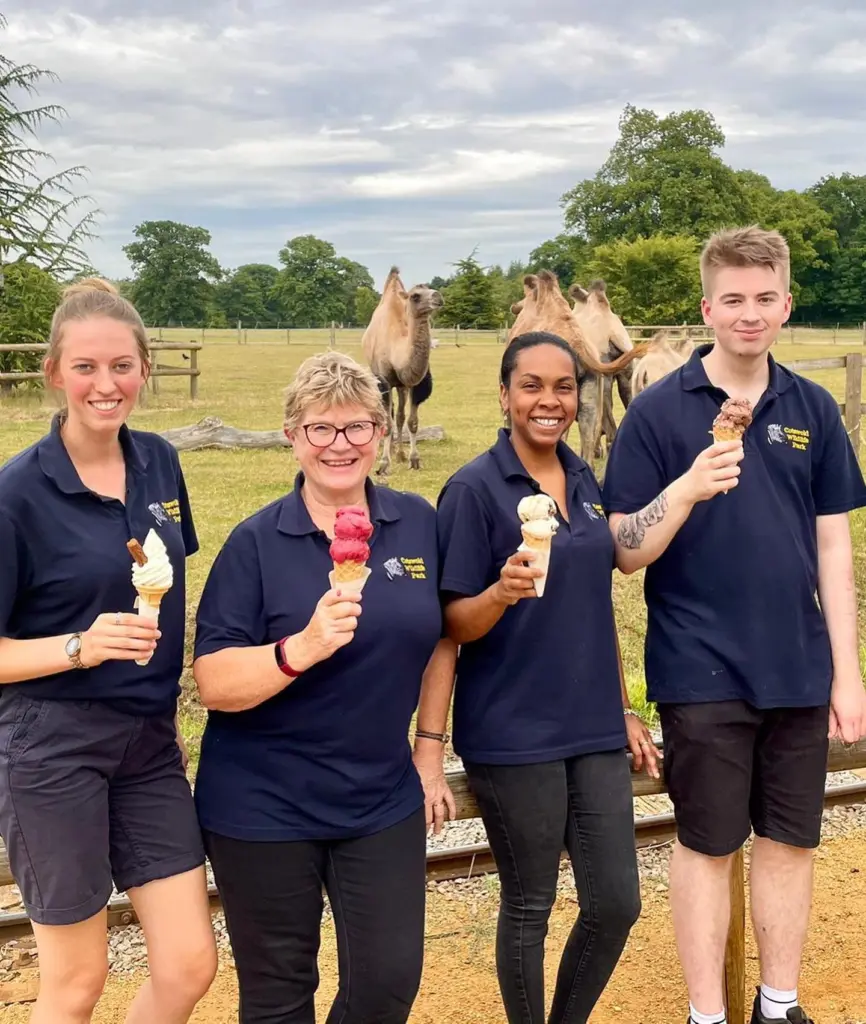
Smaller cafés and kiosks are positioned throughout the grounds for coffee, ice cream and lighter refreshments, with additional outlets opening during busier periods. Visitors are equally welcome to bring their own food, and the extensive picnic lawns offer plenty of space to stop beneath the estate’s mature trees.
Beyond the Animal Enclosures
Several additional attractions help turn a visit into a full day out.
The narrow-gauge railway travels through part of the estate, passing open paddocks and landscaped gardens while offering a different perspective on the grounds. It provides a welcome break before continuing on foot.
Skymaze, one of the UK’s largest adventure playgrounds, features climbing towers, bridges, slides and play areas designed for children of different ages. Its generous size allows families to spend plenty of time here without feeling crowded.
For those looking for a more immersive experience, keeper-led animal encounters offer closer access to species including giraffes, rhinos and giant tortoises while providing insight into their care, feeding routines and the park’s wider conservation work. Daily keeper talks and feeding demonstrations also help visitors learn more about the animals throughout the day.
Planning a Visit
Located just outside Burford, Cotswold Wildlife Park fits easily into a wider Cotswolds itinerary. Extensive free parking and largely level pathways make the grounds accessible for wheelchairs and pushchairs.
A full day allows enough time to explore the wildlife, gardens, railway and playground without rushing. Spring and early summer showcase the gardens at their most colourful, while weekdays outside school holidays generally provide a quieter experience.
Booking online is advisable during weekends, bank holidays and school holidays, particularly when seasonal events are taking place. Arriving early also helps avoid the busiest periods around the park’s most popular exhibits.
A Standout Wildlife Attraction in the Cotswolds
Cotswold Wildlife Park offers far more than a collection of animal exhibits. Its historic estate, mature gardens and thoughtfully designed habitats create an experience that rewards a slower pace, with the landscape contributing as much to the visit as the wildlife itself.
Combined with spacious grounds, a diverse collection of species and well-planned visitor facilities, it remains one of the Cotswolds’ most rewarding attractions for families, couples and anyone looking to spend a full day exploring the region.
Location: Bradwell Grove, Burford OX18 4JP