

All products are independently selected by our editors. If you buy something, we may earn an affiliate commission.
Once a year, the streets of Monte Carlo become the setting for one of the most recognisable spectacles in world sport. The Monaco Grand Prix occupies a singular position within Formula 1, combining a historic street circuit with the glamour of the French Riviera, the prestige of the Principality, and a social calendar that extends far beyond the racing itself. First held in 1929, the event remains one of the most coveted weekends in international motorsport.
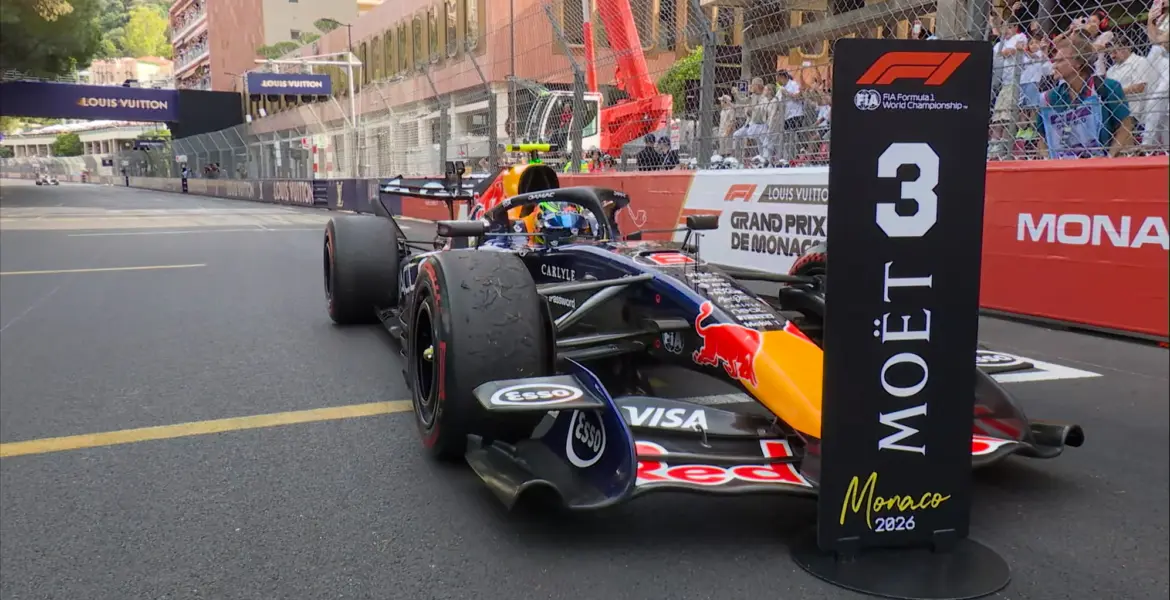
For 2026, the Formula 1 Louis Vuitton Grand Prix de Monaco takes place from 4 to 7 June, marking a shift from its traditional late-May slot. The change places Monaco at the beginning of the European season while preserving everything that has made the race an enduring fixture of the Formula 1 calendar.
A Circuit Like No Other
The Circuit de Monaco is unlike any other venue in Formula 1. Winding through the streets of Monte Carlo and La Condamine, the track passes landmarks that have become synonymous with the sport, including Casino Square, the Fairmont Hairpin, the tunnel beneath the Fairmont Monte Carlo, and the harbourfront section around Port Hercule.
At 3.337 kilometres in length, it is the shortest circuit on the Formula 1 calendar. The race itself covers 78 laps and remains one of the slowest events of the season, yet it is also among the most demanding. The narrow layout leaves little margin for error, and overtaking opportunities are limited, placing extraordinary emphasis on precision and concentration.
Qualifying often carries greater significance here than at many other Grand Prixs. Recent Monaco races have repeatedly demonstrated the value of track position, with pole position frequently providing the clearest route to victory.
The Prestige Of Winning Monaco
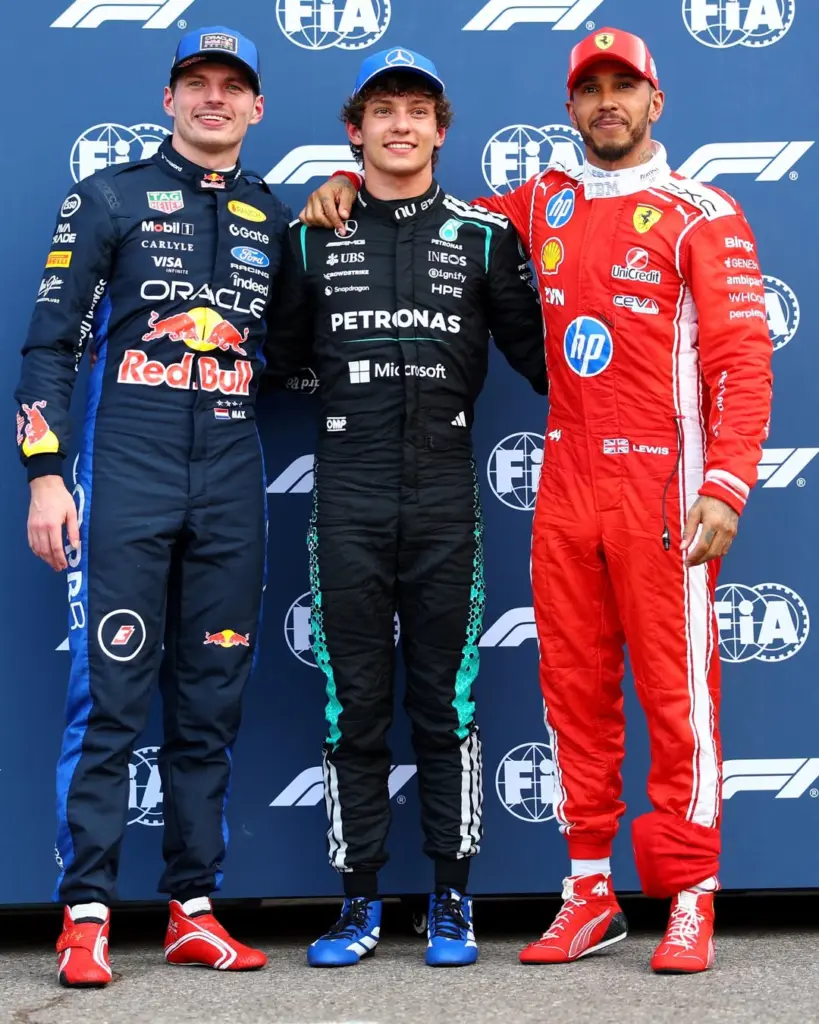
For drivers, victory in Monaco carries a weight that extends beyond championship points. The race is often regarded as one of the defining achievements in motorsport, with legends such as Ayrton Senna, Lewis Hamilton, and Max Verstappen among those who have added their names to its roll of honour. Senna remains the event’s most successful driver with six victories.
Part of Monaco’s enduring appeal lies in its history. While Formula 1 has expanded into new markets and purpose-built venues around the world, Monaco remains largely unchanged. Drivers continue to thread modern racing machinery through streets originally designed for everyday traffic, creating a challenge that feels remarkably authentic even within contemporary Formula 1.
When The Principality Takes Centre Stage
Race weekend transforms Monaco into one of the most exclusive destinations in Europe. Visitors arrive not only for Formula 1 but also for the broader social atmosphere that surrounds it.
Port Hercule becomes a floating collection of superyachts. Private terraces overlooking the circuit host receptions throughout the weekend. Luxury watchmakers, fashion houses, automotive brands and private banks entertain clients across Monte Carlo’s hotels, villas and waterfront venues. The result is a gathering that attracts collectors, entrepreneurs, athletes, celebrities and international travellers alongside dedicated motorsport enthusiasts.
Even away from the circuit, there is a sense that the entire Principality is participating in the event. Cafés, beach clubs, hotels and restaurants remain busy from morning until late evening, creating an atmosphere unlike any other race on the calendar.
The Most Sought-After Places To Watch
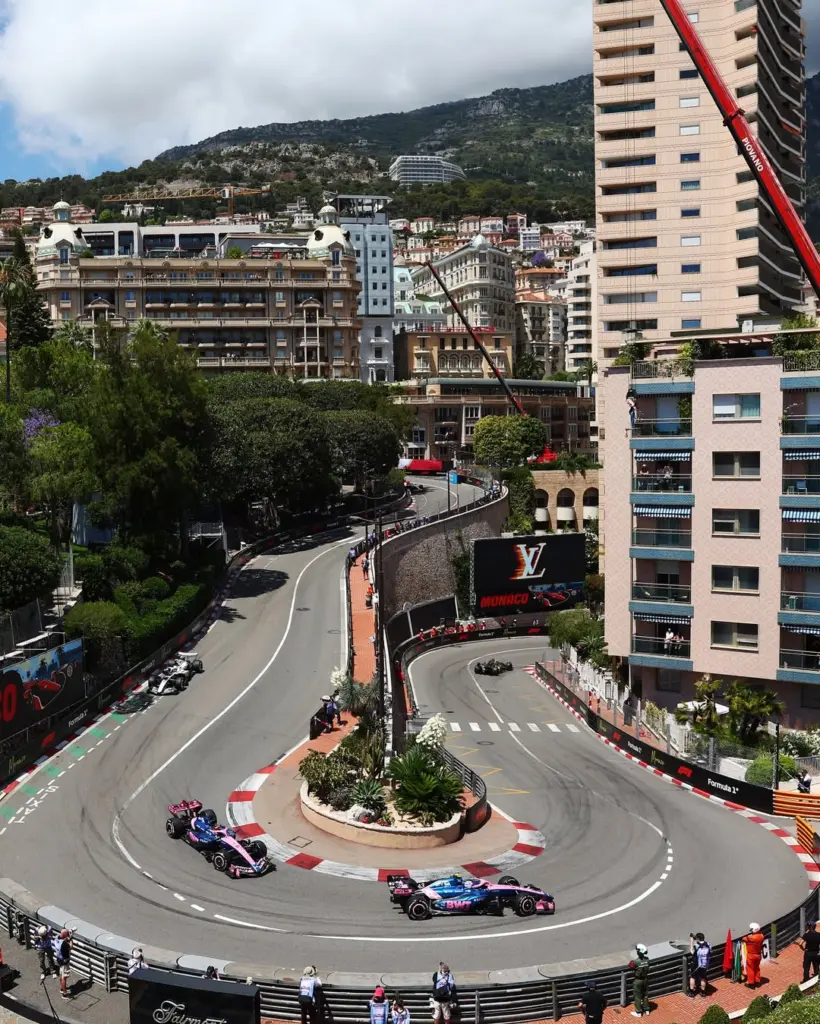
One of Monaco’s greatest advantages is the variety of viewing experiences available across the city.
For many visitors, the ultimate vantage point remains a yacht moored within Port Hercule. Few sporting occasions place spectators so close to the action while simultaneously offering private dining, entertainment, and uninterrupted harbour views.
Trackside hospitality provides another elevated perspective. The Formula 1 Paddock Club, private terraces overlooking the harbour and exclusive viewing suites offer direct access to some of the circuit’s most dramatic sections while maintaining the comfort expected of a premier sporting event.
Grandstands remain a popular option, particularly around Casino Square, the Swimming Pool complex, and the harbourfront. Each section reveals a different aspect of the circuit’s character, from technical precision to high-speed commitment.
Private apartments overlooking the track are among the rarest opportunities of all. Many have remained within the same families for generations and are made available only during race week.
Monte Carlo’s Most Coveted Addresses
Accommodation becomes one of the weekend’s most valuable commodities, with reservations often secured many months in advance.
Among the most prestigious options is Hôtel de Paris Monte-Carlo, whose position overlooking Place du Casino places guests at the heart of the action. Nearby, Hôtel Hermitage Monte-Carlo offers a more understated atmosphere while remaining within walking distance of the circuit.
Fairmont Monte Carlo enjoys perhaps the most famous location of all, directly above the Fairmont Hairpin. Race-view rooms and terraces are among the most sought-after accommodations during Grand Prix week.
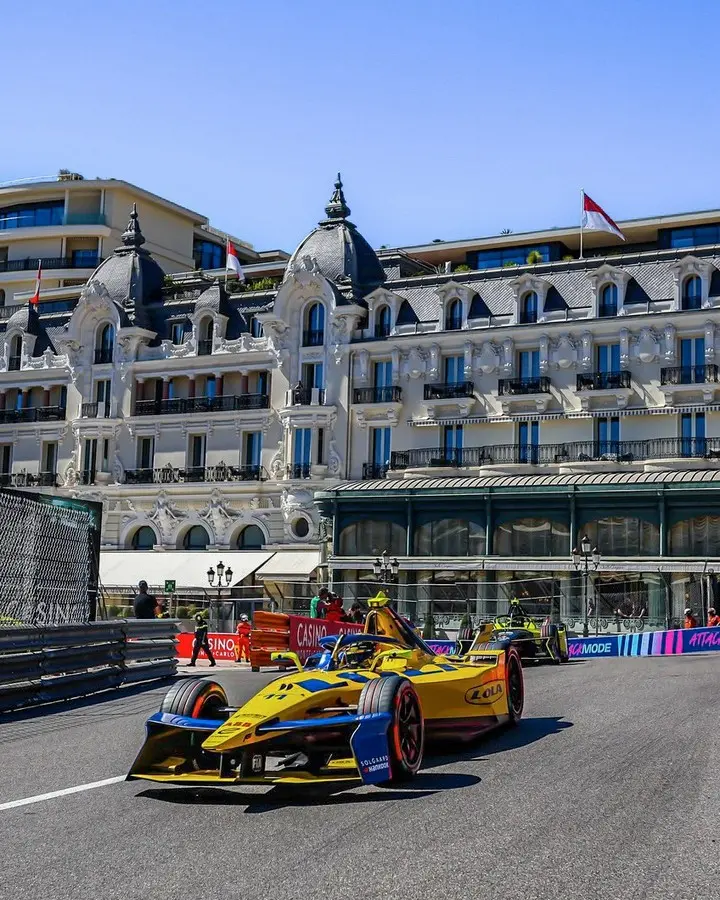
Further along the coast, Monte-Carlo Bay Hotel & Resort provides additional space and waterfront surroundings while remaining close to the circuit.
Many visitors also choose to stay in nearby destinations such as Cap-Ferrat, Cannes or Nice, travelling into Monaco each day.
Dining Between Sessions
Securing restaurant reservations can be almost as competitive as obtaining race tickets.
Among the Principality’s most celebrated tables is Le Louis XV – Alain Ducasse, whose reputation has long attracted an international clientele. Nearby, Pavyllon Monte-Carlo provides a contemporary approach to Riviera dining.
For harbourfront energy during race weekend, venues such as Amazonico Monte-Carlo and COYA Monte-Carlo become gathering points well into the evening.
Reservations are typically arranged months ahead, particularly for race day and the qualifying weekend.
Beyond The Circuit
Although Formula 1 dominates the schedule, Monaco rewards visitors who leave time to explore beyond the racing.
The historic Casino de Monte-Carlo remains one of the Principality’s defining landmarks. Nearby, One Monte-Carlo and the boutiques surrounding Place du Casino offer access to many of the world’s leading luxury maisons.
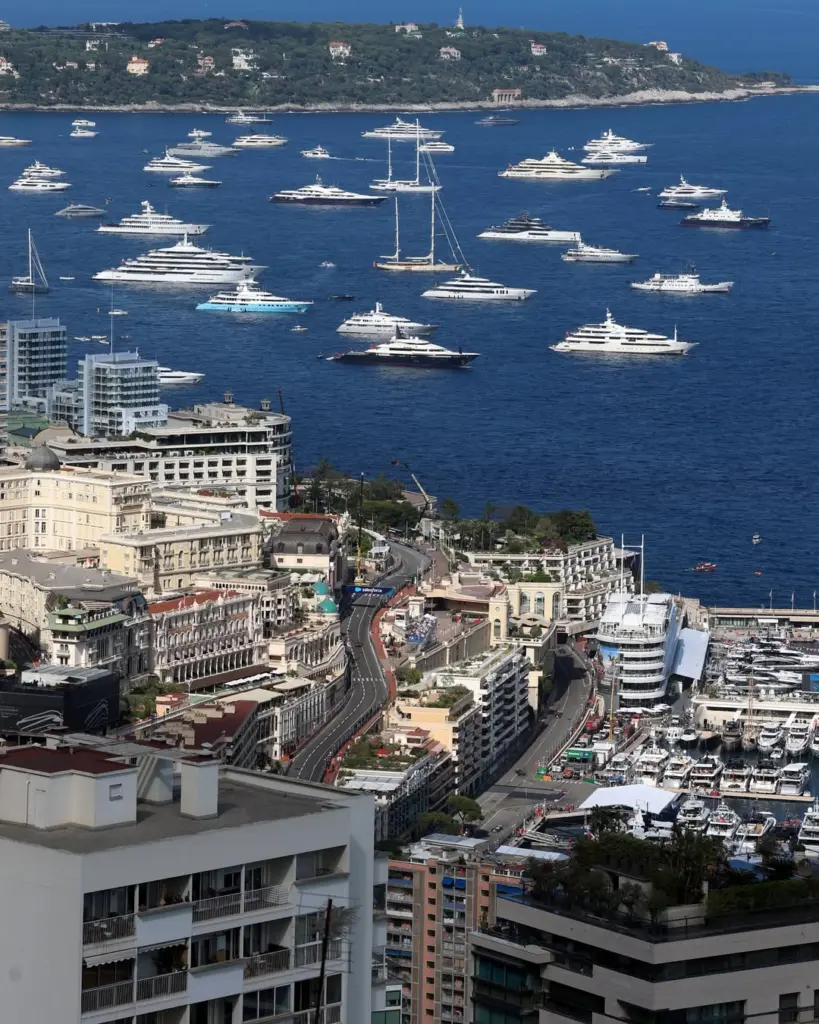
The coastline itself provides another dimension to the destination. Private yacht charters, coastal cruises and excursions along the Riviera reveal why Monaco remains one of Europe’s most enduring luxury destinations long after the chequered flag has fallen.
Extending The Riviera Experience
Many seasoned visitors treat the Grand Prix as part of a broader Riviera itinerary.
The medieval village of Èze offers panoramic views over the Mediterranean, while Saint-Jean-Cap-Ferrat remains one of the region’s most exclusive enclaves. Cannes and Nice provide further opportunities for dining, shopping and coastal exploration.
Adding a few extra days before or after the race allows travellers to experience the Riviera at a more leisurely pace while still enjoying the excitement of Grand Prix week.
A Weekend That Defines Formula 1
Few sporting events possess the heritage, atmosphere, and global recognition of the Monaco Grand Prix. The challenge of the circuit, the beauty of the setting and the concentration of exceptional hospitality combine to create a weekend that remains unmatched within Formula 1.
For many visitors, the race itself is only part of the appeal. Monaco offers the opportunity to experience one of the world’s most famous destinations at its most vibrant, with the harbour, hotels, restaurants and terraces all contributing to a weekend that continues to occupy a unique place within the international luxury calendar.