

All products are independently selected by our editors. If you buy something, we may earn an affiliate commission.
Dining at Jean Imbert au Plaza Athénée offers a fresh perspective on French fine dining, one that looks to the country’s rich culinary past while remaining firmly rooted in the present. Set within the iconic Hôtel Plaza Athénée on Avenue Montaigne, the restaurant has become one of Paris’s most compelling gastronomic destinations, thanks to Jean Imbert’s thoughtful interpretation of historic recipes, regional traditions and the chefs who helped define French cuisine.
Rather than pursuing fleeting trends, the kitchen places its confidence in timeless techniques, exceptional produce and the stories behind every dish. The result is a dining experience that feels unmistakably French, combining impeccable craftsmanship with a genuine sense of heritage.
A Dining Room That Reflects Parisian Elegance
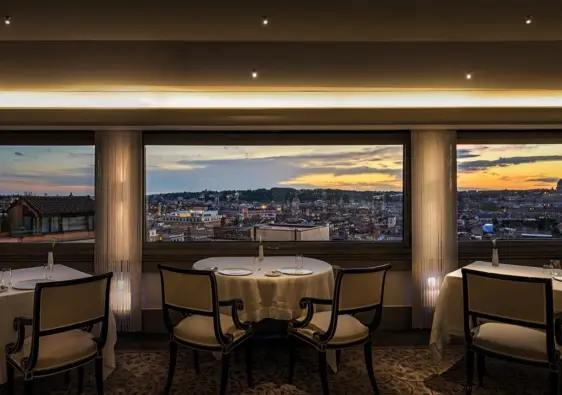
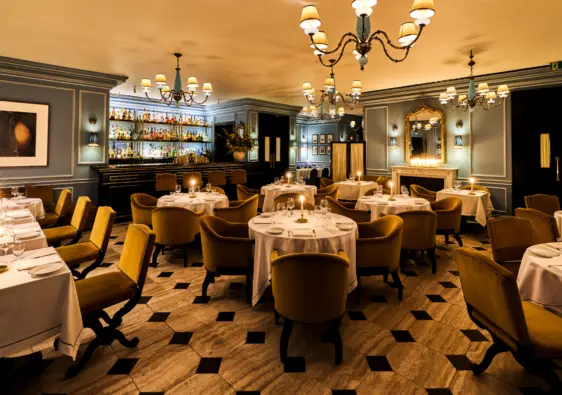
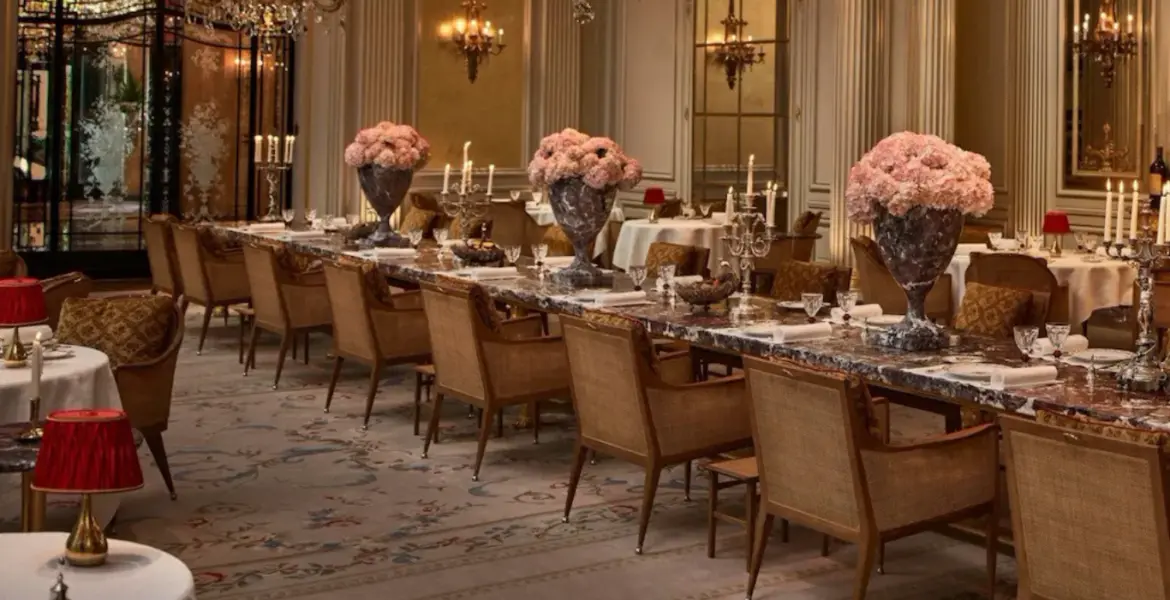
Stepping into the restaurant, there is an immediate sense of occasion without any hint of excess. Designed by Rémi Tessier, the dining room balances rich textures with understated sophistication. Warm lighting softens the room, while intricate detailing and carefully chosen materials create an atmosphere that feels intimate despite its grandeur.
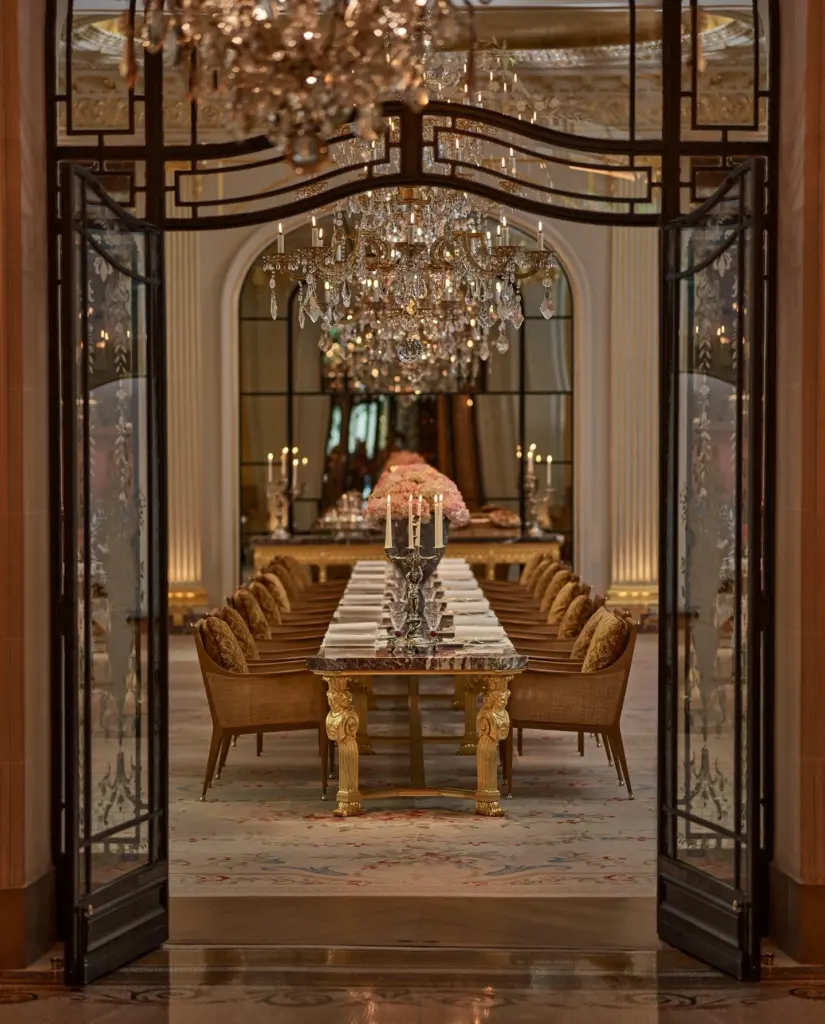
At its centre sits the striking Royal Table, carved from a single block of pink Breccia marble. It has become one of the restaurant’s defining features, offering a dramatic focal point while reinforcing the sense that every element has been considered with care.
Its location within Hôtel Plaza Athénée also adds to the experience. Positioned just moments from the luxury boutiques of Avenue Montaigne, lunch or dinner here naturally becomes part of a wider day exploring one of Paris’s most prestigious neighbourhoods.
French Culinary Heritage Reimagined
Jean Imbert has built the restaurant around a simple but ambitious idea: celebrating the history of French cuisine through recipes that have shaped generations of chefs. The influence of culinary figures such as Antonin Carême, Auguste Escoffier and Jules Gouffé is woven throughout the menu, with every course drawing on traditional techniques while feeling perfectly suited to contemporary dining.
Rather than recreating historical dishes exactly as they once appeared, the kitchen refines them with modern precision. Many courses are accompanied by short historical notes explaining their origins, adding another layer to the experience without interrupting the natural rhythm of the meal.
It is a thoughtful approach that rewards diners who enjoy learning as much as tasting, making each course feel connected to a much broader culinary tradition.
Theatre at the Table
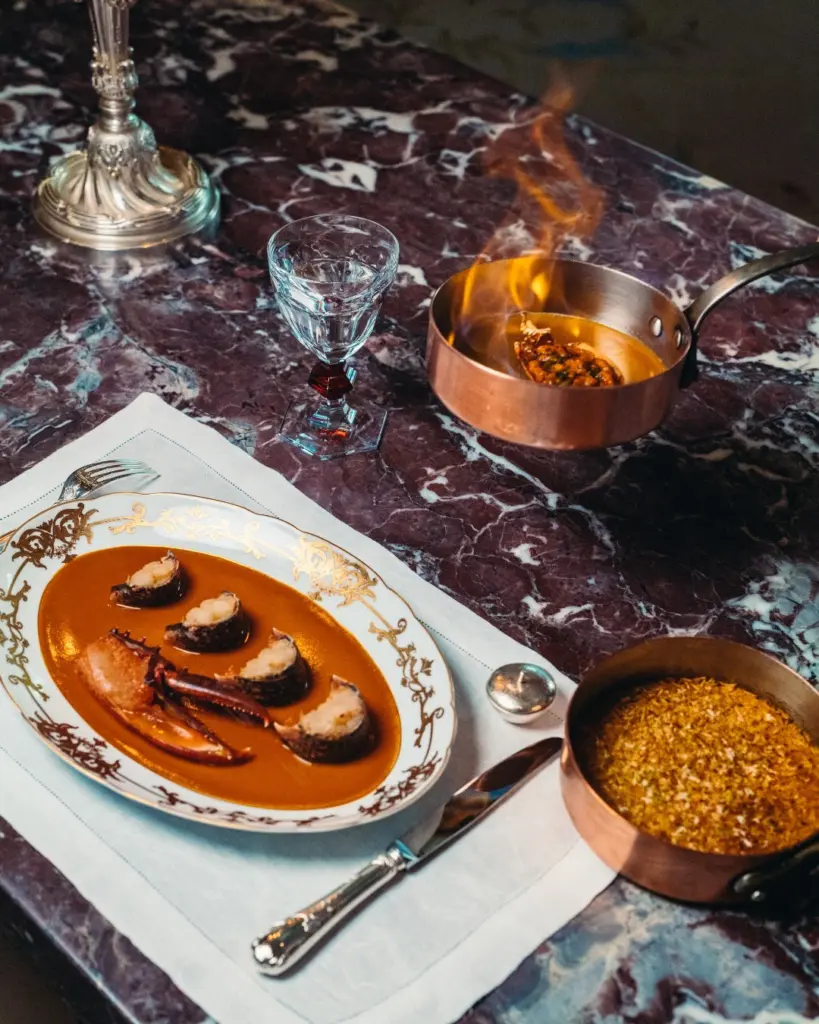
Classic French service remains an important part of the restaurant’s identity. Several dishes receive their finishing touches beside the table, allowing the brigade to demonstrate techniques that have gradually disappeared from many modern dining rooms.
The pacing is equally well judged. Courses arrive with confidence rather than haste, giving each dish space to be appreciated before the next chapter unfolds. Service under the direction of Denis Courtiade is polished and attentive, yet remarkably natural, creating an atmosphere where guests feel looked after without ever feeling interrupted.
A Menu Rooted in French Tradition
The menu reads almost like a journey through the history of French gastronomy, with each dish chosen as much for its heritage as its flavour.
Starters
Among the opening courses, the Parisian Langoustines pay tribute to the seafood once synonymous with the bustling markets of Les Halles. The Catherine de Medici Foie Gras revisits the classic chartreuse, layering vegetables to create a colourful, elegant starter inspired by Antonin Carême’s celebrated interpretation.
The Brioche Marie-Antoinette with Caviar offers one of the restaurant’s signature combinations, pairing delicately enriched brioche with caviar while referencing one of France’s most enduring royal legends. For something lighter, the Tomato and Lovage Tart with Pistachio Sorbet brings together seasonal produce with refreshing balance.
Main Courses
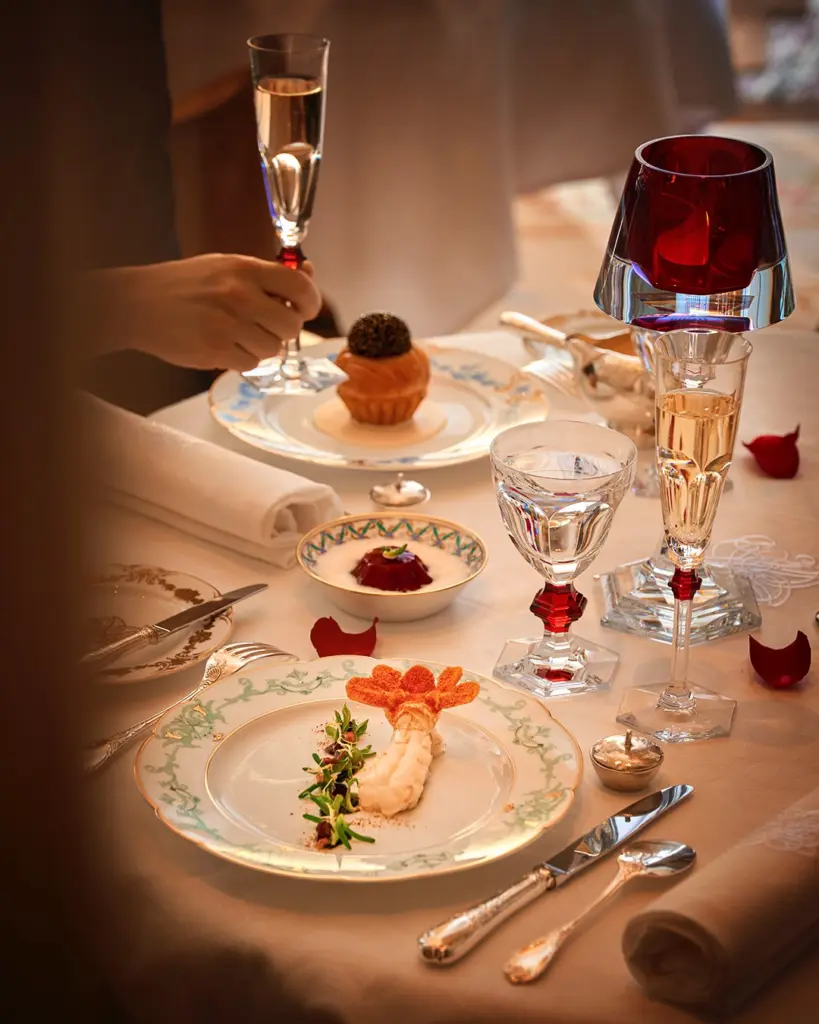
The main courses continue the historical narrative. The beautifully arranged French Garden celebrates the kitchen gardens and ornamental estates that have long supplied French country houses, bringing together seasonal vegetables, herbs and edible flowers.
Seafood enthusiasts may gravitate towards the Turbot Dieppoise, served for two and inspired by one of Normandy’s enduring culinary traditions, or the elegant Saffron Sea Bass with Green Beans. Those preferring meat can choose between Veal with Zucchini and Chanterelles, the Montmorency Pigeon, which references the famous cherry-growing region outside Paris, or the richly indulgent Chicken Nantua Way, finished in the classic style with crayfish and black truffle.
For those visiting at lunchtime, The Lunch by Jean provides a shorter introduction to the restaurant’s philosophy. The menu offers a choice of starters, followed by The French Garden, Turbot Dieppoise or Sweetbread with Zucchini and Chanterelles before dessert, making it an appealing option for guests seeking the experience within a more concise format.
Cheeses and Desserts
A carefully selected assortment of fresh and matured French cheeses bridges the savoury and sweet courses before the restaurant’s celebrated desserts take centre stage.
The Great Dessert showcases four creations served as a shared finale: Brittany Ice Cream, Cocoa Floating Island, Rhubarb Marigold Frozen Cup, and Honey and Pollen Fontainebleau. Each draws inspiration from a classic French recipe or regional speciality, continuing the historical narrative through to the final course. Those preferring a standalone dessert can opt for the restaurant’s caramelised brioche, a refined interpretation of one of France’s best-loved pastries.
Service That Defines the Experience
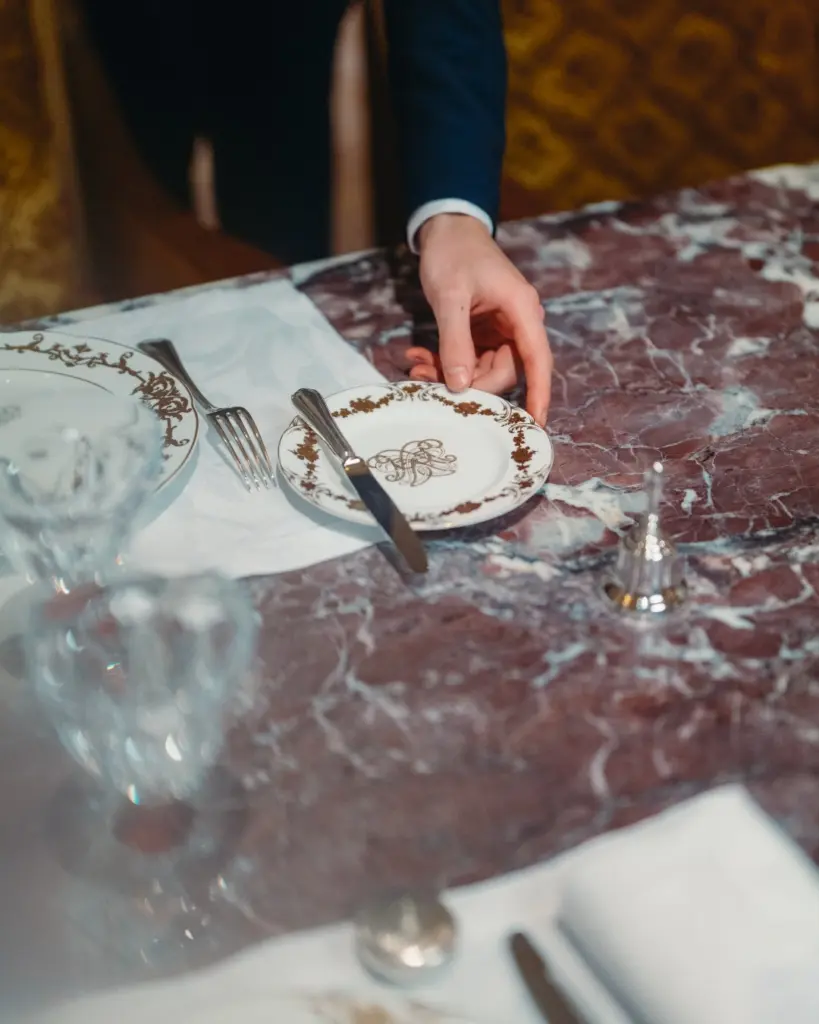
Dining here follows a distinctly classical rhythm. Tables are managed with quiet precision, courses are introduced confidently, and the attention to detail remains consistent from arrival until the final dessert.
The experience never feels hurried, allowing conversations to unfold naturally while giving every course the attention it deserves. That measured pace reinforces the restaurant’s philosophy, where hospitality is treated with the same importance as the cuisine itself.
An Exclusive Setting for Private Dining
For those marking a special occasion, the restaurant also offers Le Cabinet des Conspirateurs, an intimate private dining room that provides a more secluded experience while maintaining the same culinary standards. It is particularly well suited to milestone celebrations, discreet business dinners and small gatherings that call for exceptional food in an elegant setting.
A Standout Address for Classic French Fine Dining
Jean Imbert au Plaza Athénée succeeds because it remains focused on the fundamentals of exceptional hospitality. The surroundings are elegant, the service is quietly confident and the cuisine celebrates centuries of French culinary tradition without feeling trapped by it.
For travellers exploring Paris’s finest restaurants, it deserves its place among the city’s defining dining experiences. Those with an appreciation for classical French cuisine, thoughtful storytelling and impeccable service are likely to leave with the feeling that they have experienced something distinctly Parisian rather than simply another Michelin-starred meal.
Location: 25 Av. Montaigne, 75008 Paris, France