

All products are independently selected by our editors. If you buy something, we may earn an affiliate commission.
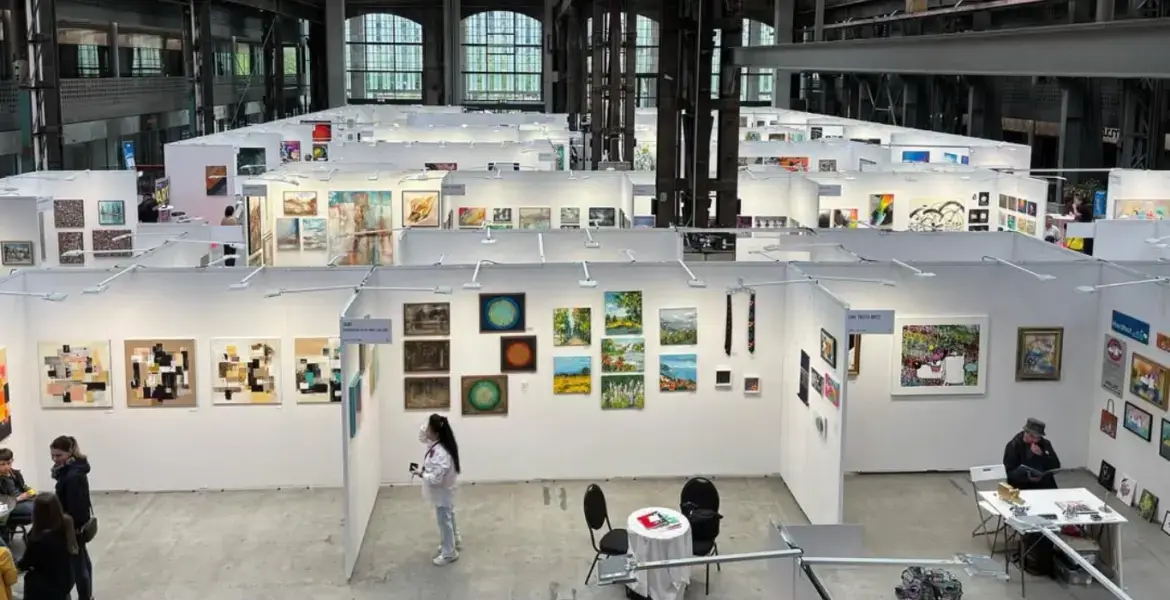
Set within one of Europe’s most composed and quietly affluent cities, Art International Zurich returns for its 28th edition from 8 to 10 May 2026, hosted at the industrially elegant Giessereihalle at Puls 5 in Zurich West. The setting shapes the experience from the outset, with its open volumes and raw architectural character lending the fair a more grounded, less performative tone.
From the first moments inside, the pace feels deliberate. You are not navigating crowds or moving between headline moments. You are given the space to look properly.
A Considered Position in the European Art Calendar
Art International Zurich holds a quieter but credible place within the European circuit. It sits comfortably alongside larger fairs such as Art Basel, yet offers an alternative that many seasoned collectors now seek out. The scale is manageable, the conversations more direct, and the overall experience more personal.
The fair draws a mix of European and international exhibitors, with a notable emphasis on contemporary art, emerging positions, and cross-cultural perspectives. For 2026, this global outlook remains part of the fair’s appeal, with galleries presenting contemporary work from Zurich, across Europe, and further afield.
Inside the Fair
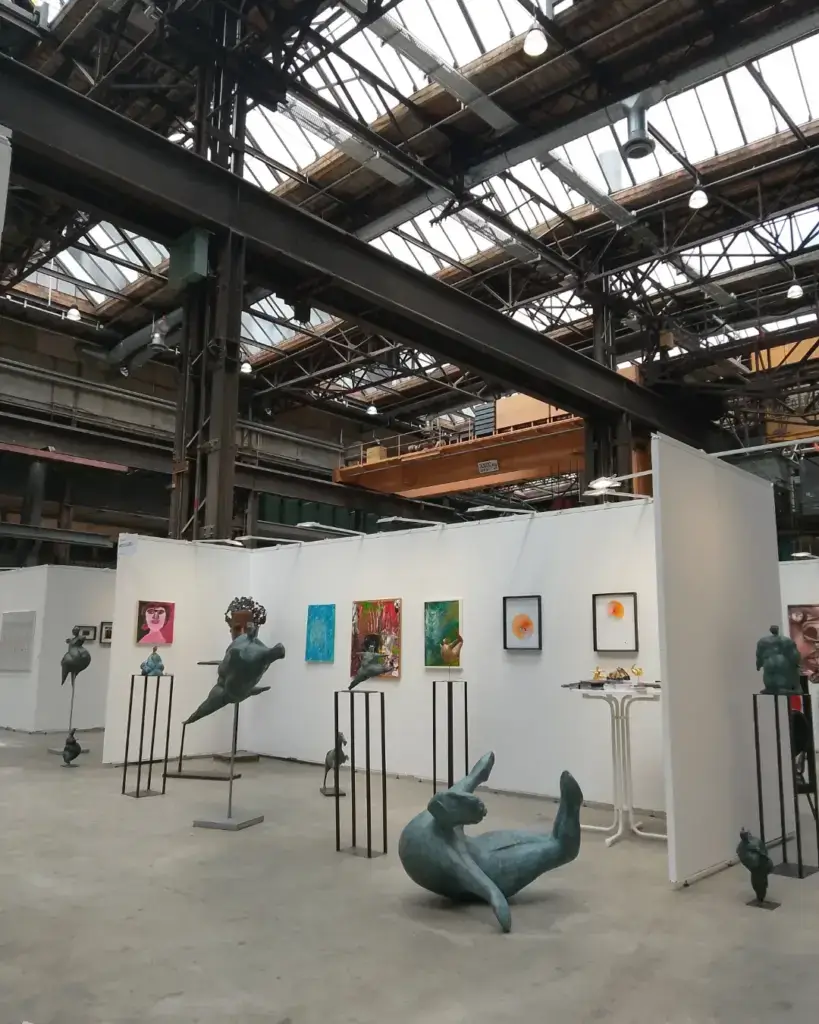
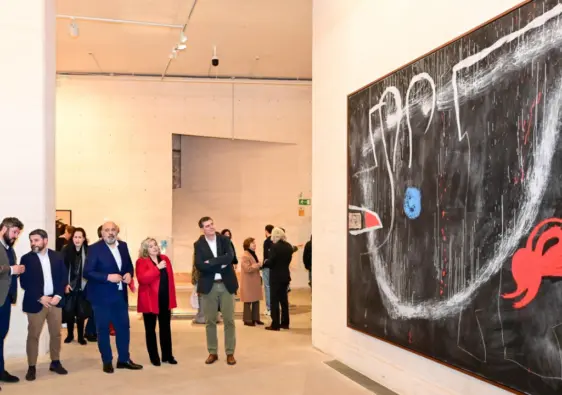
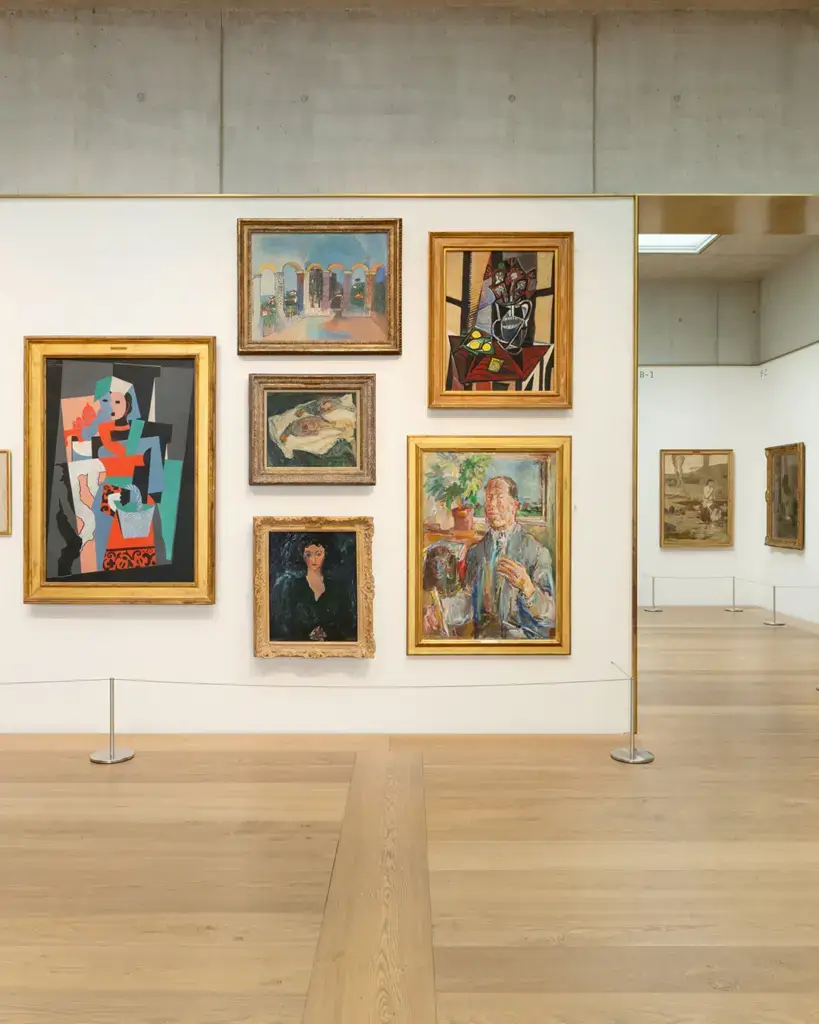
The Giessereihalle’s open-plan setting encourages a slower, more deliberate way of viewing. Sightlines remain clear, allowing larger works to hold their presence, while smaller presentations invite closer attention without distraction.
Art International Zurich brings together a mix of European and international galleries, including exhibitors presenting contemporary work from Asia. The balance leans towards accessible contemporary art, giving the fair a sense of discovery while remaining grounded.
Painting tends to lead, particularly figurative and abstract works suited to private collections, with sculpture and mixed media presented at a scale that feels considered rather than imposing. Photography and editioned works appear throughout, offering quieter entry points for newer collectors.
Galleries present their artists with clarity, often through focused solo hangs or tightly edited groupings, making it easier to understand an artist’s direction at a glance.
The Friday evening vernissage on 8 May introduces the fair at its most social. A return visit the following day allows for a more measured second look, with space to revisit works and continue conversations.
A More Personal Approach to Collecting
For collectors, the appeal lies in the ease of interaction. There is time to speak with gallerists, to understand the context behind works, and to revisit pieces without pressure.
The fair’s scale makes it especially useful for those who prefer to discover emerging artists in a setting that feels approachable rather than overwhelming. For those building or refining a collection, it offers a considered environment to look closely, ask questions, and return to pieces with clarity.
The Atmosphere Beyond the Booths
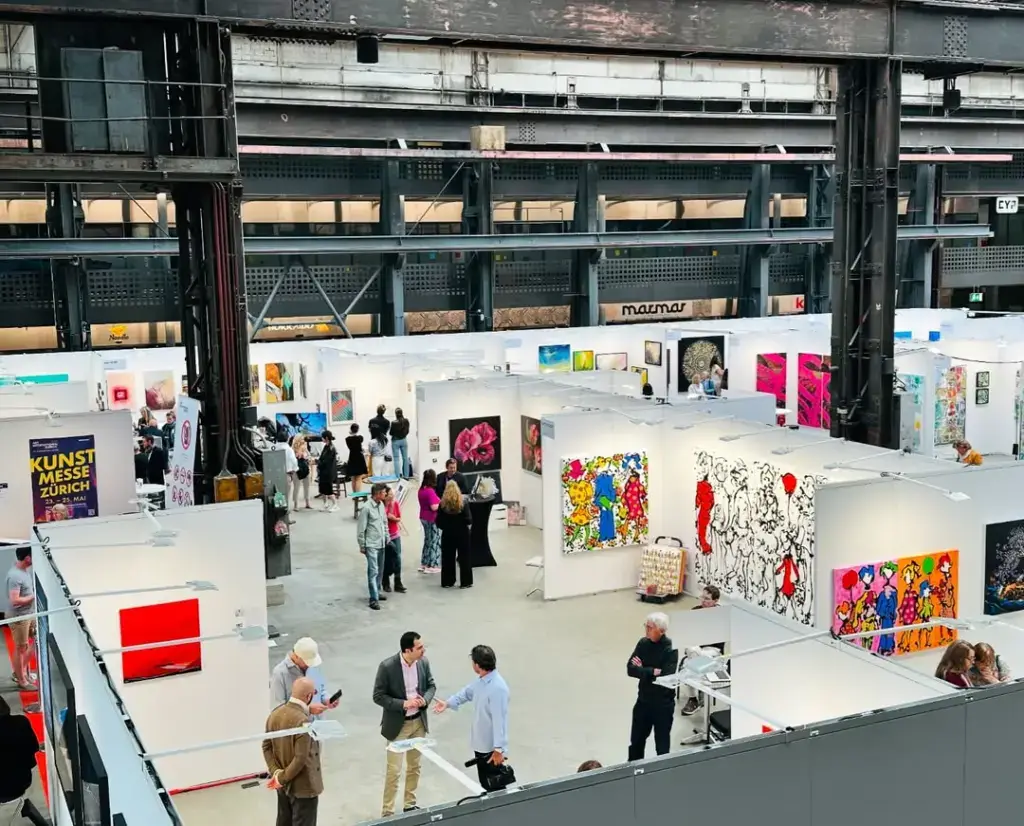
Zurich’s cultural rhythm complements the fair naturally. The crowd tends to be well-informed and understated, with collectors and art professionals often moving between the fair, private galleries and the city’s established institutions.
Evenings are best approached through well-chosen reservations or quiet cultural plans rather than expecting a large official after-hours programme. Zurich rewards a slower itinerary, particularly when the fair is paired with the lake, the Old Town, and the city’s gallery scene.
Where to Stay
Choosing the right base in Zurich shapes the entire visit. Baur au Lac remains one of the city’s most discreet addresses. Its lakeside setting and longstanding reputation for privacy make it particularly suited to collectors who prefer to move quietly. Rooms overlooking the gardens or Lake Zurich offer a sense of separation from the city’s pace.
For a more expansive stay, The Dolder Grand sits above the city with sweeping views and an extensive art collection integrated throughout the property. Its spa and larger suites make it well-suited to a longer, more restorative stay.
Closer to the Old Town, Widder Hotel offers a more design-led approach, with individually styled rooms set across historic townhouses. It works particularly well if you plan to move between the fair, galleries, and restaurants with ease.
While the venue sits in Zurich West, many visitors prefer the refinement of central or lakeside stays, with a short, chauffeured transfer to Puls 5 offering a more seamless rhythm to the day.
Dining Between Viewings
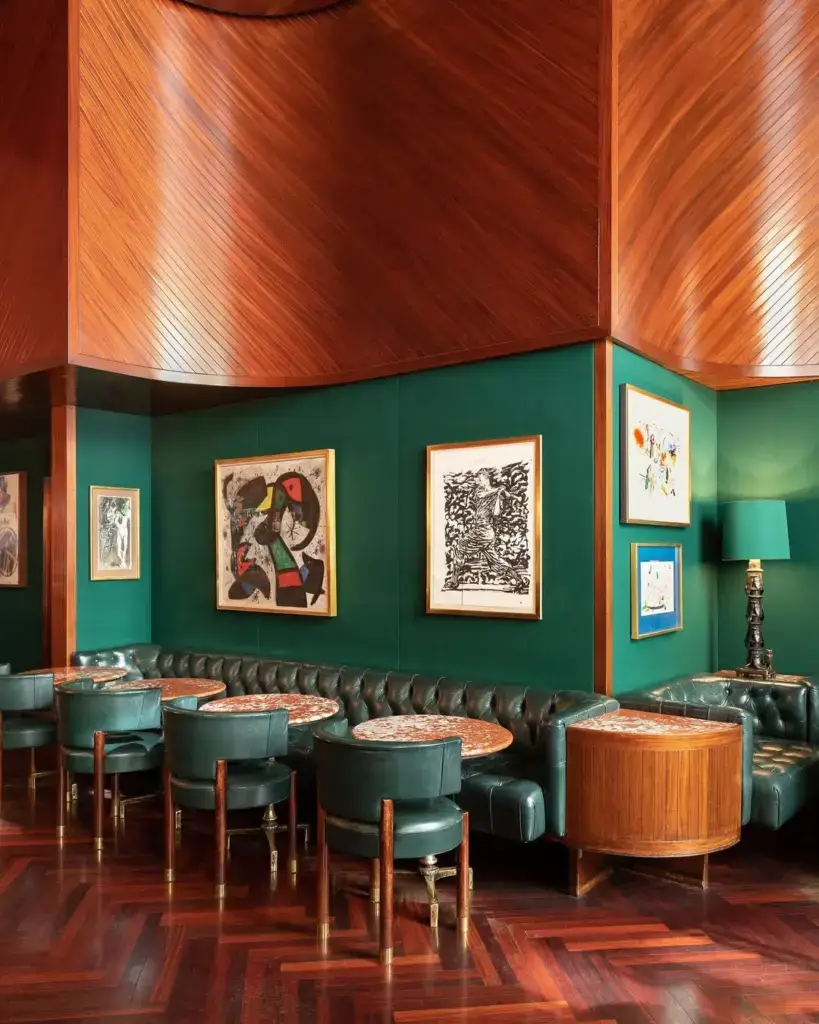
Zurich’s dining scene aligns naturally with the pace of the fair, offering restaurants that suit both midday pauses and longer evening reservations.
Kronenhalle remains a fixture within the city’s cultural landscape, where classic Swiss dishes are served beneath museum-quality artworks. The atmosphere carries a sense of continuity that feels especially fitting during an art-focused stay.
For a lakeside dining moment, Marguita at Baur au Lac offers a polished Mediterranean experience in one of Zurich’s most established hotel settings. It works well for a refined lunch or dinner when you want to stay close to the lake without losing the city’s sense of occasion.
For something more private or contemporary, Maison Manesse is best framed as a culinary space for events, pop-ups, and private dining experiences rather than a conventional tasting-menu restaurant. It can suit visitors looking for something more tailored, provided arrangements are checked ahead.
Between visits, the cafés and quieter corners of the Old Town provide an easy way to pause without interrupting the flow of the day.
Moving Through the Fair with Ease
A one to two-day visit is ideal. Mornings tend to offer the clearest access to galleries, while the early afternoon brings a slightly fuller but still manageable atmosphere.
It is worth setting aside time to visit Kunsthaus Zürich, where the collection offers a broader institutional context that complements what is on view at the fair.
Approach the visit with flexibility. The ability to return to a piece or extend a conversation often shapes the experience more than any fixed plan.
Planning Your Visit with Precision
With confirmed dates, it is worth securing accommodation well in advance, particularly for lakeside properties and smaller boutique hotels. The opening evening vernissage offers the most social moment of the fair, while the following days allow for a more focused visit.
Zurich in May brings mild weather and a sense of ease across the city, making it an ideal time to move between the fair, galleries, and the lake without feeling rushed.
A More Considered Way to Experience the Art World
Art International Zurich rewards those who prefer a quieter, more deliberate approach to collecting and viewing art. It offers space, clarity, and a level of access that is increasingly rare within larger fairs.
For a luxury-minded visitor, it presents an experience that feels composed, personal, and entirely in tune with the city itself.