


All products are independently selected by our editors. If you buy something, we may earn an affiliate commission.
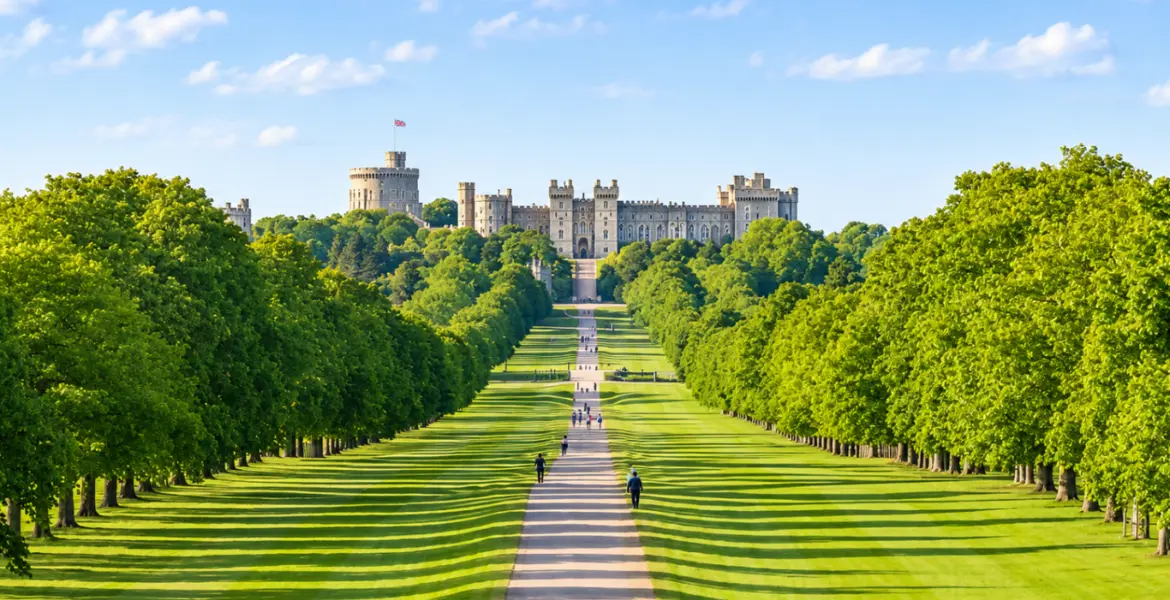
Centuries of royal patronage have shaped Windsor Great Park, leaving behind an extraordinary landscape of ancient woodland, ornamental gardens, historic monuments and sweeping avenues. Covering more than 4,800 acres of Berkshire countryside, the estate offers an inviting escape within easy reach of London, with Windsor Castle providing an impressive backdrop to its northern reaches.
Visitors can explore the celebrated Savill Garden, follow woodland trails around Virginia Water or enjoy the magnificent views along the Long Walk. The changing seasons bring their own attractions, particularly in autumn, when the estate’s mature trees turn shades of gold, amber and red.
Windsor Great Park’s Royal Heritage
Windsor Great Park’s royal connections date back nearly a thousand years to William the Conqueror, who established the surrounding landscape as a hunting ground following the Norman Conquest. Its proximity to Windsor Castle made it a favoured retreat for successive monarchs, with hunting and riding shaping much of its early history.
Over the centuries, the estate developed into an extensive landscaped park, with formal avenues, ornamental lakes, and monuments reflecting its royal patrons’ interests. Charles II commissioned the Long Walk, while later generations introduced gardens and architectural features that remain among its principal attractions.
Today, Windsor Great Park forms part of the Windsor Estate, managed by The Crown Estate. Its historic character is maintained alongside conservation efforts to protect ancient trees, wildlife habitats and important horticultural collections.
The Long Walk and Deer Park
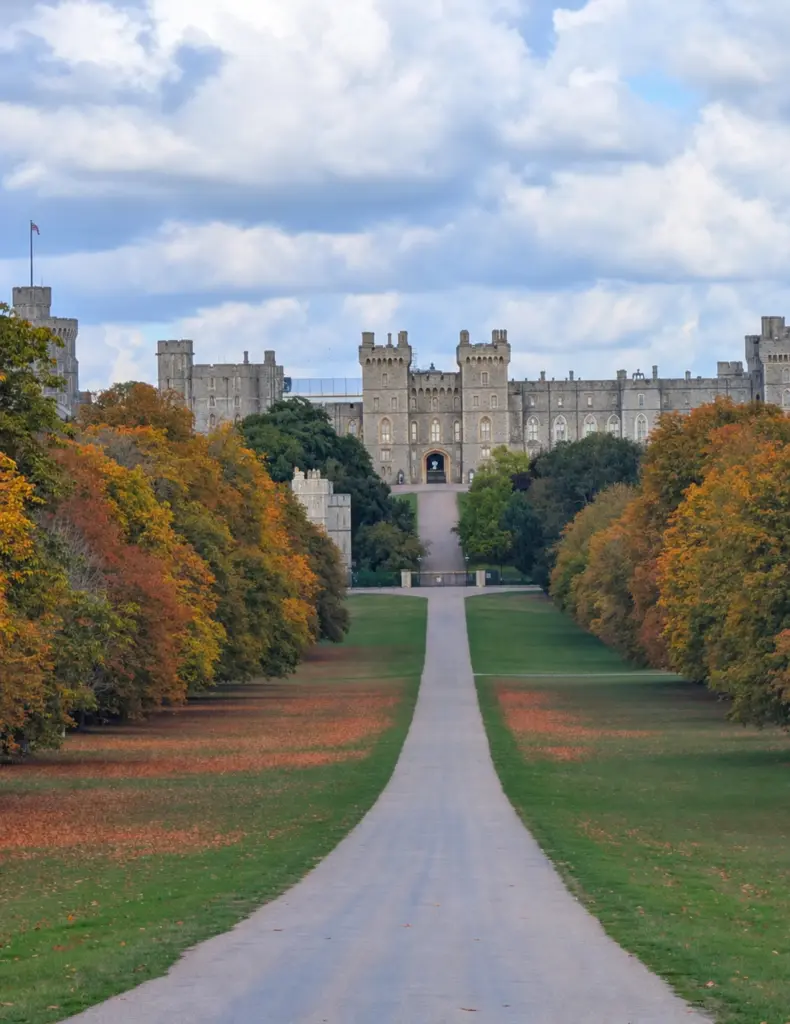
The Long Walk is Windsor Great Park’s most recognisable feature. Created under Charles II in the seventeenth century, this magnificent avenue extends approximately 2.5 miles between Windsor Castle and Snow Hill. Its symmetrical rows of trees frame uninterrupted views of the castle, creating one of England’s most impressive royal approaches.
At the southern end stands the Copper Horse, an imposing equestrian statue of George III erected in 1831. Its elevated position on Snow Hill offers sweeping views towards Windsor Castle and the surrounding countryside.
The adjoining Deer Park preserves another aspect of the estate’s history. Once part of the Norman hunting forest, it remains home to a herd of red deer, occasionally visible grazing among the ancient trees. The park also contains remarkable veteran oaks, some of which have stood for centuries.
The combination of royal architecture, open parkland and wildlife makes this one of the estate’s most rewarding areas to explore.
The Savill Garden and Valley Gardens
Windsor Great Park’s horticultural heritage is particularly evident in The Savill Garden and Valley Gardens, two distinctive landscapes celebrated for their botanical collections and seasonal displays.
The Savill Garden
Established in 1932 by Eric Savill with the support of King George V, The Savill Garden covers approximately 35 acres and is regarded as one of Britain’s finest ornamental gardens. Its interconnected garden areas feature plants collected from around the world, carefully arranged to provide interest throughout the year.
The Rose Garden is a summer highlight, with fragrant roses arranged around an elevated design that lets visitors appreciate the planting from different perspectives. The Herbaceous Borders introduce further colour, while the Spring Wood features flowering trees and woodland plants.
Other notable areas include the Summer Wood, Autumn Wood and Winter Garden, each showcasing plants selected for their seasonal characteristics. The Queen Elizabeth Temperate House adds another dimension, housing collections that benefit from its sheltered environment.
The Savill Building, which serves as the garden’s main entrance, is equally distinctive. Constructed using timber from the Windsor Estate, its striking curved roof complements the surrounding landscape and houses visitor facilities, dining and shopping.
The Valley Gardens
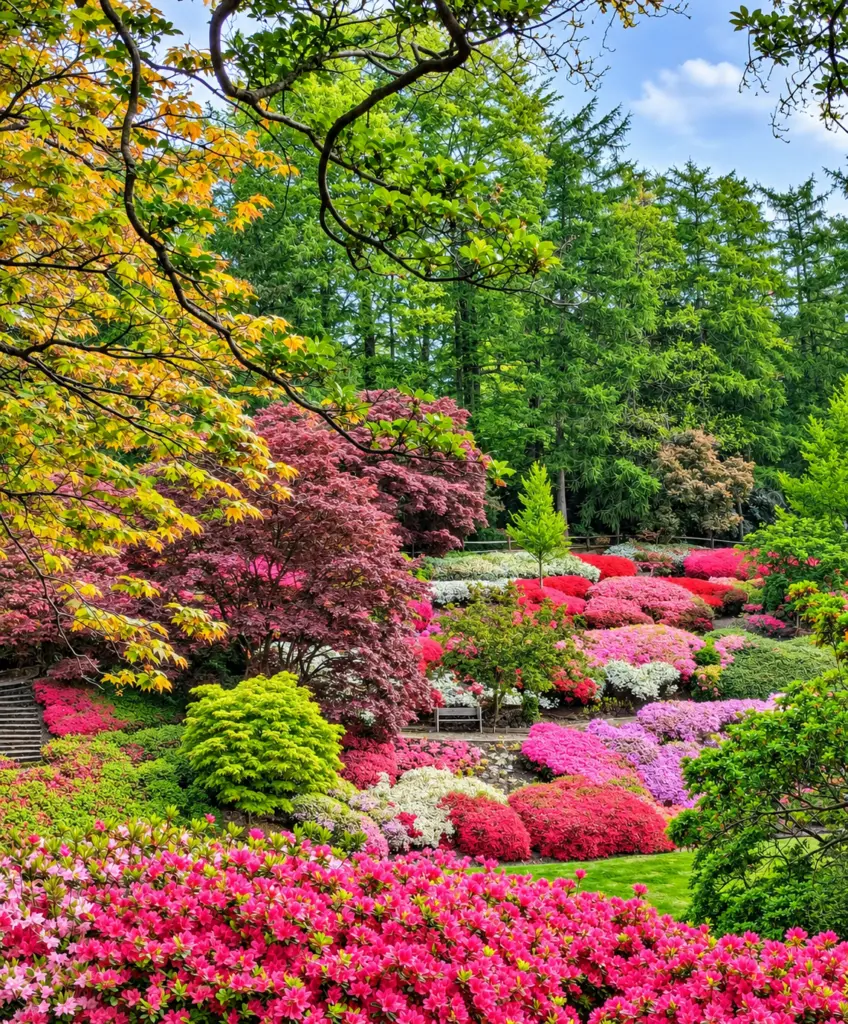
Overlooking the northern shores of Virginia Water, the Valley Gardens occupy approximately 250 acres of gently undulating woodland and ornamental planting.
Developed during the twentieth century under the direction of Eric Savill and Hope Findlay, the gardens are particularly celebrated for their rhododendrons, azaleas and magnolias. Spring brings impressive floral displays, especially around the Punch Bowl, where flowering shrubs cover the surrounding slopes.
The gardens also contain collections of Himalayan and Chinese birches, alongside trees and shrubs from different parts of the world. Winding woodland paths and changing elevations offer varied perspectives of the landscape, making this an appealing area for a leisurely walk.
Virginia Water and Its Historic Landmarks
Virginia Water occupies the southern part of Windsor Great Park and is among the estate’s most popular attractions. Originally developed as a royal pleasure ground during the eighteenth century, the lake is surrounded by woodland, landscaped paths and several fascinating historical features.
Stretching approximately two miles in length, the lake has a circular walking route of around five miles, passing through wooded areas and open lakeside stretches.
One of its principal attractions is the Cascade, an ornamental waterfall created as part of the eighteenth-century landscaping. Nearby, the Leptis Magna Ruins comprise ancient Roman architectural remains brought from the North African city of Leptis Magna. Their columns and carved stonework form an unexpected classical landmark within the English countryside.
The Five Arch Bridge adds further architectural interest, while the surrounding woodland provides opportunities for walking and wildlife observation. The lake is particularly picturesque when the trees change colour in autumn, their reflections adding warmth to the waterside scenery.
Windsor Great Park Through the Seasons
The changing seasons bring a different character to Windsor Great Park, with its extensive tree collections and ornamental gardens providing year-round interest.
Autumn is particularly rewarding. The Savill Garden’s Autumn Wood features colourful foliage, while Japanese maples, sweetgums and hickories introduce rich shades of red, orange and gold. Chapel Wood Arboretum, near Cow Pond, is another attractive location, with its ornamental trees, pond and Baroque-style footbridge creating a picturesque setting.
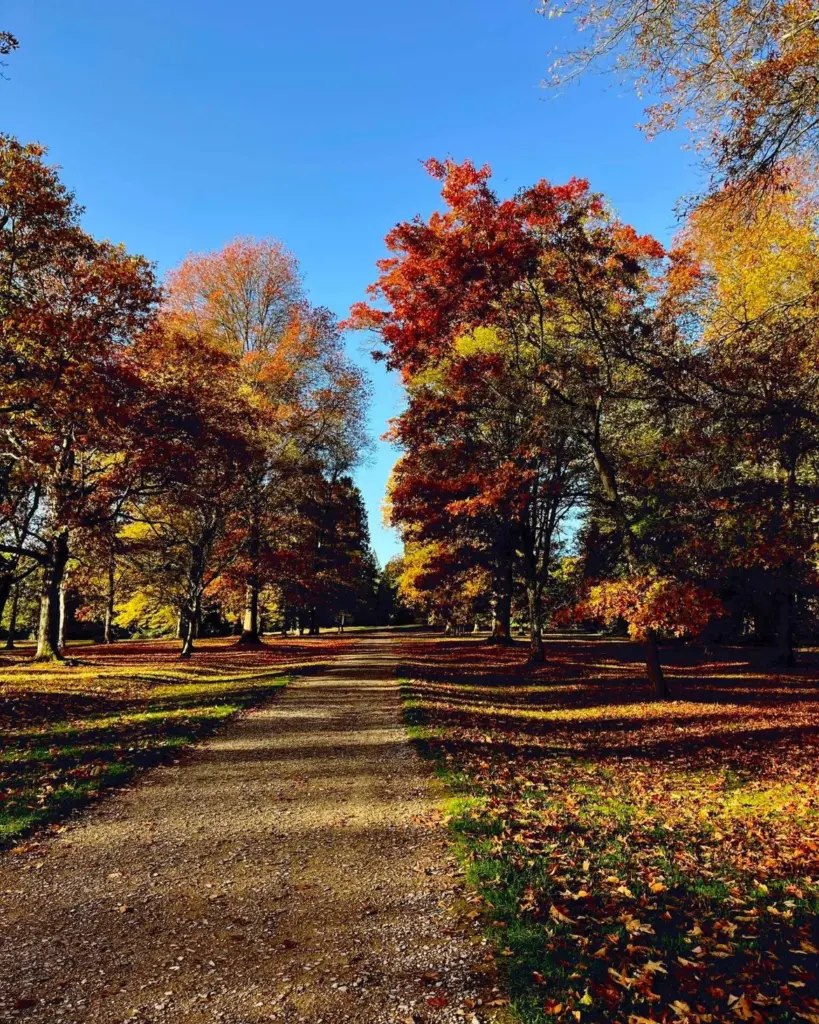
Across the Valley Gardens, mature oaks, sweet chestnuts and maples bring warmer colours to the woodland. The Long Walk and Virginia Water also become especially scenic, with golden foliage lining the avenues and lakeside paths.
Spring is equally impressive, particularly when the Valley Gardens’ magnolias, rhododendrons and azaleas come into flower. The Savill Garden’s Spring Wood offers further seasonal displays, while summer brings fragrant roses, colourful borders and opportunities for longer walks.
Winter reveals the structure of the historic landscape, with bare trees opening up views across the parkland. The Savill Garden’s Winter Garden provides additional interest through colourful dogwoods, scented daphnes and winter-flowering plants.
Outdoor Pursuits and Country Leisure
Windsor Great Park offers an extensive network of walking routes, ranging from leisurely garden strolls to longer woodland circuits. The Long Walk is particularly appealing for its castle views, while Virginia Water provides a varied route through lakeside scenery and forest trails.
Cycling is permitted along designated routes, and the estate is also popular with runners. Its equestrian heritage continues through horse riding and polo, with Smith’s Lawn home to Guards Polo Club, one of Britain’s most prestigious polo institutions.
Founded in 1955, Guards Polo Club has longstanding royal associations and hosts prominent fixtures during the British polo season. Smith’s Lawn is also home to the Prince Consort Statue, unveiled by Queen Victoria in 1890 in memory of Prince Albert.
Licensed horse-drawn carriage rides offer another way to appreciate selected areas of the estate, including the Long Walk.
Families can also visit Adventure Play near The Savill Garden, a woodland-inspired playground featuring elaborate timber structures, walkways and play areas designed around the estate’s natural surroundings.
Dining and Shopping at Windsor Great Park
The estate offers several relaxed dining options, particularly around The Savill Garden Visitor Centre and Virginia Water.
The Savill Garden Kitchen serves seasonal dishes featuring produce from Windsor Farms and selected British suppliers. Its contemporary setting within The Savill Building makes it a convenient choice for lunch or afternoon tea after exploring the gardens. The nearby Gallery Café offers sandwiches, pastries, cakes and light refreshments.

At Virginia Water, the Virginia Water Café serves hot and cold dishes inspired by Italian flavours, with seating close to the lake’s main entrance. Additional takeaway facilities are available at selected locations around the estate.
Windsor Farm Shop is another worthwhile stop, stocking meat and produce from Windsor Farms alongside artisan foods and gifts. Its adjoining café serves breakfast, light lunches and homemade cakes, while The Savill Garden Visitor Centre also houses gift and plant shops.
Planning a Visit to Windsor Great Park
Windsor Great Park lies close to Windsor, Ascot and Virginia Water in Berkshire, within easy reach of London. Its considerable size makes it worth choosing a few attractions to explore rather than attempting to cover the entire estate in one visit.
The Long Walk is accessible from Windsor town centre, while dedicated car parks serve The Savill Garden and Virginia Water. Much of the wider parkland is free to access, although parking charges and separate admission fees apply to certain attractions, including The Savill Garden and Adventure Play.
Comfortable footwear is advisable, particularly for longer woodland walks. Some routes include uneven surfaces and slopes, while designated paths provide more accessible options.
Opening hours vary between the park, gardens and individual facilities, so checking the estate’s official visitor information before travelling is recommended.
A Remarkable Royal Estate
Windsor Great Park brings together royal heritage, exceptional gardens and expansive countryside in a setting that encourages unhurried exploration. Its historic avenues and monuments reflect centuries of royal patronage, while the woodland, lakes and botanical collections offer plenty to discover throughout the year.
The Long Walk, the Savill Garden and Virginia Water each reveal a different side of the estate, making it an appealing destination for leisurely days outdoors and return visits as the seasons change.
Location: The Crown Estate, Windsor SL4 2HT