

All products are independently selected by our editors. If you buy something, we may earn an affiliate commission.
The Royal Academy of Arts has occupied a distinctive place in London’s cultural life for more than 250 years. Its Piccadilly address may suggest a traditional gallery experience, but the institution remains closely connected to working artists, architects and the process of making art. Major exhibitions, the annual Summer Exhibition, the RA Schools and members’ spaces give it a character quite different from the capital’s national museums.
Burlington House sits between Mayfair and St James’s, making the Royal Academy particularly well suited to an afternoon that extends beyond the galleries.
An Academy Shaped by Artists
Founded in 1768, the Royal Academy is an independent institution governed by artists and architects. Its Royal Academicians include practising figures across painting, sculpture, architecture, printmaking and other disciplines, while the RA Schools continue its long-standing commitment to artistic education.
That relationship with practising artists shapes much of what happens here. Art is exhibited, sold, discussed and created within the institution, with a programme spanning established names and emerging talent. Founded in 1769, the RA Schools remain an independent postgraduate art school.
The RA Collection adds another dimension, bringing together paintings, sculpture, drawings, prints, photographs, architectural material and historic objects accumulated across the Academy’s history.
Burlington House in Detail
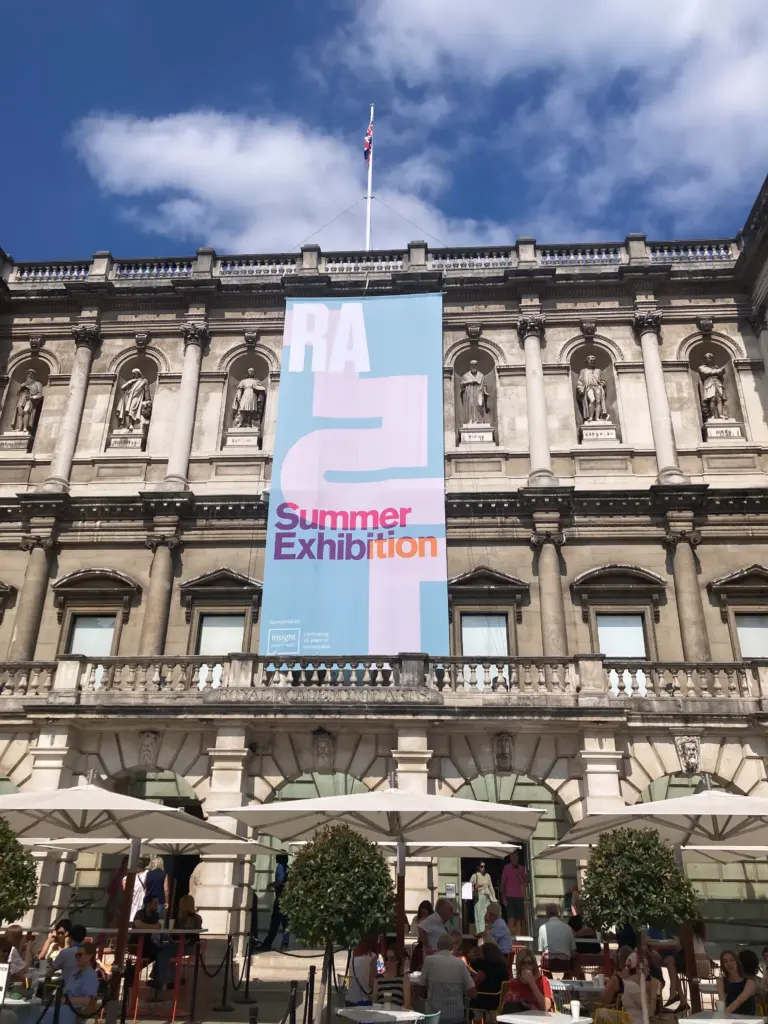
The approach through the gates of Burlington House sets an appropriately grand tone. Its courtyard creates a welcome separation from Piccadilly before visitors enter the galleries, while the building itself rewards attention alongside whatever exhibition is showing.
The Royal Academy has occupied Burlington House since 1867. Its historic rooms include the Main Galleries, which host many of the institution’s largest exhibitions and the Summer Exhibition.
The wider estate extends to 6 Burlington Gardens, connected to Burlington House through a major redevelopment by David Chipperfield Architects. The project brought previously separate parts of the institution together while adding exhibition, learning and public spaces.
For anyone interested in architecture and interiors, the grand rooms, quieter passageways and glimpses into the Academy’s working environment add considerably to a visit.
The Art Worth Coming For
The exhibition programme is the clearest reason to plan a visit around a particular date. The Royal Academy stages substantial shows devoted to individual artists, artistic movements and architecture, often drawing together loans from major international collections.
The experience therefore changes significantly throughout the year. A major exhibition can form the centrepiece of a visit, while smaller displays provide scope for a more leisurely afternoon.
The RA Collection offers a more permanent connection to the Academy’s history and its Royal Academicians. There are also selling exhibitions around the building, including displays in the Sir Hugh Casson Room, Belle Shenkman Room, Academicians’ Room and Shenkman Bar, where selected works can be purchased.
The Summer Exhibition Tradition
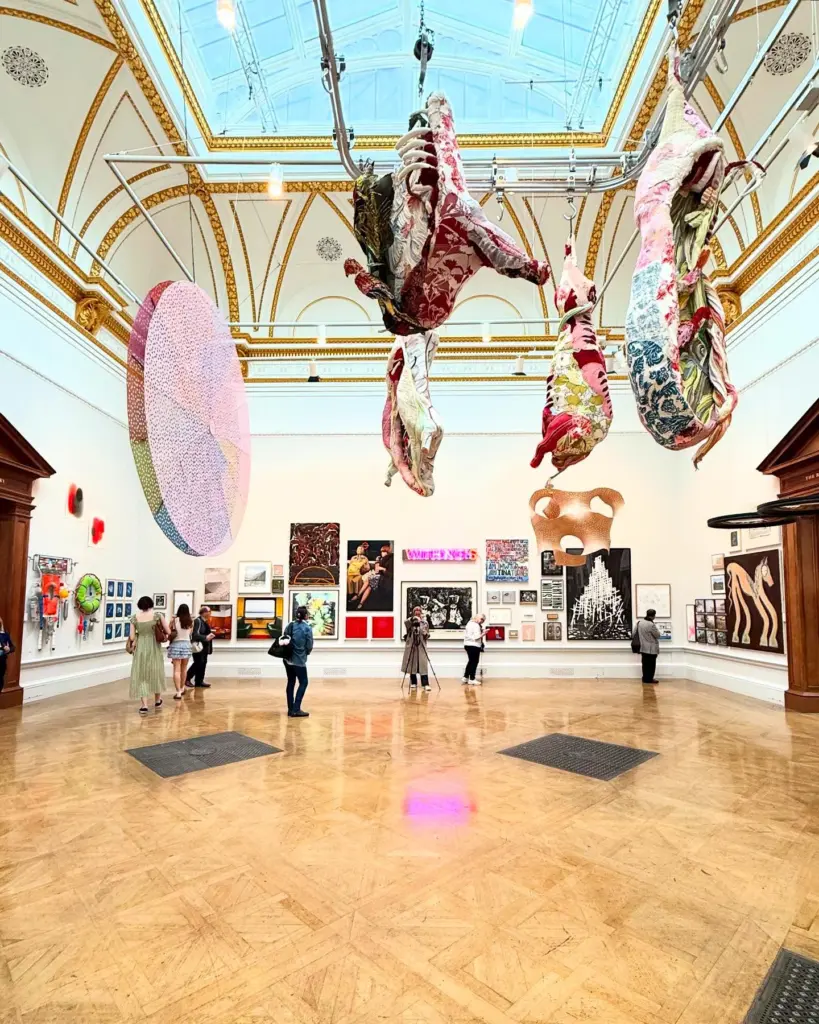
Held since 1769, the Summer Exhibition remains one of the Royal Academy’s defining traditions. Its open-submission format allows artists to submit work for consideration alongside pieces by Royal Academicians.
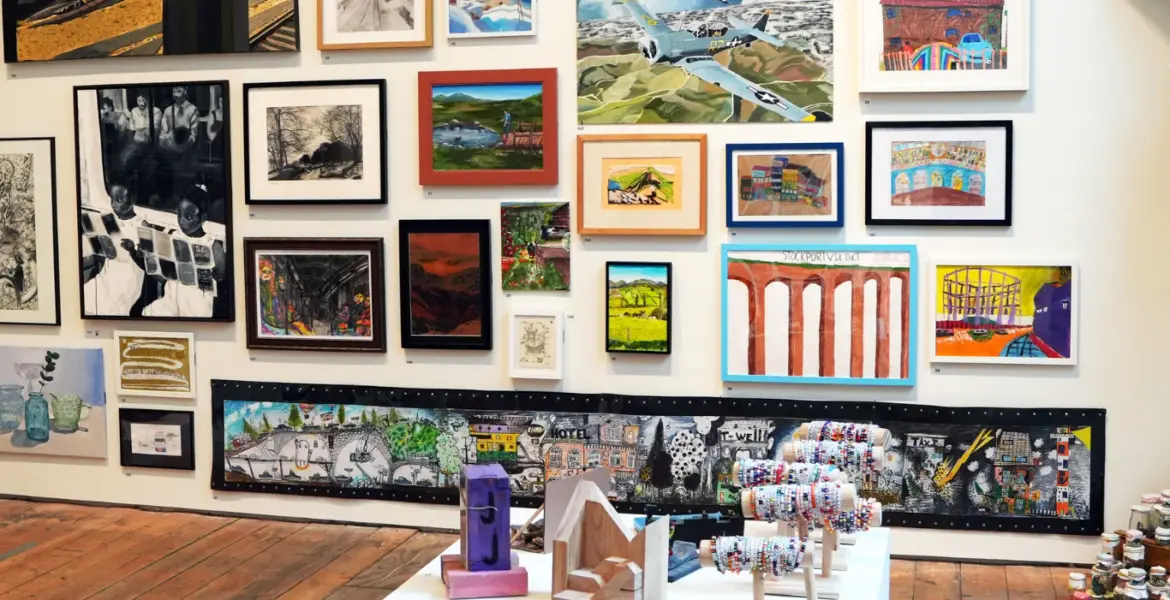
The resulting display is intentionally dense. Paintings, prints, photography, sculpture, architecture and other media fill the galleries, often in closely hung arrangements that reward unhurried browsing.
Many works are available to buy, giving collectors the opportunity to discover established and lesser-known artists within the same exhibition. Different Royal Academicians help shape each edition, so its character changes while the underlying tradition remains intact.
Dining at the Keeper’s House
The Keeper’s House provides a natural place to extend a gallery visit. Once the residence of the Keeper of the Royal Academy, it now contains dining and social spaces connected to the institution.
José Pizarro at the RA brings the Spanish chef’s cooking to the setting, making a proper lunch or dinner easy to incorporate into a visit. His approach centres on Spanish produce and uncomplicated, ingredient-led dishes.
Art remains part of the surroundings, with changing displays appearing throughout the Keeper’s House. There are quicker options elsewhere within the RA, but this is the stronger choice when the galleries are part of a longer afternoon or evening in Mayfair or St James’s.
A More Private Side of the Academy
Membership offers a quieter way to experience the Royal Academy, particularly for regular visitors. House Membership includes access to the Keeper’s House and the Academicians’ Room, with its bar, comfortable seating and changing displays.
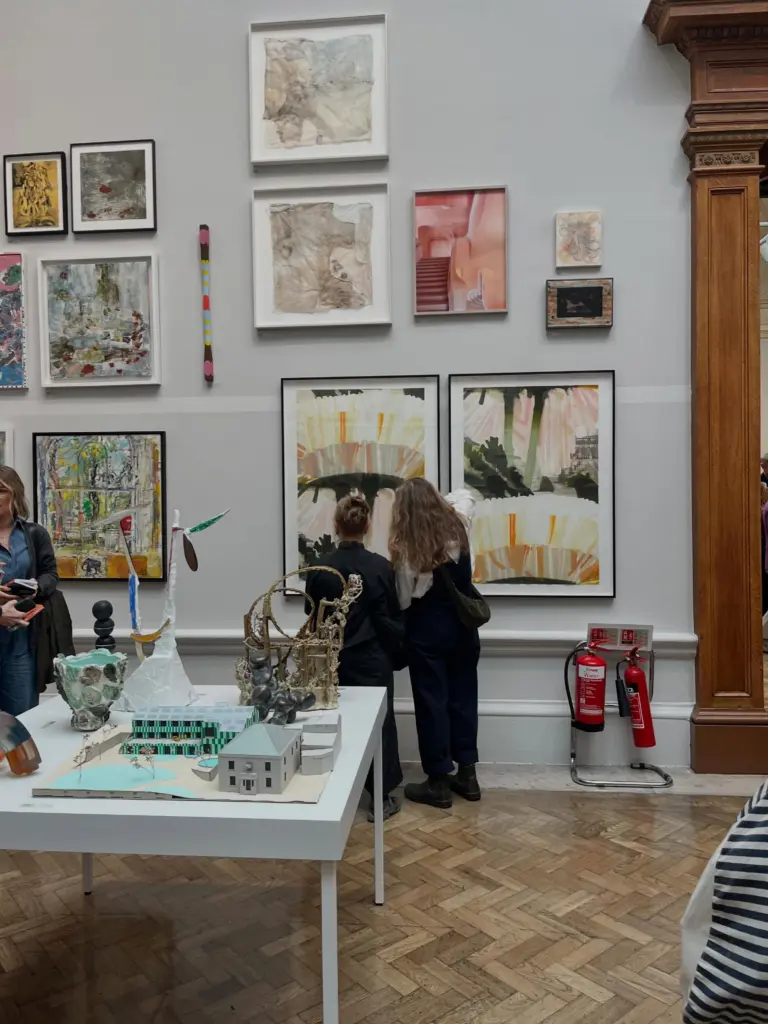
Members also receive benefits including private exhibition views and early access to the Summer Exhibition. These quieter viewing opportunities are particularly worthwhile during major shows, when the public galleries can become busy.
The arrangement suits the character of the Academy well, allowing its exhibitions, social spaces and artistic community to feel more closely connected.
Art to Take Home
The RA Shop at Burlington House goes well beyond standard gallery souvenirs, with art books, prints, jewellery, design pieces and products connected to current exhibitions, Royal Academicians and the RA Collection.
Gallery X, in the Porter Gallery, is the more compelling stop for collectors. It focuses on higher-end collaborations, editions and unique pieces, including works from RA Editions.
RA Editions commissions limited-edition artworks from Royal Academicians and invited contemporary artists, providing a direct route into collecting work associated with the Academy. Selling exhibitions elsewhere in the building and the Summer Exhibition broaden the possibilities further.
Making an Afternoon of Piccadilly
The Royal Academy’s position on Piccadilly makes it easy to incorporate into a wider afternoon. St James’s lies immediately south, while Mayfair begins to the north and west.
Burlington Arcade sits alongside the Academy, while Fortnum & Mason, Jermyn Street and Bond Street are all within an easy walk. The concentration of galleries, restaurants, historic shops and luxury boutiques makes the surrounding neighbourhood particularly rewarding after an exhibition.
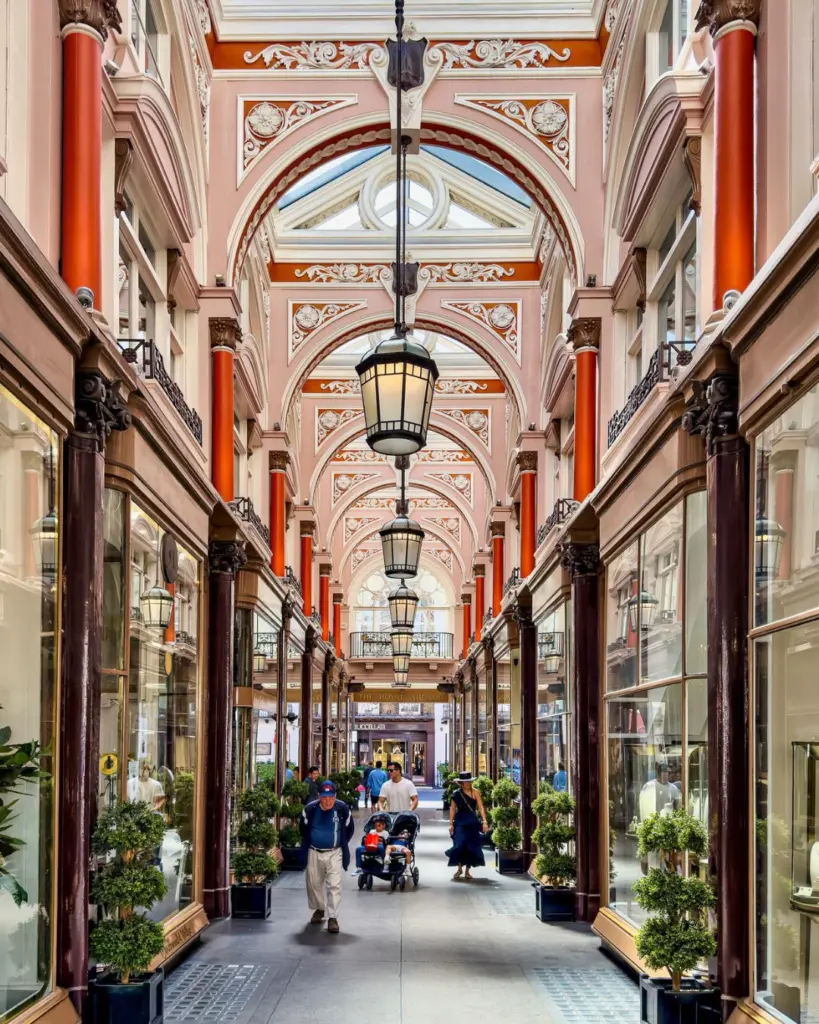
Within the RA, allowing time for the principal exhibition, a smaller display and lunch or a drink makes for a well-paced visit. Checking the exhibition programme beforehand is worthwhile, as what is showing can substantially shape the experience.
London’s Artist-Led Institution
The Royal Academy holds an unusual position among London’s major cultural addresses. Its history is substantial, yet its connection with contemporary practice remains visible through the Royal Academicians, RA Schools, selling exhibitions and Summer Exhibition.
Burlington House supplies the grandeur expected of Piccadilly, while the changing programme provides good reason to return. With the Keeper’s House, opportunities to collect art and the surrounding streets of Mayfair and St James’s, the Royal Academy remains one of London’s most rewarding destinations for an art-focused afternoon.