

All products are independently selected by our editors. If you buy something, we may earn an affiliate commission.
Every summer, the mountain village of Gstaad hosts one of Europe’s most respected classical music festivals. The Gstaad Menuhin Festival brings internationally acclaimed orchestras, celebrated soloists and emerging performers to historic churches and purpose-built venues across the Saanenland, creating an experience that feels both intimate and world-class.
Held each summer, the festival brings together distinguished guest artists, internationally renowned ensembles and thoughtfully curated programmes under the artistic direction of Daniel Hope. Alongside celebrated repertoire, audiences can expect new commissions, cultural conversations and performances that reflect both the festival’s heritage and its continued evolution. For a summer escape to Switzerland, few events combine exceptional music, luxury hospitality and alpine scenery so effortlessly.
A Festival Shaped by Music and the Alps
The festival began in 1957 when legendary violinist Yehudi Menuhin chose Gstaad as the setting for a series of summer concerts. His vision was to bring outstanding musicians to an alpine community where audiences could experience classical music in welcoming, intimate surroundings. Nearly seventy years later, that spirit remains at the heart of the festival.
Performances take place across Gstaad, Saanen, Rougemont and Lauenen, with historic churches complementing the Festival Tent to create distinctly different concert experiences. Rather than remaining in one venue, visitors are encouraged to discover the villages and landscapes that have shaped the festival since its earliest days.
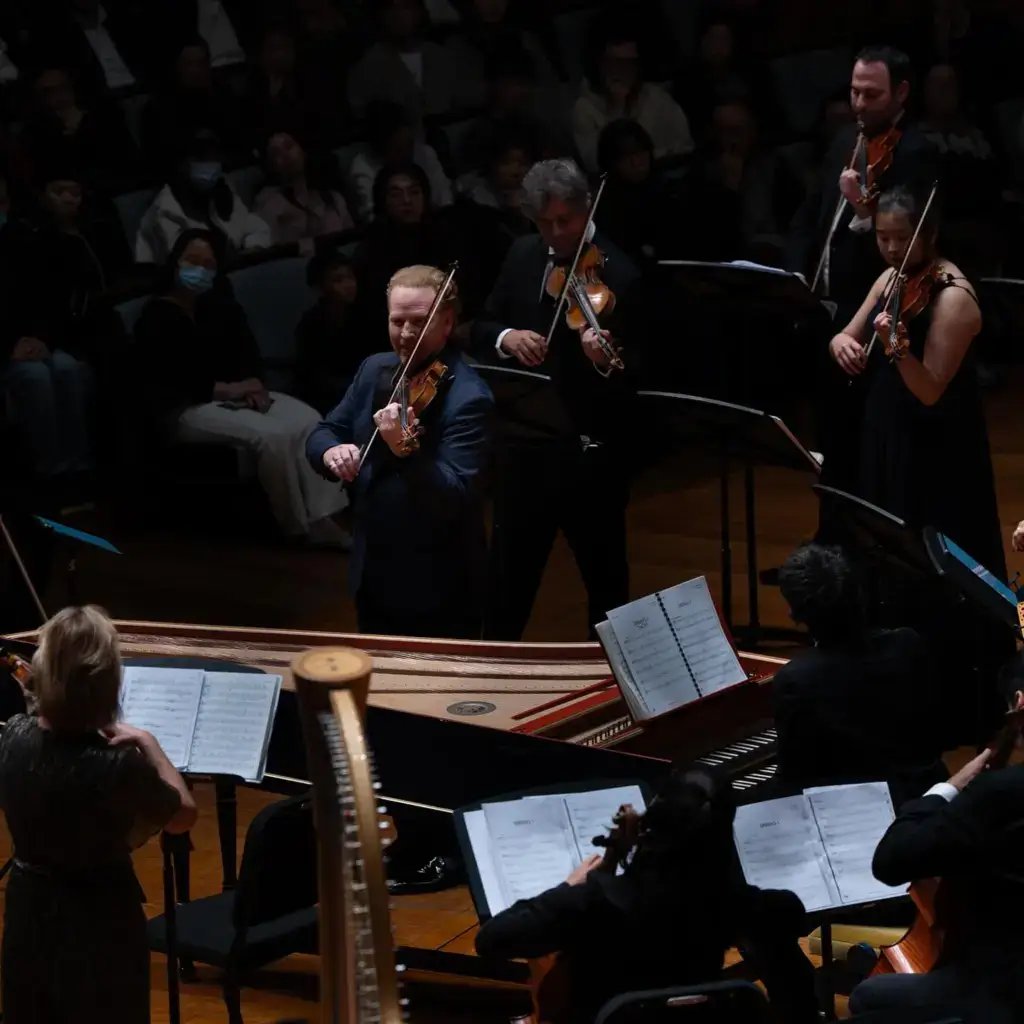
Daniel Hope has continued that legacy while broadening the programme for modern audiences. Alongside celebrated repertoire and newly commissioned works, the festival also presents The Summit, a discussion series exploring music’s connections with culture, science and society through conversations with leading artists and thinkers.
Concerts naturally sit alongside leisurely lunches, mountain walks and afternoons at some of Gstaad’s finest spas, making the destination itself an important part of the festival experience.
The Concert Experiences Worth Planning Around
The programme offers enough variety to shape several days around different performance styles.
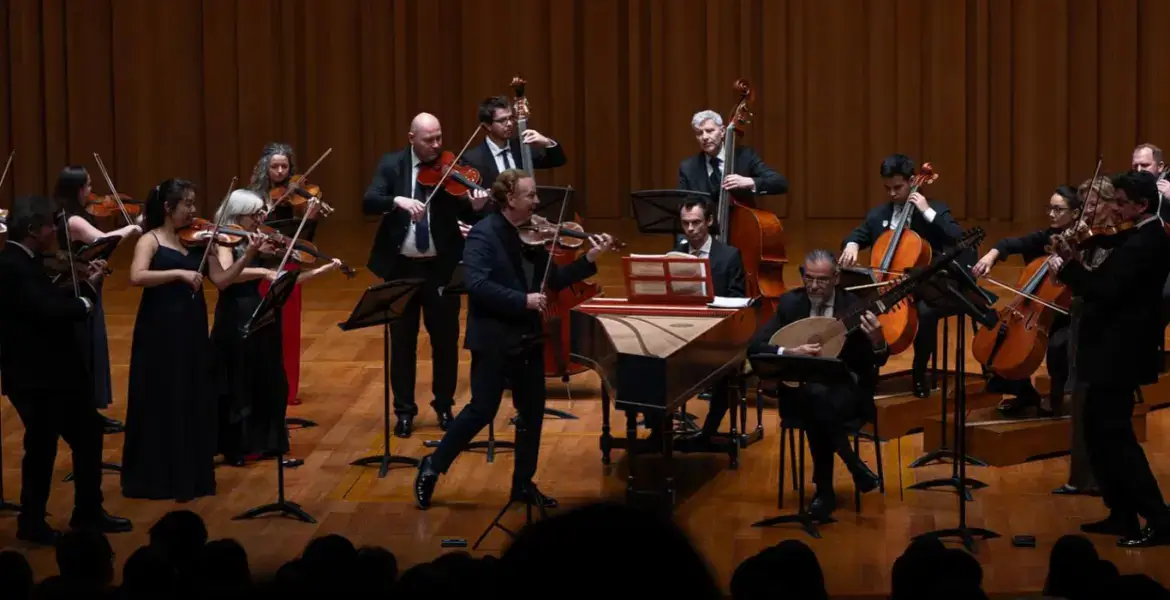
Symphony concerts at the Festival Tent bring internationally renowned orchestras and conductors to Gstaad, while chamber music performed in venues such as the Church of Saanen and the Church of Rougemont offers a more intimate perspective on the repertoire.
Solo recitals remain another highlight, with acclaimed pianists, violinists and vocalists presenting programmes spanning Baroque, Romantic and contemporary works. Alongside established names, carefully selected emerging artists continue the festival’s tradition of introducing audiences to exceptional new talent.
Sacred music also forms an important part of the programme, particularly within the region’s historic churches, whose remarkable acoustics and atmosphere lend themselves beautifully to choral and vocal performances.
Alongside its concert programme, The Summit adds another dimension through discussions with musicians, writers and academics exploring the wider role of classical music today.
Venues That Define the Festival Experience
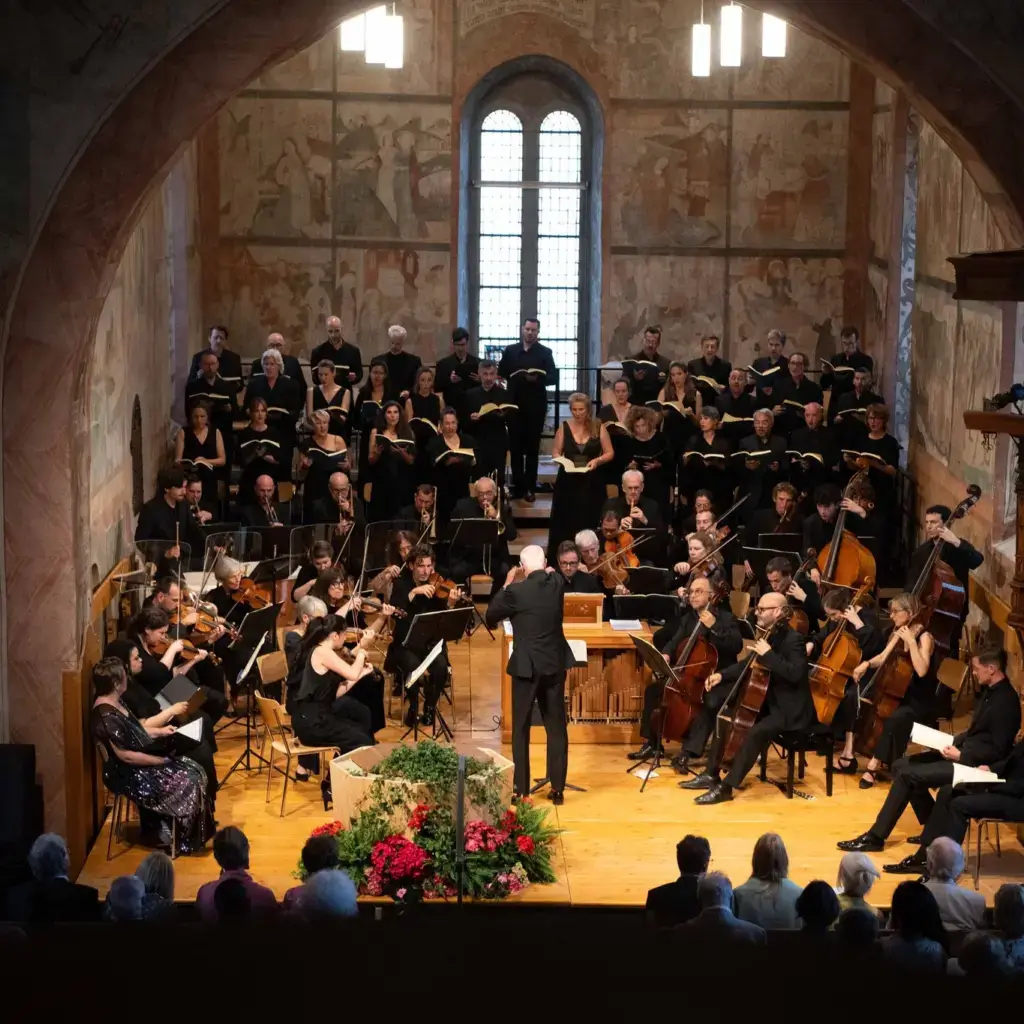
The setting is one of the festival’s greatest distinctions, with performances spread across some of the Saanenland’s most beautiful villages.
The Festival Tent hosts the largest orchestral concerts and gala performances, providing a contemporary venue surrounded by mountain scenery.
The Church of Saanen, dating back to the fifteenth century, is renowned for its warm acoustics and remains one of the festival’s defining venues for chamber music, solo recitals and sacred works.
In nearby Rougemont, the Romanesque church offers an equally memorable setting, pairing centuries of history with one of the region’s most picturesque villages. The Church of Lauenen provides a quieter atmosphere still, framed by alpine landscapes that have long inspired performers and audiences alike.
Travelling between these venues becomes part of the experience, whether driving through the Saanenland or arriving aboard the GoldenPass Express. Together, they encourage visitors to discover far more than the concert programme alone.
Staying in Gstaad During the Festival
Choosing the right hotel can shape the festival experience just as much as the concert programme. Many visitors stay for several nights, allowing time to enjoy Gstaad beyond the performance schedule.
For contemporary luxury, The Alpina Gstaad remains one of the resort’s most sought-after addresses, pairing elegant rooms and suites with the Six Senses Spa and refined dining. Gstaad Palace, overlooking the valley from its hilltop setting, continues to define traditional alpine grandeur with its long-standing reputation for exceptional service.
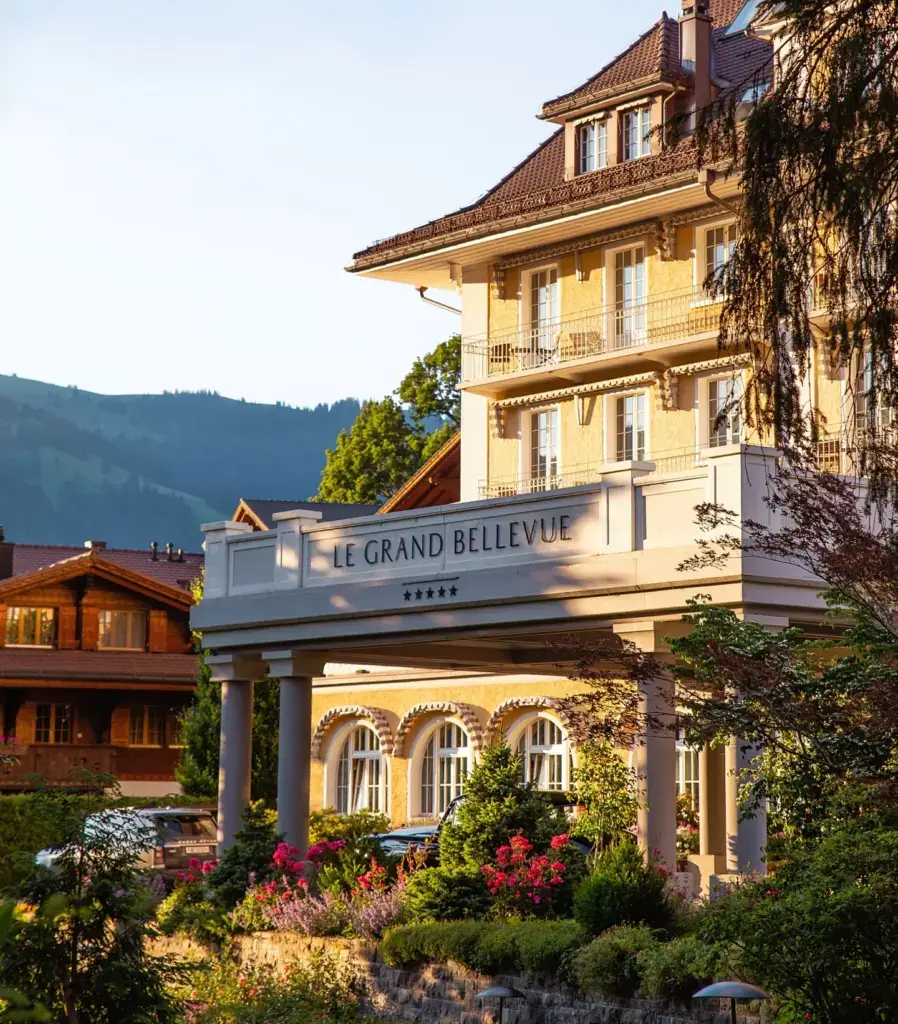
Those seeking a more intimate atmosphere may prefer Le Grand Bellevue, where individually designed interiors, a notable art collection and one of Switzerland’s largest hotel spas create a relaxed retreat. Ultima Gstaad offers an exclusive, chalet-inspired experience with private residences, personalised wellness programmes and discreet service, while the ERMITAGE Wellness- & Spa Hotel in Schönried provides generous spa facilities in a quieter setting just minutes from Gstaad.
Dining Between Performances
Gstaad’s dining scene makes it easy to build memorable days around the concert schedule.
At Sommet, The Alpina Gstaad’s Michelin-starred restaurant, seasonal Swiss ingredients are transformed into refined tasting menus that reward an unhurried evening. For Japanese cuisine, MEGU combines sushi, robata dishes and premium Wagyu in an elegant setting that has become one of the resort’s signature dining experiences.
Within Gstaad Palace, Le Grill is known for prime meats and seafood prepared over charcoal, while La Fromagerie offers a cosy alternative centred on traditional Swiss specialities, including fondue and raclette. For South American flavours, Chubut serves wood-fired meats in a lively yet polished atmosphere that works equally well after a concert or for a leisurely dinner on a free evening.
Making the Most of Your Time in Gstaad
While the festival provides the reason to visit, the surrounding region offers plenty to enjoy between performances.
The mountain lifts open access to walking trails with panoramic views, while excursions to destinations such as Glacier 3000 reward visitors with year-round snow, the Peak Walk suspension bridge and spectacular alpine scenery. Scenic journeys aboard the GoldenPass Express reveal another side of the Bernese Oberland, connecting Gstaad with Montreux through vineyards, lakes and mountain landscapes.
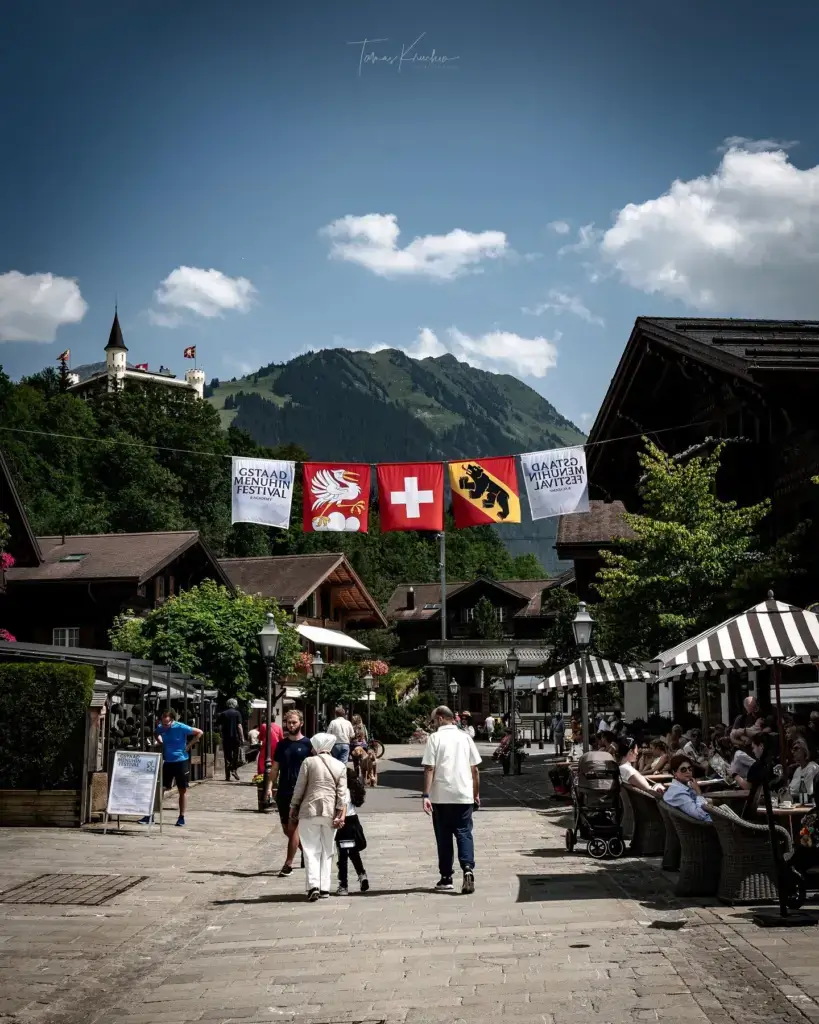
Back in the village, designer boutiques sit alongside independent galleries and artisan food shops, creating an easy pace for an afternoon stroll. Spa treatments at The Alpina Gstaad, Gstaad Palace or Le Grand Bellevue offer a welcome contrast to busy sightseeing, particularly before an evening performance.
Planning four or five nights allows enough time to enjoy several concerts without feeling tied to a packed schedule. Concerts and accommodation are often in high demand during the festival, so securing both well in advance is advisable. Smart attire is customary for evening performances, although the atmosphere remains polished rather than overly formal.
A Summer Tradition That Continues to Inspire
Decades after Yehudi Menuhin founded the festival, the qualities that first defined it remain remarkably intact. Outstanding musicians, beautiful venues and the alpine setting continue to create an experience unlike any other on Europe’s classical music calendar.
With its distinguished performers, beautiful venues and the enduring appeal of Gstaad itself, the festival remains one of Europe’s finest summer cultural experiences and an ideal centrepiece for a wider Swiss escape.