

All products are independently selected by our editors. If you buy something, we may earn an affiliate commission.
The San Sebastián Film Festival brings international cinema to one of Spain’s most distinctive coastal cities, drawing filmmakers, actors, industry figures and film enthusiasts to the Basque Country each September. Founded in 1953, it has developed into an internationally recognised competitive festival, bringing premieres, emerging talent and established names to the city.
For luxury travellers, San Sebastián adds considerable appeal to the experience. Screenings unfold across a compact city framed by La Concha Bay, while grand hotels, Michelin-starred restaurants and celebrated pintxos bars provide plenty to explore around the programme.
A Festival with International Standing
At the centre of the festival is the Official Selection, whose principal competitive prize is the Golden Shell for Best Film. Silver Shells and other jury prizes recognise individual achievements, while the honorary Donostia Award celebrates distinguished careers in cinema.

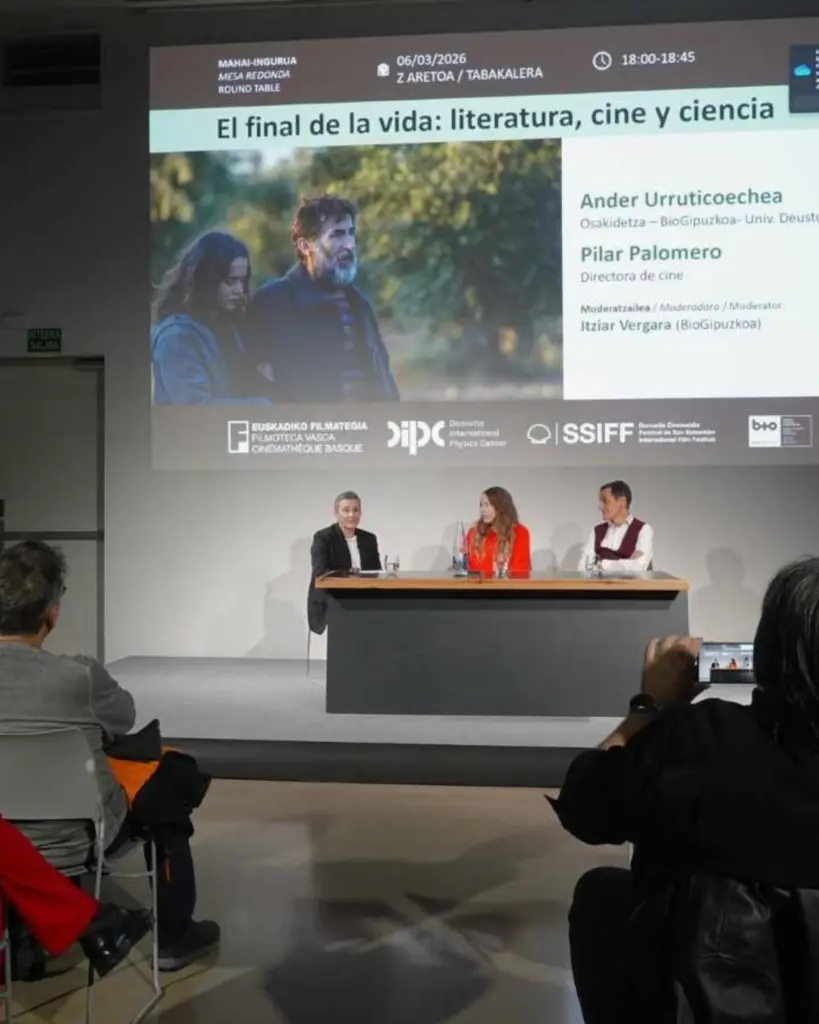
The programme extends beyond the main competition. New Directors introduces emerging filmmakers, Horizontes Latinos focuses on Latin American cinema, and Perlak presents acclaimed titles seen at other major international festivals. Zabaltegi-Tabakalera provides a more open platform in terms of style and format, while Culinary Zinema explores the relationship between film and gastronomy.
Together, these sections give the festival considerable breadth, spanning major premieres, new talent, Latin American filmmaking and more unconventional work.
At the Heart of the Festival
Festival activity extends across San Sebastián, with several venues forming its core. The Kursaal, overlooking Zurriola Beach, is one of the principal hubs for screenings and major events. Across the River Urumea, the historic Victoria Eugenia Theatre is another established venue, while Tabakalera, the International Centre for Contemporary Culture, also plays an important role in the programme.
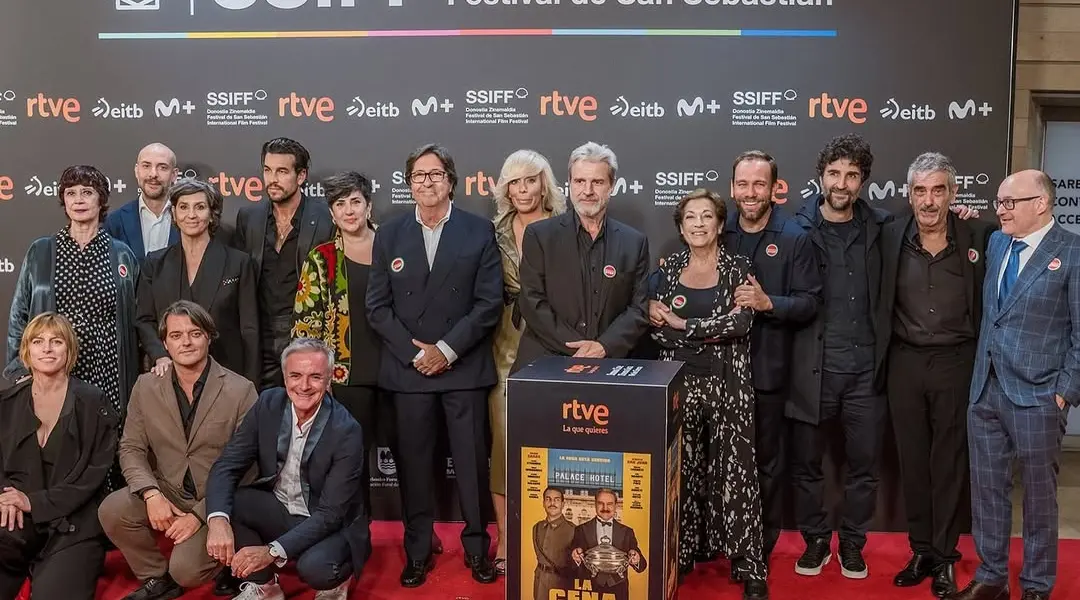
Their central locations allow the festival to become part of the city itself. Screenings, premieres, red carpets and visiting filmmakers bring particular energy to the Kursaal, Victoria Eugenia Theatre and surrounding streets.
Access, however, varies. Public screenings are separate from press areas, professional spaces and private events, while accreditation is reserved for defined industry and media groups. For most visitors, public screenings provide the most straightforward way to experience the festival, with a mix of headline premieres and less prominent programme selections offering the greatest variety.
Tickets, Access and Festival Planning
The programme changes with every edition, so detailed planning is best left until the official screening schedule and ticket information are released. Demand varies by film, venue and screening, making it sensible to identify priority titles before tickets become available.
Rather than filling every available hour, allow some flexibility between screenings. The compact centre makes this relatively easy: the Kursaal and Victoria Eugenia Theatre sit on opposite sides of the Urumea, with Parte Vieja and Gros nearby for meals or drinks between events.
Arriving early is sensible, particularly at major venues, and individual screenings or special events may have their own access arrangements. The official festival programme should therefore remain the definitive reference when planning a visit.
Dress also depends on the occasion. Smart casual clothing suits most ordinary screenings, while premieres, galas and invitation-only events may require a more polished approach.
Staying Close to the Action
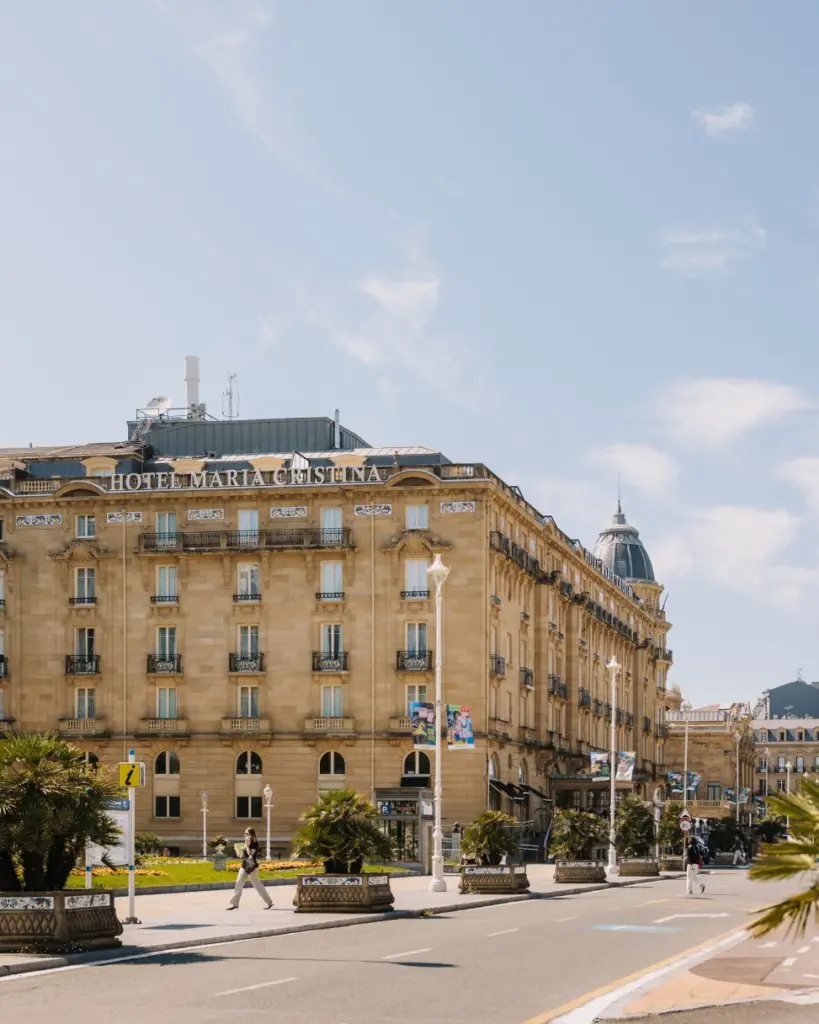
Accommodation can shape the festival experience, particularly when several screenings are planned across the day. Hotel Maria Cristina, a Luxury Collection Hotel, has a longstanding connection with the festival and occupies an especially convenient position close to the Victoria Eugenia Theatre and within easy reach of the Kursaal. For travellers who want to remain close to the centre of festival activity, it is the standout luxury choice.
Overlooking La Concha, Villa Favorita offers a more intimate alternative in a restored 19th-century villa, with 23 rooms, including sea-facing suites and destination dining within the hotel.
Nobu Hotel San Sebastián brings a more contemporary option to La Concha Bay, with the Nobu Suite at the top of its accommodation range, alongside a rooftop pool and Nobu restaurant overlooking the water.
For greater privacy, AKELARRE Hotel occupies a coastal setting on Mount Igeldo outside the busiest central areas. The AKELARRE Ocean Suite leads the accommodation, complemented by an adults-only spa and Pedro Subijana’s three-Michelin-starred restaurant. Its location suits travellers happy to trade immediate festival proximity for a quieter retreat.
San Sebastián at the Table
Dining is an important part of the San Sebastián experience. Three restaurants within the wider area hold three Michelin stars: Arzak, Akelarre and Martín Berasategui, each offering a compelling option for an evening away from the screening schedule.
Arzak remains one of the defining names in modern Basque cooking, led by Juan Mari and Elena Arzak. Akelarre pairs Pedro Subijana’s cuisine with panoramic views over the Bay of Biscay, while Martín Berasategui in nearby Lasarte-Oria is a destination in its own right.
Fine dining represents only one side of the city’s culinary culture. The pintxos bars of Parte Vieja and Gros provide a more flexible option between screenings, allowing several stops to replace a lengthy restaurant reservation.
The festival reinforces this connection through Culinary Zinema, its established programme dedicated to film and gastronomy. For travellers interested in both, it is one of the elements that gives San Sebastián its distinctive festival identity.
Reservations at sought-after restaurants are worth arranging alongside accommodation and priority screenings, particularly when planning longer tasting menus.
Time Beyond the Screenings
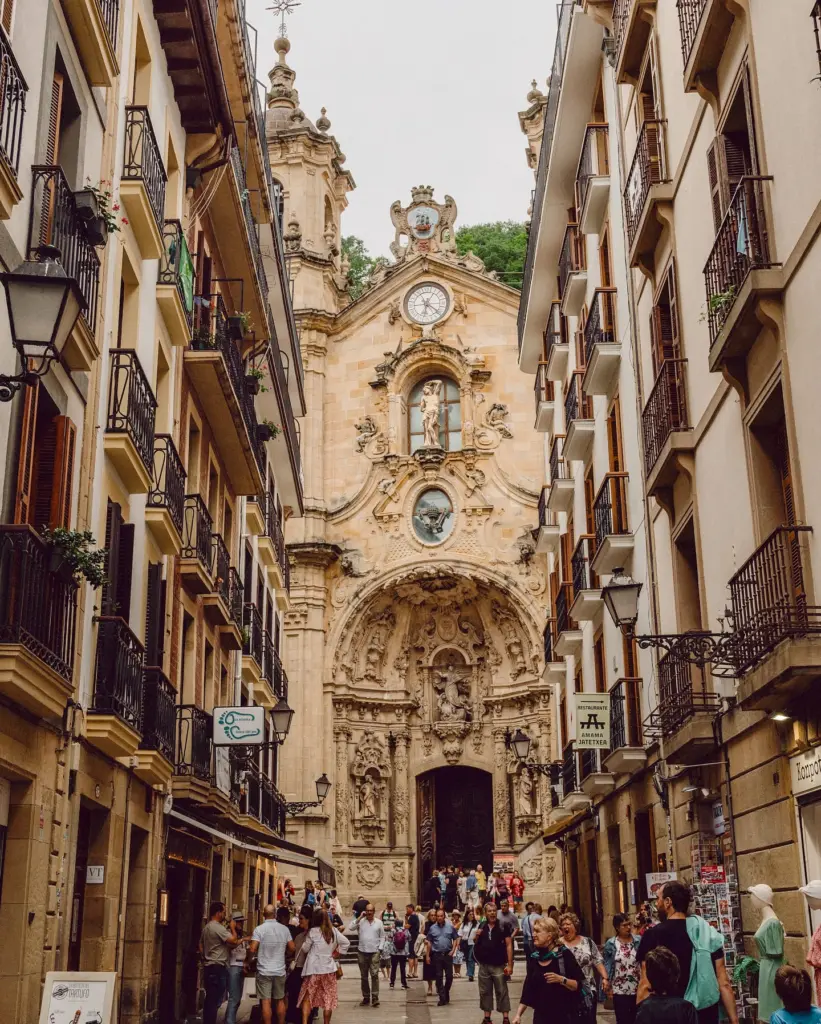
La Concha provides an easy change of pace between festival commitments, whether for a morning walk along the promenade or time by the waterfront before an evening screening. Parte Vieja combines historic streets with the city’s pintxos culture, while Gros places cafés, restaurants and Zurriola Beach close to the Kursaal.
With more time, the Basque coastline makes a worthwhile extension. Getaria is particularly appealing for seafood and coastal scenery, while a spa afternoon or leisurely lunch outside the centre offers a quieter counterpoint to consecutive days of screenings.
San Sebastián’s Place on the Festival Circuit
The San Sebastián Film Festival pairs the stature of an international cinema event with a setting that rewards time beyond the programme. Walkable central venues, exceptional dining, refined hotels and the Basque coast make it particularly well suited to travellers looking to build a sophisticated city stay around serious cinema.