

All products are independently selected by our editors. If you buy something, we may earn an affiliate commission.
Edinburgh reaches its cultural peak each August when the Edinburgh International Festival welcomes many of the world’s leading orchestras, opera companies, ballet ensembles and theatre productions. Established as a celebration of artistic excellence, it remains one of Europe’s defining cultural events, drawing discerning audiences to Scotland’s capital for several weeks of exceptional performances in some of its most celebrated venues. With thoughtful planning, the festival also provides an ideal opportunity to experience Edinburgh’s finest hotels, acclaimed restaurants and historic landmarks.
A Celebration That Defines Edinburgh’s Cultural Calendar
Founded in 1947 to foster international cultural exchange in the years following the Second World War, the Edinburgh International Festival has grown into one of the world’s foremost arts festivals. Each edition presents a carefully curated programme spanning classical music, opera, theatre, dance and contemporary performance, bringing together internationally recognised artists alongside emerging talent.
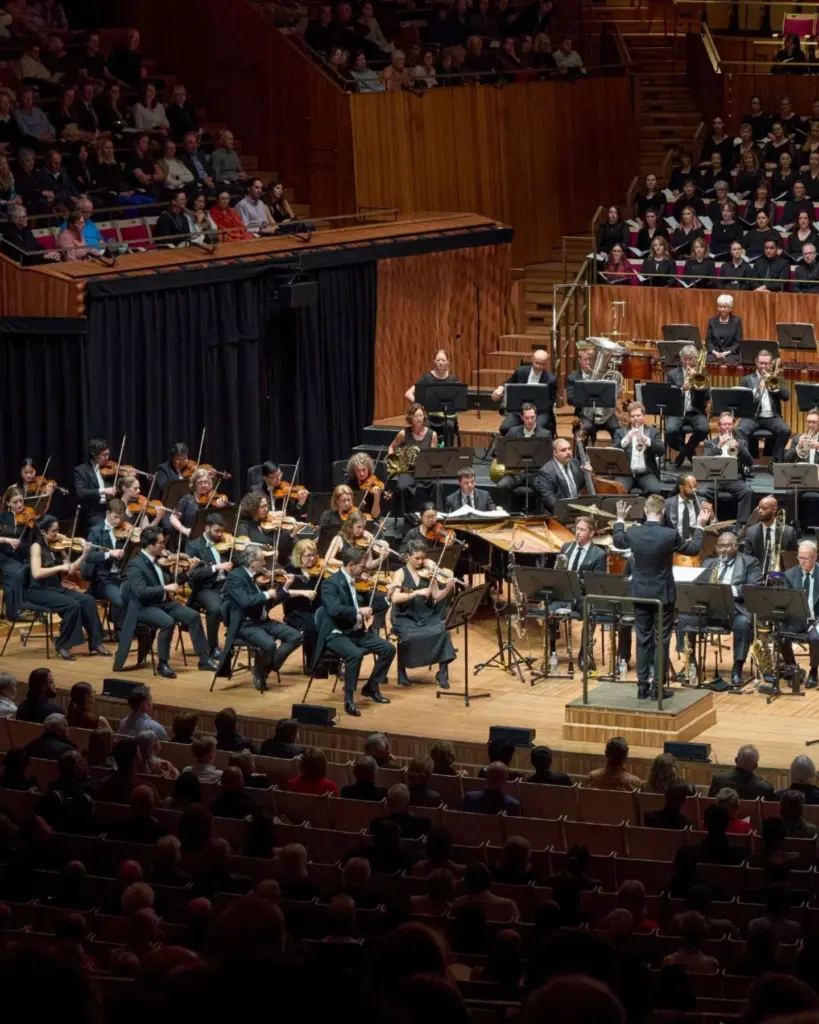
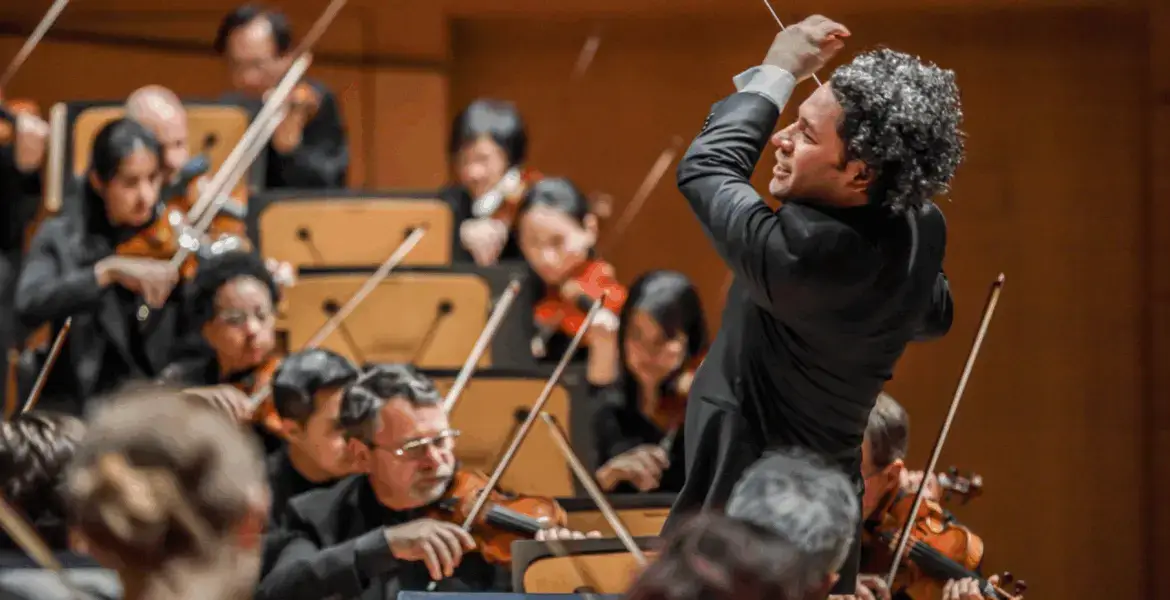
The festival’s reputation rests on its commitment to artistic quality rather than scale alone. Leading organisations such as the Vienna Philharmonic, London Symphony Orchestra, Royal Concertgebouw Orchestra and major opera companies have all appeared over the years, while celebrated conductors, soloists and choreographers continue to shape each season’s programme. The result is an atmosphere that feels both prestigious and welcoming, with Edinburgh’s streets, theatres and public spaces animated by a shared appreciation for the performing arts.
Two Festivals, Two Distinct Experiences
Visitors often arrive expecting a single festival, yet two very different events define August in Edinburgh.
The Edinburgh International Festival is a curated programme featuring established artists and internationally acclaimed productions. Performances are ticketed, carefully selected and staged in many of the city’s most distinguished venues, making it particularly appealing for travellers seeking world-class opera, orchestral concerts, ballet and theatre.
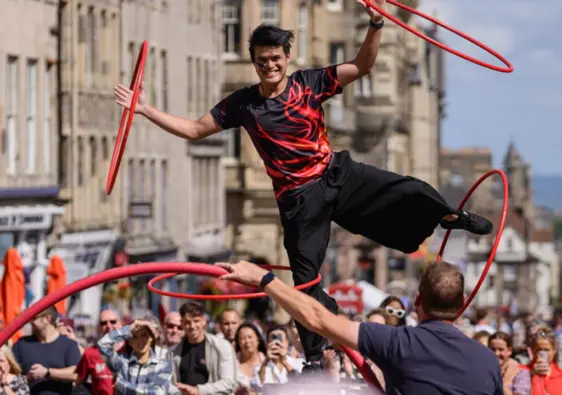
Running alongside it, the Edinburgh Festival Fringe embraces an open-access model that welcomes thousands of performers from around the world. Comedy, cabaret, experimental theatre, spoken word and independent productions dominate its programme, creating an energetic atmosphere across venues ranging from historic pubs to converted churches.
Many visitors choose to combine both. Evenings may be devoted to a major orchestral performance or opera, while afternoons offer the chance to discover acclaimed Fringe productions before returning to the elegance of the International Festival.
The City’s Grand Stages
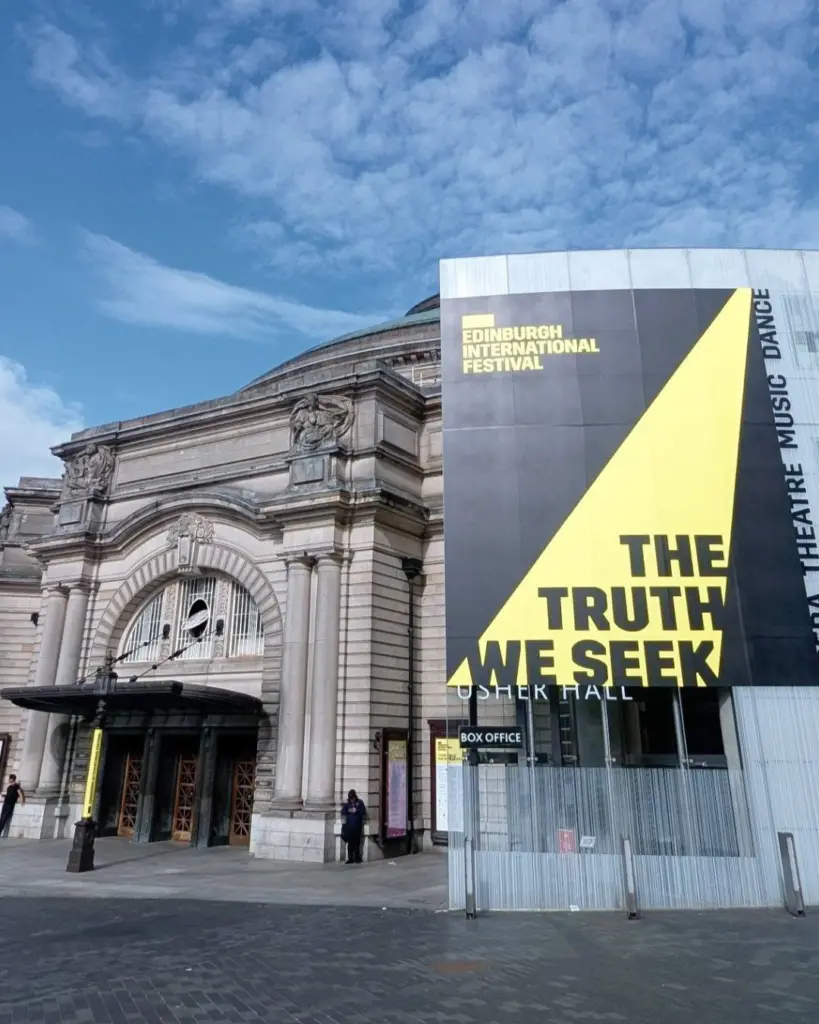
The festival’s venues are as much a part of the experience as the performances themselves.
Usher Hall remains the principal home for symphonic concerts, admired for its remarkable acoustics and regularly hosting many of the world’s leading orchestras. Its Edwardian architecture and intimate atmosphere make it one of Britain’s finest concert halls.
Festival Theatre serves as the festival’s principal venue for opera and ballet. Productions by internationally renowned companies are staged here, supported by excellent sightlines and modern facilities within a beautifully restored theatre.
For chamber music and smaller-scale performances, The Queen’s Hall provides a more intimate setting inside a converted nineteenth-century church, while The Hub, recognised by its distinctive Gothic spire on the Royal Mile, acts as the festival’s headquarters and hosts talks, recitals and special events throughout the season.
Several performances also take place in historic churches and distinctive cultural spaces across Edinburgh, allowing visitors to experience the city itself as an extension of the festival.
Planning an Effortless Festival Stay
Accommodation and premium tickets are among the first to sell out, making early planning essential. Booking several months in advance provides the greatest choice of performances while securing preferred seating and luxury accommodation before peak demand.
A stay of four or five nights allows time to enjoy several performances without rushing between attractions, while also leaving space to experience Edinburgh beyond the concert halls.
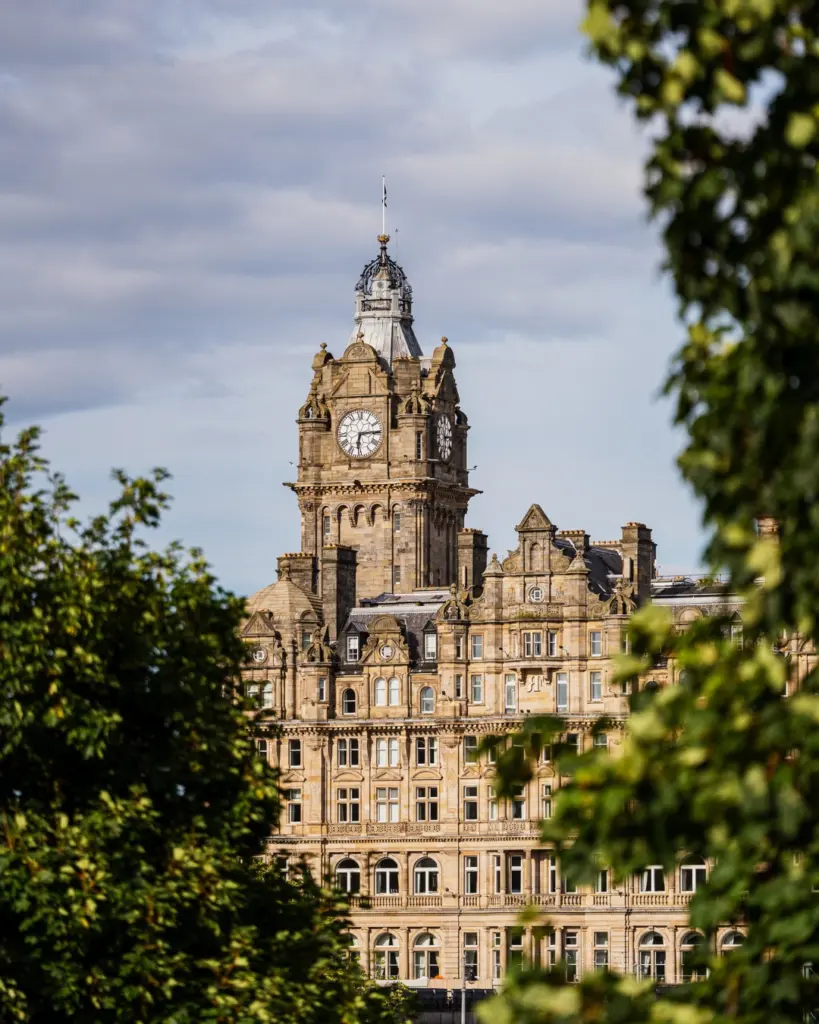
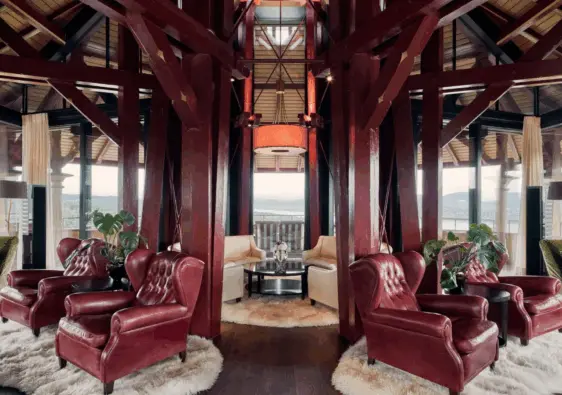
Among the city’s finest addresses, The Balmoral combines landmark architecture with impeccable service just moments from Waverley Station and many festival venues. 100 Princes Street offers an intimate boutique experience overlooking Edinburgh Castle, while Gleneagles Townhouse brings the renowned hospitality of the Gleneagles estate into the heart of the city with elegant rooms and an exclusive wellness club.
Those seeking greater seclusion often favour Prestonfield House, whose historic interiors and landscaped grounds provide a peaceful retreat only a short drive from the city centre. For something entirely distinctive, Fingal, the luxury floating hotel permanently moored in Leith, offers a memorable alternative to a traditional city stay.
Edinburgh’s compact centre makes many venues easily accessible on foot, although taxis and private chauffeur services are particularly valuable after evening performances. Restaurant reservations should be made well in advance, especially for Michelin-starred establishments, as August represents one of the busiest periods in the city’s calendar. While formal evening wear is unnecessary, smart attire remains appropriate for opera, ballet and gala performances.
Dining Between Curtain Calls
Edinburgh’s dining scene complements the festival with restaurants well suited to leisurely lunches, pre-theatre dinners and celebratory evenings.
For Michelin-starred dining, The Kitchin continues to showcase Scotland’s seasonal larder through refined tasting menus, while Restaurant Martin Wishart offers elegant French-inspired cuisine in nearby Leith. Lyla has quickly established itself among the city’s most sought-after fine dining destinations, and Timberyard presents contemporary Scottish cooking within a beautifully restored warehouse. Heron, overlooking the Water of Leith, provides an understated yet sophisticated setting for inventive tasting menus.
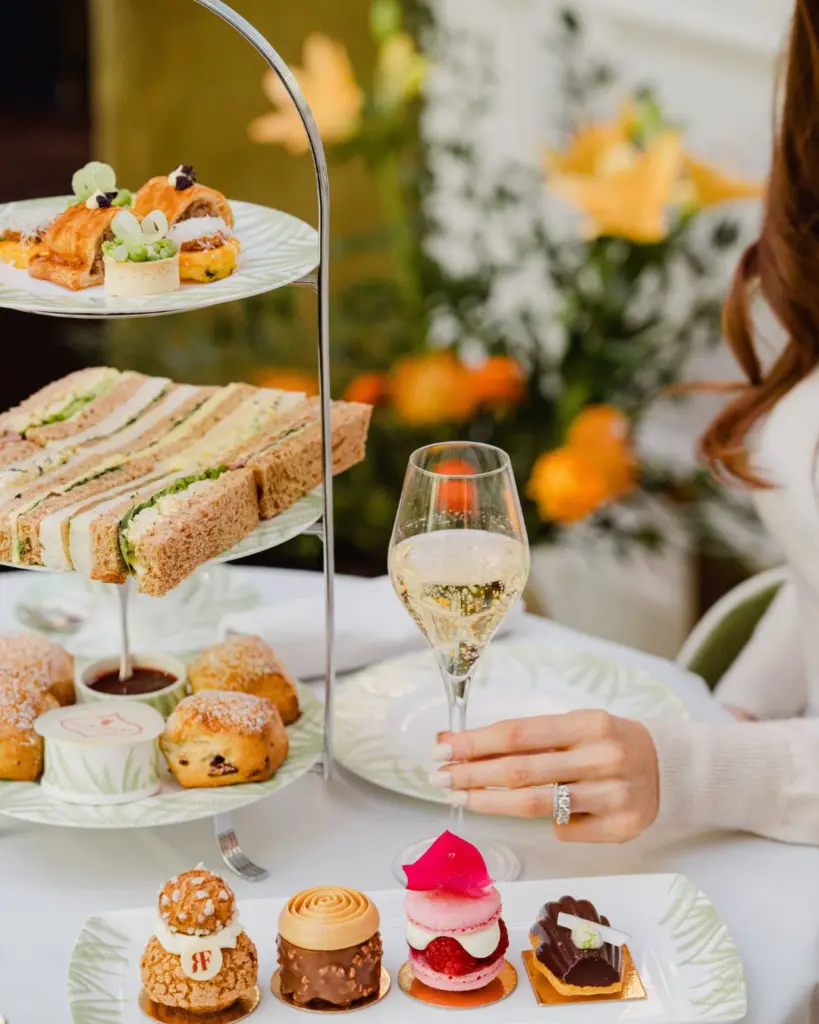
Afternoons between performances lend themselves to traditional afternoon tea beneath the palm court dome at The Balmoral, while Gleneagles Townhouse offers a stylish alternative in a more contemporary setting.
As evening performances conclude, cocktail bars such as Panda & Sons, Hey Palu, The Register Club and SCOTCH at The Balmoral provide refined surroundings for a final drink before returning to the hotel.
Beyond the Festival Programme
Although performances define the festival, Edinburgh offers no shortage of cultural experiences during the hours between them.
A visit to Edinburgh Castle provides sweeping views across the city and a closer look at Scotland’s royal history, while the Scottish National Gallery houses works by Titian, Vermeer, Turner and the Scottish Colourists. The Royal Yacht Britannia, berthed in Leith, offers an insight into decades of royal travel through its preserved State Apartments and Royal Deck Tea Room.
George Street and Multrees Walk remain the city’s leading destinations for luxury shopping, home to designer boutiques, jewellers and Harvey Nichols. Whisky enthusiasts can arrange private tastings with expert guidance, while those wishing to explore beyond the capital can enjoy day trips to St Andrews, the rolling landscapes of the Scottish Borders or the celebrated estate of Gleneagles, all within comfortable reach.
Edinburgh at Its Most Refined
The Edinburgh International Festival has earned its reputation through an unwavering commitment to artistic excellence, bringing exceptional performers to a city whose historic setting enhances every visit. Combined with distinguished hotels, outstanding dining and Scotland’s rich cultural heritage, it offers a rewarding city break that extends well beyond the final curtain, making it one of Europe’s most compelling cultural experiences.