


All products are independently selected by our editors. If you buy something, we may earn an affiliate commission.
For a few remarkable weeks each summer, Edinburgh becomes one of the world’s great cultural capitals. Historic theatres, university buildings, churches and public squares are transformed into performance spaces as the Edinburgh Festival Fringe welcomes artists and audiences from across the globe. Alongside its extraordinary programme, the city offers the refined hotels, acclaimed restaurants and historic character that make the experience especially rewarding for luxury travellers.
Whether visiting for a long weekend or a week of cultural immersion, thoughtful planning makes all the difference.
A City Transformed by Performance
The Edinburgh Festival Fringe runs alongside the Edinburgh International Festival, creating an atmosphere unlike any other in Europe. While the International Festival showcases a curated programme of opera, classical music, dance and theatre, the Fringe remains open to anyone with a story to tell. That openness has helped launch the careers of countless performers and established the festival as a global platform for creative talent.
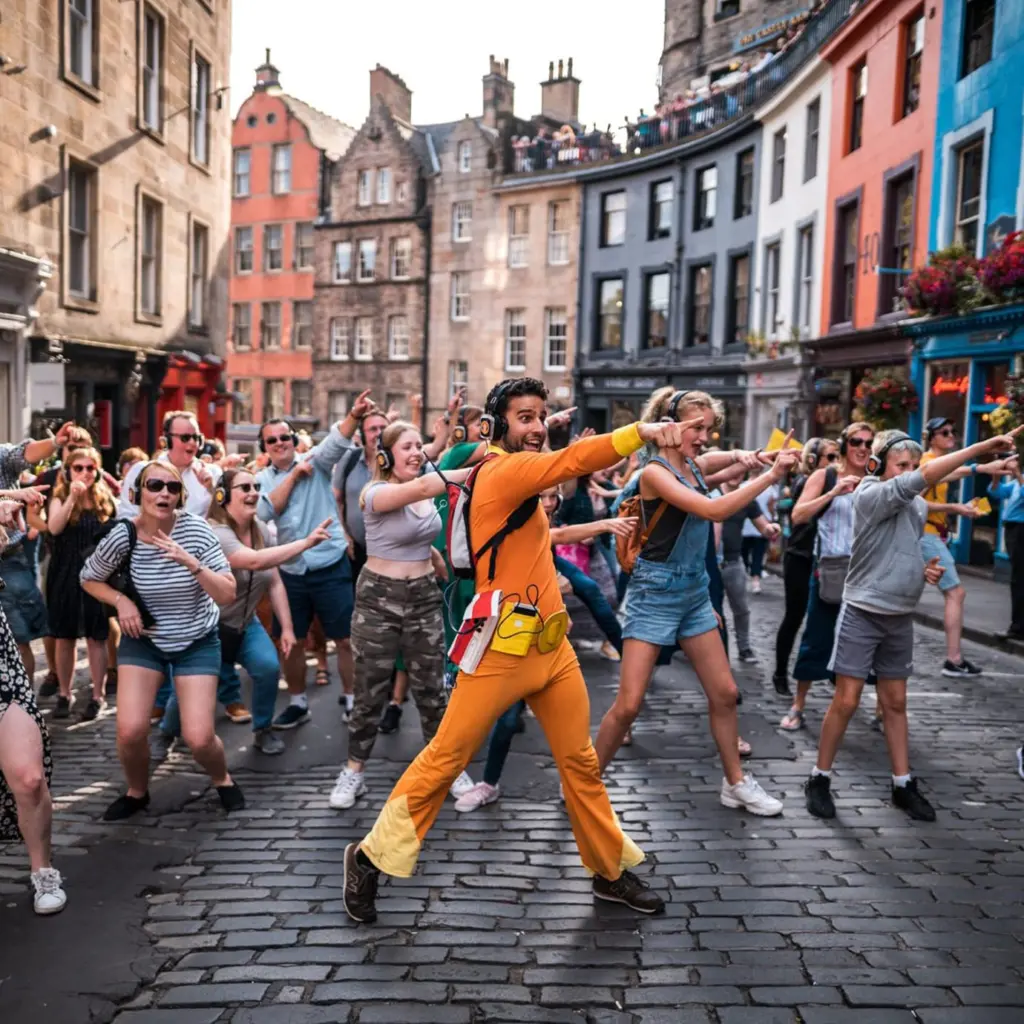
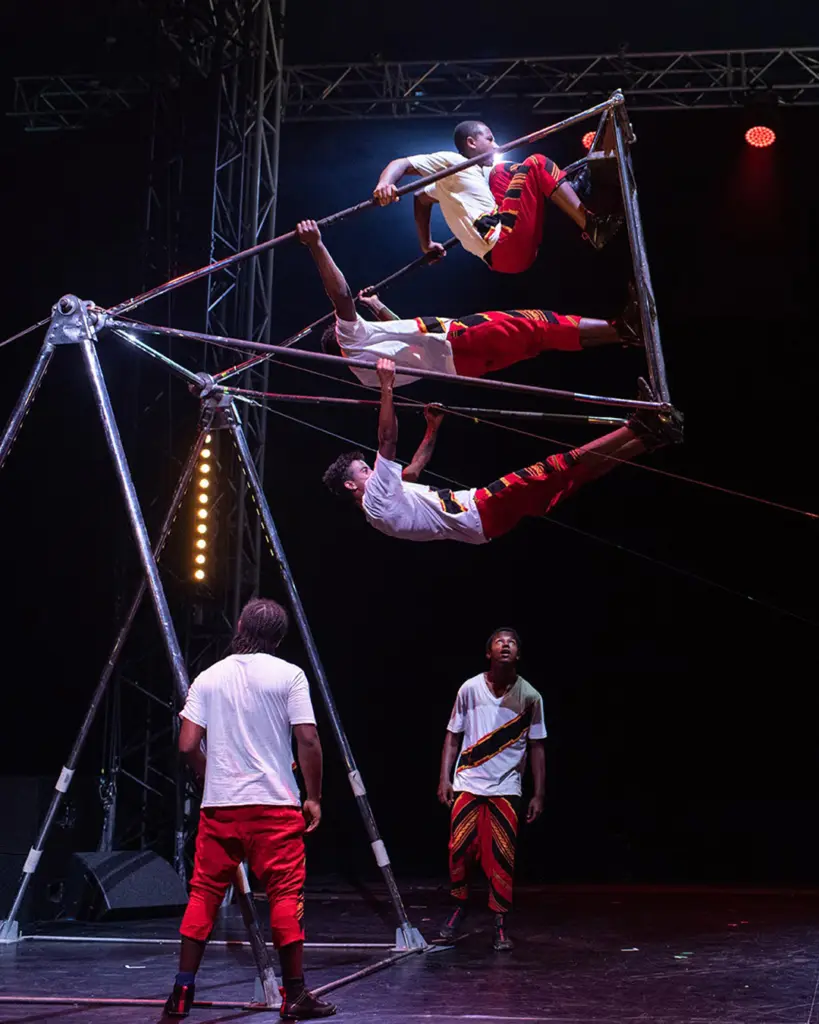
Performances take place in grand theatres, university lecture halls, church crypts, historic buildings and temporary venues across the city. Comedy remains one of the festival’s biggest draws, but theatre, cabaret, spoken word, music, circus and family productions all feature prominently.
The city’s compact layout means much of the festival unfolds within walking distance. The Royal Mile, Grassmarket, George Square and Bristo Square become lively meeting points where street performers entertain crowds throughout the day, making the journey between venues part of the experience rather than simply a means of getting around.
Stages That Shape the Festival
Although hundreds of venues participate each year, a handful have become synonymous with the Fringe itself.
Pleasance Courtyard is one of the festival’s most influential venues, particularly for contemporary theatre and stand-up comedy. Many productions that later transfer to London’s West End or embark on international tours first find an audience here.
Assembly Rooms, housed in an elegant Georgian building on George Street, hosts everything from acclaimed theatre and musical productions to family entertainment, while Assembly Hall offers one of the Fringe’s most impressive performance spaces within a church.
The distinctive purple cow of Underbelly has become an instantly recognisable festival landmark, presenting an eclectic programme spanning comedy, circus and theatrical productions.
Gilded Balloon has long been associated with emerging comedians, while Traverse Theatre is widely respected for new writing and thought-provoking contemporary drama. Those seeking more experimental performances often gravitate towards Summerhall, where exhibitions, theatre and multidisciplinary works share a former veterinary college.
Rather than trying to visit every venue, focus on productions that genuinely interest you. The best Fringe experiences often come from discovering exceptional performances in unexpected places.
Building a Fringe Worth Remembering
With thousands of performances taking place over the festival, deciding what to see can feel overwhelming.
Booking several headline productions before arriving provides structure, particularly for award-winning theatre or established comedians whose shows regularly sell out. Beyond those anchor bookings, leaving space for spontaneous choices often leads to the most memorable discoveries.
Reading reviews after the opening days can also help identify breakout productions gathering critical acclaim. Many past Fringe successes began as relatively unknown performances before becoming some of the festival’s most sought-after tickets.
When planning each day, allow generous time between performances. Edinburgh’s streets become exceptionally busy during August, and rushing across the city leaves little opportunity to enjoy the atmosphere that makes the festival so distinctive.
The Hours Between Applause
The Fringe rewards those who treat Edinburgh itself as part of the itinerary.
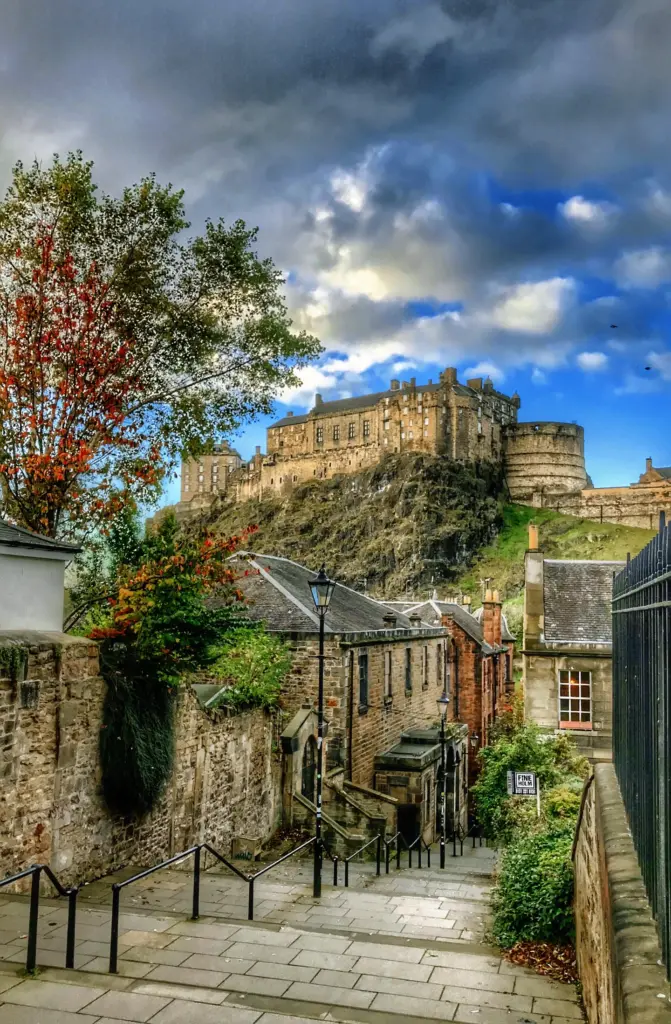
Begin the day exploring the cobbled streets of the Old Town before crowds build around the Royal Mile. Edinburgh Castle remains one of Scotland’s defining landmarks, while nearby Victoria Street’s colourful shopfronts house independent boutiques, whisky specialists and artisan retailers.
For a quieter pace, Stockbridge offers elegant Georgian streets lined with galleries, cafés and specialist food shops, while the New Town provides luxury shopping along George Street and Multrees Walk, home to brands including Louis Vuitton, Burberry and Harvey Nichols.
Afternoon tea at The Balmoral, overlooking Princes Street, provides a welcome pause between performances, while an evening cocktail at The Register Club or Nor’ Loft offers refined surroundings before heading back to the festival.
Those interested in Scotland’s whisky heritage may prefer a private tasting at Johnnie Walker Princes Street, where curated experiences explore regional styles alongside panoramic views across the city skyline.
The Festival at Its Most Comfortable
Choosing the right hotel shapes the entire festival experience.
The Balmoral remains one of Edinburgh’s finest addresses, placing guests within easy walking distance of Waverley Station, the Royal Mile and many major Fringe venues. Its Michelin-recommended restaurant, Number One, and tranquil spa make it equally appealing after a full day of performances.
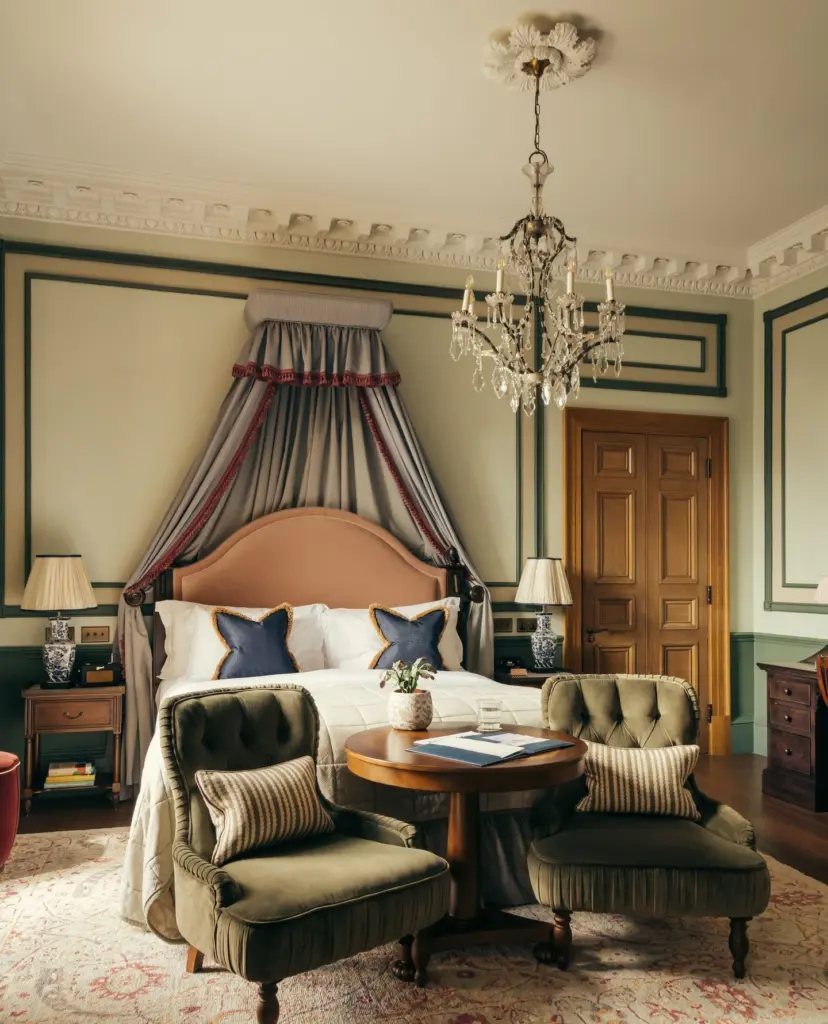
Gleneagles Townhouse combines private members’ club ambience with beautifully appointed rooms on St Andrew Square, while The Witchery by the Castle offers one of the city’s most atmospheric stays just moments from Edinburgh Castle.
Overlooking Princes Street Gardens, The Caledonian Edinburgh, Curio Collection by Hilton provides spacious accommodation with excellent transport connections, while Kimpton Charlotte Square suits travellers seeking contemporary luxury in the heart of the Georgian New Town.
Dining reservations deserve as much attention as theatre bookings. The Kitchin continues to define modern Scottish fine dining through seasonal ingredients, while Restaurant Martin Wishart has long been regarded as one of Edinburgh’s culinary landmarks. Timberyard offers thoughtful tasting menus in a beautifully restored warehouse, and Condita delivers an intimate multi-course experience.
August is one of Edinburgh’s busiest months, making reservations essential for both restaurants and accommodation.
Walking remains the quickest way to travel between most central venues, although licensed black cabs are readily available when schedules become tight. Comfortable footwear, a lightweight waterproof jacket and realistic gaps between performances will make each day considerably more enjoyable than trying to fit too much into a packed itinerary.
A Longer Stay, A Richer Journey
The Fringe also provides an excellent starting point for exploring more of Scotland.
A stay at Gleneagles combines championship golf, falconry, country pursuits and one of Britain’s most celebrated luxury hotels. Those heading east can continue to St Andrews, where historic streets, championship links and coastal scenery create a rewarding contrast to Edinburgh’s festival atmosphere.
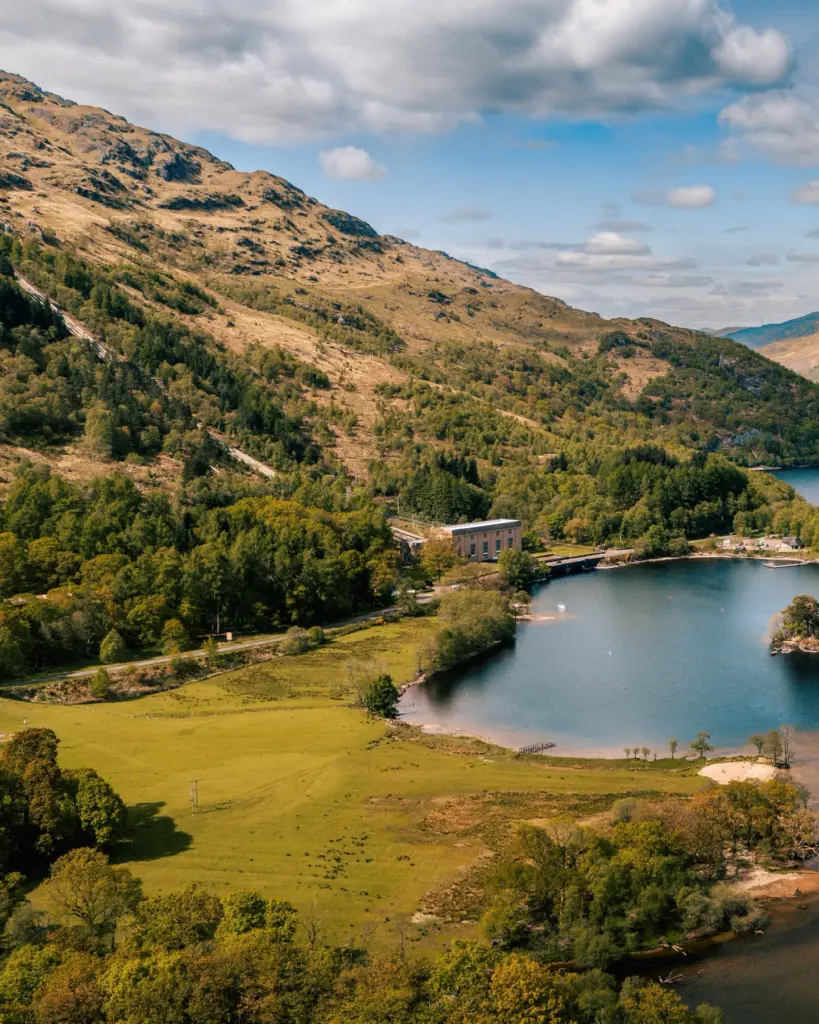
Further north, the Highlands offer private estates, scenic rail journeys and whisky distilleries, while Speyside remains one of Scotland’s finest destinations for private tastings and distillery tours. Travellers seeking lochside tranquillity may prefer a few days around Loch Lomond, where luxury hotels and outdoor pursuits provide a slower pace after the energy of the festival.
An Edinburgh Tradition Unlike Any Other
No two editions of the Edinburgh Festival Fringe are ever the same. Productions change, new performers emerge, and unexpected successes become the festival’s defining stories. Yet the appeal remains remarkably consistent.
World-class entertainment, historic surroundings and exceptional hospitality make the Fringe one of Europe’s most rewarding cultural experiences. With carefully chosen performances, well-planned reservations and time to appreciate the city between shows, a visit becomes far more than a festival break. It becomes an opportunity to experience Edinburgh at its most vibrant.