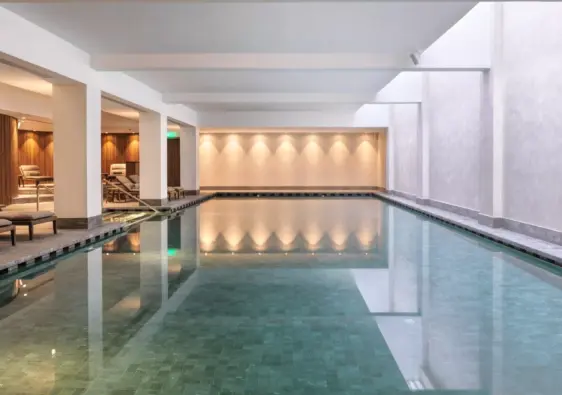



All products are independently selected by our editors. If you buy something, we may earn an affiliate commission.
London’s relationship with extreme wealth extends well beyond its most expensive postcodes. The leading billionaire hotspots in London span private members’ clubs, grand hotels, bespoke tailors, auction houses and closely guarded residential streets, forming a network of addresses shaped around privacy, personal service and access to exceptional experiences.
Mayfair accounts for a significant share of these hotspots, reflecting its concentration of private clubs, luxury hotels, international fashion houses, art specialists and bespoke services. Elsewhere, Knightsbridge, Kensington, Belgravia, Notting Hill and Hampstead offer their own expressions of London’s ultra-high-net-worth lifestyle.
Private Clubs and Social Life
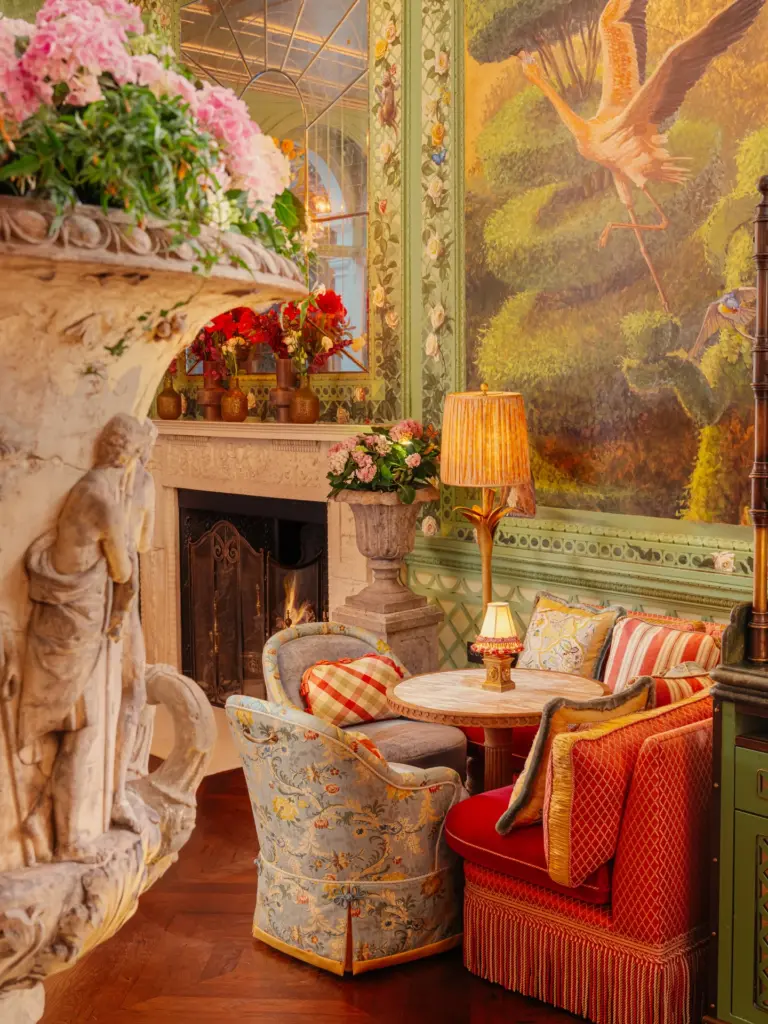
London’s private members’ clubs remain an important part of its discreet social landscape, particularly in Mayfair, where exclusivity, controlled access and private dining underpin some of the capital’s most established social addresses.
1. Oswald’s, Mayfair
Behind an understated entrance on Albemarle Street, Oswald’s is one of Mayfair’s most exclusive private members’ clubs. Founded by Robin Birley, it has built its reputation around discreet dining and wine, with members able to cellar their own bottles at the club. Its restaurants, bars and purpose-built wine cellar have attracted members and guests from royalty, business, politics, entertainment and the international art world, while its low public profile remains central to its appeal.
2. 5 Hertford Street, Mayfair
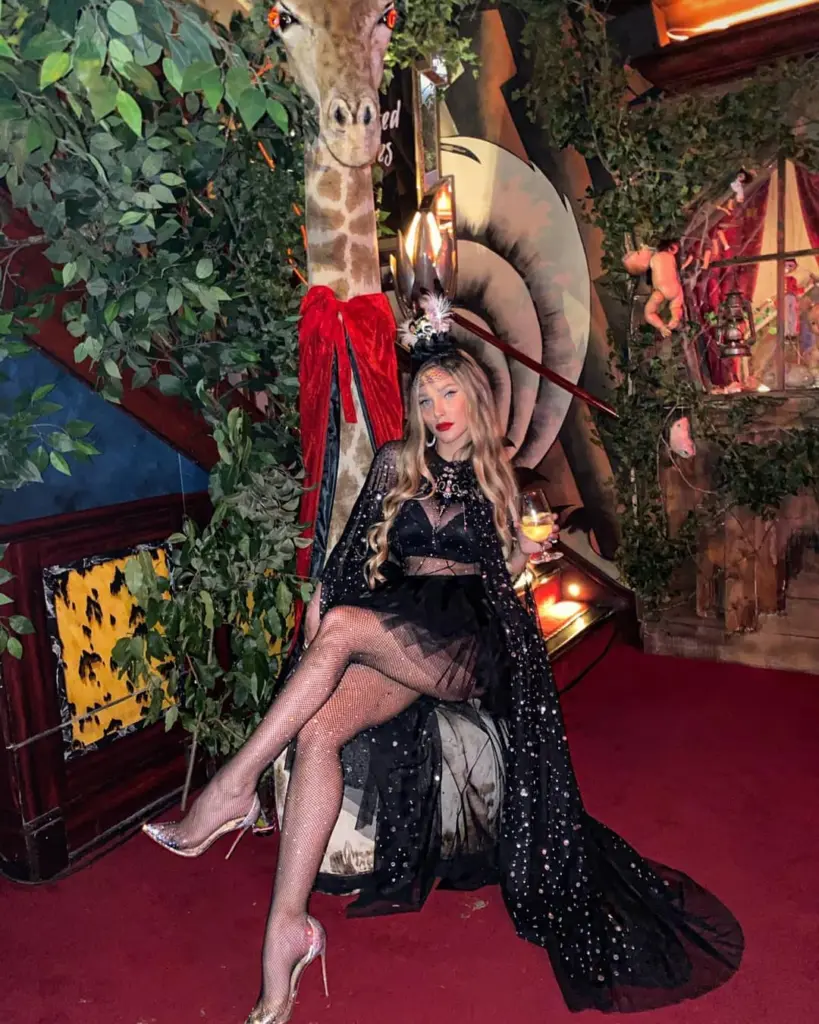
Also founded by Robin Birley, 5 Hertford Street occupies a townhouse in Shepherd Market, with richly decorated restaurants, bars and drawing rooms designed to feel more residential than conventional hospitality spaces. Downstairs, Loulou’s provides the club’s nightlife element, while access throughout remains limited to members and their guests. Its combination of dining, entertainment and closely guarded privacy has made it one of contemporary Mayfair’s defining private social addresses.
3. Annabel’s, Mayfair
Founded by Mark Birley in 1963, Annabel’s now occupies an entire Georgian townhouse at 46 Berkeley Square. Restaurants, bars, private event spaces, nightlife and a garden have transformed the original nightclub concept into an all-day members’ club, distinguished by elaborate interiors and its frequently changing floral façade. Its longevity and longstanding connections with royalty, international society and entertainment give Annabel’s a particularly established position within Mayfair’s private-club culture.
Dining and Luxury Hospitality
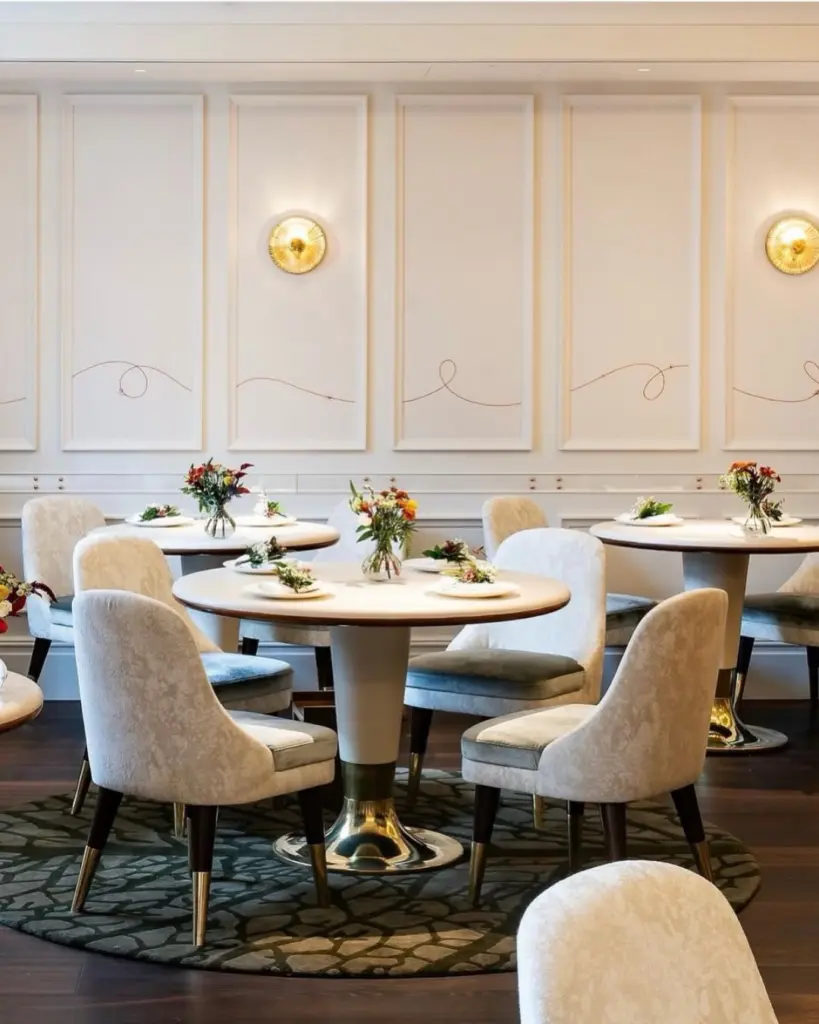
London’s grand hotels and most accomplished restaurants provide another side of its UHNW landscape, combining high-level accommodation and dining with privacy, personal service and spaces suited to private entertaining.
4. The Connaught, Mayfair
The Connaught occupies a prominent position on Carlos Place, with rooms and suites complemented by personal butler service throughout the hotel. Dining is equally significant: three-Michelin-starred Hélène Darroze at The Connaught offers a Chef’s Table, Sommelier’s Table and private dining, while The Connaught Grill, Connaught Bar and Connaught Cigar Merchants provide distinct settings within the property. Together, they make The Connaught as much a Mayfair social and dining address as a place to stay.
5. Claridge’s, Mayfair
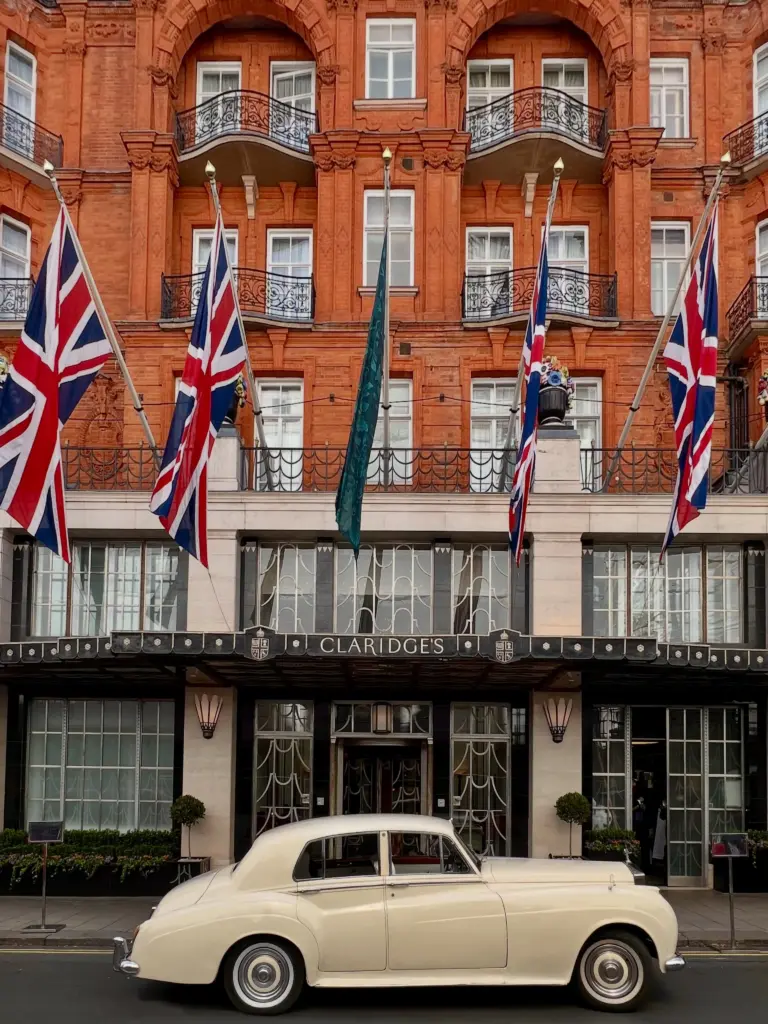
Claridge’s has long been one of Mayfair’s defining grand hotels, with a history closely connected to international royalty, state occasions and prominent private guests. Its accommodation ranges from rooms and suites to individually designed residences, including the Royal Suite, while Claridge’s Restaurant, Claridge’s Bar, The Fumoir, The Painter’s Room and Afternoon Tea in The Foyer & Reading Room give the hotel a substantial social life beyond its guestrooms.
6. Core by Clare Smyth, Notting Hill
Set on Kensington Park Road, Core by Clare Smyth holds three Michelin stars and centres its cooking on British ingredients sourced from dedicated farmers and producers. Seasonal and classic tasting menus sit alongside an à la carte option, while the Chef’s Table offers a more private experience with views directly into the kitchen. Its combination of culinary standing, polished service and intimate Notting Hill setting places it firmly within London’s highest tier of dining.
Shopping and Bespoke Luxury
London’s luxury retail landscape ranges from private shopping suites and high-jewellery salons to tailoring houses where garments are still constructed largely by hand, giving each of these addresses a distinct role within the private-client market.
7. Harrods, Knightsbridge
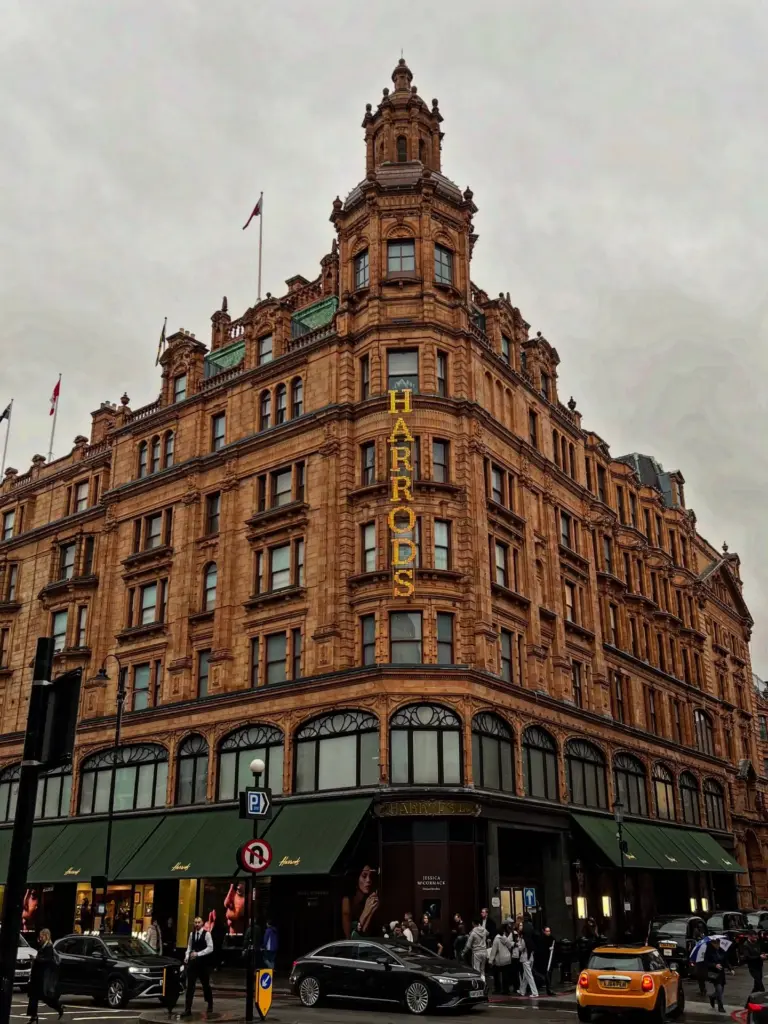
Harrods’ relevance at the highest end of London retail extends well beyond its public shop floors. Its Private Shopping service gives eligible clients dedicated Private Client Managers and Private Shoppers, access to private spaces including The Penthouse, and invitations to selected events and brand experiences. Appointments can draw on fashion, jewellery, watches, interiors and other departments, with remote assistance and, by arrangement, private shopping appointments at clients’ residences within Greater London.
8. Bond Street, Mayfair
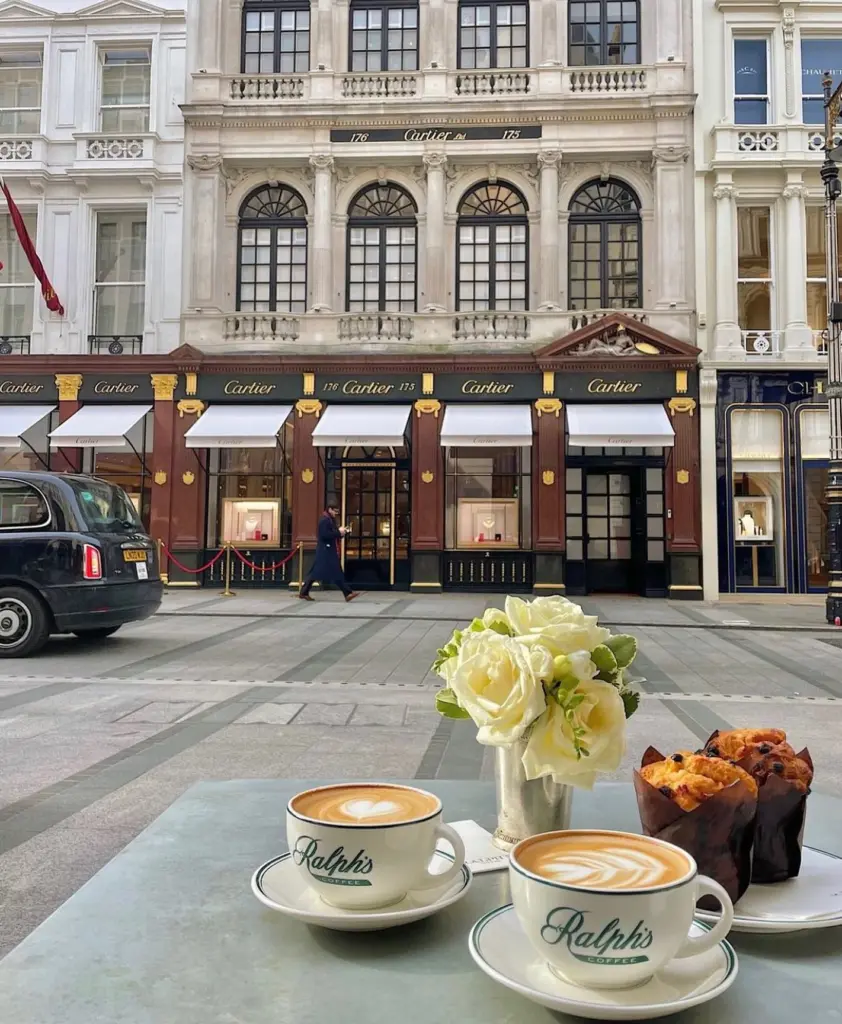
Bond Street concentrates many of the world’s leading fashion, jewellery and watch houses within a relatively short stretch of Mayfair. Cartier, Graff, Tiffany & Co., Patek Philippe, Richard Mille, Chanel, Dior and Louis Vuitton are among the names represented across Old and New Bond Street, with private consultations playing an important role at the highest end of the market. Galleries and auction houses add another dimension, making the street as relevant to collectors as it is to luxury shoppers.
9. Mount Street, Mayfair
Mount Street offers a quieter expression of Mayfair retail, with Goyard, The Row, Jessica McCormack, ERDEM and FoundRae among its luxury names. Its specialist boutiques sit alongside galleries, restaurants and Mount Street Gardens, while The Connaught anchors the surrounding neighbourhood. This more intimate combination of fashion, jewellery, dining and art gives Mount Street a distinct identity beside the larger international flagships of Bond Street.
10. Savile Row, Mayfair
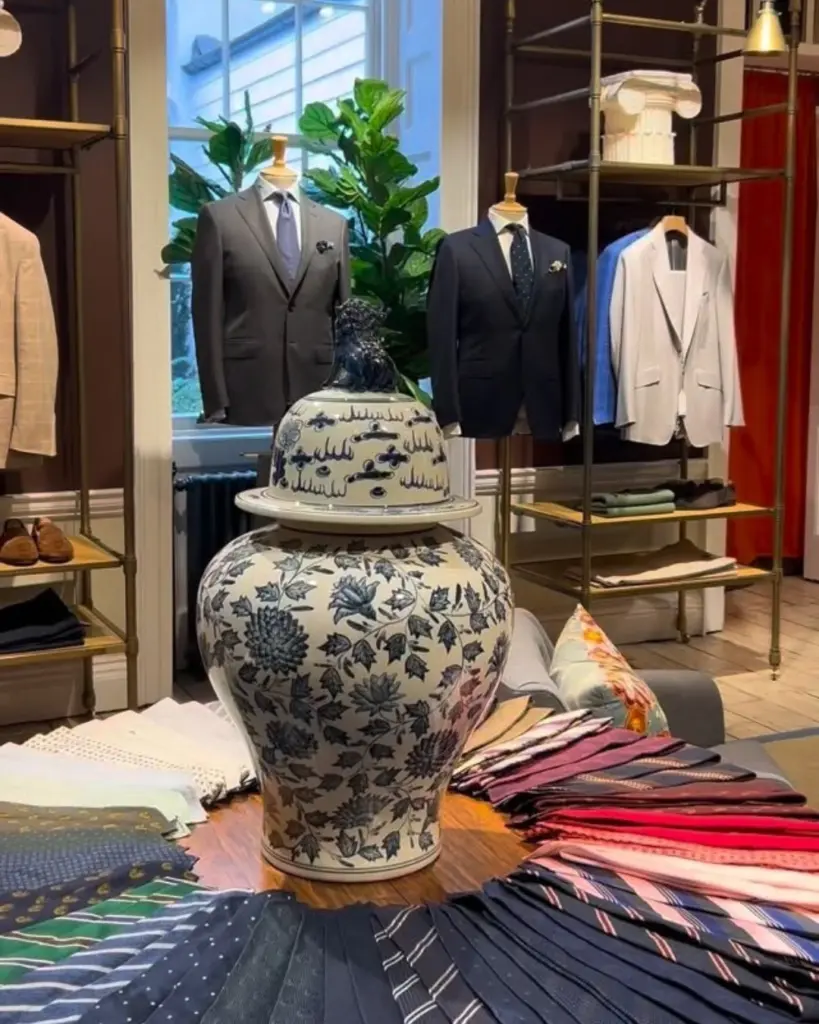
Savile Row has been associated with bespoke tailoring for more than two centuries, with Gieves & Hawkes, Dege & Skinner, Huntsman, Henry Poole & Co., Norton & Sons and Richard Anderson among the houses continuing the tradition. True Savile Row bespoke begins with an individually cut pattern and involves extensive handwork and repeated fittings, with a typical commission requiring around 50 hours of craftsmanship. That deeply personal process keeps the street relevant to an international private clientele despite the expansion of global luxury fashion.
Art, Collecting and Culture
London’s wealth landscape is also closely connected to collecting and cultural patronage, represented here by one of the international art market’s major auction houses and a leading contemporary-art institution.
11. Sotheby’s, New Bond Street
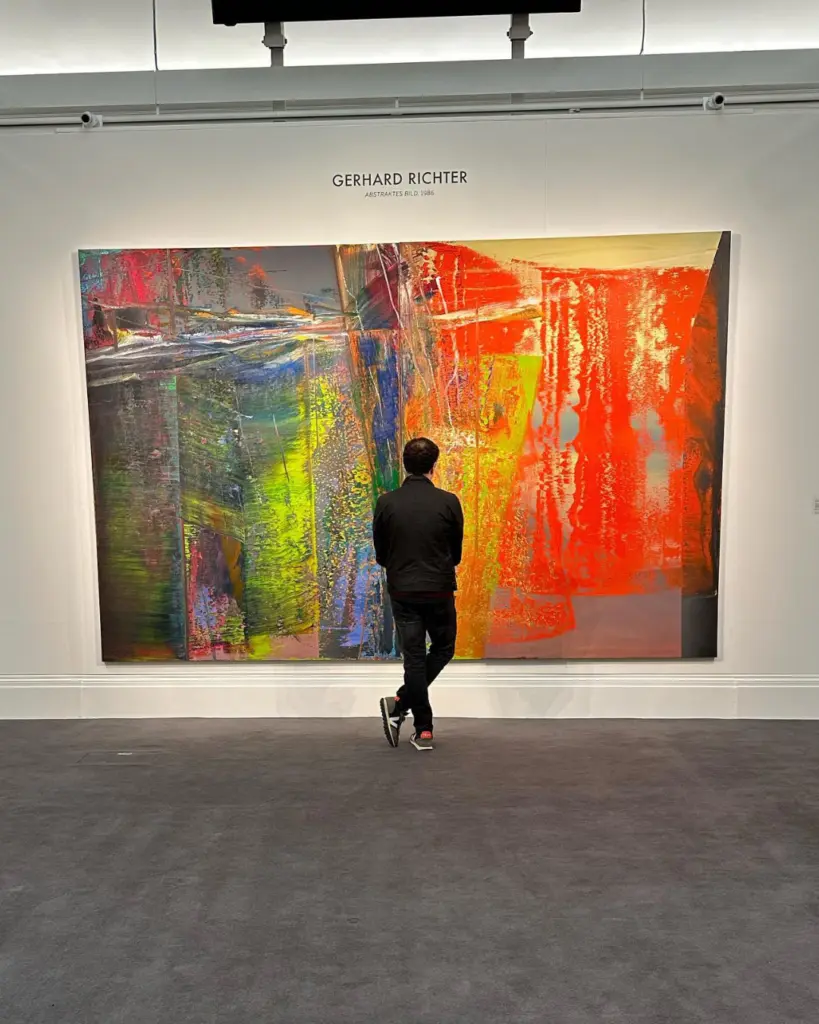
Sotheby’s has occupied New Bond Street since 1917, placing one of the international art market’s best-known auction houses directly within Mayfair’s luxury district. Its London sales span modern and contemporary art, Old Masters, jewellery, watches and other collecting fields, while private sales allow specialists to source and place works outside the public auction calendar. The Salon adds objects available for immediate purchase, extending the experience beyond traditional bidding.
12. Serpentine, Kensington Gardens
Serpentine operates two contemporary-art spaces in Kensington Gardens, with a programme spanning art, architecture and interdisciplinary projects. Its annual Serpentine Pavilion is particularly significant, commissioning an architect who has not previously completed a building in the UK to create a temporary summer structure beside Serpentine South. International programming, private support and cultural patronage place the institution firmly within London’s broader contemporary-art landscape.
London’s Most Exclusive Residential Enclaves
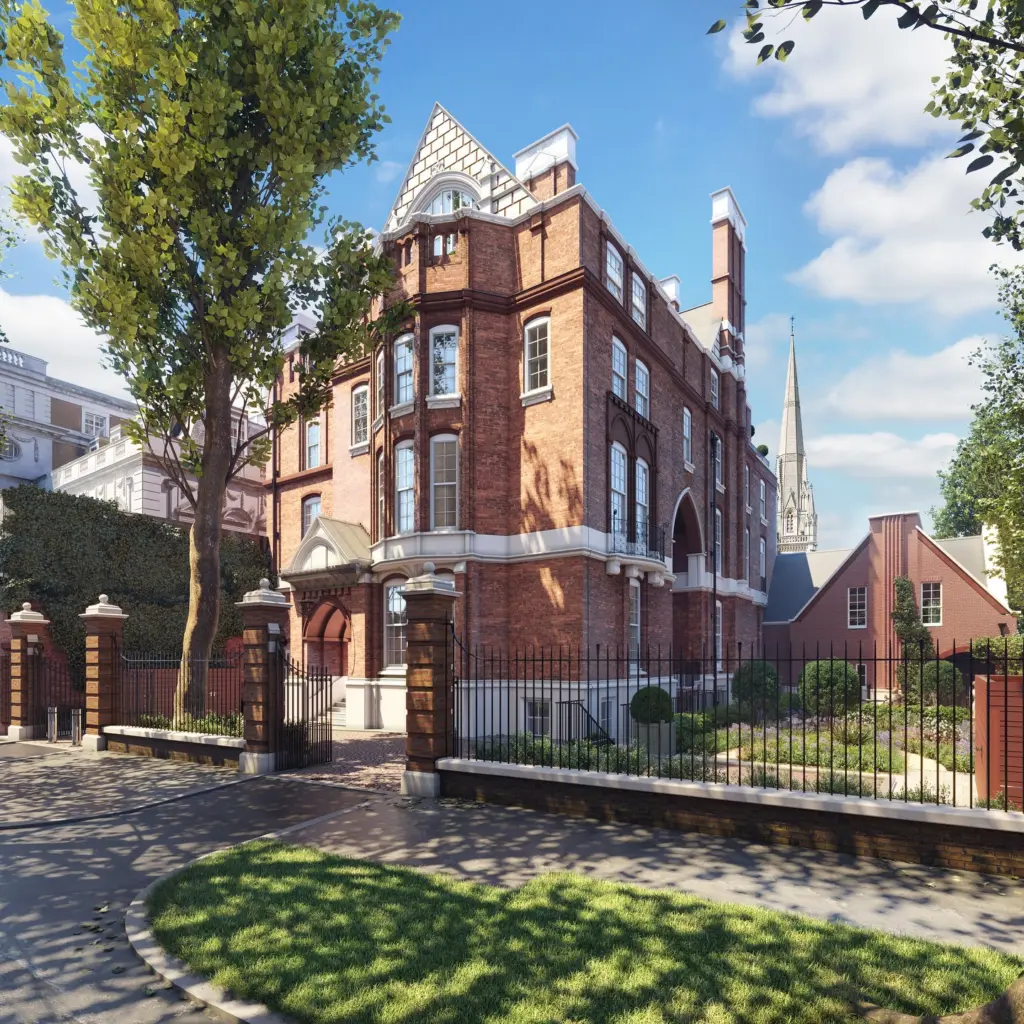
Some of London’s clearest associations with billionaire wealth are residential, with these three addresses distinguished by exceptional property, privacy and longstanding international ownership.
13. Kensington Palace Gardens, Kensington
Running beside Kensington Palace, Kensington Palace Gardens has long been known as “Billionaires’ Row”. The broad, tree-lined avenue has controlled access and contains substantial private residences alongside embassies and ambassadorial homes, with ownership historically including international billionaires and prominent business families. Exceptional security, proximity to Kensington Palace and the rarity of properties reaching the market have preserved its position among London’s most prestigious residential addresses.
14. Eaton Square, Belgravia
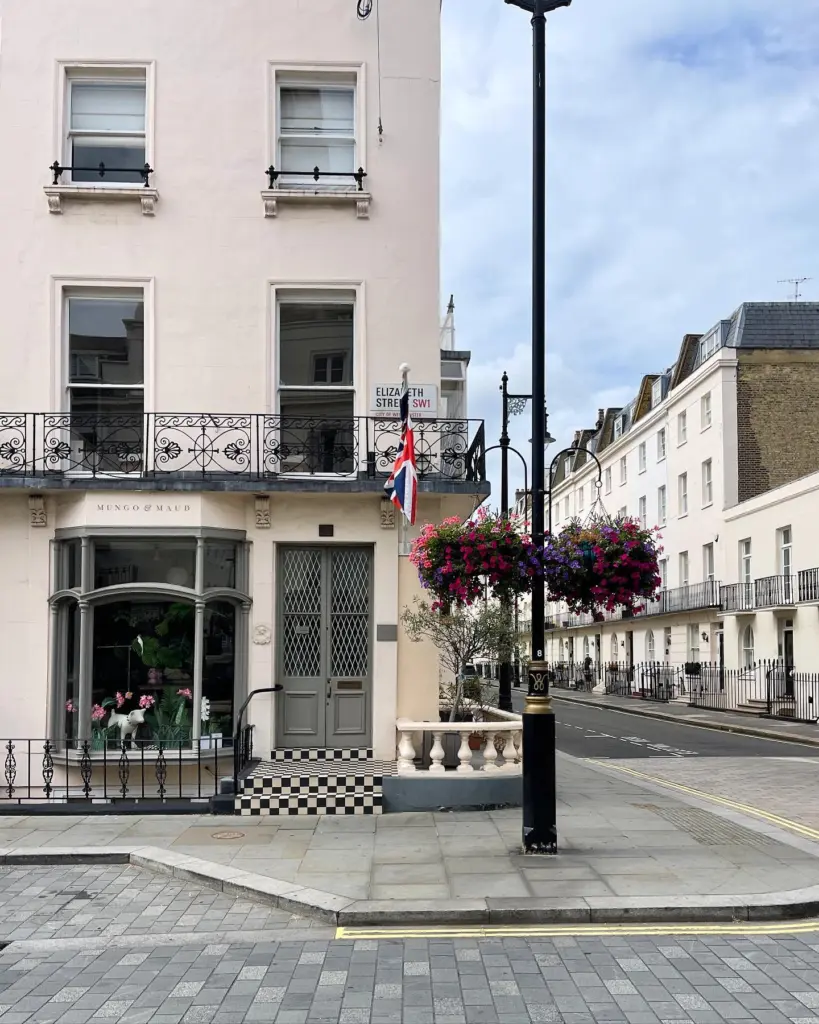
Eaton Square represents the classical face of London’s super-prime residential market, with long terraces of white stucco houses surrounding private gardens in the heart of Belgravia. Developed as part of the Grosvenor Estate, its substantial houses and apartments have attracted royal, diplomatic and international residents over generations. Proximity to Sloane Square, Knightsbridge and Buckingham Palace further reinforces its position within one of central London’s most valuable residential districts.
15. The Bishops Avenue, Hampstead/Highgate
Stretching between Hampstead Heath and East Finchley, The Bishops Avenue became known first as “Millionaires’ Row” and later “Billionaires’ Row”, with unusually large plots accommodating mansion-scale homes behind gates, walls and mature landscaping. Its ownership history has included international business figures and royalty, while extensive private grounds distinguish it from the terraces and garden squares of central London. Redevelopment is gradually changing parts of the avenue, but privacy, security and space remain fundamental to its appeal.
London’s billionaire landscape is unusually concentrated, with Mayfair accounting for much of its private social, hospitality, retail and collecting infrastructure. Yet extreme wealth takes different forms across the capital, whether expressed through bespoke tailoring on Savile Row, private shopping in Knightsbridge, contemporary art in Kensington or highly protected residential addresses in Kensington, Belgravia and north London.