

All products are independently selected by our editors. If you buy something, we may earn an affiliate commission.
February brings a particular discipline to Berlin. The city feels alert, purposeful, and quietly international as the Berlin International Film Festival takes hold. Berlinale does not announce itself through spectacle. Its authority lies in scale, seriousness, and access, drawing filmmakers, producers, distributors, and cultural institutions into a week that shapes conversations well beyond cinema.
For those accustomed to navigating the global festival circuit, Berlin offers something distinct. Less theatrical than the Riviera and less ceremonial than the lagoon, it remains one of the few festivals where influence is exercised without display.
Berlin’s February Tempo
Berlinale unfolds at a brisk, winter-set pace. Early mornings, compact schedules, and purposeful movement define the week. The cold sharpens focus rather than dampening it, and the city responds with characteristic efficiency.
This is not a festival of lingering lunches or open-air receptions. Days are structured around screenings and meetings, evenings around long, considered dinners. Preparation matters, both practically and socially. Those who understand the rhythm find the experience quietly energising.
Where the Festival Lives
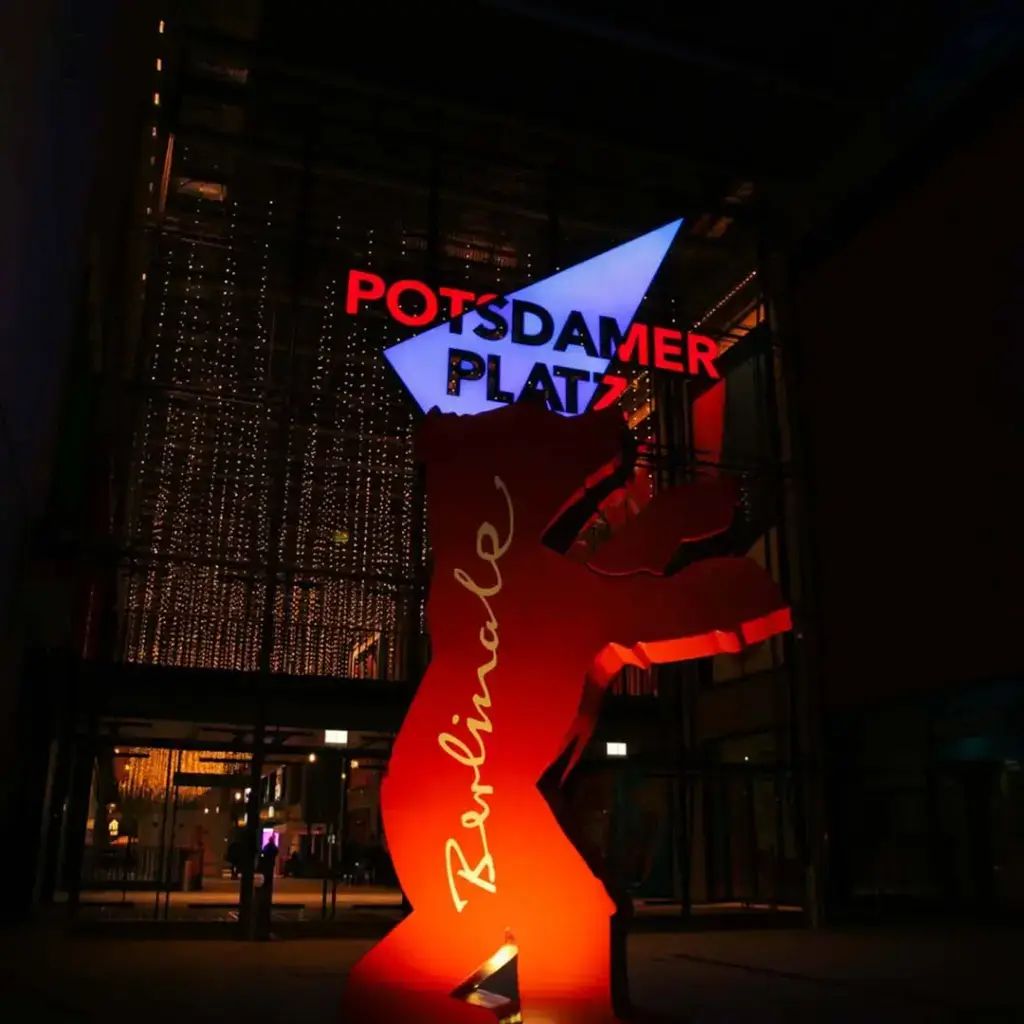
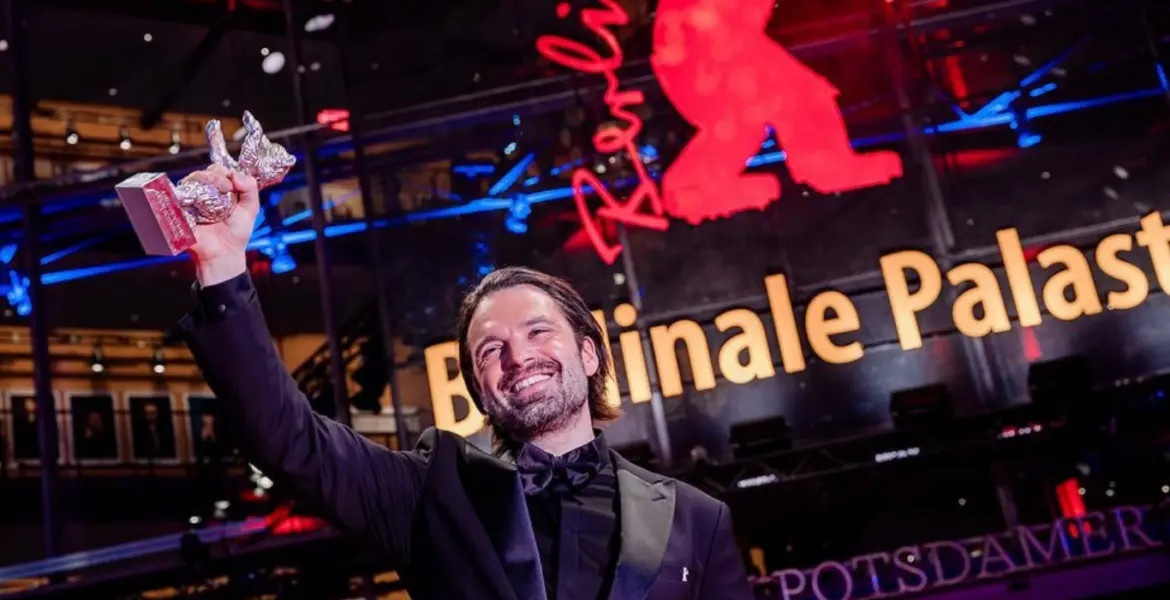
Potsdamer Platz remains Berlinale’s operational heart. The Berlinale Palast anchors the programme, supported by a tight cluster of cinemas, hotels, and meeting spaces that allow days to unfold with minimal friction. Additional venues across Mitte and Charlottenburg broaden the programme, but proximity still defines ease.
The geography encourages overlap. Screenings lead into meetings, chance encounters become scheduled conversations, and the week gathers momentum without ever feeling chaotic.
Access and the Unspoken Hierarchy
Berlinale is often described as accessible, and in many ways it is. Public screenings coexist with industry-only premieres, and the city actively welcomes audiences alongside professionals. Yet access follows a clear internal logic.
Industry accreditation opens doors, but relationships determine where time is best spent. Private screenings, invitation-only dinners, and closed meetings operate alongside the official programme, shaping outcomes quietly. Understanding these layers is essential for anyone approaching Berlinale with intent.
The Market Beneath the Festival
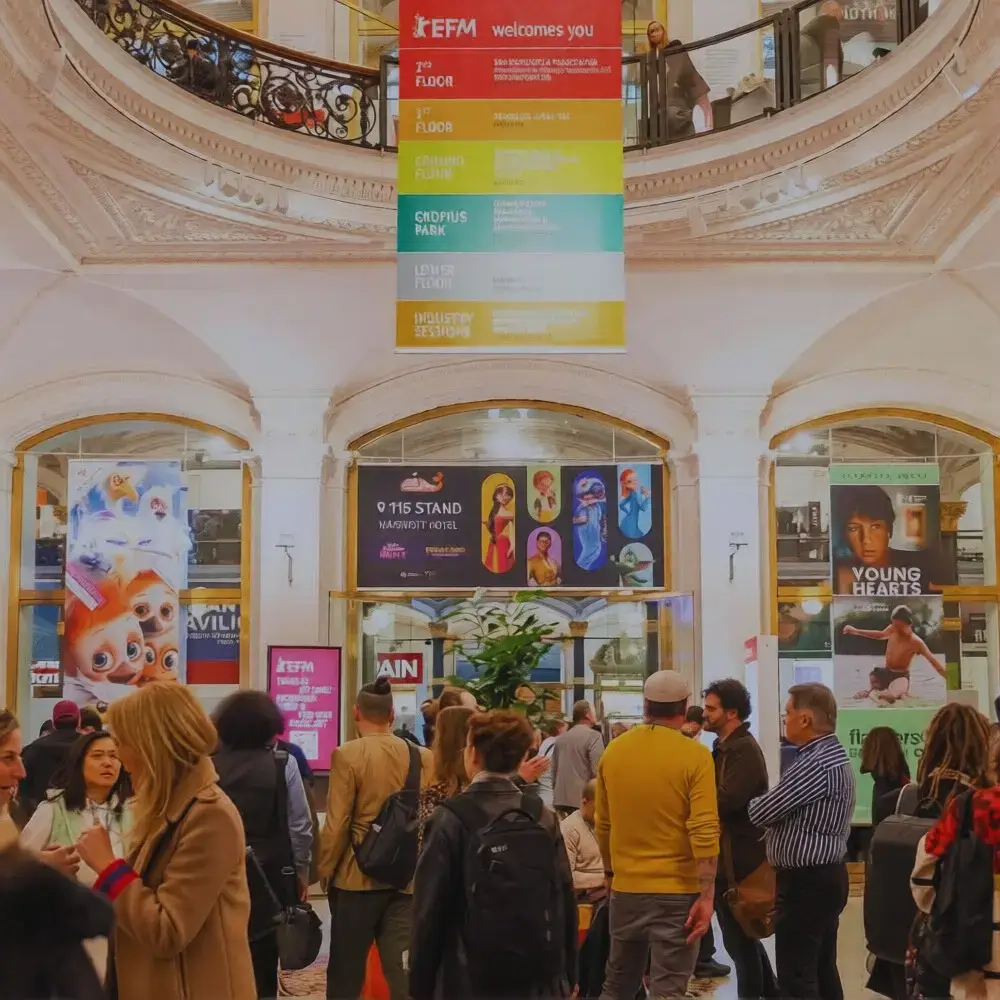
Running in parallel, the European Film Market gives Berlinale much of its commercial gravity. This is where financing conversations mature, distribution strategies are refined, and future collaborations are quietly aligned.
Many senior figures attend Berlin primarily for the market, moving between hotel suites, temporary offices, and discreet meeting rooms. Red carpets are secondary. Progress is measured in agreements advanced rather than photographs taken.
The City After Screenings
Berlinale’s social life is deliberately understated. Influence circulates through dining rooms rather than clubs, through private tables rather than public parties. Mitte and Charlottenburg host most of the meaningful evenings, often anchored by embassies, cultural institutions, or long-established industry hosts.
The atmosphere is restrained and repeat-driven. The same rooms fill night after night, allowing conversations to deepen across the week without interruption.
Hotels That Understand Berlinale
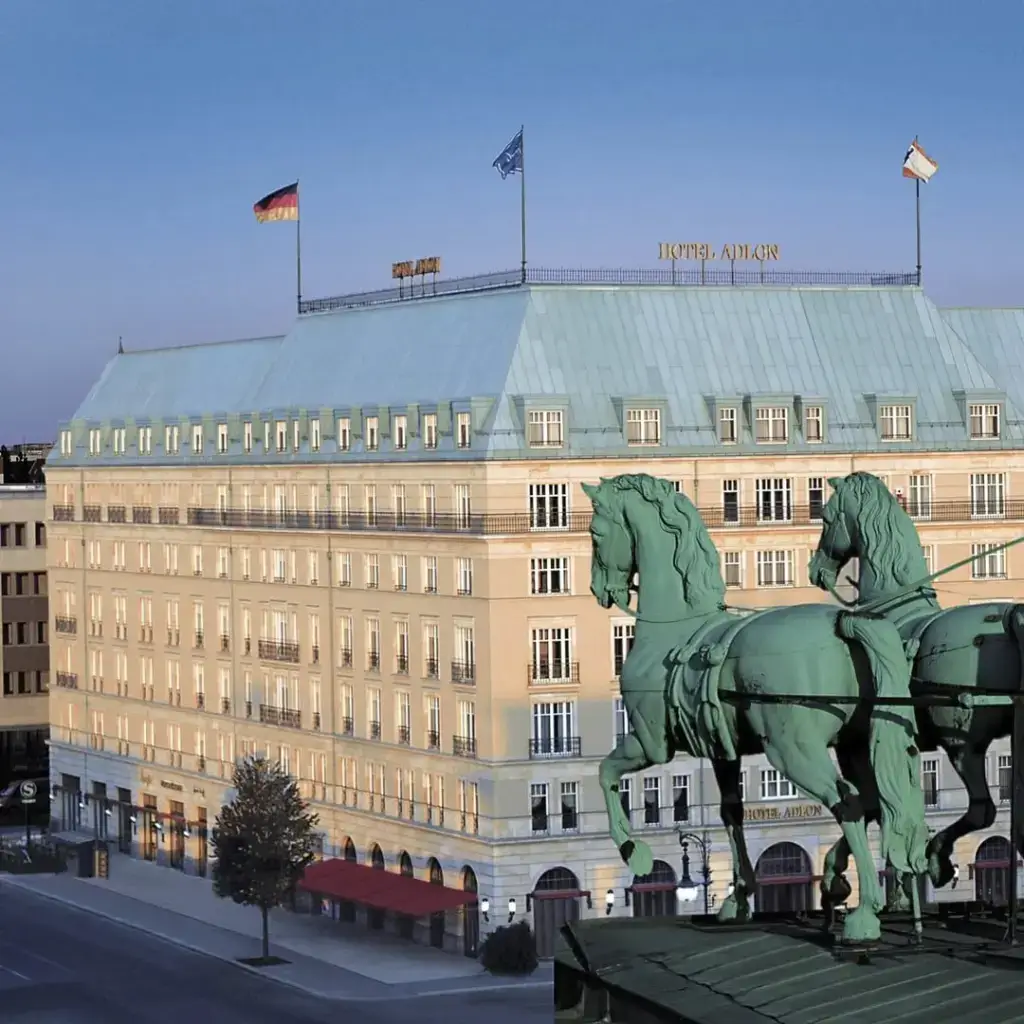
Accommodation during Berlinale is less about statement and more about function, discretion, and service continuity.
The Hotel Adlon Kempinski Berlin remains a reference point for those who value formality, privacy, and proximity to Berlin’s diplomatic core. The Ritz-Carlton Berlin appeals to guests who prefer to stay within the festival’s immediate orbit, where schedules compress, and meetings stack efficiently. Hotel de Rome offers a slightly removed rhythm, attracting creatives and executives who favour a more residential setting without sacrificing service standards.
During the festival, suites often function as informal offices, hosting back-to-back meetings that quietly shape the months ahead.
Movement and Practical Ease
Berlin remains one of Europe’s easiest major cities to navigate during a large-scale cultural event. Distances are manageable, transfers are reliable, and winter conditions rarely disrupt flow. Many experienced attendees prioritise walkability within central districts, supplementing with private drivers only when schedules tighten.
The city supports concentration rather than competing with it.
Cultural Weight Beyond Film
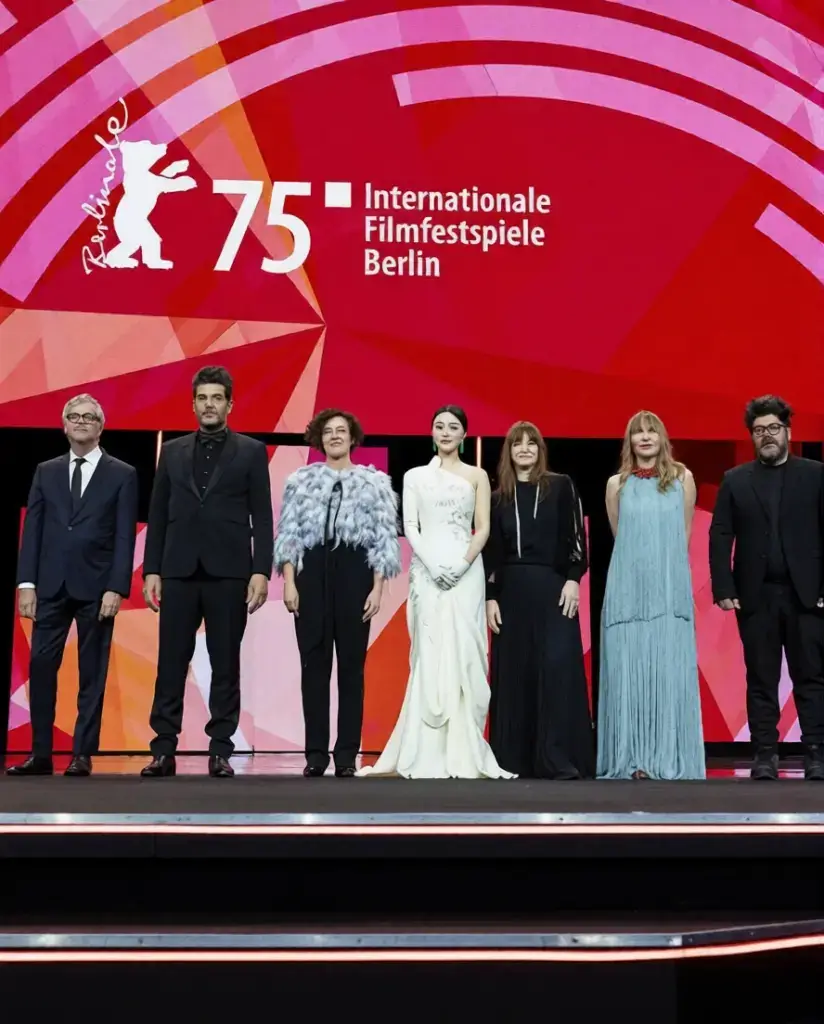
Berlinale’s identity has long been shaped by politically engaged programming and international perspectives. This extends into its surrounding ecosystem. Diplomatic missions, cultural foundations, and global institutions host parallel events that broaden the festival’s influence beyond cinema alone.
These gatherings draw a cross-section of film, policy, and culture, reinforcing Berlin’s position as a serious intellectual and cultural capital.
Berlinale Within the Global Circuit
Berlinale does not attempt to rival Cannes or Venice on glamour, nor does it need to. Its value lies in credibility, access, and scale. It is a festival where substance leads and image follows, appealing to those who measure success in outcomes rather than visibility.
Within an annual cultural calendar, Berlin functions as a strategic opening chapter, setting the tone and direction for the year ahead.
The True Essence of Berlinale
Berlinale rewards preparation, discretion, and clarity of purpose. Its luxury is understated, expressed through efficiency, continuity, and influence exercised without performance. For those attuned to its rhythm, February in Berlin remains one of the most consequential weeks in the international film landscape.