

All products are independently selected by our editors. If you buy something, we may earn an affiliate commission.
From mid-July to August every year, the Salzburg Festival brings the world’s leading opera companies, orchestras and performers to Austria’s cultural capital. For six weeks, Salzburg’s UNESCO-listed Old Town becomes the setting for one of the most prestigious performing arts festivals in the world, with productions staged in historic theatres, cathedral squares and purpose-built concert halls that are destinations in their own right.
Planning makes all the difference. The most sought-after performances sell out months in advance, while the city’s finest hotels quickly fill with returning festival guests. Thoughtful planning rewards visitors with far more than exceptional performances. It is an opportunity to experience Salzburg at its most vibrant, with outstanding dining, elegant hospitality and centuries of history all within a remarkably walkable city centre.
A Summer Tradition Unlike Any Other
Founded in 1920, the Salzburg Festival has become one of the defining events of the international cultural calendar. Opera remains at its heart, complemented by orchestral concerts, chamber music, recitals and theatre that attract audiences from around the world.
The festival’s setting is equally compelling. Within Salzburg’s compact Old Town, performances unfold across historic venues surrounded by Baroque churches, grand squares and narrow streets lined with cafés, boutiques and centuries-old buildings. Moving between a matinee, dinner and an evening opera is rarely more than a short walk, giving the festival a rhythm unlike larger cities where venues are spread across different districts.
A Century of Music, Opera and Theatre
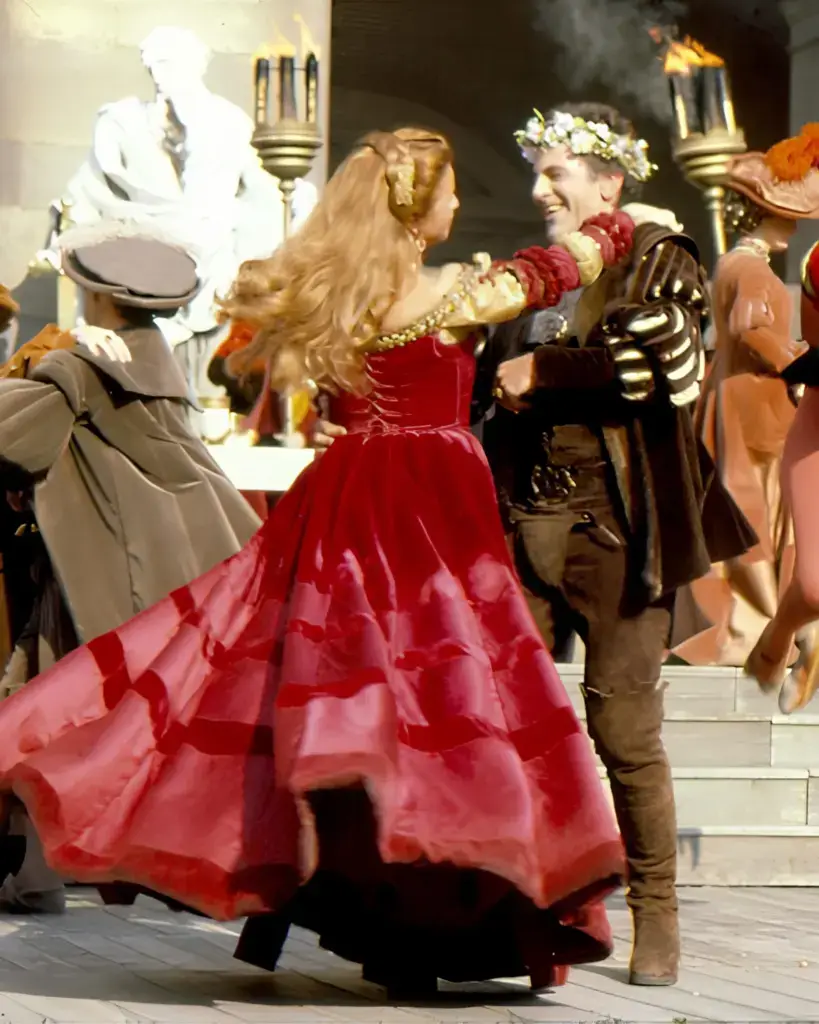
The festival was founded by theatre director Max Reinhardt, playwright Hugo von Hofmannsthal and composer Richard Strauss, who envisioned an international celebration of the performing arts in Mozart’s birthplace. More than a century later, it continues to balance established repertoire with new productions while welcoming many of the world’s leading conductors, orchestras and soloists.
Among its defining traditions is Jedermann. Hofmannsthal’s adaptation of the medieval morality play has been staged in Domplatz since the inaugural festival, with Salzburg Cathedral providing one of Europe’s most memorable open-air theatre settings. For many visitors, securing tickets to Jedermann is every bit as important as attending one of the season’s major operas.
The Programme at a Glance
Each season combines new productions with returning festival favourites across opera, concerts and theatre.
The opera programme typically balances celebrated masterpieces by composers such as Mozart, Richard Strauss, Verdi, Puccini and Bizet with less frequently performed works and contemporary productions. Alongside these, Jedermann once again returns to Cathedral Square, continuing one of the festival’s longest-standing traditions.
The Vienna Philharmonic Orchestra remains central to the festival through both opera performances and orchestral concerts, joined by internationally acclaimed guest orchestras, chamber ensembles and soloists. Visitors planning several days in Salzburg will find a programme varied enough to combine opera, concerts and recitals throughout their stay.
Defining Performances of the Festival
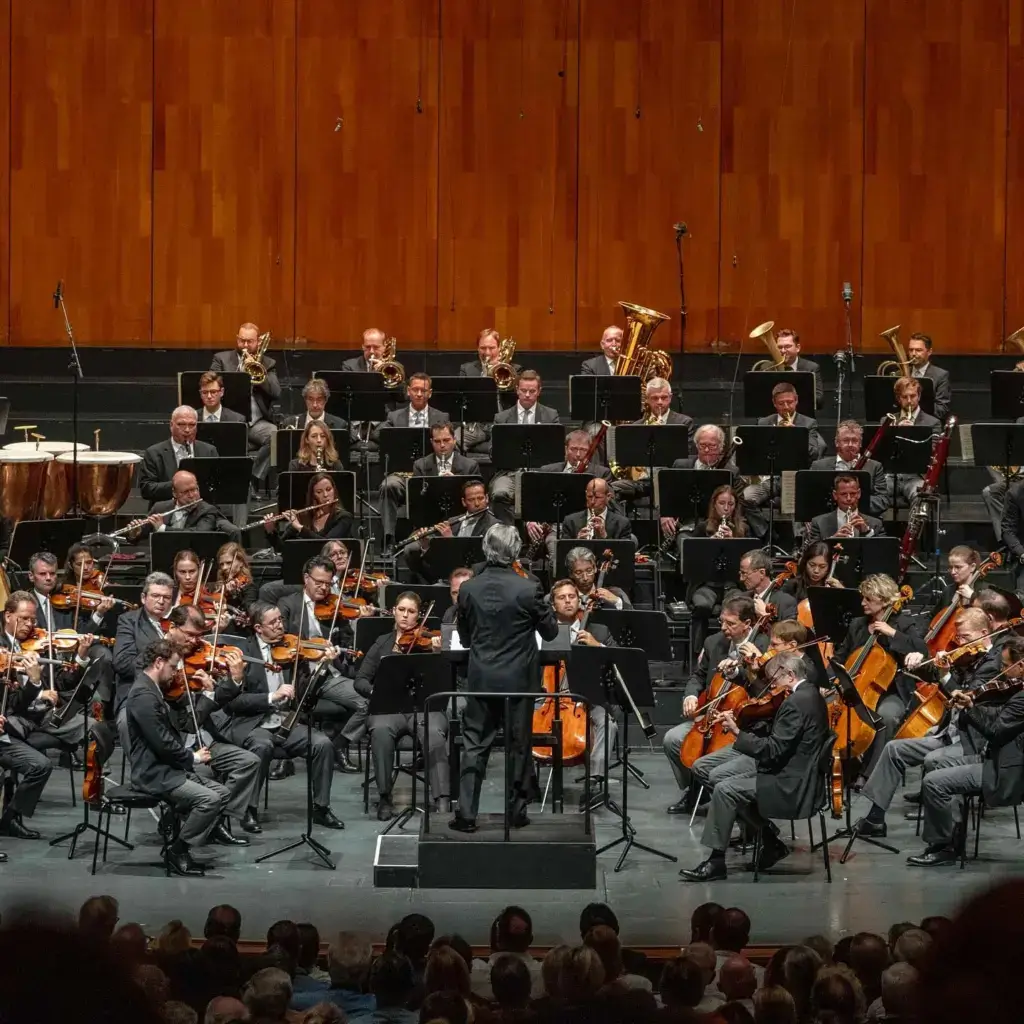
Opera
Demand is typically highest for new opera productions, particularly during the opening weeks and on weekends. Productions featuring internationally acclaimed conductors, directors and leading singers are often among the first to sell, making early booking advisable. If preferred dates are unavailable, returned tickets are frequently released through the festival’s official ticket exchange closer to each performance.
One of the festival’s enduring strengths is its willingness to present both familiar classics and ambitious works that are rarely staged elsewhere. This balance between established repertoire and more adventurous programming has long distinguished Salzburg from many other summer festivals.
Concerts and Recitals
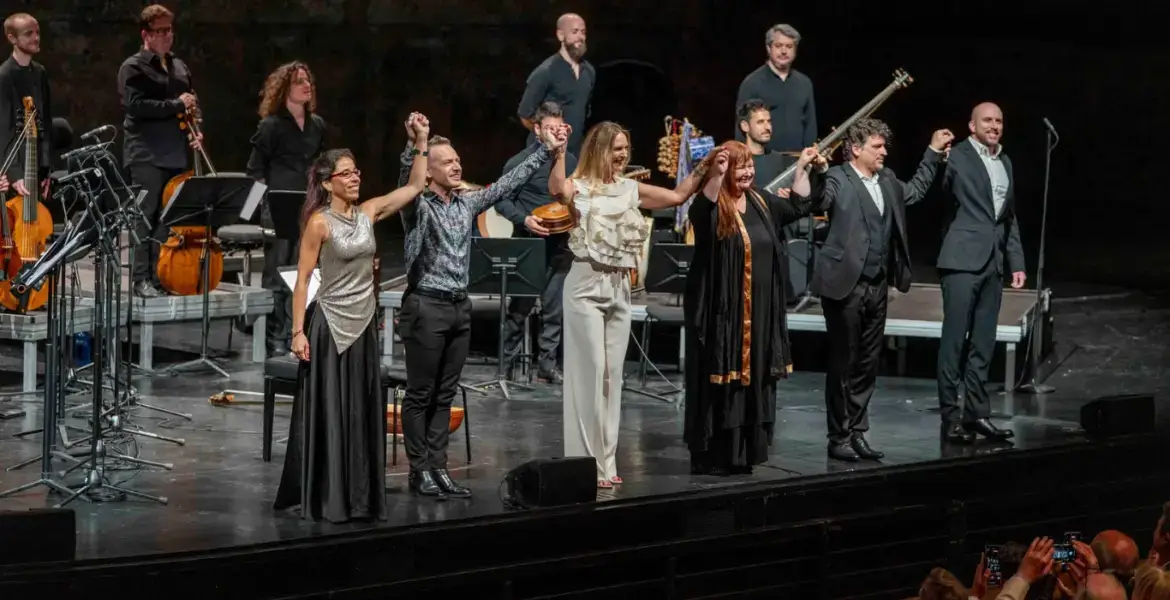
Opera may headline the programme, but the festival’s concert series is equally rewarding. The Vienna Philharmonic Orchestra performs throughout the festival alongside distinguished guest ensembles, while chamber music and recital programmes provide opportunities to hear internationally celebrated soloists in more intimate settings.
Visitors staying several days often combine an evening opera with a chamber recital or orchestral concert, offering a broader perspective on the festival’s artistic range.
The Enduring Appeal of Jedermann
No production is more closely associated with the Salzburg Festival than Jedermann. Performed beneath the façade of Salzburg Cathedral, it remains one of Europe’s defining outdoor theatre experiences and a tradition that has opened the festival for more than a century.
Weather occasionally requires performances to move indoors, but experiencing Jedermann in Domplatz remains one of the season’s most memorable occasions, particularly as dusk settles across Cathedral Square.
Salzburg’s Iconic Stages
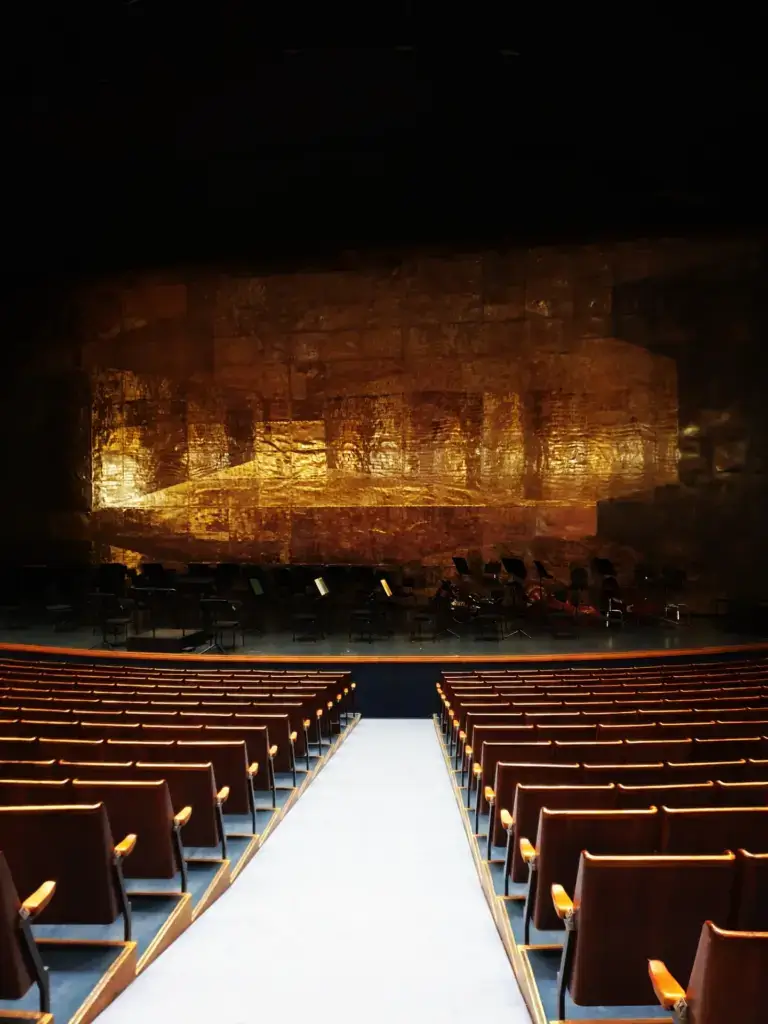
The festival’s venues contribute as much to the experience as the productions themselves.
The Grosses Festspielhaus hosts many of the season’s grand opera productions, while the nearby Haus für Mozart provides a more intimate setting for Mozart’s operas and smaller-scale works. The striking Felsenreitschule, built into the face of Mönchsberg, has become one of Europe’s most recognisable theatre settings, its three tiers of stone arcades lending every production a distinctive atmosphere.
Just beyond these venues, Domplatz remains the spiritual heart of the festival. Watching Jedermann unfold before Salzburg Cathedral is an experience unique to the city and one that continues to define the Salzburg Festival for audiences from around the world.
Planning Your Experience
Planning is essential, particularly if your visit centres on new opera productions or Jedermann. The most sought-after performances often sell out during the initial booking period, especially on opening weekends and for productions featuring internationally acclaimed casts. Returned tickets are sometimes released through the festival’s official ticket exchange, making it worth checking again closer to your travel dates.
A stay of four or five nights allows enough time to enjoy several performances while exploring the city between them. Salzburg’s compact Old Town makes this remarkably easy, with the principal venues, hotels and restaurants all within comfortable walking distance. Salzburg Airport is around 20 minutes away by car, while direct rail services from Vienna and Munich provide straightforward alternatives.
Performance times vary, but many opera evenings begin in the late afternoon or early evening. Reserving an early dinner close to the Festspielbezirk allows plenty of time to reach your seat without feeling rushed.
Although black tie is generally reserved for gala occasions, elegant evening dress remains the norm. Tailored suits, cocktail dresses and refined separates are widely worn, while comfortable footwear is worth considering for Salzburg’s cobbled streets.
Exceptional Places to Stay
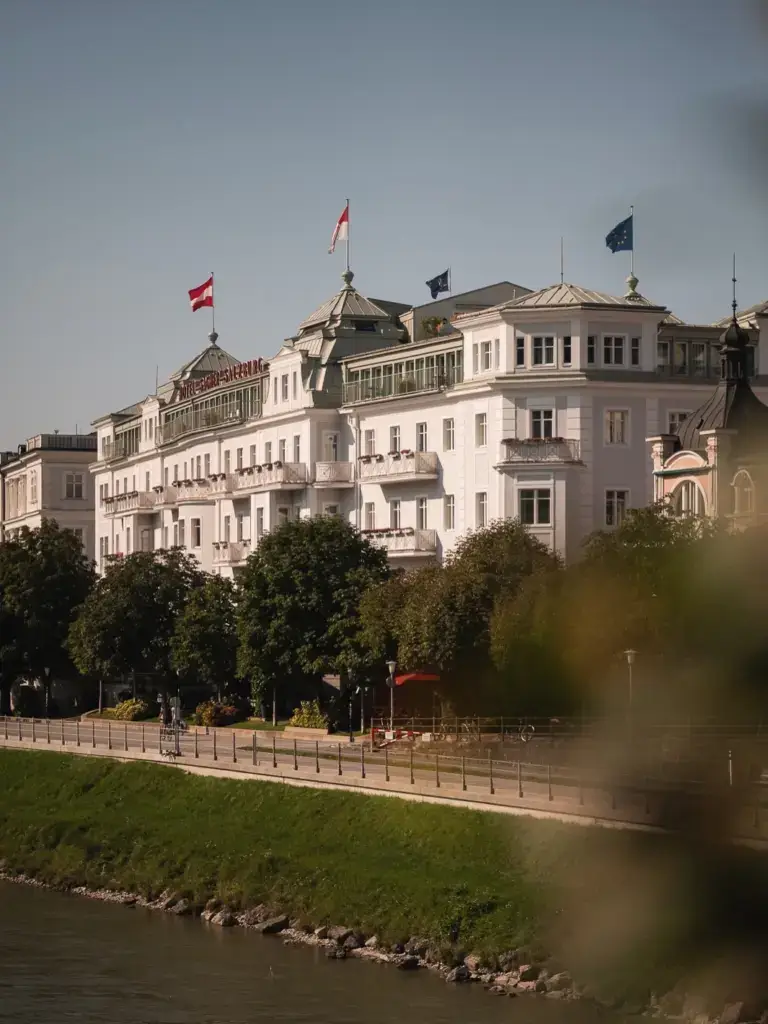
Choosing a hotel within or close to the Old Town makes attending multiple performances considerably easier.
Just a two-minute walk from the Grosses Festspielhaus, Hotel Goldener Hirsch is one of the festival’s most desirable addresses. Occupying a series of historic townhouses on Getreidegasse, it combines traditional Austrian character with an unrivalled location.
Across the Salzach River, Hotel Sacher Salzburg is around a ten-minute walk from the main venues via Makartsteg Bridge. River-facing rooms offer some of the city’s finest views, while the hotel’s long-standing reputation makes it a favourite with returning festival guests.
Facing Mirabell Palace and Gardens, Hotel Bristol Salzburg pairs classic elegance with easy access to both the Old Town and the festival district. It remains a dependable choice for visitors who value location as highly as heritage.
For a quieter retreat, Hotel Schloss Mönchstein occupies private castle grounds above the city, combining panoramic views with a peaceful setting just minutes from the festival by car.
Visitors extending their stay should also consider Rosewood Schloss Fuschl, set on the shores of Lake Fuschl around 20 minutes from Salzburg. The restored castle estate provides a tranquil lakeside escape while remaining close enough for evening performances.
Dining Between Curtain Calls
The festival naturally lends itself to long lunches and well-timed pre-performance dinners.
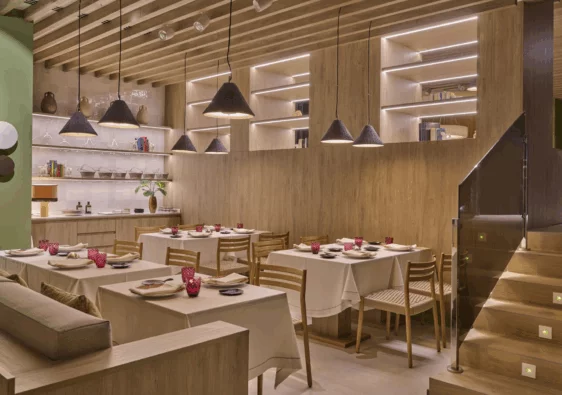
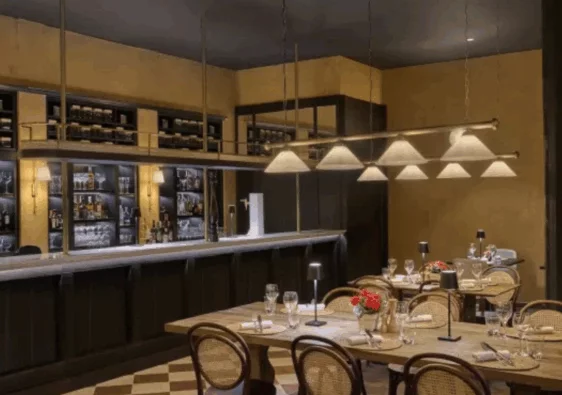
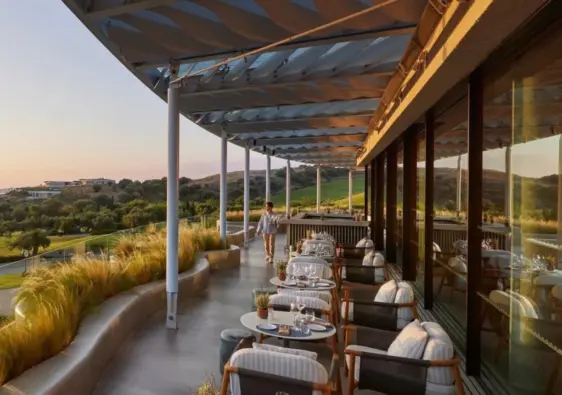
Restaurant Ikarus at Hangar-7 is one of Austria’s most celebrated dining destinations, with its monthly guest chef concept making it particularly well suited to lunch before an evening opera. Closer to the festival venues, Esszimmer serves refined modern Austrian cuisine in an intimate setting, while The Glass Garden at Hotel Schloss Mönchstein offers Michelin-starred dining with panoramic views across the city, making it an excellent choice after the curtain falls.
For lighter meals between performances, Carpe Diem Finest Fingerfood remains a favourite in the Old Town. Meanwhile, Café Tomaselli, Austria’s oldest café, and the riverside Café Bazar are ideal for coffee, pastries or a relaxed pause before the next performance.
Extending Your Time in Salzburg
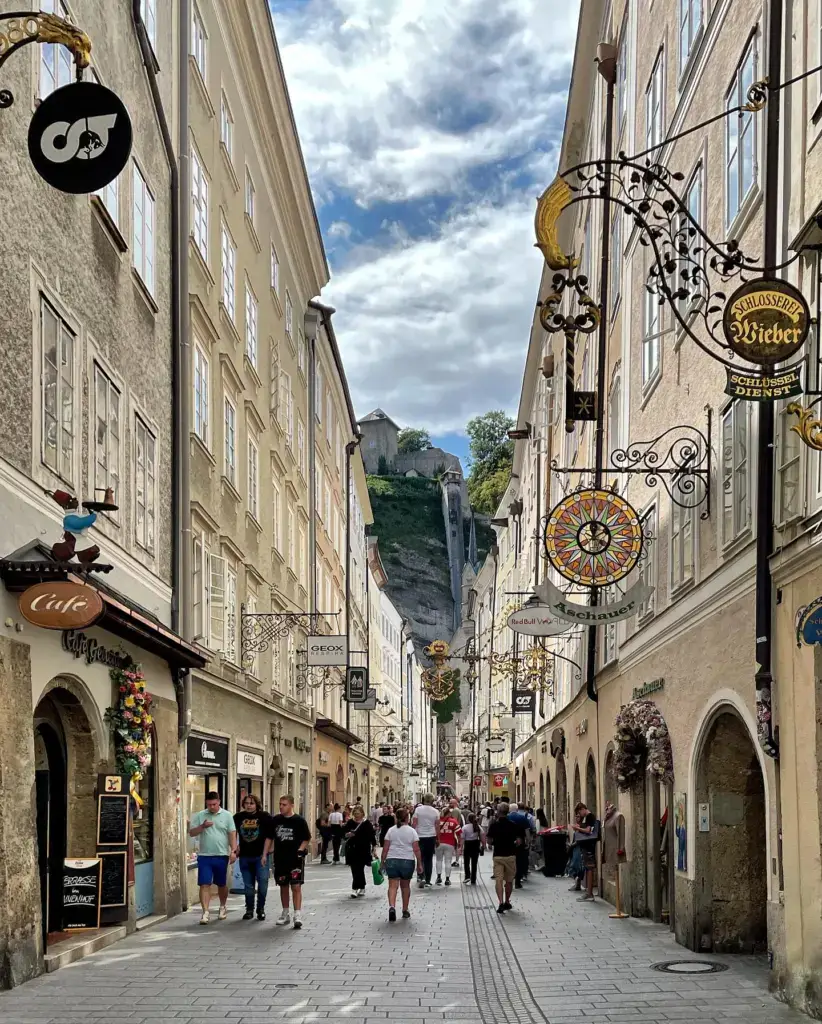
Between performances, Salzburg is best explored on foot. Wander along Getreidegasse, visit Mozart’s Birthplace, stroll through Mirabell Palace and Gardens, or take the funicular to Hohensalzburg Fortress for panoramic views across the city and surrounding Alps.
With an extra day, venture into the Salzkammergut, where Fuschlsee, Wolfgangsee and Mondsee offer lakeside scenery, waterside dining and an easy contrast to the energy of the festival before returning for an evening performance.
An Enduring Highlight of Europe’s Cultural Calendar
Few festivals combine artistic excellence with such a remarkable setting. From landmark opera productions and world-class orchestras to historic venues woven into the fabric of the city, the Salzburg Festival offers an experience that extends well beyond the stage.
With thoughtful planning, the festival promises not only exceptional performances but also the chance to experience Salzburg at its most captivating, making it one of Europe’s most rewarding cultural journeys.