

All products are independently selected by our editors. If you buy something, we may earn an affiliate commission.
Each March, as the Formula 1 season gathers momentum, Melbourne assumes a distinct position on the international sporting and social calendar. The Australian Grand Prix is more than an early championship round; it is a carefully orchestrated convergence of global motorsport, corporate diplomacy, and refined hospitality. For those who move within the upper tiers of the sport’s ecosystem, attendance is rarely spontaneous. It is planned, strategic, and quietly influential.
A Championship Stage in Melbourne
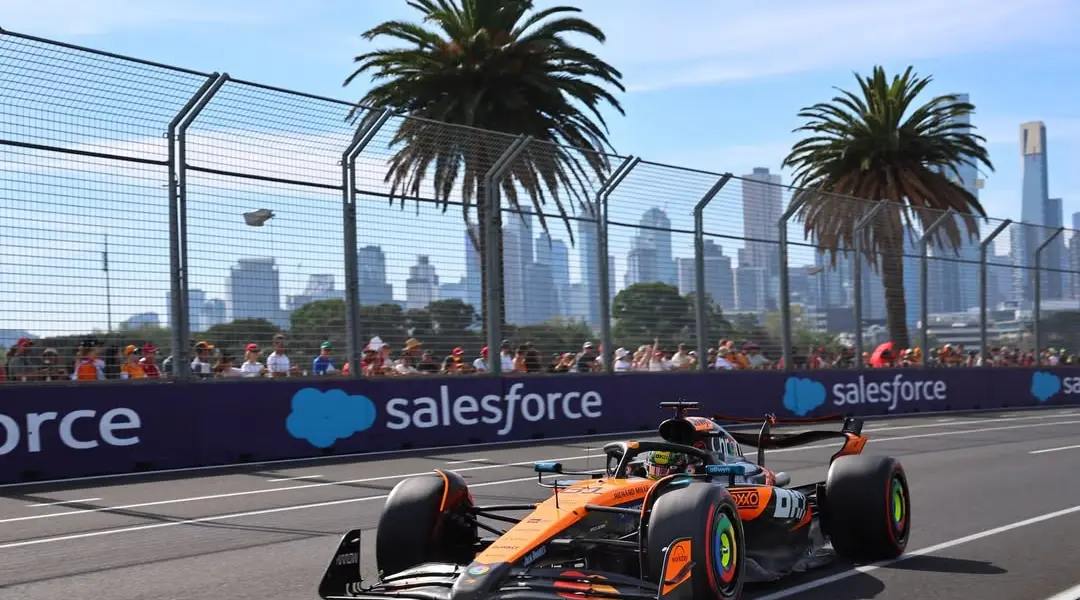
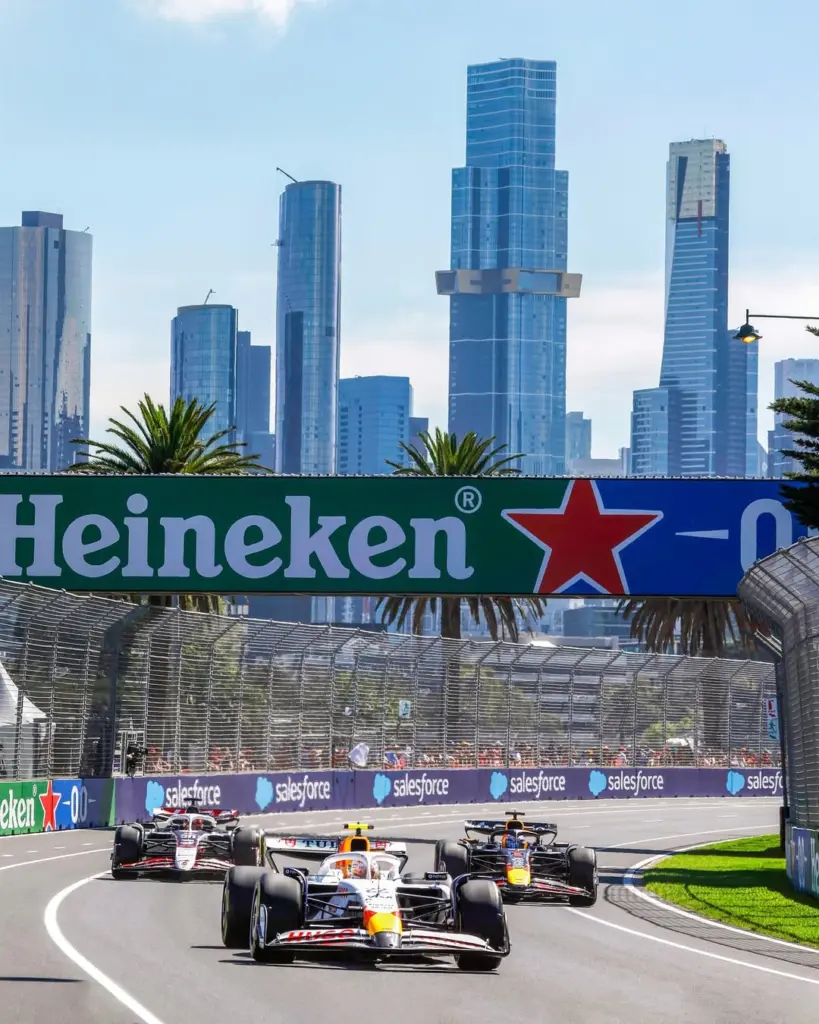
Set around the sweeping lake at Albert Park, the circuit offers a rare balance of technical challenge and visual elegance. The temporary street layout demands precision through its fast chicanes and flowing corners. At the same time, the city skyline provides a polished backdrop that reinforces Melbourne’s stature as one of the Southern Hemisphere’s most confident capitals.
The 2026 season introduces renewed intrigue. Regulatory evolution, particularly around power unit development and sustainability commitments, has sharpened competitive scrutiny across the paddock. As one of the earliest rounds on the calendar, Melbourne frequently shapes early perceptions of team performance and commercial momentum. Infrastructure refinements and continued investment in hospitality zones ensure the race retains a contemporary edge without sacrificing its established character.
Arriving with Intent
Race week begins long before engines fire. Melbourne Airport accommodates a steady procession of private aircraft throughout the Grand Prix period, with dedicated facilities ensuring discreet arrivals and expedited formalities. For international guests travelling between Asia, the Middle East, and Europe, the timing often aligns with broader business itineraries, making careful coordination essential.
Helicopter transfers offer the most efficient link between the airport, hotels, and the circuit, particularly on race day when road access tightens. Many seasoned attendees confirm landing slots, ground security, and vehicle movements months in advance through trusted aviation brokers or concierge teams. Those based within the city typically rely on chauffeured transport with established circuit access, maintaining privacy while navigating peak traffic.
Trackside Access at Albert Park
Premium hospitality unfolds directly above the team garages, where guests observe the operational core of Formula 1 from a privileged vantage point. Within these elevated suites, refined dining and curated service sit alongside live views of pit lane strategy, tyre changes, and pre-race preparations.
Team-specific hospitality areas provide a more contained environment, often reserved for senior executives, global sponsors, and long-standing partners. Conversation moves fluidly between sporting prospects and wider commercial ambitions, reflecting the dual purpose of the weekend. Albert Park’s configuration ensures that even from a private terrace, the tension of qualifying sessions and race-defining moments remains palpable.
Evenings extend the experience beyond the circuit. Invitation-only receptions hosted by luxury houses and major sponsors punctuate the calendar, with guest lists shaped by relationship rather than publicity. The Grand Prix operates as a platform for introduction and alignment as much as competition.
Where Melbourne’s Elite Stay
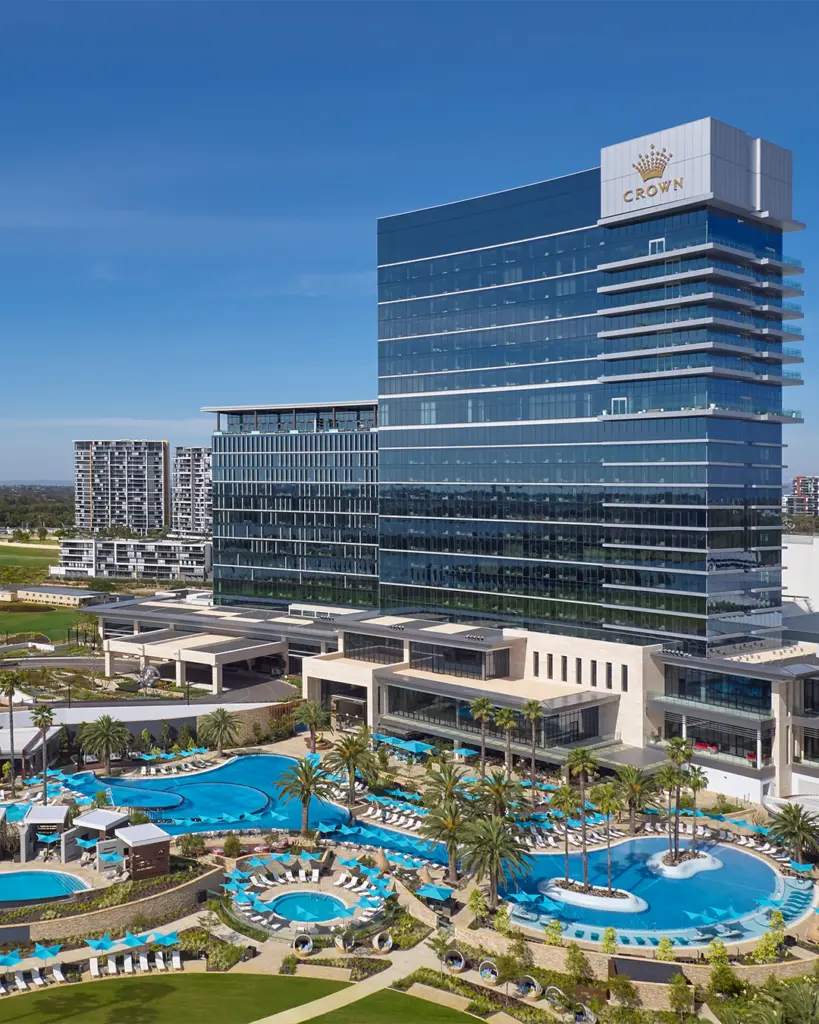
During race week, Melbourne’s leading hotels reach full occupancy well in advance. Crown Towers is frequently selected by team principals and international guests seeking expansive suites and discreet access points suited to private meetings. Its larger residential-style accommodations allow for hosting without leaving the property.
Park Hyatt Melbourne offers a quieter address, favoured by those who appreciate understated service and proximity to the city’s cultural quarter. The Langham, positioned along the Yarra, combines central convenience with classic interiors suited to formal entertaining. In each case, experienced concierge teams become central to the weekend’s orchestration, managing transfers, reservations, and last-minute adjustments with precision.
Race-Week Dining and Entertaining
Melbourne’s culinary standing adds substance to the Grand Prix itinerary. Restaurants such as Attica draw international attention for tasting menus grounded in Australian produce, attracting visiting chefs and discerning diners throughout the weekend. Gimlet at Cavendish House provides a polished setting for late dinners following qualifying, with private rooms accommodating discreet discussion. Vue de Monde, set high above the city, offers an elevated perspective that complements more formal corporate hosting.
Securing prime tables during race week requires foresight. Private dining rooms are often reserved months in advance by sponsors and regional partners, reinforcing the weekend’s role as a business forum conducted over carefully composed menus.
Beyond the Circuit
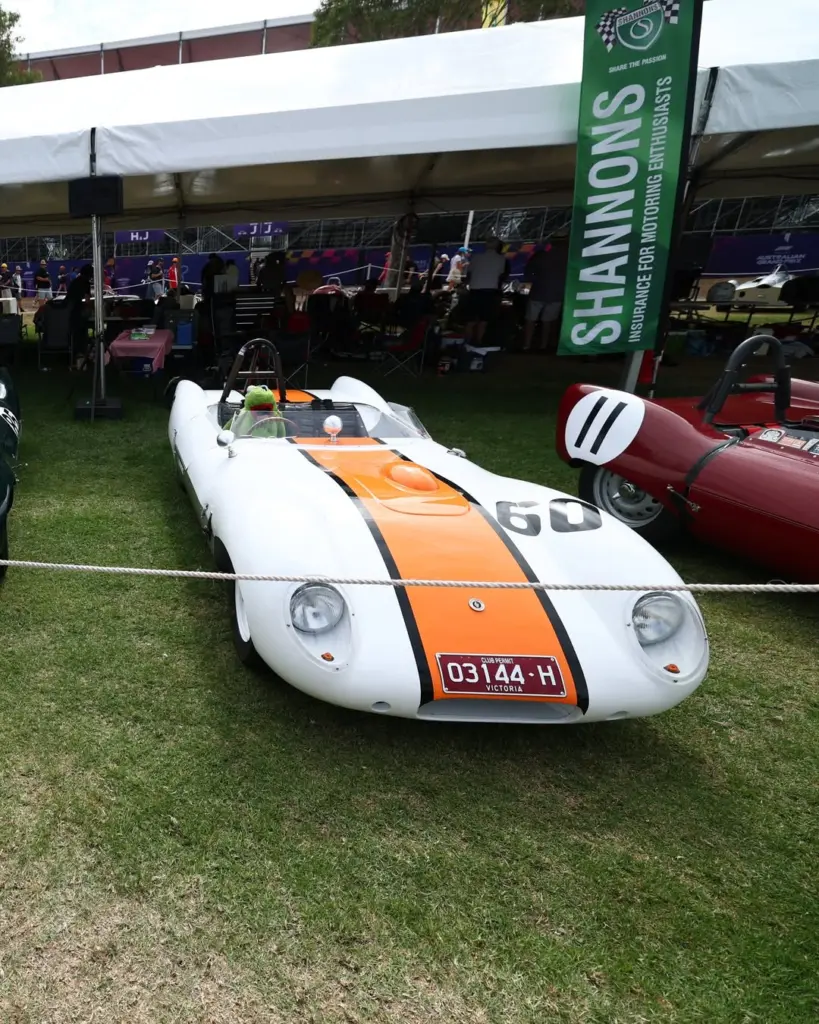
Away from Albert Park, Melbourne presents a composed yet confident luxury landscape. Collins Street’s heritage façades house international maisons, while nearby laneways reveal independent Australian designers and curated gallery spaces. Brand activations and private viewings frequently align with race week, extending the social programme into the city’s cultural core.
The atmosphere remains measured rather than theatrical. That sensibility shapes the Grand Prix experience, lending it a tone distinct from other marquee races. Melbourne offers clarity and polish without excess, qualities that resonate with seasoned attendees.
A Strategic Fixture on the Global Calendar
The Australian Grand Prix holds enduring value within the Formula 1 season. Its early timing provides insight into competitive trajectories while offering a controlled setting for strengthening commercial relationships. Attendance is typically deliberate, aligned with broader corporate and investment strategies.
For those curating an international motorsport calendar, Melbourne remains a considered and influential inclusion. The balance of championship relevance, discreet hospitality, and a culturally assured host city ensures that this Southern Hemisphere race continues to command attention at the highest levels of global sport.