

All products are independently selected by our editors. If you buy something, we may earn an affiliate commission.
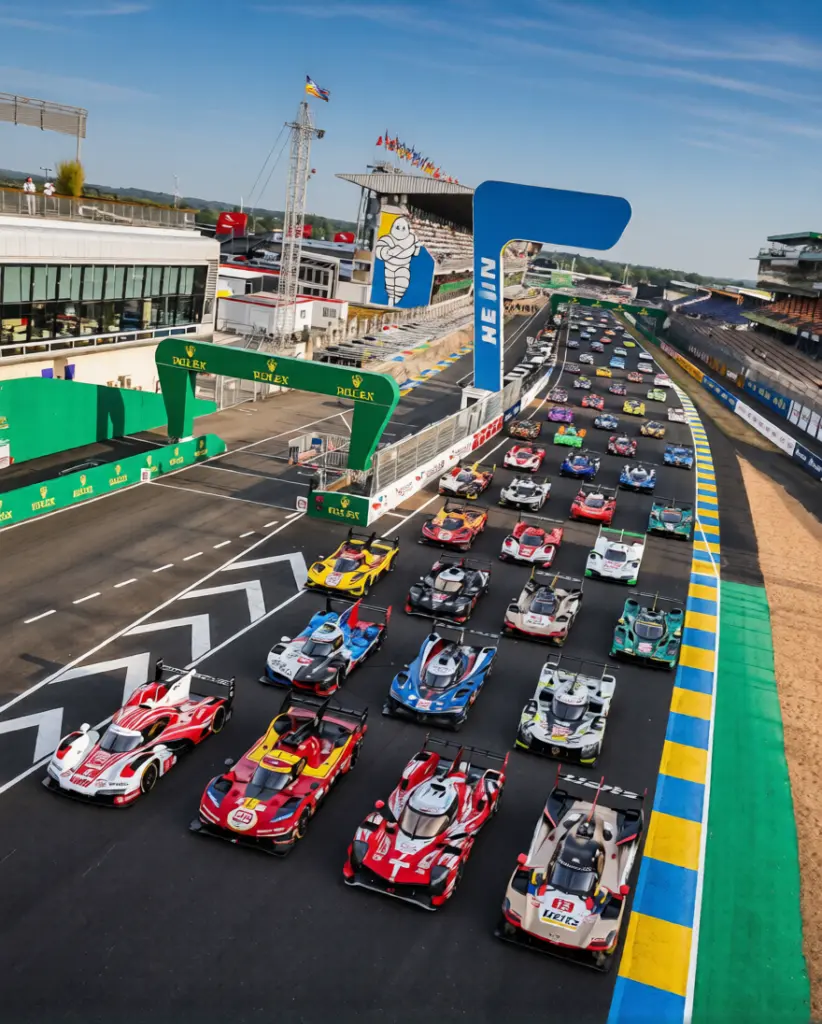
By the time the first Hypercars roll through the Dunlop Curve on Saturday afternoon, 24 Hours of Le Mans has already been building for days. For 2026, the 94th running of the race arrives during one of the strongest periods modern endurance racing has seen in decades. Ferrari continues to defend the momentum it established in the current Hypercar era. Meanwhile, Toyota, Porsche, Cadillac, Alpine, BMW, Peugeot, Aston Martin and Genesis help create one of the most competitive grids in recent memory.
Le Mans occupies a unique place within global motorsport. Alongside the racing, race week attracts collectors, manufacturers, watchmakers and enthusiasts from around the world. Each June, this corner of western France becomes one of the most significant gatherings in the automotive calendar.
An Endurance Legend Reimagined
First held in 1923, the 24 Hours of Le Mans endurance race was created to test reliability and engineering excellence over outright speed. It evolved into the race every major manufacturer wanted to win. Bentley, Jaguar, Ford, Porsche, Ferrari, Audi and Toyota have all shaped defining chapters in its history.
The Hypercar era has reinvigorated the event. Manufacturer participation has expanded significantly, bringing renewed competition and larger audiences back to endurance racing. The result is a race that feels deeply rooted in tradition while remaining highly relevant to modern automotive culture.
Le Mans also remains closely linked with luxury watchmaking and automotive design, reflecting the enduring relationship between endurance racing, craftsmanship, and innovation.
The Circuit That Defines Le Mans
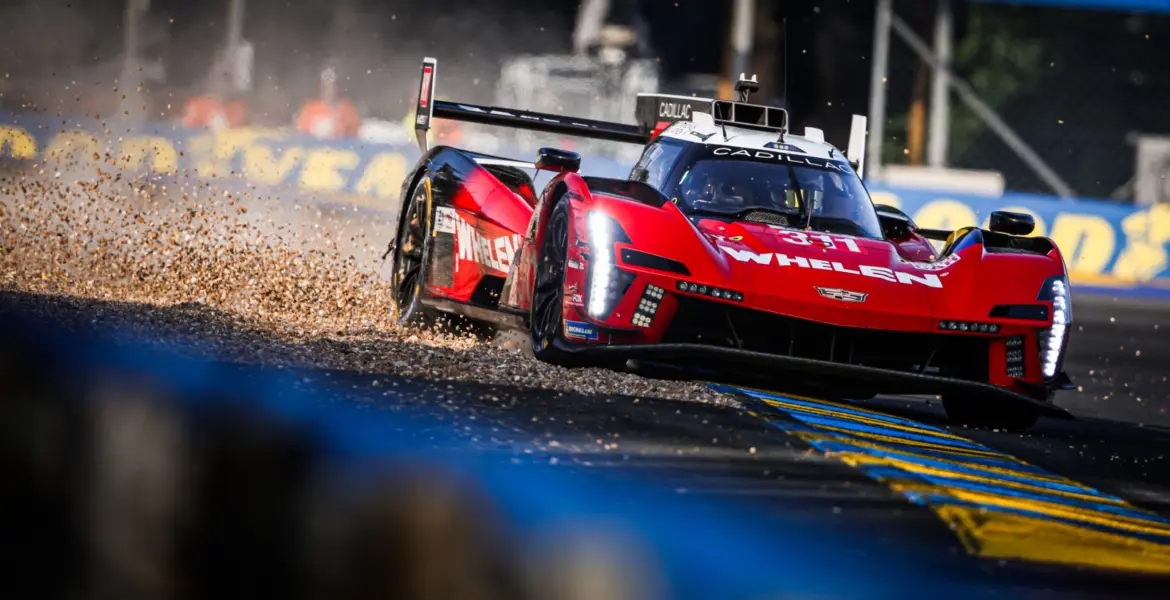
At 13.626 kilometres, the Circuit de la Sarthe remains one of the most demanding venues in world motorsport. Combining permanent circuit sections with public roads, it challenges drivers, engineers and teams in ways few races can replicate.
The Dunlop Curve provides one of the most recognisable opening sequences in racing, while Tertre Rouge launches competitors onto the Mulsanne Straight. Arnage remains a favourite viewing point for appreciating late braking and driver commitment, while Porsche Curves offers some of the most dramatic moments of the lap, particularly after sunset.
The circuit’s sheer scale makes planning essential. Moving between sectors can take considerable time during race weekend, so well-chosen viewing locations and hospitality access make a noticeable difference.
Race Week Beyond the Starting Grid
Le Mans begins long before the race itself.
Scrutineering remains one of race week’s most enjoyable traditions. It brings teams and cars into the heart of the city before attention shifts back to the circuit. Practice sessions gradually build anticipation before attention turns to Hyperpole, now one of the most closely watched moments of the week.
The drivers’ parade continues to draw large crowds into central Le Mans, while manufacturer showcases, support races and evening events ensure activity extends well beyond the circuit timetable.
Friday provides a valuable pause before race day, allowing visitors to explore the city, hospitality venues and manufacturer displays before attention turns fully towards Saturday’s start.
Elevated Viewing and Private Hospitality
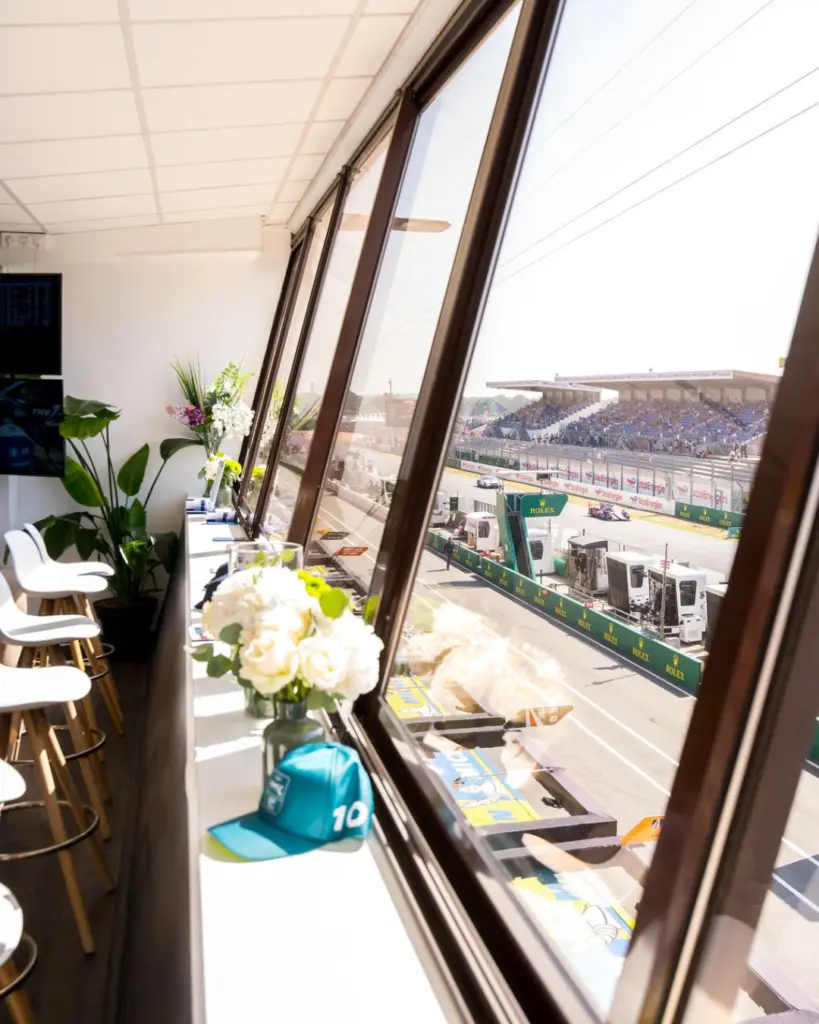
Hospitality has become an increasingly important part of the Le Mans experience.
The Automobile Club de l’Ouest operates premium hospitality spaces overlooking key sections of the circuit. Manufacturers complement these with dedicated lounges, private suites, and trackside terraces. Many packages combine premium viewing, fine dining, paddock access and dedicated transport services throughout race weekend.
Beyond the viewing decks, Le Mans has become one of the most important annual gatherings within automotive collector culture. Manufacturer lounges host private receptions throughout the week, while conversations often move between endurance racing, historic cars, independent watchmaking, and forthcoming supercar launches.
Helicopter transfers, private aviation services and concierge-led experiences have become increasingly common among guests seeking a more seamless race-week itinerary.
The Art of Arriving Well
Most international visitors arrive through Paris before continuing west to Le Mans. The high-speed rail connection remains one of the simplest routes, while private transfers and helicopter services offer greater flexibility during the busiest periods of race week.
Those extending their stay often combine Le Mans with broader journeys through the Loire Valley, pairing the race with château hotels, vineyard visits, and countryside escapes.
Traffic around the circuit can become particularly challenging on race day, making advance transport planning an important part of the overall experience.
Château Stays, Private Villas and Trackside Retreats
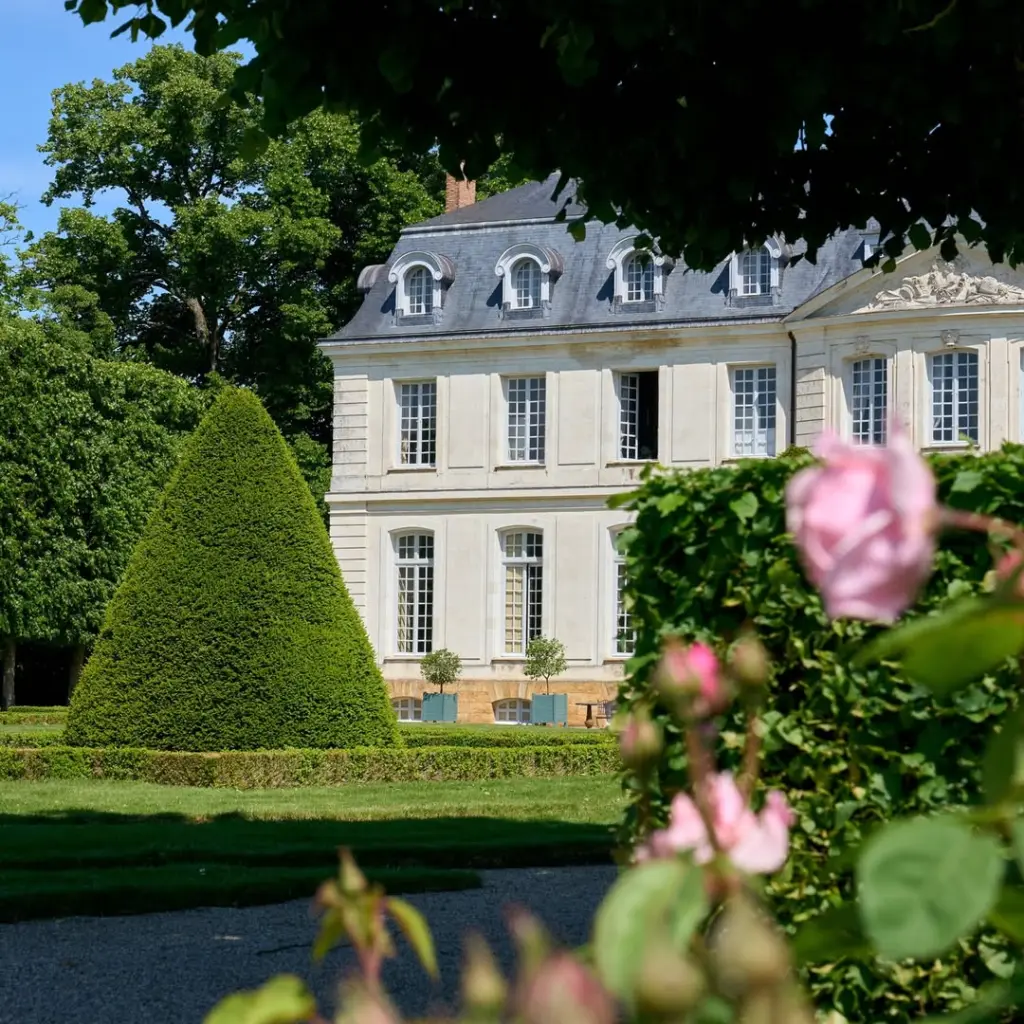
Accommodation remains one of the most competitive aspects of Le Mans race week.
While the city offers a selection of quality hotels, demand significantly exceeds supply. Many returning visitors choose instead to stay in the surrounding Sarthe countryside or the Loire Valley, where château hotels, private estates and luxury villa rentals provide a more relaxed setting.
Properties near Saumur, Tours and La Flèche remain particularly sought after. They offer easier access to the circuit while preserving a quieter atmosphere away from race-day crowds.
Premium serviced accommodation near the circuit has also expanded in recent years, with luxury glamping concepts now offering concierge services, private terraces, and dedicated dining spaces.
Long Lunches, Late Suppers and Race-Week Dining
First-time visitors often overlook the culinary side of Le Mans.
Within the city, restaurants such as Auberge des Matfeux, Le Grenier à Sel and La Ciboulette remain popular throughout race week, while securing reservations becomes increasingly difficult as the weekend approaches.
At the circuit, hospitality dining has evolved considerably, with many premium suites offering multi-course menus, regional produce, and extensive wine programmes throughout the event.
For visitors extending their stay, the Loire Valley offers a natural continuation of the journey. Acclaimed dining rooms, vineyard restaurants and château hotels provide a welcome change of pace after race weekend.
After Dark at La Sarthe
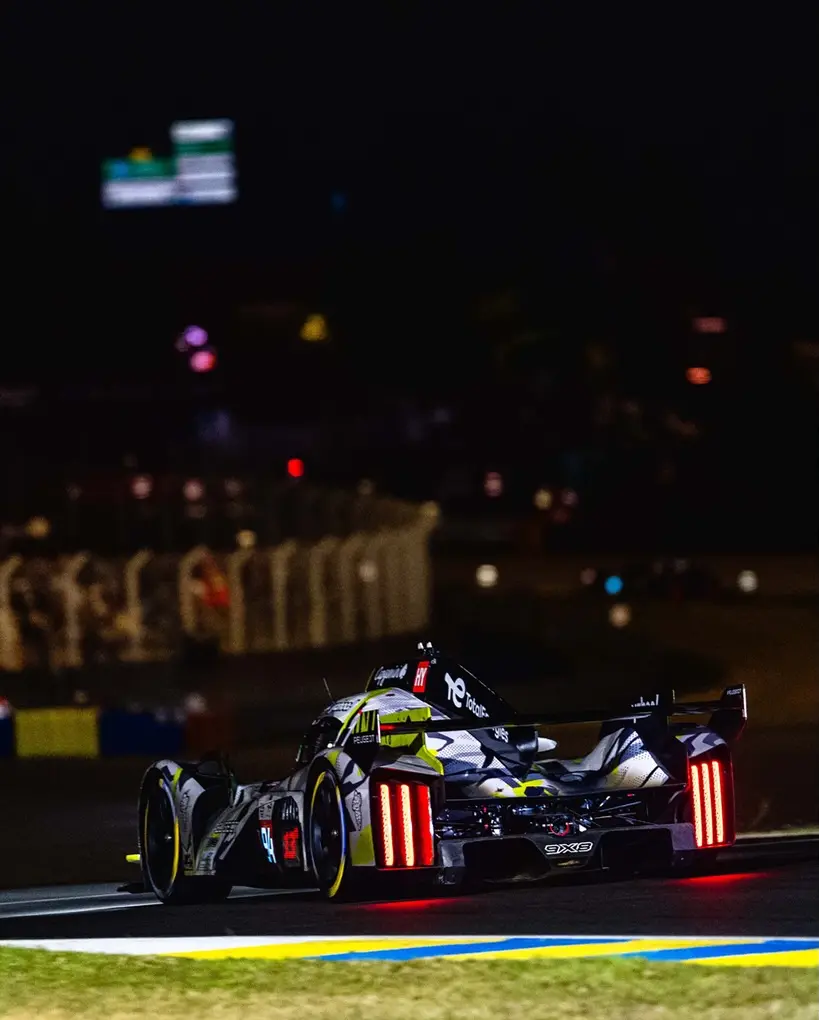
The character of Le Mans changes dramatically after sunset.
As darkness settles over the circuit, attention shifts away from grandstands and towards the race itself. Brake discs glow into Arnage, headlights cut through the forest sections, and the pace of the Hypercars becomes even more striking against the darkness.
The hours between midnight and sunrise often deliver the most memorable moments of the weekend. Strategies unfold, mechanical issues emerge, and the race begins to reveal the endurance challenge that defines its reputation.
Sunrise on Sunday morning brings a renewed sense of anticipation as teams prepare for the final hours and the finish gradually comes into view.
Making The Most of Race Week
The ideal Le Mans itinerary depends largely on how deeply visitors wish to immerse themselves in the event.
Arriving by Thursday allows enough time to experience qualifying, Hyperpole and the atmosphere building across both the city and circuit. Those attending for the full week gain a greater appreciation for the build-up, while shorter visits often focus on the race itself.
Many experienced visitors prioritise key moments rather than attempting to see everything. Hyperpole, the race start, the overnight hours and sunrise each offer a distinct perspective on the event.
Choosing between accommodation in Le Mans, the Sarthe countryside or the Loire Valley also shapes the overall experience. Some visitors prefer to remain close to the circuit throughout the weekend, while others favour a quieter retreat beyond the crowds.
Beyond the Chequered Flag
Few sporting events ask so much of competitors while rewarding spectators so richly. Between the Hypercars sweeping through Porsche Curves before dawn and the sense of occasion that settles over Le Mans each June, the race remains one of the defining experiences in world motorsport.
For those fortunate enough to experience it well, the memories tend to linger long after the final lap is complete.