


All products are independently selected by our editors. If you buy something, we may earn an affiliate commission.
Each winter, London gathers for an evening that carries both cinematic weight and social consequence. The BAFTAs, presented by the British Academy of Film and Television Arts, occupy a distinct position in the international awards calendar. They are Britain’s most authoritative film honours and a moment when the city’s cultural, fashion, and hospitality circles briefly align.
For the luxury-minded observer, the BAFTAs extend well beyond a televised ceremony. They unfold across heritage venues, private dining rooms, and carefully managed red carpets, shaping reputations in ways that resonate long after the final award is announced.
The BAFTAs in Context
Established in 1947, the British Academy of Film and Television Arts was founded to recognise excellence in film and television and to strengthen Britain’s cultural standing. That mandate continues to define the ceremony today.
The BAFTAs sit at a precise juncture in the global awards season. Positioned ahead of the Academy Awards, they often confirm momentum or subtly redirect it. For British productions, a win consolidates national authority. For international contenders, recognition in London signals cross-Atlantic credibility. Within the industry, the BAFTAs are viewed as a barometer of serious artistic standing.
The Institutional Power of the BAFTAs

The Academy’s voting body, composed of professionals across disciplines, reinforces the ceremony’s reputation for peer recognition. Categories such as Best Film, Outstanding British Film, Leading Actor, and Leading Actress carry obvious prestige, while the EE Rising Star Award has become a meaningful indicator of commercial promise.
A BAFTA win frequently sharpens an awards campaign. Beyond the trophy itself, nominations translate into renewed interest in distribution, endorsement opportunities, and ambassadorial roles. Luxury houses monitor the outcomes closely; alignment with a newly crowned winner can recalibrate a brand narrative overnight.
This is where institutional power becomes tangible. Recognition in London is rarely symbolic. It alters careers and influences perception across markets.
A London Stage: The Royal Festival Hall and the South Bank
The ceremony takes place at the Royal Festival Hall on the South Bank of the Thames. Its mid-century architecture provides a composed, urban backdrop that contrasts with the heightened theatricality of Hollywood venues. The red carpet runs along the riverfront, framed by London’s skyline.
The location situates the BAFTAs within a broader cultural district that includes the National Theatre and Hayward Gallery. This proximity reinforces the event’s artistic credibility. Arrivals are staggered and tightly managed, with security teams coordinating closely with organisers to ensure discretion.
The setting matters. London lends the evening a sense of history and restraint that shapes both atmosphere and expectation.
Fashion, Visibility, and the Politics of Reputation
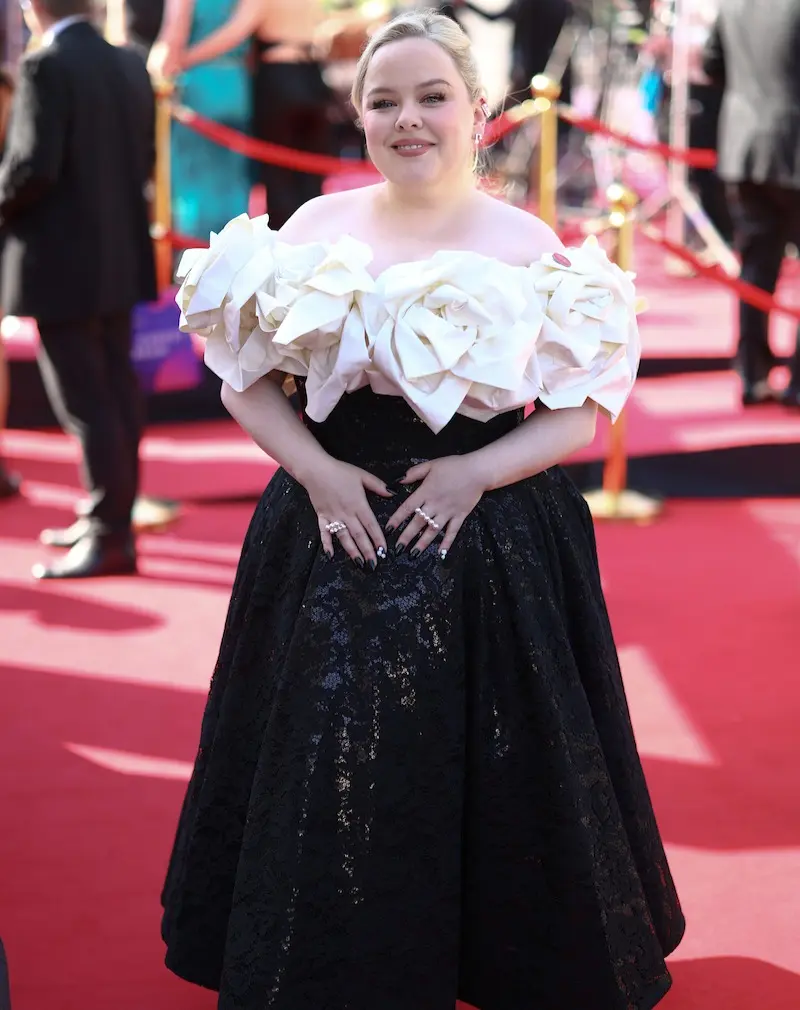
The BAFTA red carpet has become one of the most scrutinised fashion platforms of the year. Designers use the evening to introduce couture that will echo into Oscar season. British tailoring frequently asserts itself alongside Parisian ateliers and leading jewellery maisons.
Styling begins days in advance within suites at Claridge’s, The Connaught, and The Ritz London. Archive diamonds are transported under guard, bespoke gowns adjusted with precision, and publicists coordinate arrivals to the minute. Every detail contributes to a carefully constructed visual narrative.
Photography from the night circulates rapidly across international fashion and culture titles. For nominees and presenters, the image presented in London can refine or redefine public perception. For luxury brands, the BAFTAs offer a disciplined environment in which to align with creative authority rather than spectacle.
Inside the Hall: Ceremony and Hierarchy
Within the Royal Festival Hall, the tone is measured and focused. Seating reflects hierarchy, with nominees and senior industry figures positioned close to the stage. Sponsors and invited guests are arranged with comparable care, reinforcing social and professional standing.
The hosting style typically balances wit with restraint, allowing the awards to remain central. Production design favours elegance over extravagance. Speeches often carry a note of intimacy that distinguishes the BAFTAs from more expansive American ceremonies.
The atmosphere inside the hall reinforces the Academy’s seriousness. Recognition feels earned rather than engineered.
The Social Continuum of BAFTA Night

The ceremony may conclude on stage, but the evening continues elsewhere. Official receptions and studio-hosted gatherings extend the night into the early hours. Agents introduce clients to international distributors, producers confirm meetings, and fashion houses quietly celebrate successful placements.
Private members’ clubs in Mayfair, including Annabel’s and The Arts Club, frequently host invitation-only gatherings. Guest lists are curated, security remains visible yet unobtrusive, and conversations unfold away from cameras. These rooms often carry as much strategic weight as the awards themselves.
The BAFTAs operate as a continuum, where recognition, negotiation, and celebration merge seamlessly.
Operational Bases and Private Tables in Mayfair
During BAFTA weekend, certain addresses function as operational headquarters. Claridge’s, The Connaught, and The Ritz London are longstanding favourites, valued for their privacy protocols and experience with high-profile guests. Entire floors may be reserved for studios or fashion houses, with suites converted into styling rooms and interview spaces.
Dining forms part of the same choreography. Scott’s in Mayfair remains a reliable setting for pre-ceremony lunches and post-award dinners, its private rooms offering discretion without sacrificing atmosphere. Sexy Fish draws a fashion-forward crowd during awards week, while The River Café hosts more intimate industry meals removed from central London’s intensity.
These establishments are integral to the awards ecosystem. They support fittings, interviews, negotiations, and celebrations, ensuring the ceremony is only one element of a carefully managed weekend.
Invitation, Protocol, and Positioning
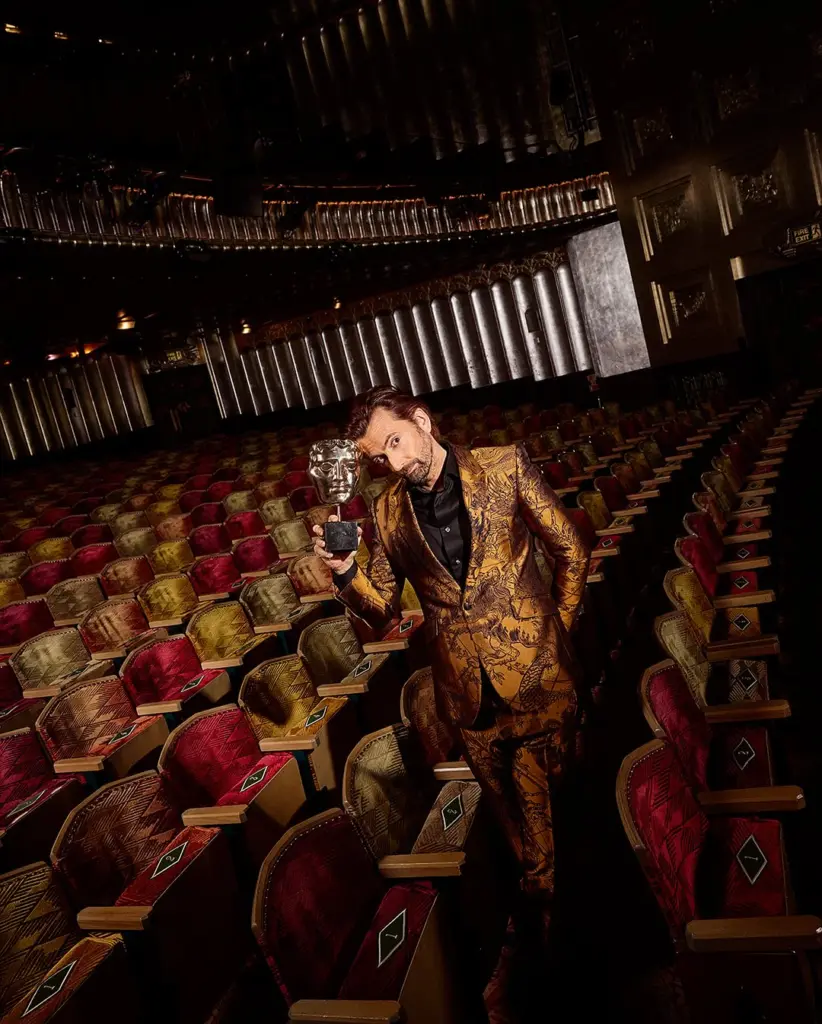
Attendance at the BAFTAs is governed by invitation. Tickets are allocated to nominees, presenters, sponsors, and Academy members, with corporate hospitality providing structured access. Visibility within the hall remains tiered, reflecting professional standing and partnership arrangements.
Protocol extends beyond dress codes. Arrival times are precise, media interactions are scheduled, and movement within the venue is discreetly managed. Experienced publicists and hospitality teams guide guests through a complex landscape of expectations.
Positioning at the BAFTAs is rarely accidental. Every placement, from seating to sponsorship, carries meaning.
Recalibration and Reform Within the Academy
In recent years, the Academy has introduced reforms to broaden representation and refine its voting processes. Membership structures have been reassessed, and international productions have gained increasing prominence. These shifts reflect the globalised nature of contemporary filmmaking.
Production values continue to evolve, balancing tradition with modern broadcast expectations. The ceremony adapts without relinquishing its core identity: measured, authoritative, and rooted in artistic merit.
The Enduring Authority of the BAFTAs
The BAFTAs endure because they combine institutional credibility with cultural resonance. They honour film in a city whose history lends weight to recognition, and they influence awards campaigns while maintaining a distinct identity.
For a luxury audience, their significance lies in this convergence of art, reputation, and setting. The BAFTAs reveal how creative achievement is celebrated, how image is constructed, and how London positions itself each winter at the centre of global cinema.