

All products are independently selected by our editors. If you buy something, we may earn an affiliate commission.
Paris takes on a different rhythm once the French Open arrives. Café terraces fill early, the city settles into the warmth of late spring, and attention turns west towards Roland-Garros, where two weeks of clay-court tennis unfold against one of the sport’s most recognisable settings.
Held from 18 May to 7 June 2026, with the main draw beginning on 24 May, the French Open remains the only Grand Slam played on clay. The slower surface, longer rallies, and intimate court layouts give the tournament a character distinct from Melbourne, London, or New York. Alongside the tennis, Roland-Garros has become firmly embedded within the wider Parisian social season, drawing luxury travellers, fashion houses, hospitality brands, and international guests to the 16th arrondissement each spring.
For first-time visitors, the experience benefits from the same consideration as any major cultural event in Paris. Where you stay, when you attend, and how you move through the grounds all shape the fortnight.
Navigating the Roland-Garros Fortnight
The tournament begins with qualifying week before the main draw opens on 24 May 2026. While finals weekend attracts the greatest international attention, many returning attendees favour the earlier rounds, when the grounds feel livelier and movement between courts is easier.
Opening week offers some of the tournament’s most enjoyable viewing. Outer courts place spectators close to players and coaches, allowing visitors to move between established champions, rising talents, and practice sessions throughout the day. The atmosphere feels relaxed yet animated, with long lunches and Champagne terraces becoming part of the experience.
By the quarter-finals, the mood shifts noticeably. Hospitality lounges become fuller, premium seating increasingly sought after, and Court Philippe-Chatrier develops a sharper sense of occasion. Evening sessions add a more dramatic atmosphere, particularly when matches extend late into the Paris night.
The women’s semi-finals take place on 4 June 2026, followed by the men’s semi-finals on 5 June, the women’s final on 6 June, and the men’s final on 7 June. During these closing days, security tightens and demand for premium hospitality peaks.
The Courts That Shape the Tournament
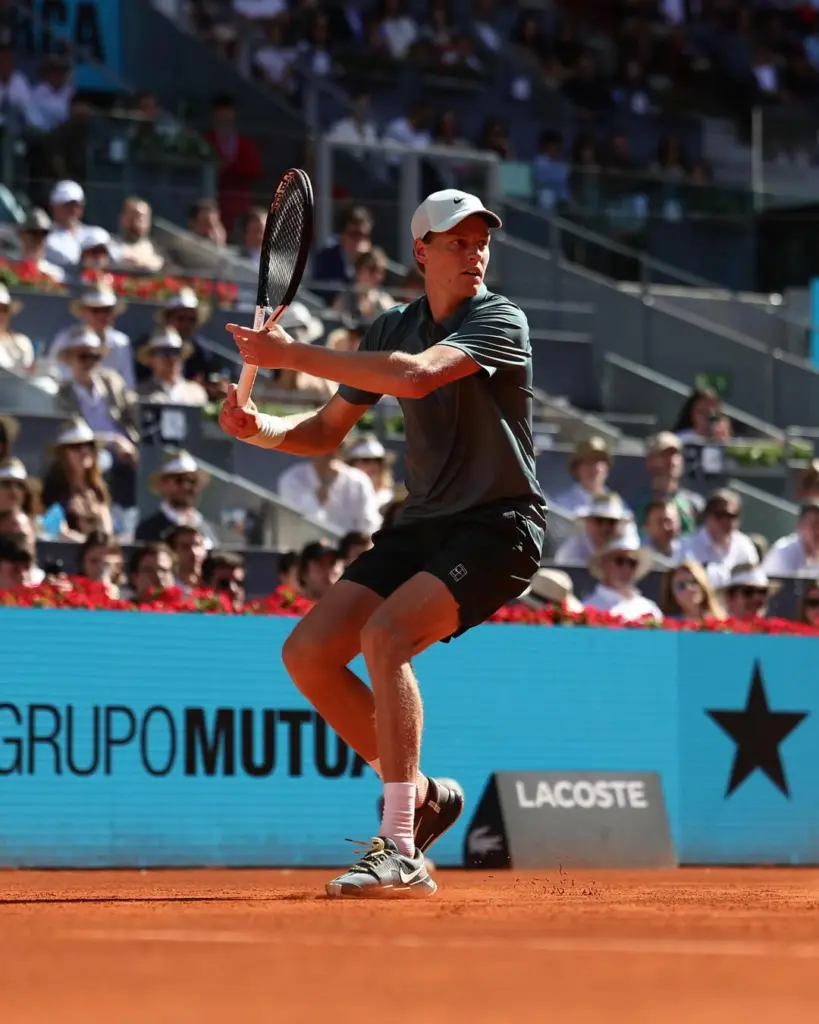
Court Philippe-Chatrier sits at the centre of Roland-Garros and remains one of the sport’s most recognisable venues. Its retractable roof, introduced in 2020, improved scheduling flexibility while preserving the intimacy that distinguishes the tournament from larger Grand Slam arenas.
Court Suzanne-Lenglen, which received its own retractable roof ahead of the 2024 edition, offers a slightly more relaxed setting while still hosting many headline matches.
For many returning guests, however, some of the most memorable hours are spent away from the show courts. Simonne-Mathieu, framed by the greenhouses of the Jardin des Serres d’Auteuil, remains among the circuit’s most visually striking courts. Late-afternoon matches there feel particularly atmospheric.
The outer courts are equally central to Roland-Garros’ appeal. Unlike some larger sporting events, the tournament still allows moments of genuine proximity to players and coaches, particularly during opening week. Visitors can move comfortably between matches, pausing for lunch, wine, or simply to absorb the atmosphere across the grounds.
Hospitality at Roland-Garros
Premium hospitality has become an increasingly important part of the French Open experience, particularly during the latter stages of the tournament. Official hospitality is operated through Sodexo Live! Hospitality, with experiences ranging from premium reserved seating to fully serviced VIP lounges and private hospitality spaces.
The most sought-after packages combine Category 1 seating on Court Philippe-Chatrier with access to hospitality salons such as Le Pavillon, L’Orangerie, La Mezzanine, and La Brasserie des Mousquetaires. Depending on the package, guests may also enjoy gourmet dining, Champagne service, dedicated hosts, VIP entrances, and concierge assistance throughout the day.
Certain premium experiences include quieter private reception areas designed for corporate entertaining or discreet client hosting, particularly during the semi-finals and finals. Demand for these spaces is exceptionally high during the tournament’s closing stages and is often secured well in advance.
For many luxury travellers, the most balanced experience lies between full corporate entertaining and standard public access. Premium reserved seating, paired with lounge access, generally allows for a more relaxed pace over longer days at the grounds.
Dressing for the Paris Clay Season
The French Open has never embraced the rigid dress expectations associated with some other sporting occasions, yet there remains an understated elegance to Roland-Garros style. Tailored linen, refined knitwear, relaxed suiting, and polished footwear dominate the hospitality areas, while luxury fashion houses maintain a visible presence throughout the fortnight.
Comfort matters more than many first-time visitors expect. The grounds are larger than anticipated, days often extend into the evening, and Parisian temperatures can shift considerably between morning and night sessions. Lightweight layers, sunglasses, and practical footwear quickly become essential.
Clay dust is another detail frequently overlooked by new attendees. Softer palettes and lighter fabrics generally fare better across full days at the grounds.
Where to Stay in Paris
Choosing the right hotel shapes the wider experience as much as the tennis itself. While proximity to Roland-Garros is useful, many luxury travellers prefer to stay closer to central Paris, balancing tournament access with dining, shopping, and evenings elsewhere in the city.
The Peninsula Paris remains one of the strongest choices for guests seeking privacy, spacious suites, and discreet service, alongside convenient access to both Roland-Garros and the Golden Triangle. Its rooftop restaurant also provides one of the city’s finest post-match settings during the warmer months.
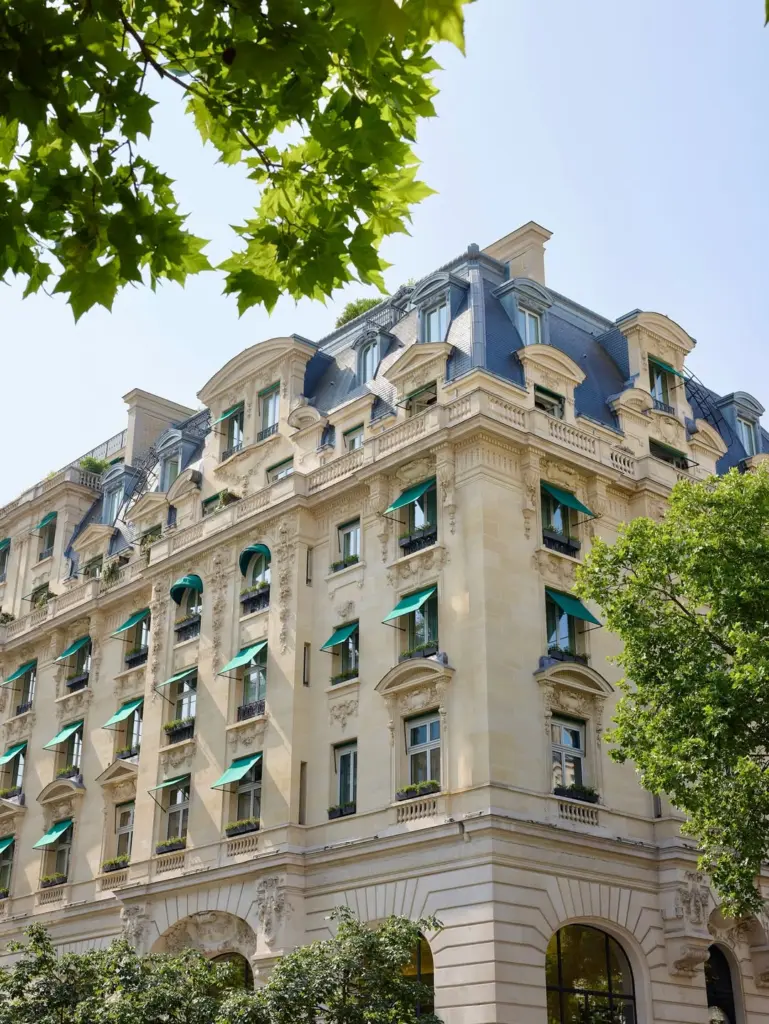
Shangri-La Paris suits travellers seeking a quieter residential atmosphere paired with sweeping views of the Eiffel Tower. The calmer setting works particularly well for guests attending the tournament across several days.
For those prioritising fashion, dining, and the wider Paris social scene, Hôtel Plaza Athénée continues to attract guests connected to luxury brands, media, and hospitality circles throughout the fortnight.
Bulgari Hotel Paris has also become increasingly popular during major Paris events, particularly among travellers seeking a more contemporary style of luxury alongside discreet security and private wellness facilities.
Parisian Dining Between Matches
One of the pleasures of attending the French Open lies in balancing the intensity of the tennis with the slower rhythm of Paris itself. Long lunches and late dinners naturally become part of the schedule.
Before afternoon sessions, Girafe remains a favourite for terrace dining with Eiffel Tower views, particularly for visitors heading west towards Roland-Garros afterwards. L’Avenue continues to draw a fashion-focused crowd throughout the tournament period, especially during evening sessions and finals weekend.
For something quieter after a full day at the courts, La Grande Cascade offers a more traditional Parisian setting within the Bois de Boulogne, a short distance from the grounds.
Meanwhile, Le Relais Plaza remains one of the city’s enduring post-event dining rooms, particularly for guests staying nearby on Avenue Montaigne.
Arrivals and Navigating the Grounds

Traffic surrounding Roland-Garros becomes increasingly challenging as the tournament progresses, particularly during evening sessions and the finals weekend. Chauffeur arrangements are strongly advisable for guests attending premium hospitality areas, both for convenience and easier navigation through security checkpoints.
Private aviation guests typically arrive via Paris-Le Bourget Airport, with luxury travel providers arranging transfers directly to hotels or the grounds. Within Paris itself, many experienced attendees favour a combination of chauffeur services and metro access depending on the time of day, particularly during heavier evening congestion.
Within the grounds, pacing is important. Attempting to cover every court in a single visit quickly becomes exhausting. The most enjoyable days leave room for extended lunches, slower afternoons, and time spent absorbing the atmosphere between matches.
The Social Side of the Tournament
The French Open occupies a distinctive place within the European social calendar. Luxury brands host private events throughout the fortnight, fashion houses entertain guests courtside, and watchmakers maintain a visible presence across hospitality spaces and sponsor activations.
Celebrity attendance becomes increasingly visible during the second week, particularly around evening sessions on Philippe-Chatrier. Yet despite its international profile, Roland-Garros still feels comparatively restrained beside some other global sporting events. The atmosphere remains polished rather than theatrical, shaped as much by Parisian culture as by the tennis itself.
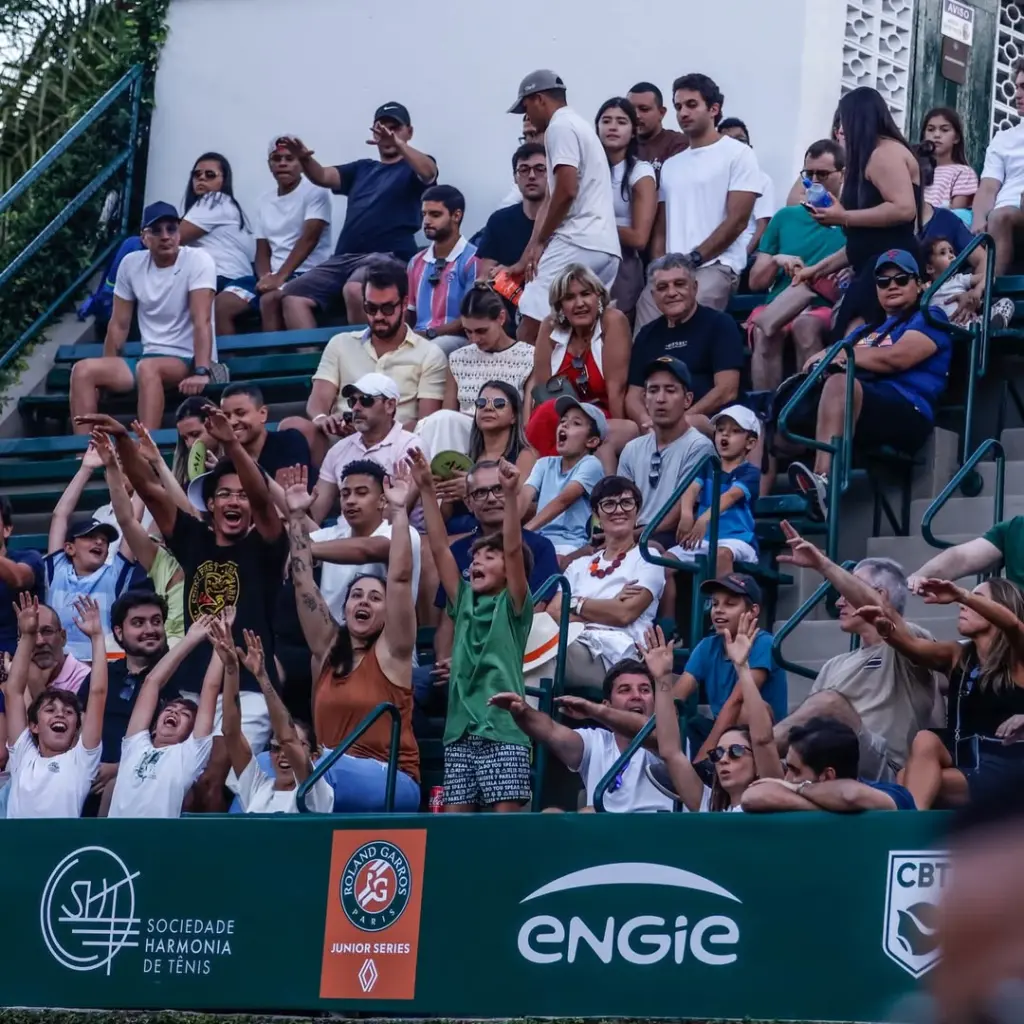
This balance continues to draw returning guests year after year. Long afternoons on clay courts, late dinners in Paris, and the rhythm of the city in early summer combine to create an experience that extends well beyond the matches themselves.
Why Roland-Garros Continues to Captivate
Few sporting events combine atmosphere, heritage, and location as naturally as the French Open. The tournament retains a sense of intimacy despite its global stature, and there remains something particularly compelling about watching the sport’s most physically demanding matches unfold against the backdrop of Paris in late spring.
For luxury travellers, the appeal lies as much in the rhythm surrounding the tournament as in the tennis itself. Mornings in the city, afternoons on the clay courts, and evenings spent in some of Paris’ finest restaurants give Roland-Garros a character unlike any other Grand Slam.
Attended well, the French Open becomes less about rushing between headline matches and more about settling into the pace of the fortnight, allowing both the city and tournament to reveal themselves gradually.