

All products are independently selected by our editors. If you buy something, we may earn an affiliate commission.
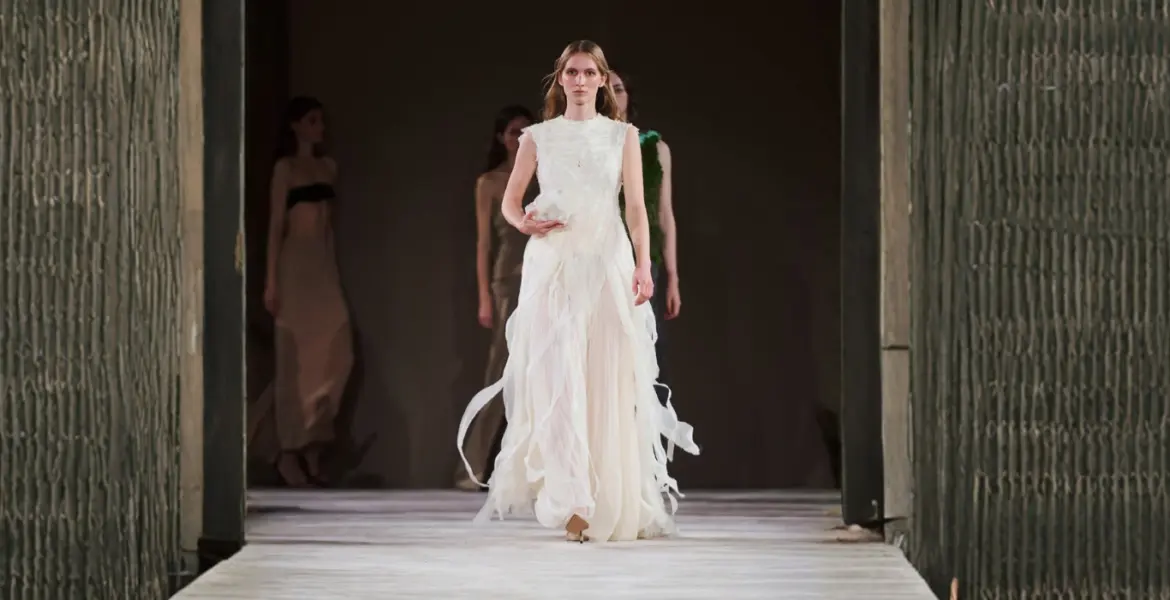
Across multiple seasons each year, Milan transforms into a global centre of creative, commercial, and cultural influence. Under the direction of Camera Nazionale della Moda Italiana (CNMI), Milan Fashion Week encompasses both Milano Moda Uomo (men’s collections in January and June) and Milano Moda Donna (women’s collections in February/March and September).
Each edition brings together heritage maisons, contemporary innovators, international media, and private clients, reinforcing Milan’s reputation as the commercial and stylistic heart of Italian fashion. Whether centred on menswear, womenswear, or the expanding digital and experiential calendar, Milan Fashion Week remains one of the industry’s most influential platforms.
The Leading Houses of Milan
Milan’s authority is shaped by fashion houses that consistently define the city’s identity across both men’s and women’s calendars.
Giorgio Armani’s various lines, including Emporio Armani, continue to anchor the schedule with presentations and runway shows that reflect the brand’s restrained elegance and technical mastery.
Prada remains a central intellectual force, regularly using Milan as a stage for collections that blend architectural design, cultural commentary, and modern tailoring.
Dolce & Gabbana’s Milan shows are known for theatrical production and Mediterranean romanticism, often among the most widely viewed presentations of the week.
Alongside these flagships, houses such as Etro and Brioni frequently appear through curated presentations and private appointments, offering refined interpretations of Italian craftsmanship and contemporary luxury.
Together, these brands ensure that Milan’s runways balance creative experimentation with commercial credibility.
Emerging Designers and the CNMI Fashion Hub
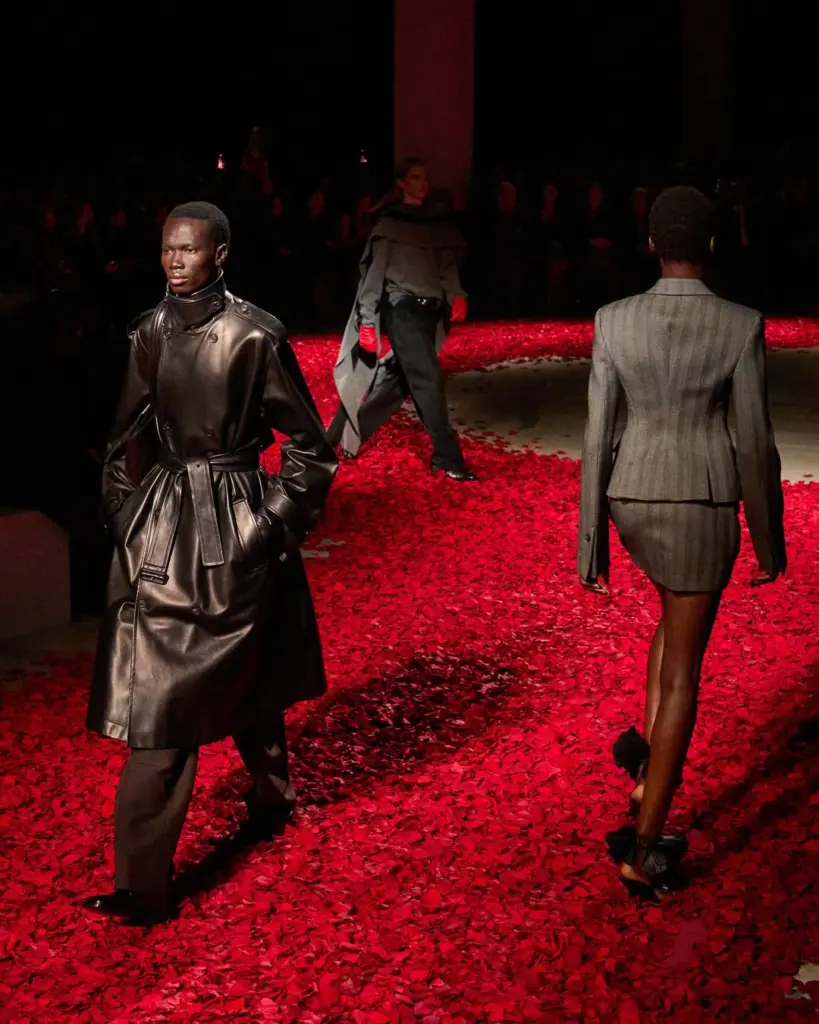
Beyond established maisons, CNMI actively supports new talent through its Fashion Hub initiative, a platform designed to promote innovation, sustainability, and diversity within Italian fashion.
The Fashion Hub operates alongside both men’s and women’s weeks, hosting curated showcases, exhibitions, and educational programmes. In recent editions, it has expanded into prominent cultural venues, reinforcing its role as a bridge between emerging designers and international buyers, editors, and investors.
Rather than functioning as a single showroom, the Hub represents Milan’s broader commitment to nurturing future creative leaders while integrating them into the city’s professional fashion ecosystem.
Attending Shows and Industry Access
Milan Fashion Week operates through a carefully structured hierarchy of access.
Runway shows are primarily invitation-only, reserved for editors, buyers, brand partners, and select clients. Presentations and showroom appointments provide additional access points for industry professionals, while digital broadcasts now accompany most major collections.
Many brands livestream their shows through official platforms, allowing global audiences to engage in real time. Meanwhile, select luxury travel and concierge services curate bespoke Fashion Week programmes that may include:
- Access to brand presentations and private previews
- Showroom and atelier appointments
- Invitations to private dinners and partner events
- Logistics and transport coordination
Meaningful access is typically built through long-term industry relationships, editorial credentials, or established client status rather than public ticketing.
Where the Style Elite Stay
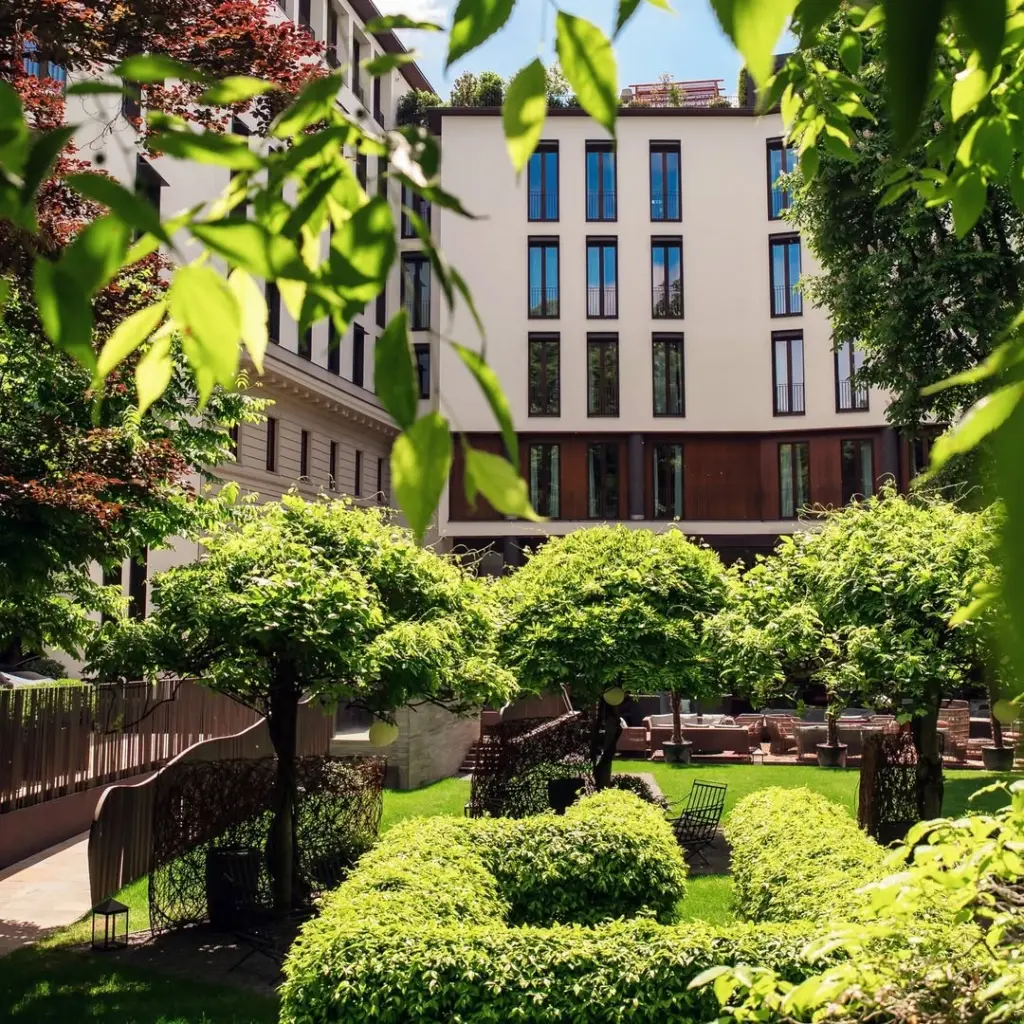
During Fashion Week, discretion and location are paramount. Milan’s leading hotels provide both privacy and proximity to key fashion districts such as Brera, Tortona, and the Quadrilatero della Moda.
Bulgari Hotel Milano offers a secluded garden setting that appeals to designers and executives seeking calm between engagements.
Armani Hotel Milano reflects the founder’s minimalist philosophy and attracts guests closely aligned with the brand’s aesthetic.
Palazzo Parigi Hotel & Grand Spa combines neoclassical elegance with extensive wellness facilities, favoured by long-stay visitors.
Four Seasons Hotel Milano, set within a former convent, remains a discreet refuge for senior editors and long-standing fashion patrons.
These properties function as informal networking hubs throughout the week, often hosting private fittings, interviews, and brand meetings.
The Social and Cultural Circuit
Beyond official shows, Milan Fashion Week unfolds through an intricate programme of private and semi-private events.
Designers host intimate dinners, brands stage immersive installations, and international publications curate invitation-only receptions. Many events take place in palazzi, rooftop venues, and converted industrial spaces, reflecting Milan’s architectural diversity.
Access is typically arranged through brand clienteling teams, public relations agencies, editorial networks, and high-level concierge services. Private brand suites and off-calendar cultural exhibitions further enrich the city’s fashion-week atmosphere.
Together, these gatherings transform Milan into a continuous social and professional stage from morning fittings to late-evening receptions.
Dressing for Milan Fashion Week
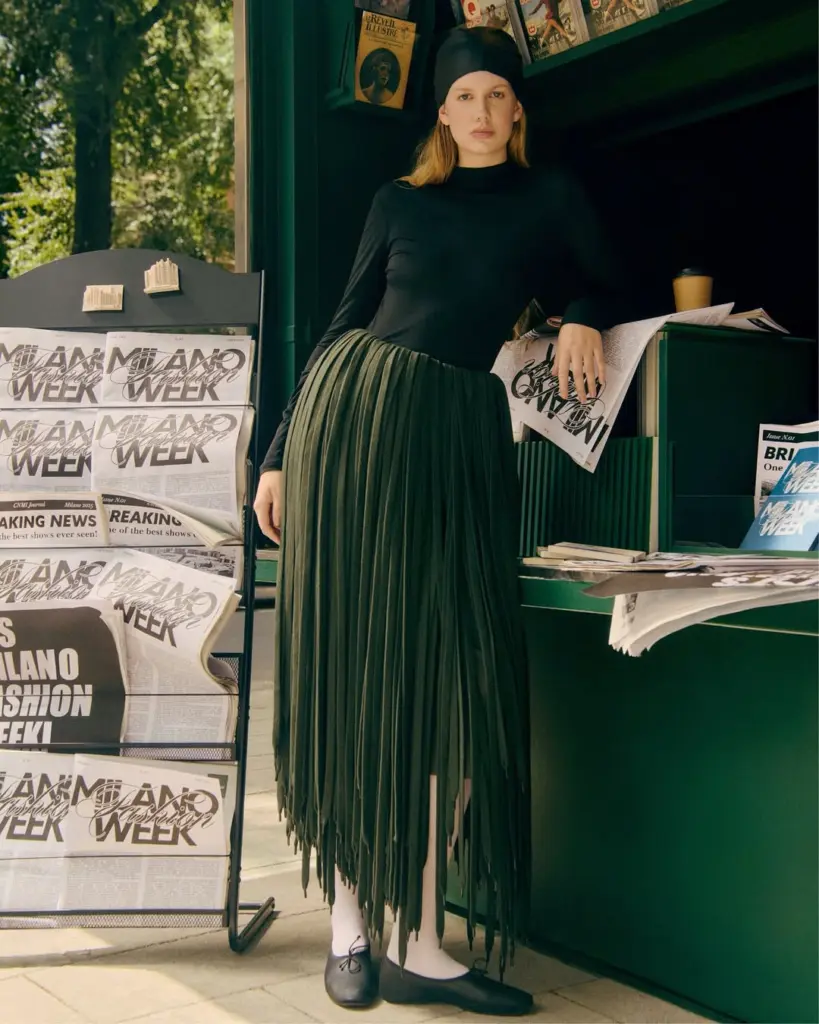
Style in Milan reflects precision, craftsmanship, and understated confidence.
During winter and early spring editions, tailored outerwear, layered knits, leather accessories, and structured boots dominate street style. September and June editions favour lightweight tailoring, fine shirting, transitional coats, and polished footwear.
Across all seasons, attendees prioritise impeccable fit, refined accessories, and subtle individuality. Statement eyewear, monogrammed leather goods, and artisanal footwear remain constant signatures.
Experienced visitors favour versatile ensembles that transition seamlessly from runway venues to private dinners and evening events.
Exploring Milan Between Shows
Between appointments, Milan offers a rich cultural and retail landscape.
The luxury boutiques of Via Montenapoleone and its surrounding streets present flagship collections, capsule releases, and private shopping services.
Contemporary art enthusiasts frequently visit Fondazione Prada, while classical collectors gravitate towards the Poldi Pezzoli Museum, renowned for its Renaissance and decorative arts collection.
Dining remains integral to the Fashion Week experience, with Brera, Porta Nuova, and Navigli hosting discreet business lunches, late-evening tastings, and informal industry gatherings.
Practical Considerations for First-Time Visitors
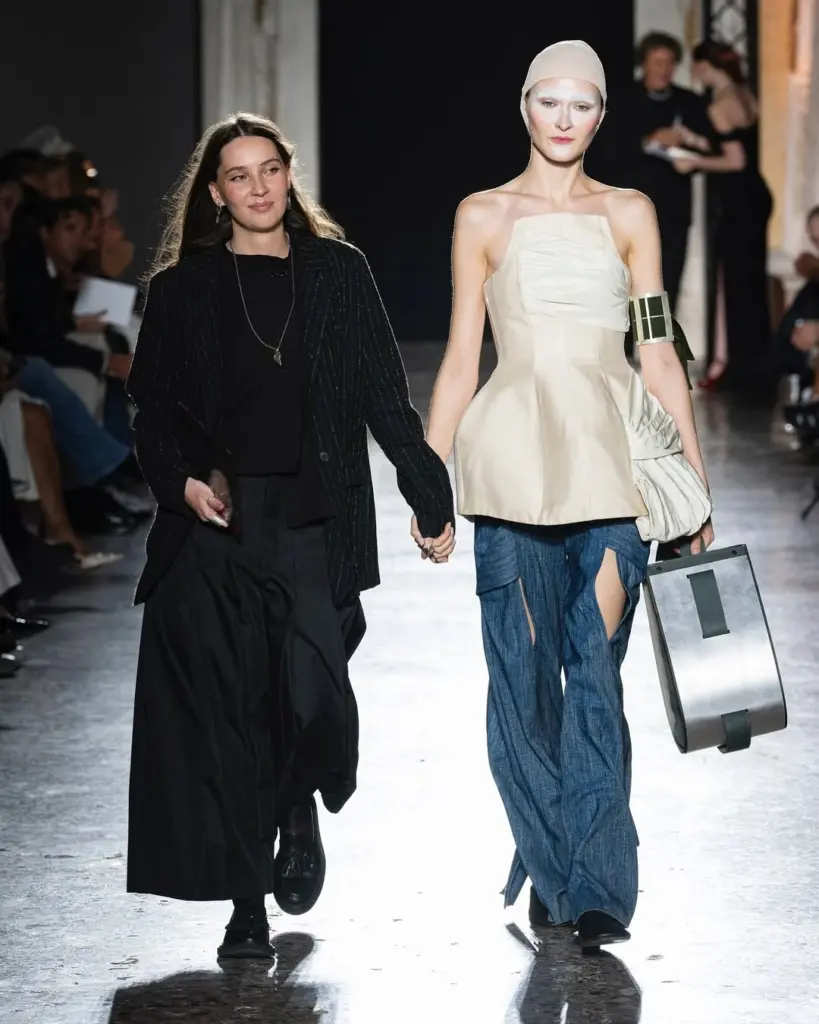
For those attending Milan Fashion Week for the first time:
- Secure accommodation and transport well in advance
- Plan routes between venues, as schedules often overlap
- Balance style with comfort for long days on foot
- Monitor official CNMI calendars for venue updates
- Allow time for private appointments and unexpected invitations
Understanding Milan’s rhythm helps visitors navigate the week with confidence and composure.
The Enduring Influence of Milan Fashion Week
Milan Fashion Week remains a cornerstone of the global fashion calendar because it unites creativity, manufacturing excellence, and commercial authority within a single city.
Across men’s and women’s editions, runway shows, presentations, and digital platforms, Milan continues to shape how luxury fashion is designed, produced, and experienced worldwide.
Whether attending in person, engaging through industry networks, or following digitally, participants encounter a city that consistently balances heritage with innovation. As of 2026, with expanding cultural programming and international collaborations, Milan Fashion Week continues to reaffirm its position as the definitive expression of Italian fashion leadership.