

All products are independently selected by our editors. If you buy something, we may earn an affiliate commission.
Running from 21 May to 30 August 2026 in the East Sussex countryside, the Glyndebourne Festival remains one of Britain’s most recognisable summer cultural traditions. Set within the grounds of the Christie family estate near Lewes, the festival combines internationally respected opera productions with black-tie dressing, long garden intervals, and the kind of quietly polished atmosphere that has defined Glyndebourne since its founding in 1934.
Unlike the scale and intensity of larger city festivals, Glyndebourne unfolds at a slower pace. Guests arrive through the South Downs for afternoon and evening performances, spend extended intervals dining on the lawns or within the opera house restaurants, then return to productions staged by some of the leading names in opera and theatre. The result feels distinctly English, shaped as much by ritual and setting as by the performances themselves.
An Opera Festival with International Standing
Founded by John Christie and soprano Audrey Mildmay, Glyndebourne quickly established itself as a serious artistic institution rather than a society event centred around opera. Its reputation was built on musical standards, carefully developed productions, and the intimacy of the experience itself.
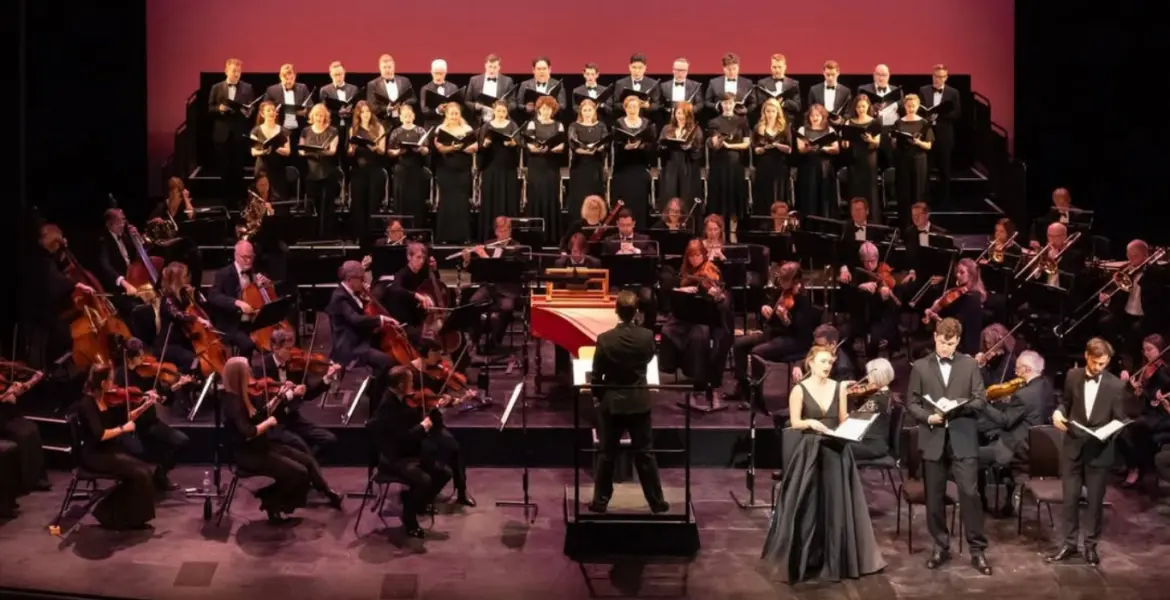
The current 1,200-seat opera house, opened in 1994, overlooks the surrounding Sussex landscape and remains central to the festival’s appeal. The London Philharmonic Orchestra continues as Glyndebourne’s resident orchestra, while productions regularly feature internationally recognised conductors, directors, and performers drawn from leading opera houses across Europe and North America.
The 2026 festival programme includes Tosca, Il turco in Italia, L’Orfeo, Billy Budd, Ariadne auf Naxos, and Die Entführung aus dem Serail. Mozart remains closely associated with Glyndebourne’s artistic identity, though the festival regularly balances Italian, German, and English repertoire alongside newer commissions and contemporary interpretations.
The Glyndebourne Festival Experience
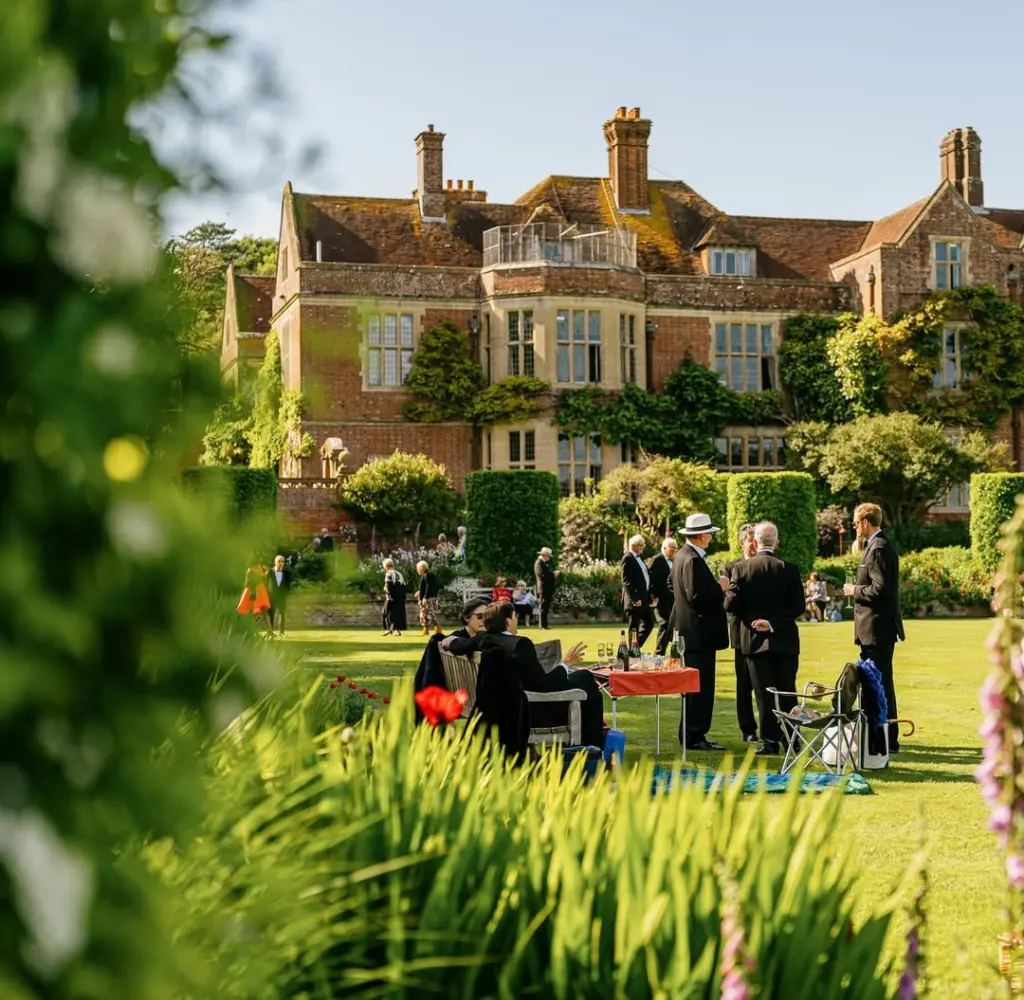
Performances generally begin in the afternoon or early evening, with many guests arriving several hours beforehand to settle into the grounds and prepare for the long dinner interval that defines the festival experience.
The interval, which typically lasts around 90 minutes, remains one of Glyndebourne’s most recognisable traditions. Guests move from the opera house onto the terraces, gardens, and lawns carrying chilled champagne, silver hampers, and carefully prepared picnic settings. Others reserve tables within the opera house restaurants, where dining is timed precisely around the performance schedule.
Evening performances are especially sought after during June and July, when the grounds remain bright well into the second interval, and the atmosphere across the estate feels at its most sociable. Opening nights and major productions attract returning patrons, arts figures, and long-standing members who attend Glyndebourne as part of the wider British summer season alongside events such as Royal Ascot and Wimbledon Championships.
Black Tie and the Glyndebourne Dress Tradition
Glyndebourne remains one of the few British cultural events where black tie is still strongly observed for evening performances. Dinner jackets, tuxedos, velvet slippers, floor-length gowns, and refined cocktail dressing continue to define the atmosphere across the grounds and opera house.
Matinee performances allow slightly more flexibility, though most attendees still approach the occasion with a high level of formality. Contemporary tailoring has naturally become more visible in recent seasons, yet the overall tone remains elegant rather than trend-driven.
Because much of the evening is spent outdoors, guests generally favour practical evening dressing suited to gravel paths and open lawns. Lightweight tailoring, shawls, structured outerwear, and understated fine jewellery tend to sit naturally within the setting.
Champagne on the Lawns and Glyndebourne Hospitality
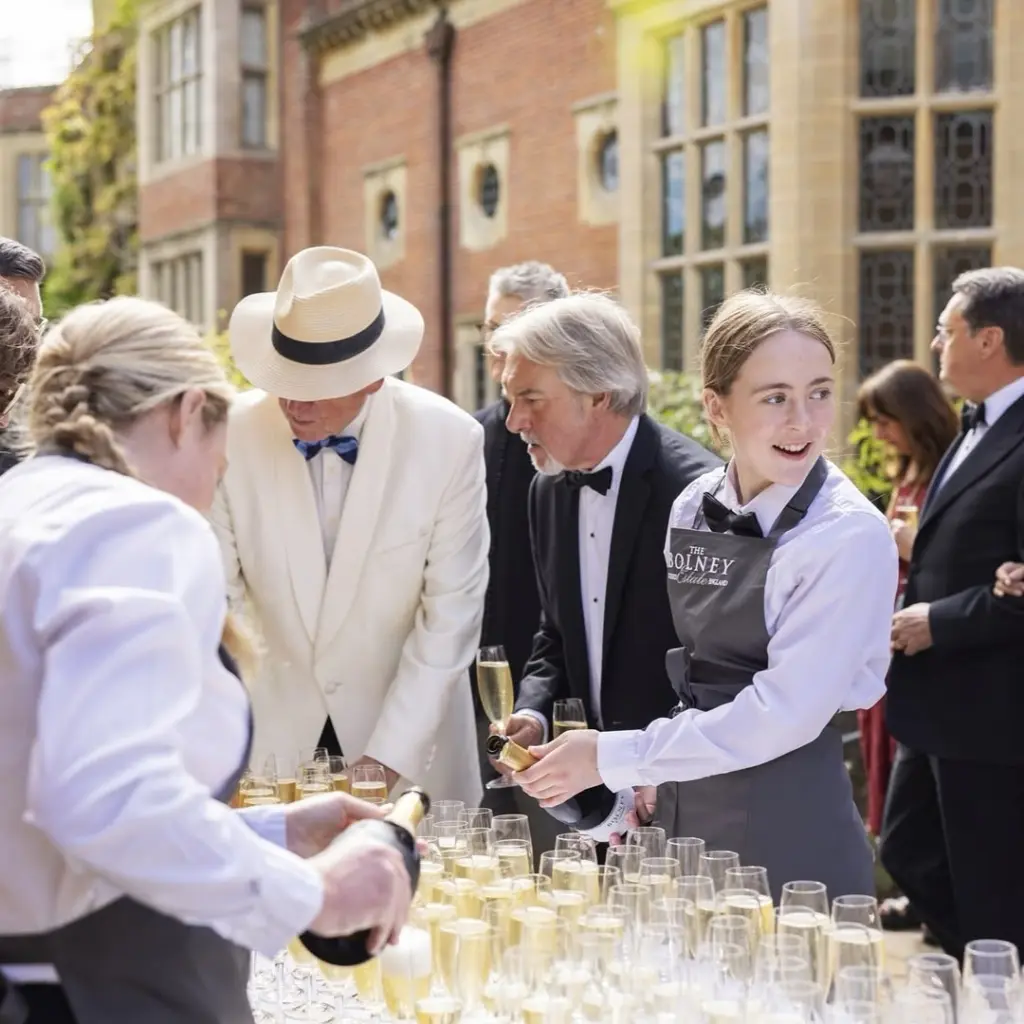
The long interval transforms the estate into one of the most distinctive dining settings in the British summer calendar. Guests either arrange their own elaborate picnics or reserve one of Glyndebourne’s official dining experiences in advance.
Middle & Over Wallop serves the festival’s principal fine-dining menu, while Mildmay focuses on British favourites in a more relaxed setting. Nether Wallop centres around seasonal sharing dishes built around Sussex produce. The Long Bar remains a popular gathering point for champagne and cocktails before performances and during intervals.
Pre-ordered picnic hampers continue to be one of the festival’s defining traditions, with guests collecting prepared baskets before arranging tables across the lawns and gardens. Many long-standing attendees still bring silverware, crystal glassware, linen tablecloths, and candlelit settings, maintaining a ritual that has become inseparable from the Glyndebourne identity.
Champagne houses feature prominently throughout the estate, while Sussex sparkling wines from producers such as Rathfinny Wine Estate and Nyetimber increasingly appear across the festival’s hospitality offering.
Productions, Staging, and Artistic Reputation
Part of Glyndebourne’s appeal lies in the intimacy of its productions. Even ambitious stagings retain a sense of proximity between performers and audience that larger opera houses often struggle to achieve.
The festival is known for investing heavily in direction, design, and musical detail, with productions frequently developed specifically for Glyndebourne rather than transferred from elsewhere. Directors such as Sir David McVicar, Richard Jones, and Barrie Kosky have all staged acclaimed productions at the festival in recent years.
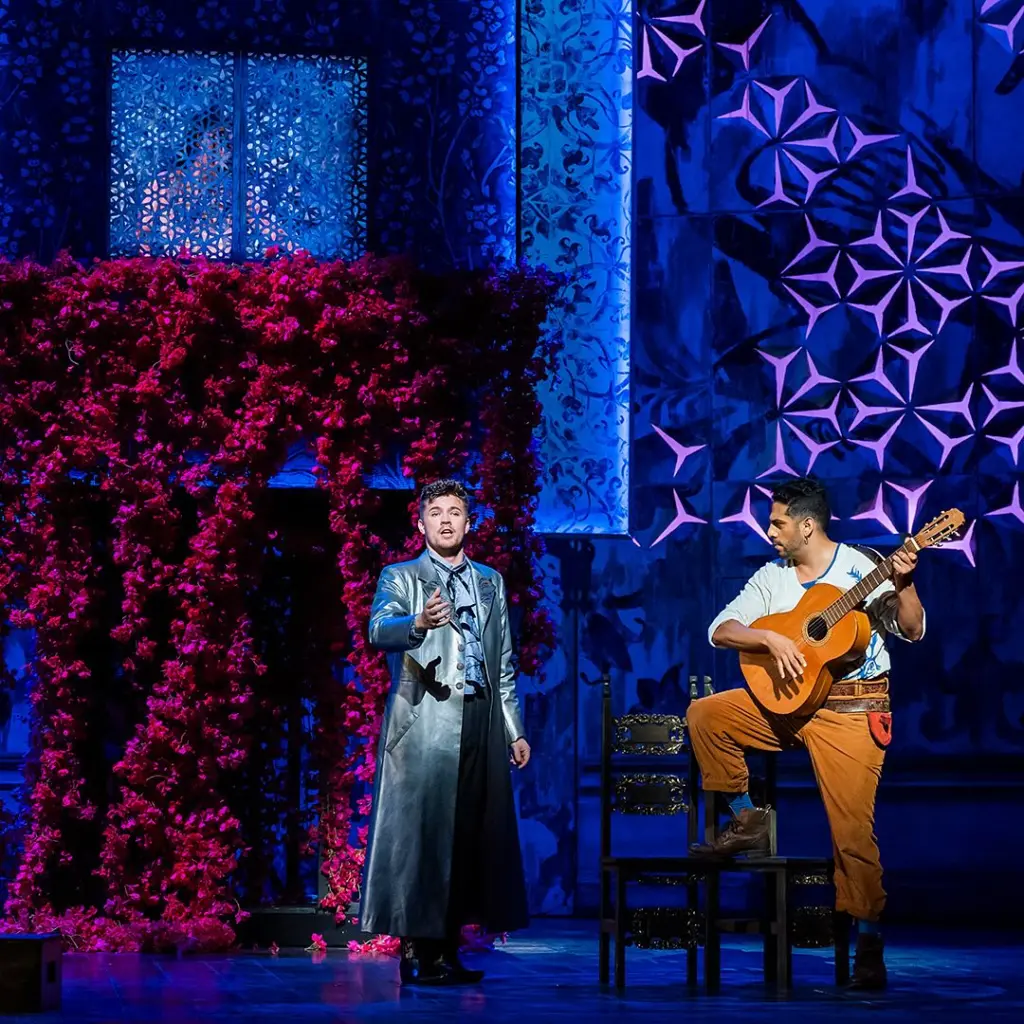
Audiences can expect a balance between traditional interpretations and contemporary reimaginings, though Glyndebourne generally avoids staging choices that feel provocative purely for effect. The emphasis remains on musical and dramatic coherence rather than spectacle alone.
For guests newer to opera, Glyndebourne often feels more approachable than major city venues precisely because the wider experience softens some of the formality associated with the art form.
Securing Tickets and Premium Experiences
Demand for Glyndebourne tickets remains consistently high, particularly for opening performances, new productions, and peak summer weekends. Membership programmes play a significant role in early ticket access, with priority booking often determining availability for the most desirable dates.
Front stalls and central circle seats are especially sought after, though the scale of the opera house means sightlines remain strong throughout much of the auditorium.
Many international guests arrange their visits through specialist cultural travel advisors or concierge teams who coordinate tickets, dining reservations, chauffeur services, and countryside accommodation. Corporate entertaining also forms part of the season, particularly through private dining and hosted interval experiences.
Arriving Through the South Downs
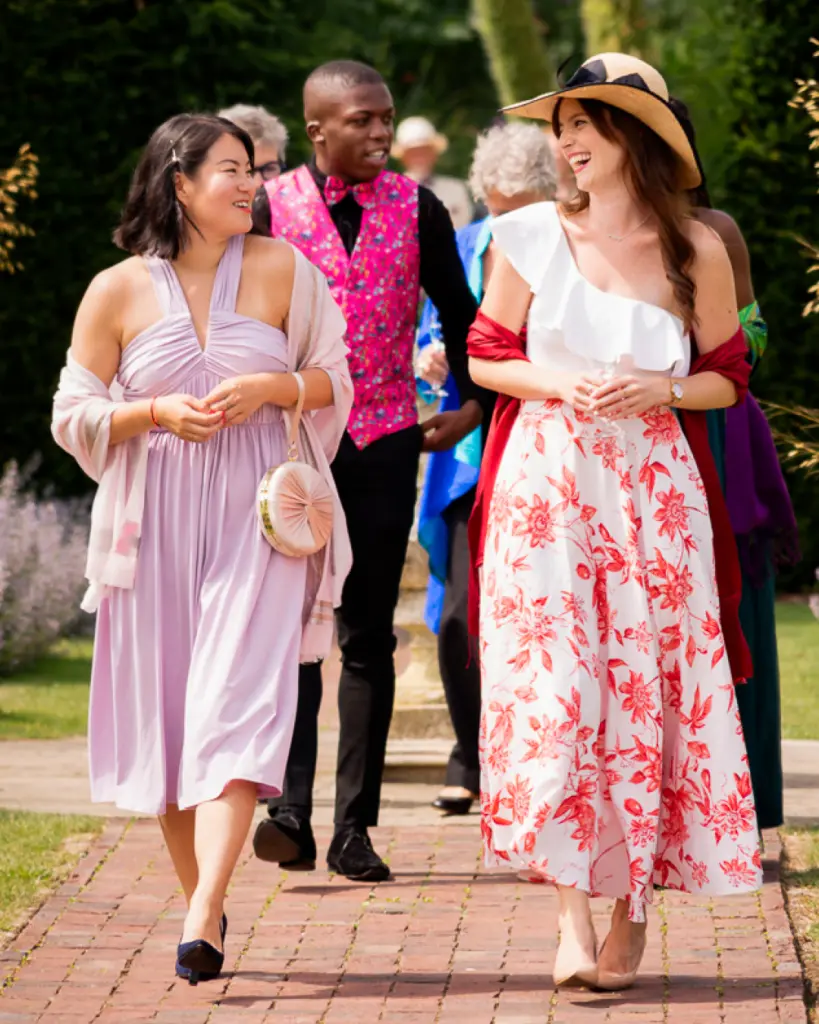
Glyndebourne sits approximately 54 miles south of London near Lewes in East Sussex. Guests travelling by road generally allow at least two and a half hours from central London, particularly for evening performances during peak summer traffic.
Chauffeur-driven arrivals are common, especially for guests attending opening nights and major productions. Direct rail services from London Victoria to Lewes provide a straightforward alternative, with private transfers completing the final stretch through the South Downs National Park. Helicopter arrivals are occasionally arranged for major performances during the height of the season.
The surrounding landscape contributes significantly to the festival’s atmosphere. Rolling hills, winding country roads, and uninterrupted stretches of Sussex countryside create a noticeable sense of removal from London before guests even reach the estate.
Where to Stay for a Glyndebourne Weekend
Many attendees extend their visit into a full countryside escape, combining the festival with vineyard visits, coastal dining, and stays across Sussex.
Gravetye Manor remains one of the region’s most refined country-house hotels, known for its gardens, Michelin-starred dining, and traditional English interiors.
South Lodge offers a more contemporary alternative, pairing a substantial spa and wellness offering with suites overlooking the South Downs. Its private lodges and expansive grounds make it especially appealing for longer weekend stays.
For guests preferring a coastal base, Brighton combines Regency architecture with a stronger restaurant and nightlife scene. The Grand Brighton remains one of the city’s landmark stays, particularly for visitors combining Glyndebourne with several days on the Sussex coast.
Dining Across Sussex Before and After the Performance
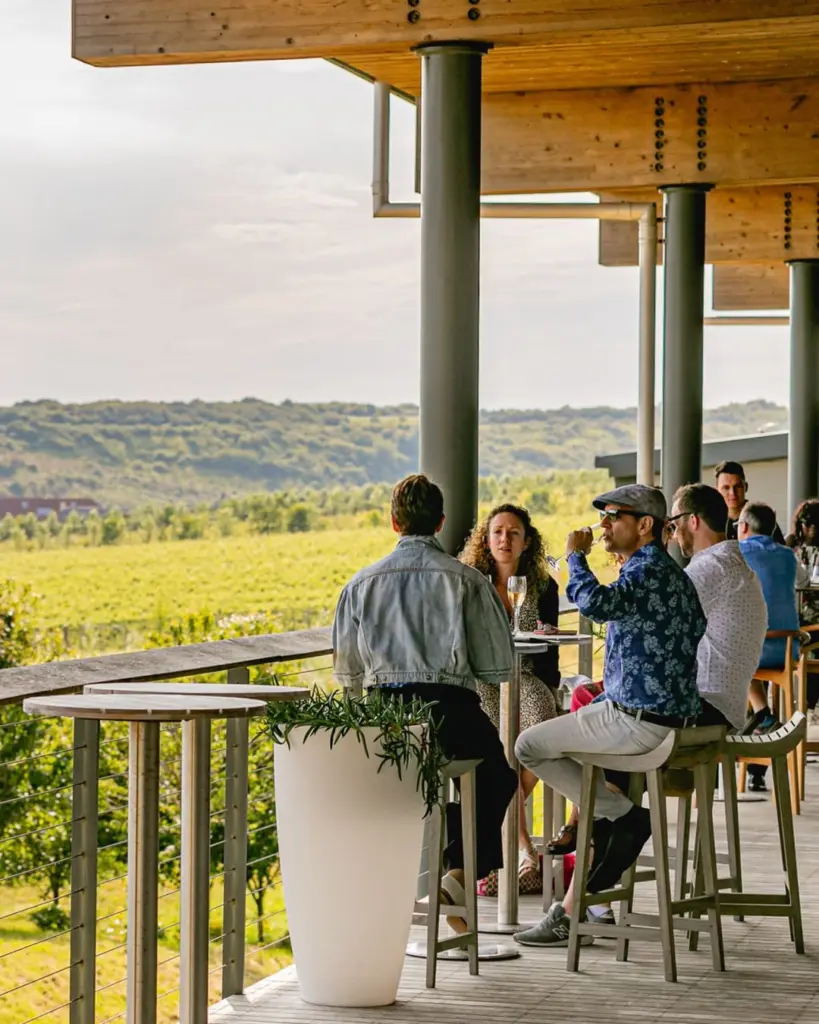
The wider Sussex dining scene has become increasingly connected to the Glyndebourne experience, particularly as English wine estates and destination restaurants continue to grow across the region.
Across Sussex, restaurants such as The Star and Flint House are popular among festival attendees for modern British menus centred around seasonal produce and local seafood.
Wine-focused itineraries frequently include visits to Rathfinny Wine Estate, whose sparkling wines now appear regularly throughout Glyndebourne’s hospitality offering, alongside estates such as Nyetimber.
For many regular guests, Glyndebourne now forms part of a broader summer itinerary shaped around countryside hotels, vineyard lunches, coastal dining, and several days within the South Downs rather than a single evening performance.
Why Glyndebourne Still Defines the British Summer Season
Glyndebourne has retained its relevance because it understands the value of atmosphere as much as performance. The festival remains rooted in tradition without feeling frozen in it, drawing audiences who appreciate opera alongside those arriving for the setting, ritual, and pace of the experience itself.
Few cultural events combine formal evening dress, world-class productions, candlelit picnics, and the English countryside with the same level of ease. As the final interval fades into dusk and guests return to the opera house beneath the Sussex evening light, Glyndebourne settles into the atmosphere that has defined it for generations.