

All products are independently selected by our editors. If you buy something, we may earn an affiliate commission.
Each summer, attention turns towards a leafy corner of south-west London where tradition, sporting excellence and British summertime come together with remarkable consistency. For two weeks, the Wimbledon Championships transform SW19 into one of the most sought-after destinations in the global sporting calendar, drawing everyone from tennis devotees and first-time visitors to royalty, celebrities and international travellers.
The 2026 Championships take place from 29 June to 12 July at the All England Lawn Tennis and Croquet Club. As the oldest tournament in tennis and the only Grand Slam still played on grass, Wimbledon occupies a distinctive place within the sport. Yet its appeal extends well beyond the matches themselves. The atmosphere around the grounds, the rituals that accompany each day, and the wider experience of London in summer all contribute to an occasion that continues to feel unlike any other.
The Fortnight That Defines SW19
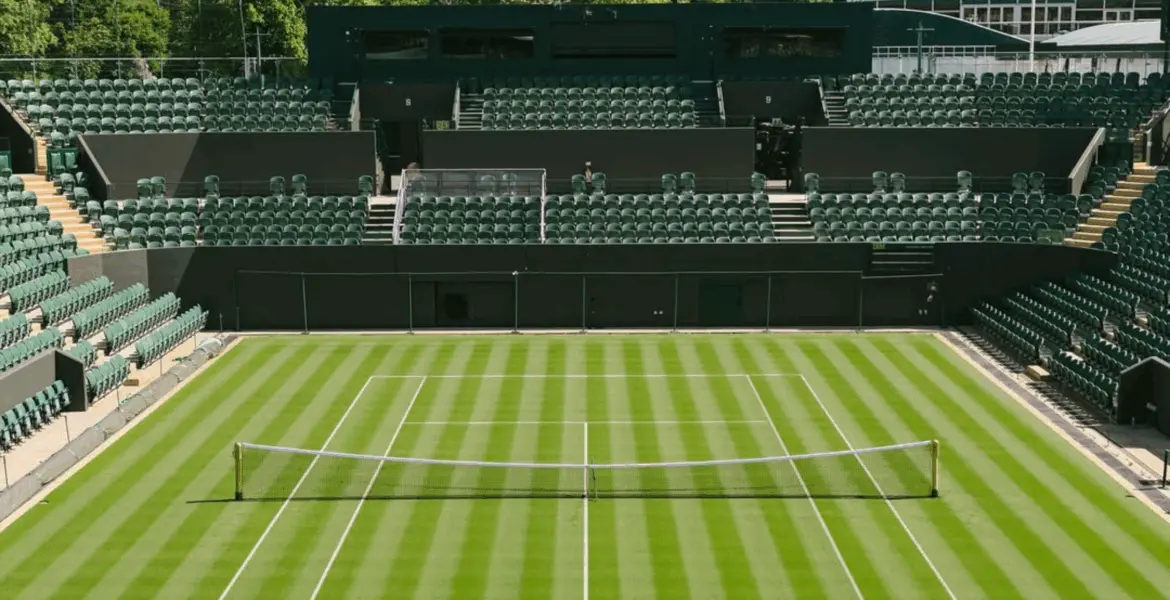
The first Wimbledon Championship was held in 1877, and much of what distinguishes the tournament today stems from traditions developed over generations. The grass courts remain central to its identity, demanding a style of play that differs noticeably from the hard courts of Melbourne and New York or the clay of Paris.
The All England Lawn Tennis and Croquet Club serves as both custodian and host, balancing modern expectations with a deep respect for the tournament’s heritage. Centre Court, first opened in 1922 at the Church Road site, remains one of the most recognisable sporting venues in the world. Nearby, ivy-covered walls, carefully maintained gardens and meticulously prepared courts create an environment that feels unmistakably Wimbledon.
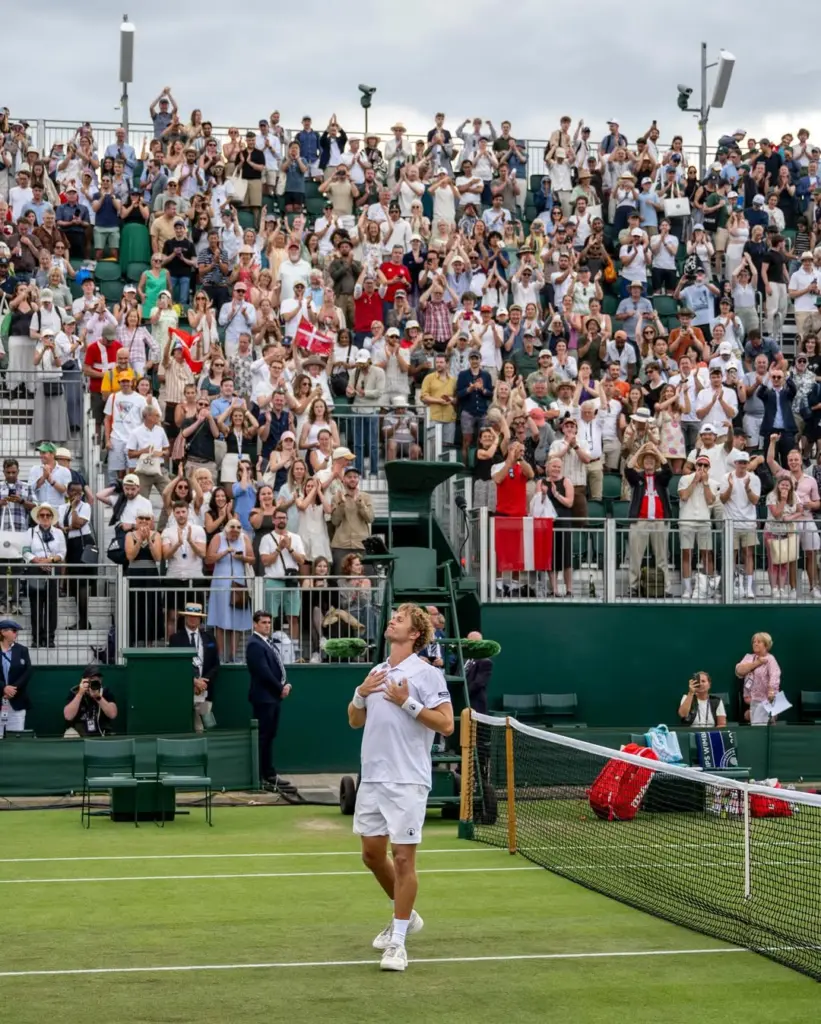
Many of the traditions associated with the Championships continue to shape the experience. Players still compete under the tournament’s strict all-white clothing regulations. The Royal Box remains one of the most prestigious invitations in sport. Strawberries and cream remain a familiar sight throughout the grounds. Together, these details help preserve the character that has long defined Wimbledon.
The Championships form an important part of the British summer season, sitting alongside events such as Royal Ascot and Henley Royal Regatta. For many visitors, Wimbledon provides the focal point of a wider London itinerary, offering an opportunity to experience the capital at one of its most vibrant times of year.
The Championships Unfold
The Opening Week
The opening days bring a particular energy. Anticipation is at its highest, the draw is still full of possibility, and visitors have the opportunity to see a broad range of players across the grounds.
For experienced attendees, this can be one of the most rewarding periods of the tournament. While Centre Court attracts significant attention, many of the most memorable moments take place on the outside courts. It is often possible to watch established champions, rising stars and future contenders within a relatively short walk of one another.
Practice courts also draw considerable interest during the opening stages, offering close-up views of some of the sport’s biggest names preparing for competition.
The Middle Weekend
As the tournament progresses, the atmosphere becomes more concentrated. The field narrows, the stakes rise and conversations increasingly revolve around potential championship contenders.
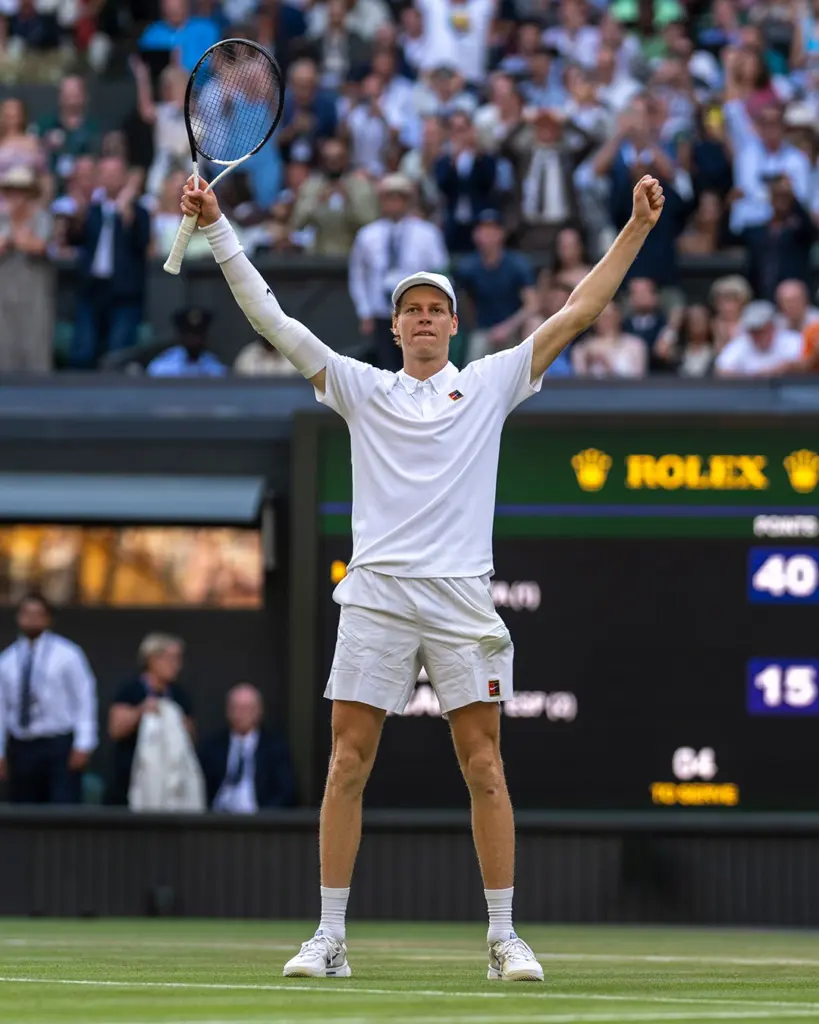
The middle weekend often represents Wimbledon at its liveliest. Hospitality areas are in full swing, the grounds are filled with international visitors, and every court hosts meaningful matches.
By this stage, a day at Wimbledon often extends beyond tennis. Lunch reservations, evening drinks and social engagements become woven into the experience, particularly for those combining the Championships with a longer stay in London.
The Closing Stages
From the quarter-finals onwards, attention shifts increasingly towards the show courts. Centre Court becomes the focal point of the sporting world as the remaining players compete for a place in the finals.
The final weekend brings an atmosphere unlike any other point during the fortnight. Global media attention reaches its peak, notable figures arrive from across the worlds of business, entertainment and sport, and anticipation builds with every match.
For those fortunate enough to attend the singles finals, the experience remains one of the most sought-after occasions in international sport.
Centre Court And Beyond
Centre Court understandably occupies a special place in Wimbledon folklore. With its retractable roof, carefully preserved traditions and capacity crowd, it provides the setting for many of the tournament’s defining moments.
Yet Wimbledon rewards those willing to explore beyond its most famous arena.
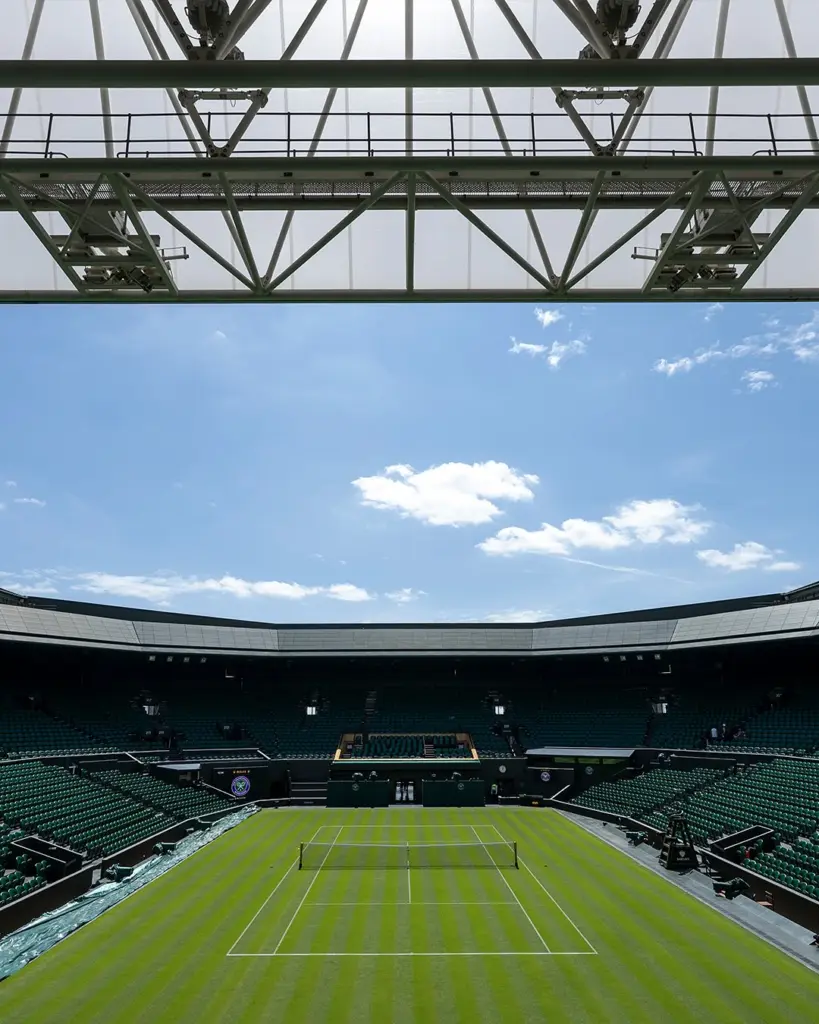
No.1 Court offers outstanding viewing and regularly hosts matches involving leading players. The atmosphere often feels slightly more intimate while still retaining the significance of a major show court.
Elsewhere, the outside courts provide some of the most engaging experiences available anywhere in professional tennis. Watching elite players compete at close range creates a connection that can be difficult to replicate in larger stadiums.
Henman Hill, overlooking a large screen near Court No.1, remains one of the most recognisable gathering places within the grounds. Throughout the fortnight, spectators gather here with refreshments in hand, following the action while enjoying one of the tournament’s most distinctive traditions.
Accessing Wimbledon’s Most Coveted Experiences
The way visitors attend Wimbledon can shape their experience considerably.
For many, debenture seating represents the benchmark. Debenture tickets provide some of the finest seats on Centre Court and No.1 Court, along with access to exclusive facilities reserved for debenture holders. Their scarcity and flexibility have long made them highly sought after.
Hospitality experiences offer another route into Wimbledon. Premium packages typically combine reserved seating with access to private lounges, dining experiences and dedicated hospitality areas. For corporate hosts and private groups, these arrangements provide a more seamless way to enjoy the tournament.
The Public Ballot remains one of the most well-known routes to securing tickets, while The Queue continues to attract visitors from around the world. Few major sporting events maintain a ticketing tradition quite like Wimbledon, and for many attendees, joining The Queue forms part of the experience itself.
A Day At Wimbledon
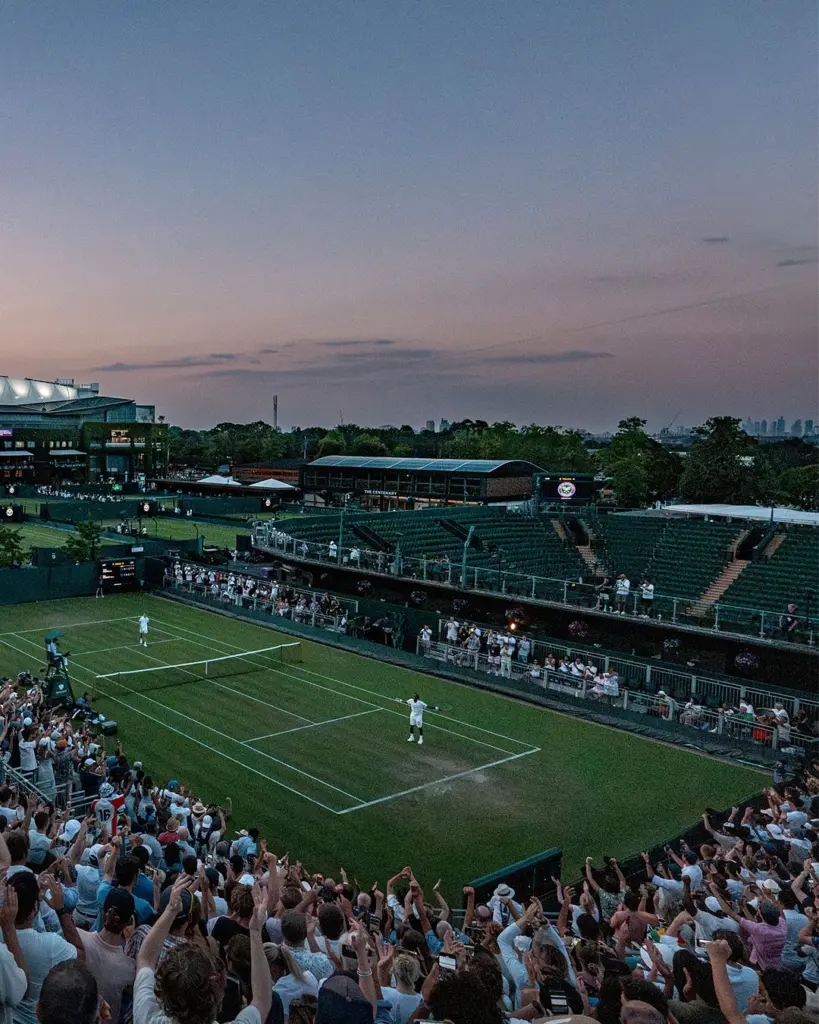
A typical Wimbledon day begins long before the first ball is struck.
Arriving in SW19 during the morning allows time to enjoy the atmosphere before play begins. The walk towards the grounds, passing through residential streets and increasingly animated crowds, forms part of the ritual.
Once inside, many visitors spend time exploring the grounds before settling into a schedule. Some head directly towards the practice courts. Others begin with coffee and a leisurely circuit of the outside courts.
Lunch often becomes a highlight in its own right. Throughout the grounds, visitors can find everything from traditional strawberries and cream to more substantial dining options. Champagne bars and hospitality spaces remain busy throughout the day, particularly as marquee matches approach.
The afternoon brings the most anticipated contests, often centred around Centre Court and No.1 Court. As play continues into the evening, the atmosphere gradually softens. Spectators linger over a final drink, conversations drift from match analysis to evening plans, and attention begins to turn towards the following day’s play.
Staying Within Reach Of The Championships
Many visitors choose to make Wimbledon the centrepiece of a broader London stay, pairing days at the tournament with the capital’s hotels, restaurants and cultural attractions.
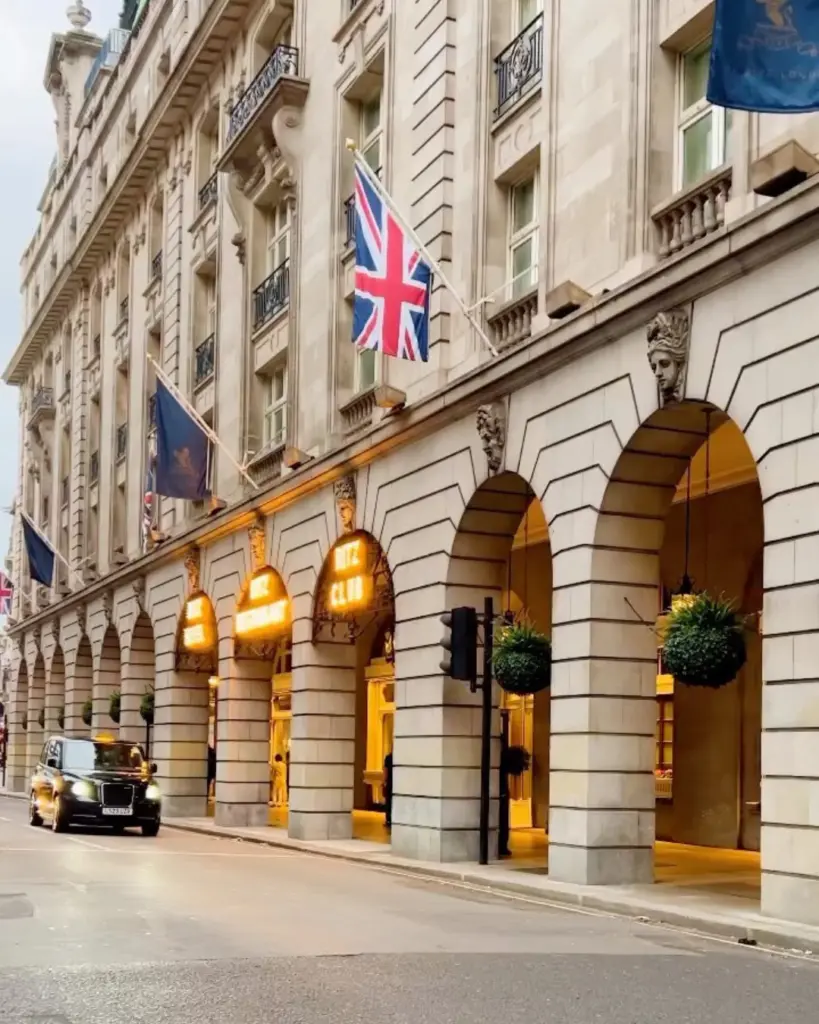
Mayfair remains one of the most desirable bases. Claridge’s continues to attract international guests seeking impeccable service and timeless surroundings, while The Ritz London offers one of the city’s most recognisable addresses overlooking Green Park.
In Belgravia, The Lanesborough combines a distinguished location with easy access to central London. Nearby Knightsbridge and Chelsea provide further options, including The Berkeley and The Cadogan, both well positioned for visitors balancing Wimbledon with shopping, dining and sightseeing.
Kensington also appeals to many attendees, offering elegant residential streets, excellent transport connections and proximity to some of London’s most established cultural institutions.
Long Lunches, Late Reservations And Village Life
The Wimbledon experience rarely ends when play concludes.
Wimbledon Village provides a relaxed contrast to the energy of the grounds. Located a short distance from the Championships, it offers independent boutiques, cafés, wine merchants and restaurants that attract both residents and tournament visitors.
The Ivy Café Wimbledon Village remains a popular choice throughout the fortnight, while the historic Dog & Fox continues to draw crowds seeking a classic local setting. Nearby wine bars and cafés create opportunities to extend the day at a slower pace.
Elsewhere in London, reservations become highly prized during Wimbledon fortnight. Scott’s in Mayfair remains one of the capital’s enduring dining institutions, while The River Café in Hammersmith continues to attract devoted regulars. In Chelsea, Claude Bosi at Bibendum offers one of London’s most celebrated dining experiences.
For many visitors, some of the most memorable Wimbledon conversations take place away from the courts, over a long lunch, an evening dinner reservation or a glass of wine in the village.
London In Full Summer Mode
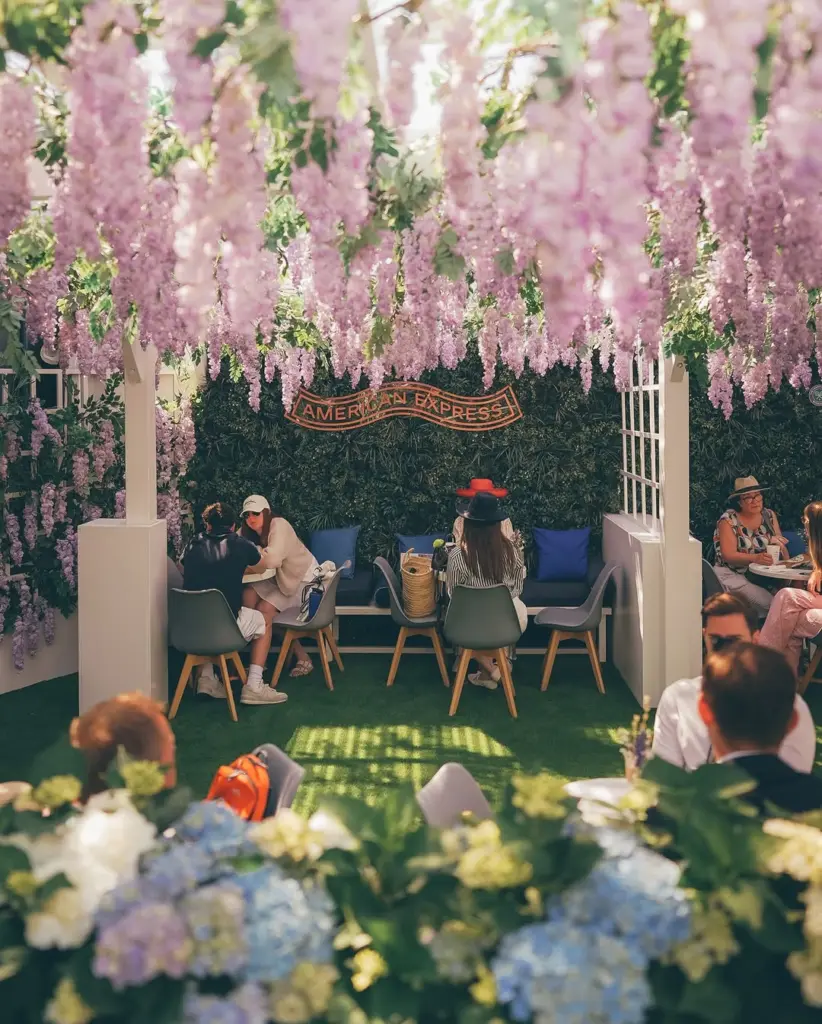
Part of Wimbledon’s appeal lies in the fact that it coincides with one of the best periods to experience London.
Terraces fill with diners, parks reach their seasonal peak and the city adopts a noticeably more relaxed rhythm. Visitors can divide their time between the Championships and the wider attractions of the capital with relative ease.
West End productions remain a popular evening choice following a day at the tennis, while galleries and museums continue to present major summer exhibitions. Shopping districts such as Bond Street, Sloane Street and Mount Street attract visitors seeking everything from heritage British tailoring to international luxury brands.
Restaurants extend onto terraces, hotel courtyards become social hubs and the city’s private members’ clubs host a steady programme of summer events.
For those travelling internationally, Wimbledon often serves as the starting point for a broader exploration of London during one of its most appealing seasons.
The Meaning Of A Wimbledon Summer
Few sporting events have maintained their identity as successfully as Wimbledon.
The tournament continues to evolve where necessary, yet many of the qualities that first established its reputation remain firmly intact. The grass courts, the traditions, the setting and the atmosphere all contribute to an experience that feels remarkably consistent from one generation to the next.
For some, Wimbledon is defined by a championship match on Centre Court. For others, it is the simple pleasure of spending a summer afternoon moving between courts, enjoying the grounds and sharing in an occasion that has become woven into the fabric of British life.
What remains constant is the sense that, for two weeks each year, SW19 becomes the centre of the tennis world. Few places combine sporting significance, tradition and summer atmosphere with such enduring appeal.