

All products are independently selected by our editors. If you buy something, we may earn an affiliate commission.
Henry Moore’s monumental sculptures have long had a close relationship with the landscape, making Kew Gardens a fitting setting for his work. Henry Moore at Kew Gardens takes shape through Monumental Nature, which places some of the British artist’s most significant forms across the lawns, historic vistas and botanical collections.
Organised in partnership with the Henry Moore Foundation, the exhibition is the largest outdoor presentation of Moore’s work ever staged. Thirty monumental sculptures appear throughout Kew Gardens, complemented by an extensive indoor exhibition at the Shirley Sherwood Gallery of Botanical Art. Together, they make a strong case for exploring Moore’s work at an unhurried pace.
Henry Moore on a Monumental Scale
Moore’s career spanned almost seven decades, with the human figure, natural forms and the relationship between solid mass and open space recurring throughout his work. Henry Moore: Monumental Nature draws widely from that career, showing how his approach to scale and abstraction developed over time.
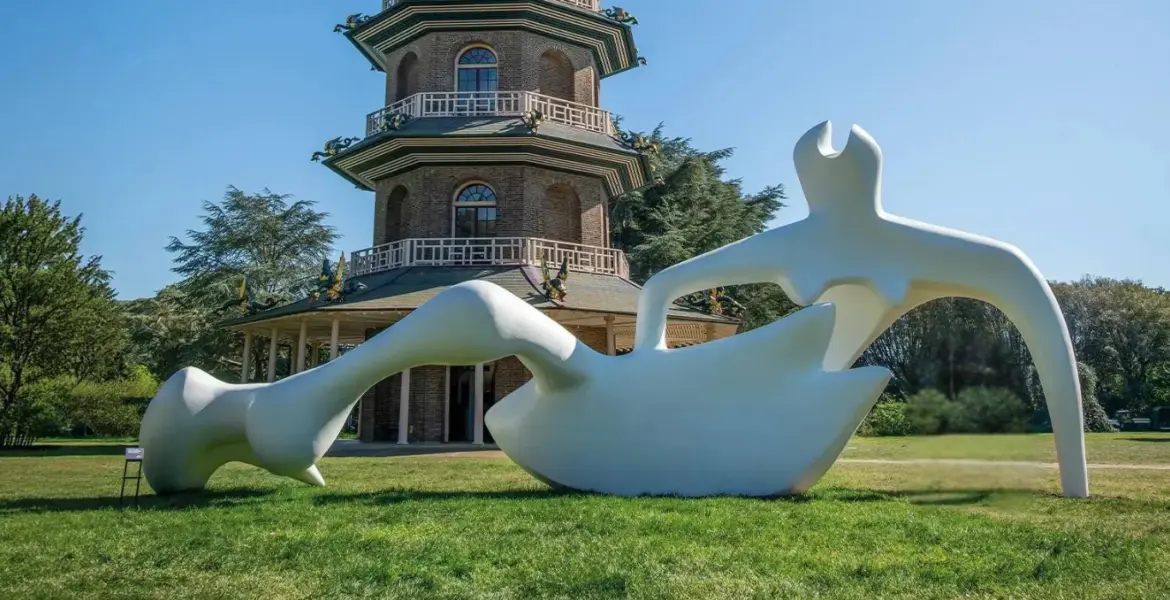
Significant works include Large Two Forms, with its enormous curved structures; Oval with Points, where two projecting points almost meet within an enclosed form; and Reclining Woman: Elbow, Locking Piece and Three Piece Sculpture: Vertebrae. Together, they reflect Moore’s longstanding fascination with the body, bones and organic structures.
Kew gives these works the space their scale demands. Moving around them reveals apertures, curves and shifting proportions that are easily lost from a fixed viewpoint.
Sculpture Across the Gardens
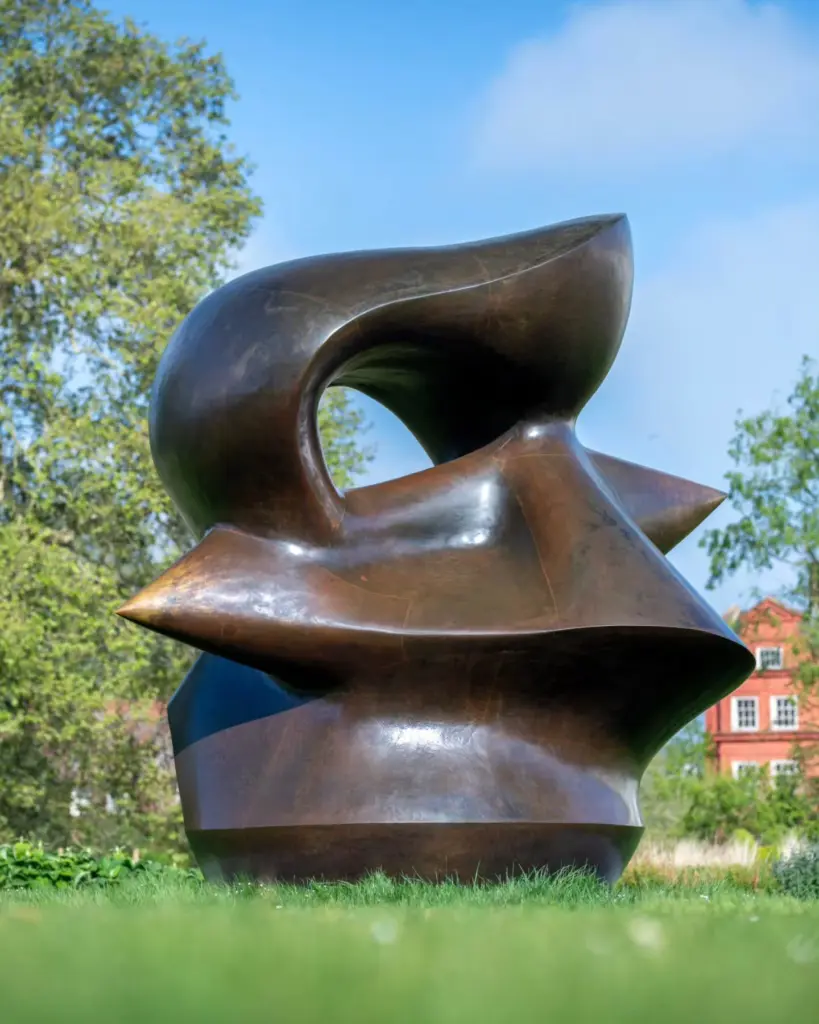
The outdoor setting is the exhibition’s greatest strength. Moore believed sculpture benefited from being seen in the landscape, and the works have been carefully positioned among Kew’s trees, lawns and botanical collections.
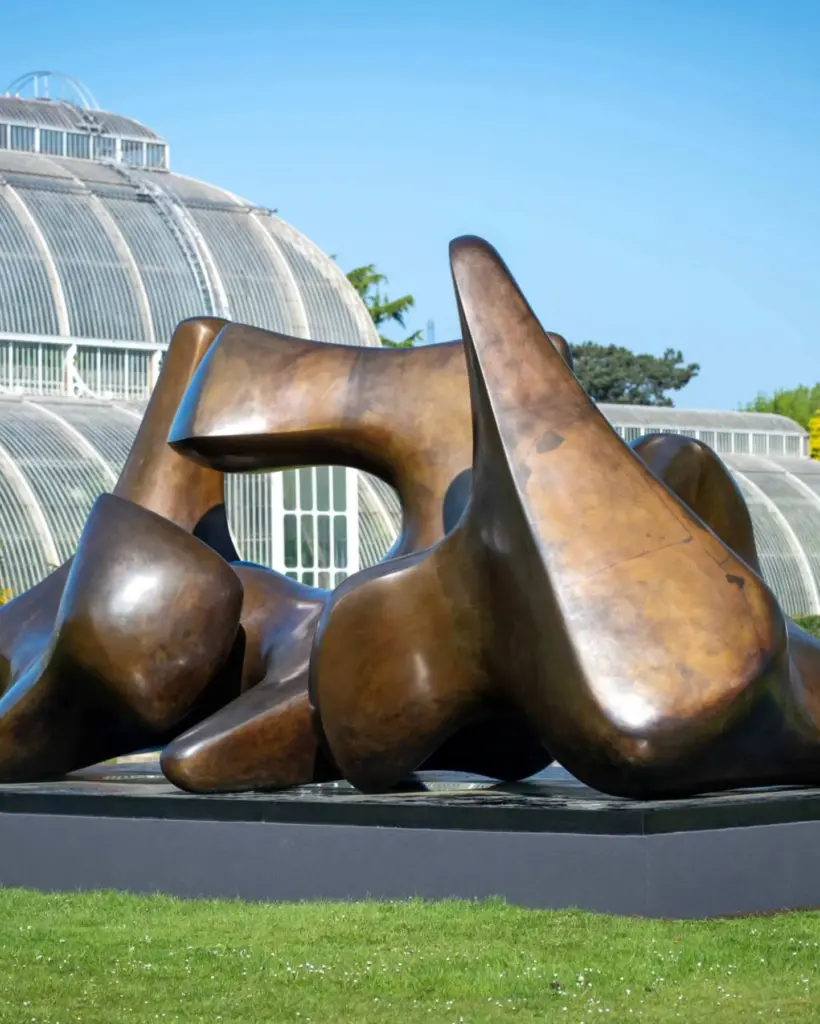
Some command attention across open ground, while others emerge more gradually during a walk. Three Piece Sculpture: Vertebrae takes on a particularly organic quality outdoors, while Large Two Forms encourages visitors to move between and around its immense bronze structures.
The Temperate House provides another distinctive setting, bringing Moore’s sculpture into the world’s largest surviving Victorian glasshouse, surrounded by its architectural ironwork and extensive plant collection.
There is little reason to approach all 30 works in quick succession. The experience is better suited to wandering between them, pausing at individual sculptures and viewing them from different angles and distances.
Inside the Shirley Sherwood Gallery
The Shirley Sherwood Gallery of Botanical Art offers a more intimate perspective. More than 90 smaller works are displayed, including sculptures, drawings, models and sketchbooks, with rarely accessible pieces among them.
These works reveal Moore’s interest in growth, animal and botanical forms, internal structures and the human body. His models and smaller sculptures also show how ideas evolved before reaching the monumental dimensions seen outside.
The gallery also hosts Monumental Botanical Art, featuring works from the Shirley Sherwood Collection. Its focus on botanical painting provides a complementary exploration of natural form without competing with the main exhibition.
The gallery is worth treating as an integral part of the visit. Seeing Moore’s studies and smaller pieces adds useful context to the monumental sculptures and makes their underlying forms easier to recognise.
A More Considered Way to Explore
Kew’s Guided Walking Tour of Henry Moore: Monumental Nature offers expert-led exploration of selected sculptures and is included with garden entry. It provides useful context around individual works, their placement and Moore’s approach to sculpture.
For independent exploration, the free Bloomberg Connects app includes routes based on the amount of time available.
An Evening of Moore, held in the Nash Conservatory on selected dates, brings together experts, curators and special guests to discuss Moore’s life, work, legacy and the exhibition’s curation.
Accessible touch tours allow blind and partially sighted visitors to experience selected works through touch and audio description.
Making a Day of Kew
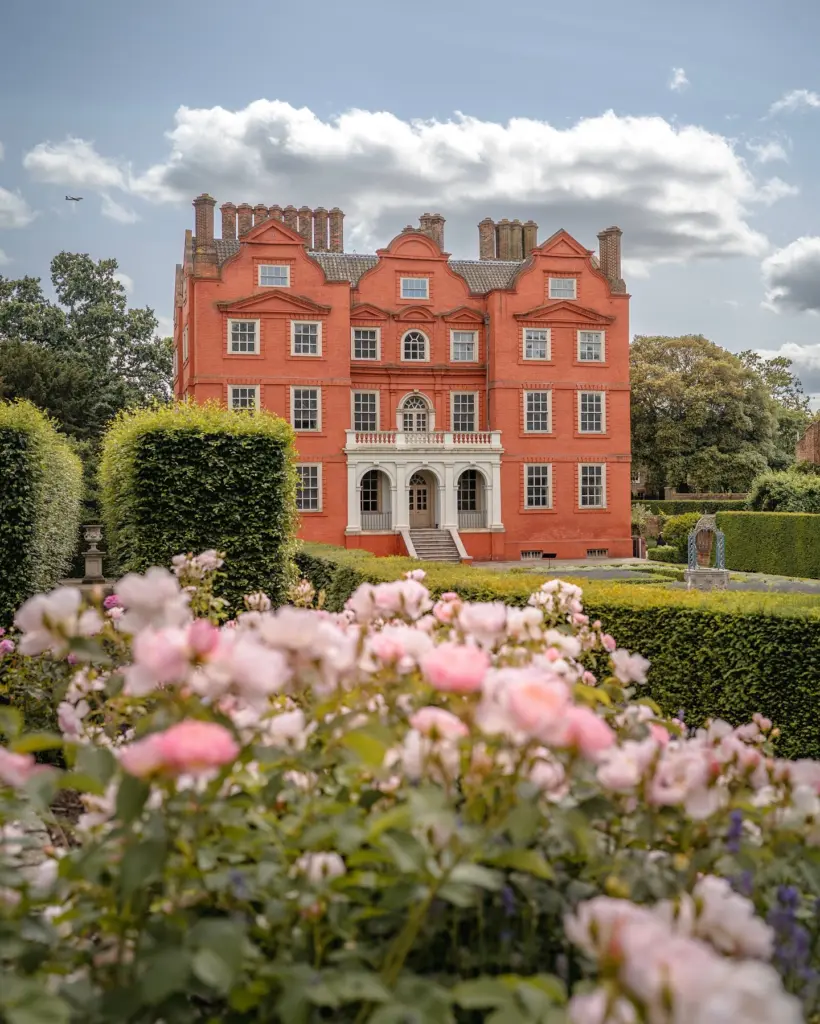
The exhibition lends itself naturally to a longer visit. Its sculptures are spread throughout Kew Gardens, allowing other highlights of the 320-acre UNESCO World Heritage Site to fit easily around them.
The Temperate House warrants time beyond its role in the exhibition, while the Palm House remains one of Kew’s defining architectural and horticultural landmarks. The Princess of Wales Conservatory offers another worthwhile stop, with contrasting climatic zones housed beneath one roof.
A longer visit also makes it possible to see the Shirley Sherwood Gallery before returning to selected outdoor works. Moore’s studies of bones, stones, plants and the human figure can make those later encounters more revealing.
For a shorter visit, the guided walking tour or Bloomberg Connects routes provide useful structure without attempting to cover every sculpture.
Art at Home in the Landscape
Henry Moore: Monumental Nature works particularly well at Kew because the sculptures have room to be experienced at their intended scale. Trees, open ground, architecture and changing light continually alter how their forms are perceived.
The exhibition is equally approachable without an extensive knowledge of Moore. The monumental works provide immediate visual impact, while the Shirley Sherwood Gallery reveals more of the ideas behind them. Guided and specialist experiences can add further context for those who want it.
Kew ultimately encourages the kind of viewing Moore’s sculptures reward: seeing them from different distances and perspectives, and allowing their relationship with the landscape to unfold gradually. It makes Monumental Nature a particularly compelling way to encounter his work.