

All products are independently selected by our editors. If you buy something, we may earn an affiliate commission.
Marilyn Monroe remains one of the most recognisable figures in popular culture, yet that familiarity can make it difficult to look beyond the image. The Marilyn Monroe exhibition, Marilyn Monroe: A Portrait, at London’s National Portrait Gallery approached her from a more revealing perspective, examining the role Monroe played in shaping the photographs that came to define her.
Created in association with the Marilyn Monroe estate to mark the centenary of her birth, the exhibition brought together portraits by more than 20 photographers alongside works by major twentieth and twenty-first-century artists. Personal belongings, scripts and clothing added further context, tracing her progression from Norma Jeane to Hollywood star and enduring cultural icon.
Marilyn Monroe Through a Different Lens
Central to the exhibition was Monroe’s role as an active collaborator in creating her public image. Familiar photographs gained greater context alongside lesser-seen portraits, revealing how deliberately she worked with photographers throughout her career.
The story began with early ‘cheesecake’ pin-ups from her modelling years as Norma Jeane and followed the development of the Marilyn Monroe persona. Studio portraits sat alongside more relaxed images, showing the different ways photographers interpreted their subject.
The exhibition eventually reached George Barris’s photographs of Monroe on the beach in Santa Monica in 1962, during the final year of her life. Seen after the carefully constructed imagery that preceded them, these later portraits carried a quiet poignancy.
The Photographs That Defined an Icon
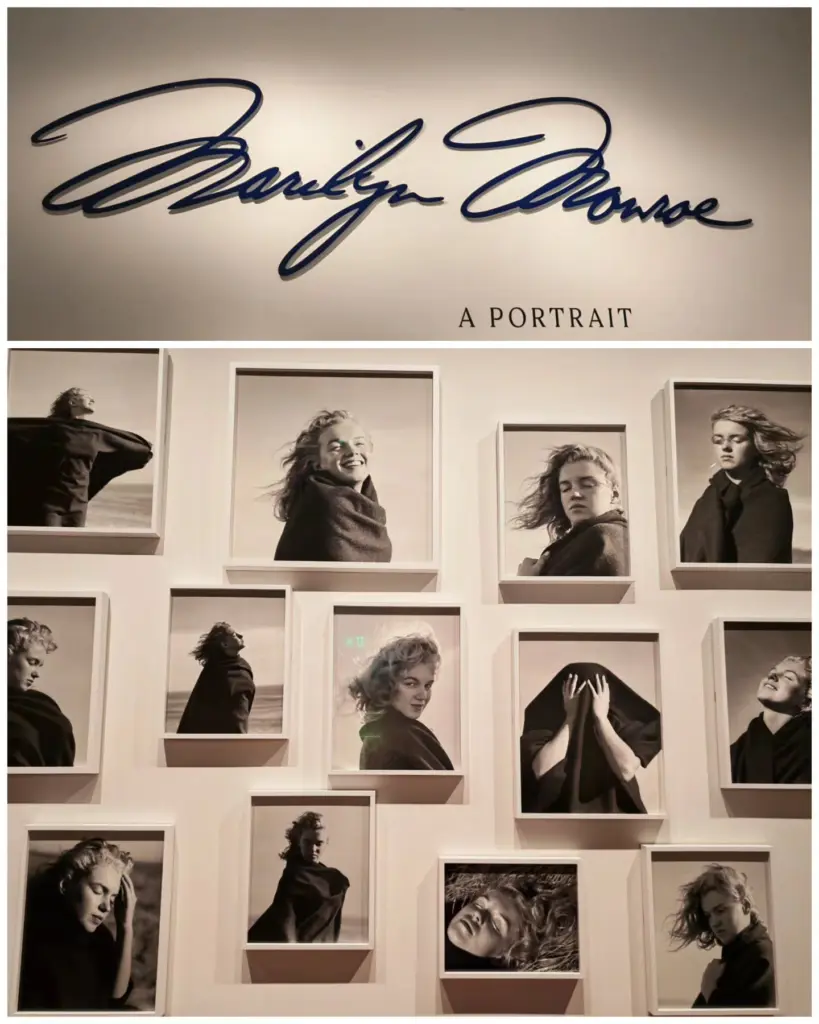
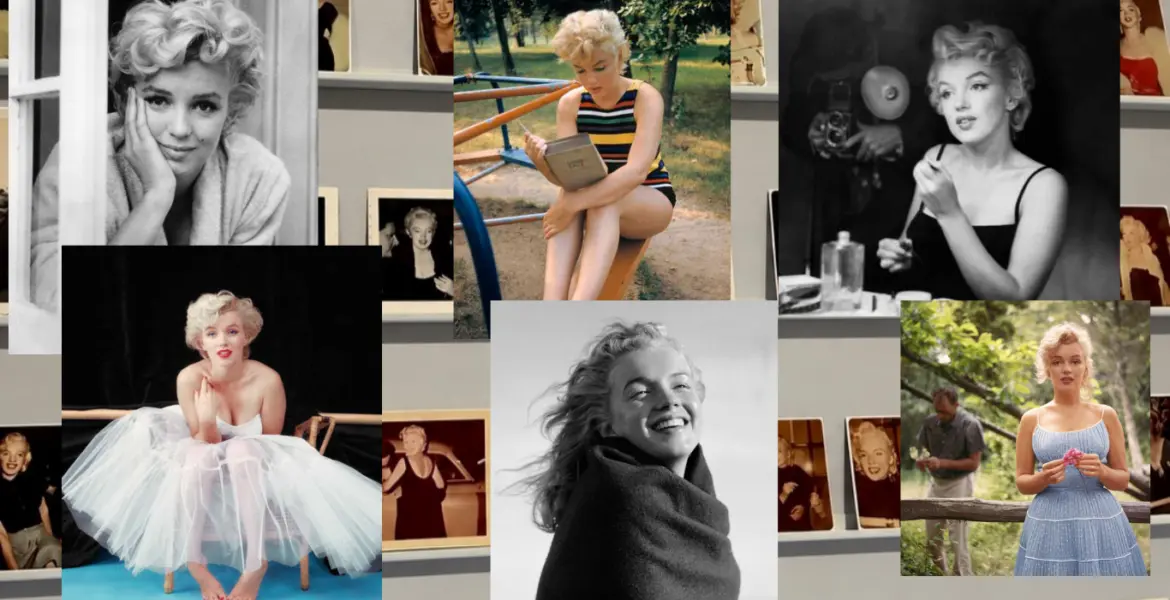
Photography formed the heart of the exhibition, with Cecil Beaton, Eve Arnold, Richard Avedon, Milton Greene, Sam Shaw, André de Dienes, Philippe Halsman, Alfred Eisenstaedt, Inge Morath, Bernard of Hollywood and George Barris among those represented.
The selection showed how differently Monroe could appear depending on who was behind the camera. Cecil Beaton’s 1956 portrait presents the polished Hollywood star, while Milton Greene’s work includes the celebrated Ballerina Sitting portrait of 1954. Photographs by André de Dienes and Bernard of Hollywood reach back to 1946, before the Marilyn Monroe persona was fully established.
One of the most memorable works is Eve Arnold’s Marilyn Monroe, Mount Sinai, Long Island, 1955. Monroe sits barefoot outdoors reading James Joyce’s Ulysses, absorbed in the book rather than addressing the camera. It offers a quieter counterpoint to the Hollywood glamour for which she became known.
Moving between composed portraits and more informal photographs gave the exhibition much of its depth, revealing Monroe’s versatility as a subject and the creative relationships she developed with several photographers.
Marilyn as Muse
The exhibition also explored Monroe’s influence on art through works by Andy Warhol, Pauline Boty, Marlene Dumas, James Gill, Rosalyn Drexler and Audrey Flack.
Pauline Boty’s The Only Blonde in the World from 1963 is particularly striking, placing Monroe against vivid areas of colour at a point when her likeness was already becoming a widely recognised cultural symbol.
Andy Warhol’s Marilyn imagery feels equally at home within an exhibition concerned with fame and reproduction. Later artistic responses show how Monroe continued to inspire reinterpretation long after her death, extending the exhibition well beyond photographic portraiture.
The Woman Behind the Photographs
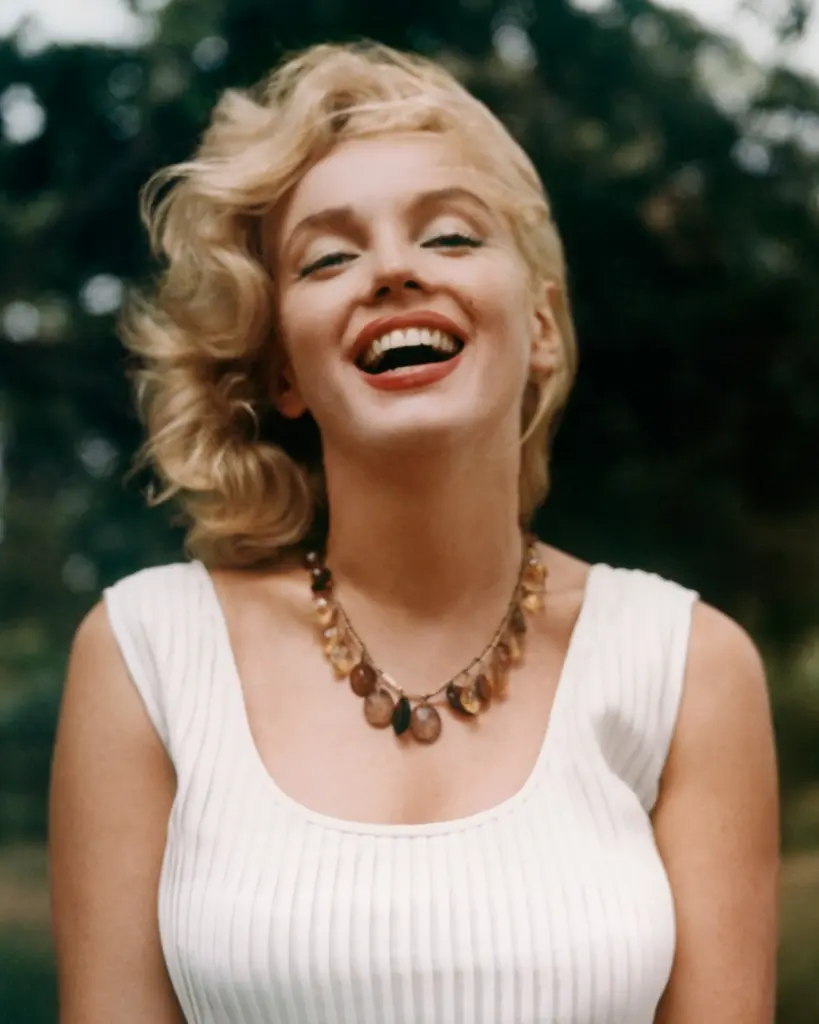
Personal belongings, scripts and clothing provided a useful change of scale among the photographs and artworks, bringing attention back to Monroe’s working life and physical presence.
The objects were used selectively rather than turning the exhibition into a collection of celebrity memorabilia. This restraint allowed them to support the wider story without retelling a biography already extensively documented elsewhere.
Instead, they provided brief glimpses of the actress and working professional behind one of the twentieth century’s most reproduced faces.
Listening to Marilyn
The Bloomberg Connects audio guide added another layer to the visit. Curator Rosie Broadley provided an introduction, while excerpts from Monroe’s final interview allowed her own voice to accompany the portraits.
Hearing Monroe speak was especially effective within an exhibition so concerned with how others saw and represented her. The audio also encouraged a slower approach to photographs that reward being viewed as part of a sequence rather than as familiar images in isolation.
Extending the Experience at the National Portrait Gallery
The National Portrait Gallery developed a wider programme around Marilyn Monroe: A Portrait, with extended summer opening, accompanied by Marilyn-inspired cocktails, menus and music across its hospitality spaces.
Among the more exclusive offerings was the Marilyn Monroe: A Portrait – exhibition and dining experience. The evening combined a private exhibition viewing with a welcome drink and canapés, followed by dinner at The Portrait Restaurant overlooking Trafalgar Square and the London skyline.
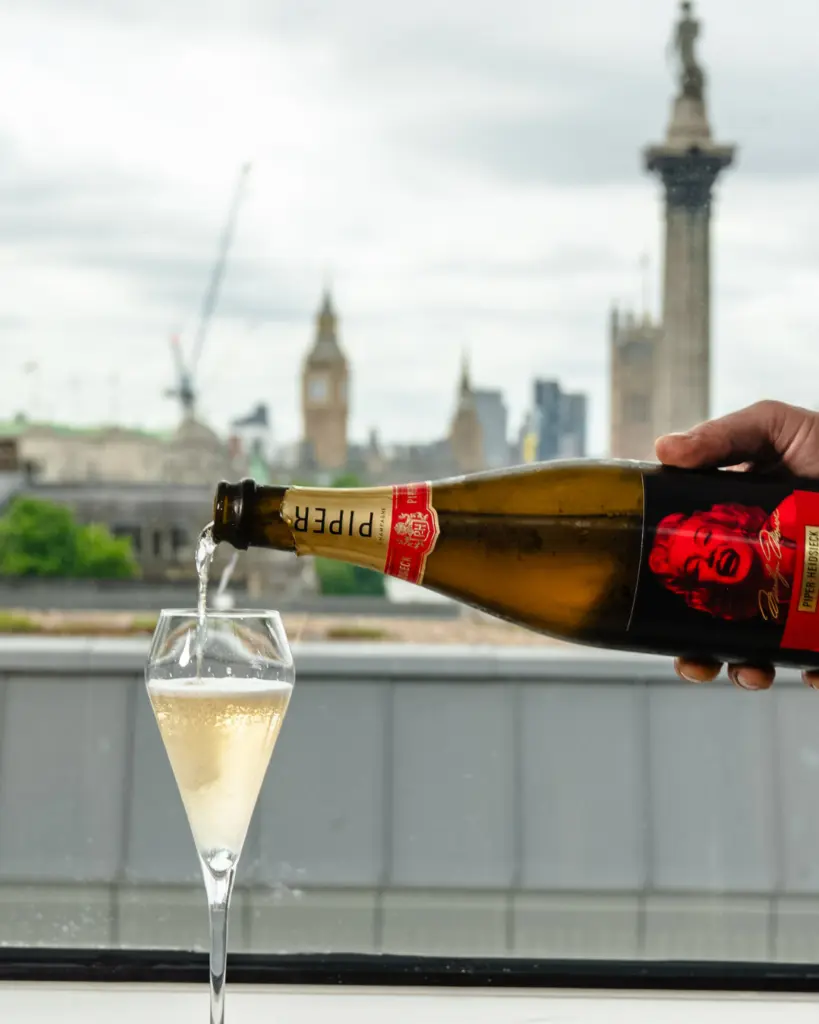
The programme also included The Art of Champagne: To Piper, My Favourite, celebrating Monroe and her association with Piper-Heidsieck. Larry’s, the Gallery’s basement bar, complemented the programme with live jazz and Marilyn-inspired hospitality, including The Monroe cocktail.
These experiences gave visitors the option of turning the exhibition into a longer cultural evening in central London, particularly appealing for those looking for something more considered than a conventional gallery visit.
A Portrait Larger Than Hollywood
Marilyn Monroe: A Portrait was at its strongest when exploring the relationship between Monroe and the people who created images of her. Famous portraits provided immediate recognition, while quieter photographs, personal belongings and recordings gave the exhibition greater depth.
Together, they presented a more considered view of Monroe and the role she played in creating a public image that would long outlive her Hollywood career. For those interested in photography, twentieth-century culture and celebrity, the National Portrait Gallery offered a compelling opportunity to reconsider one of the world’s most familiar faces.