

All products are independently selected by our editors. If you buy something, we may earn an affiliate commission.
The world’s most remarkable UNESCO World Heritage Sites often reward a slower, more considered way of travelling. For those seeking luxury UNESCO World Heritage Sites, the experience can include staying within historic estates, exploring archaeological landmarks with private guides, sailing through protected archipelagos and experiencing vast natural landscapes from exceptional lodges. These ten destinations pair global significance with some of the most refined ways to experience them.
1. Palace and Park of Versailles, France
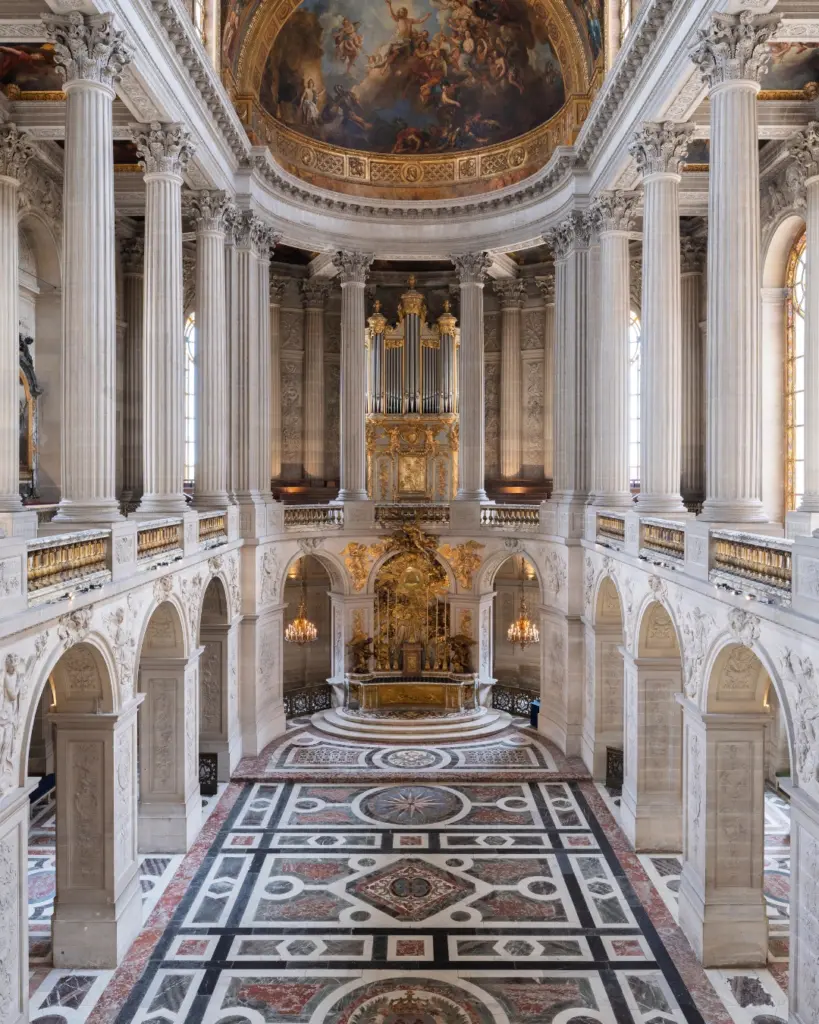
Versailles offers an unusually close relationship between heritage and hospitality. Airelles Château de Versailles, Le Grand Contrôle is the only hotel within the palace grounds, occupying a meticulously restored 17th-century building furnished in keeping with its historic setting.
Hotel guests can join private after-hours tours of the château, including the Hall of Mirrors, King’s Apartments and areas rarely seen by the general public. The experience extends to private visits to the Grandes Écuries, dining by Alain Ducasse and stays surrounded by the gardens and architecture that defined the French royal court.
2. Historic Sanctuary of Machu Picchu, Peru
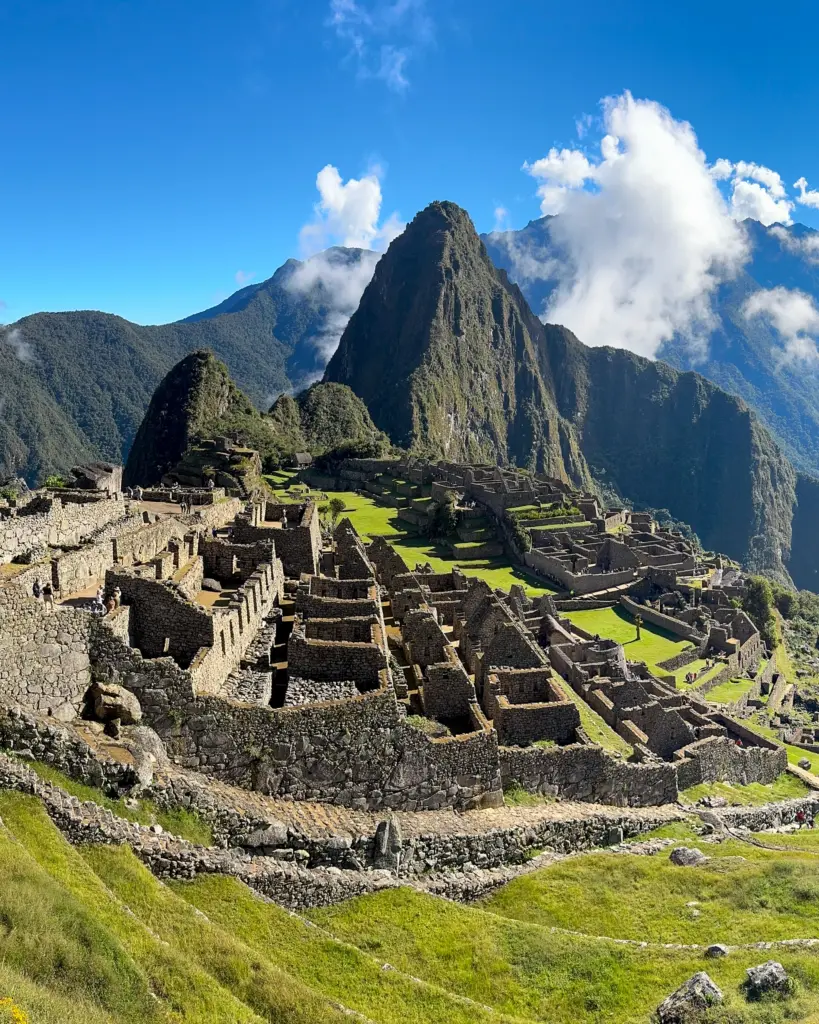
High in the Peruvian Andes, Machu Picchu combines Inca architecture, mountain scenery and extraordinary archaeological significance. Sanctuary Lodge, A Belmond Hotel sits at the entrance to the citadel, removing the daily journey up from Aguas Calientes and placing guests within a few minutes’ walk of the site.
Days can be organised around timed entry to Machu Picchu with expert guides, followed by Andean-inspired treatments and Peruvian dining back at the lodge. Travelling aboard Belmond’s Hiram Bingham train from Cusco adds another refined element to the journey through the Sacred Valley.
3. Iguaçu National Park, Brazil
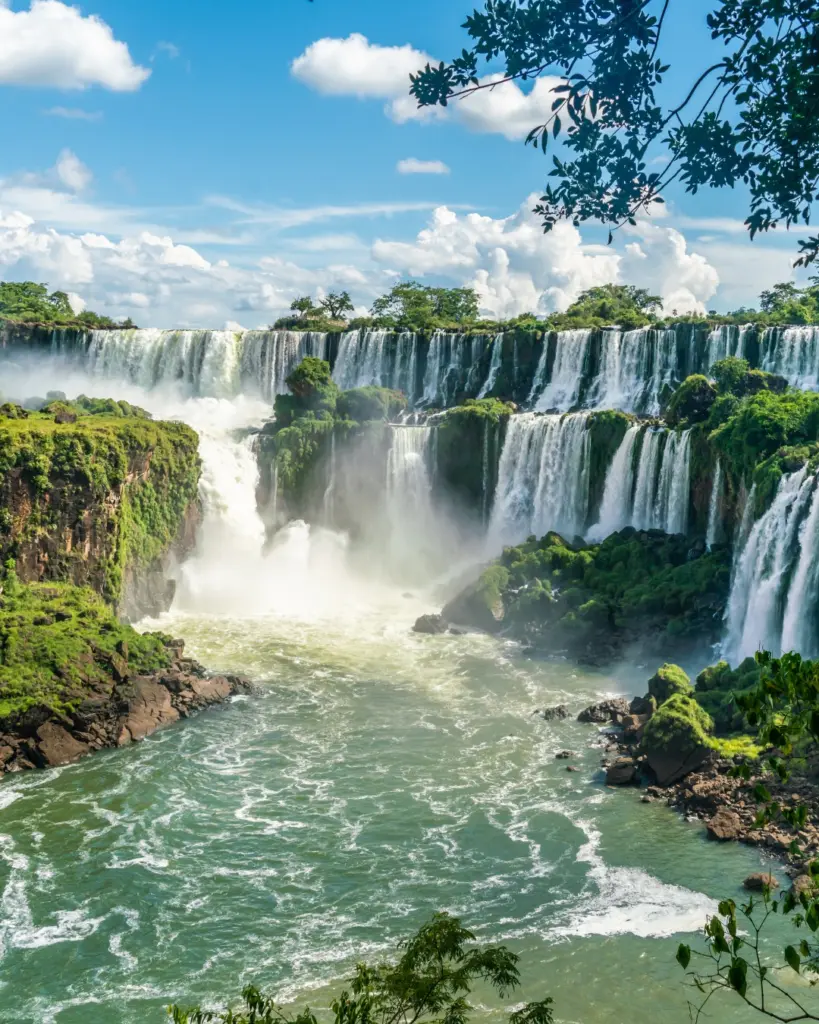
Iguaçu National Park protects the Brazilian side of one of the world’s most spectacular waterfall systems, surrounded by subtropical rainforest. Belmond’s Hotel das Cataratas occupies an exceptional position within the national park, directly facing the falls.
Its location gives guests the opportunity to experience the surrounding landscape when day-visitor numbers are lower, particularly in the early morning and later afternoon. Guided walks, helicopter flights and boat excursions provide different perspectives on the falls, while the hotel offers a polished retreat within the protected landscape.
4. Val d’Orcia, Italy
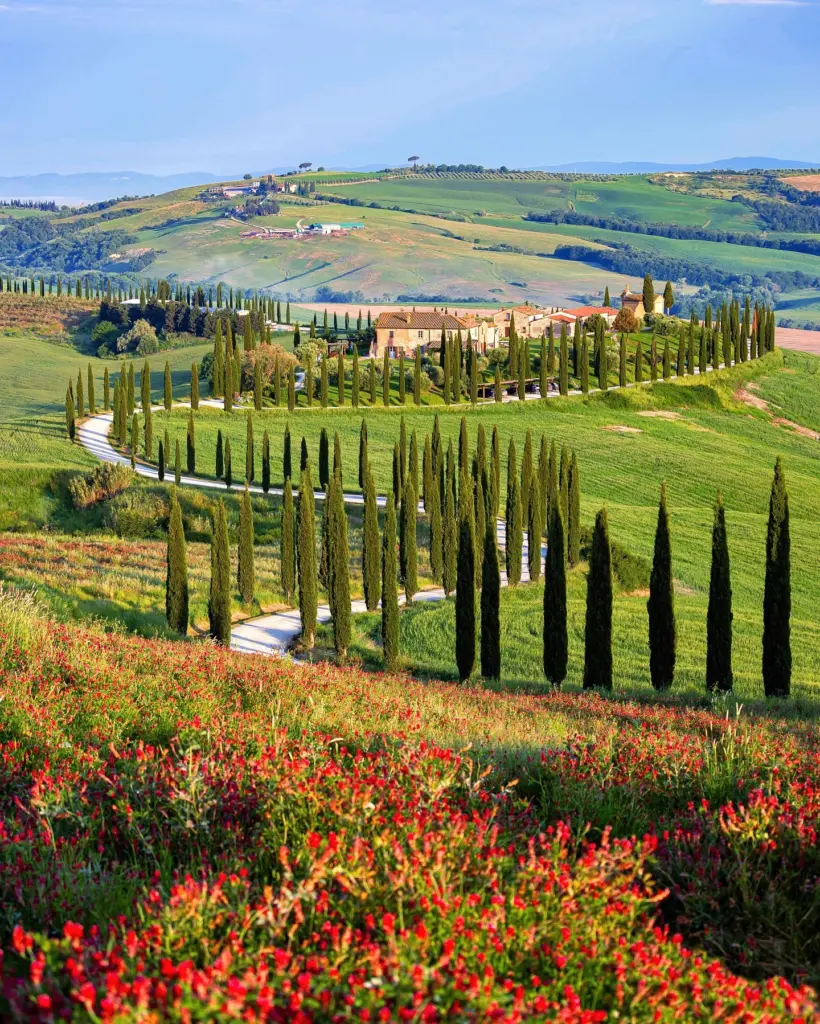
The rolling hills, cypress-lined roads, vineyards and medieval settlements of Val d’Orcia form one of Tuscany’s defining landscapes. Its UNESCO designation recognises a countryside shaped over centuries according to Renaissance ideals of land management and beauty.
Rosewood Castiglion del Bosco makes a natural base for exploring it. The historic estate includes private villas, a Brunello di Montalcino winery, golf and access to experiences such as truffle hunting and private wine tastings. Nearby Montalcino, Pienza and the wider Orcia Valley add medieval architecture, celebrated wines and Tuscan dining to a stay rooted in the landscape itself.
5. Galápagos Islands, Ecuador
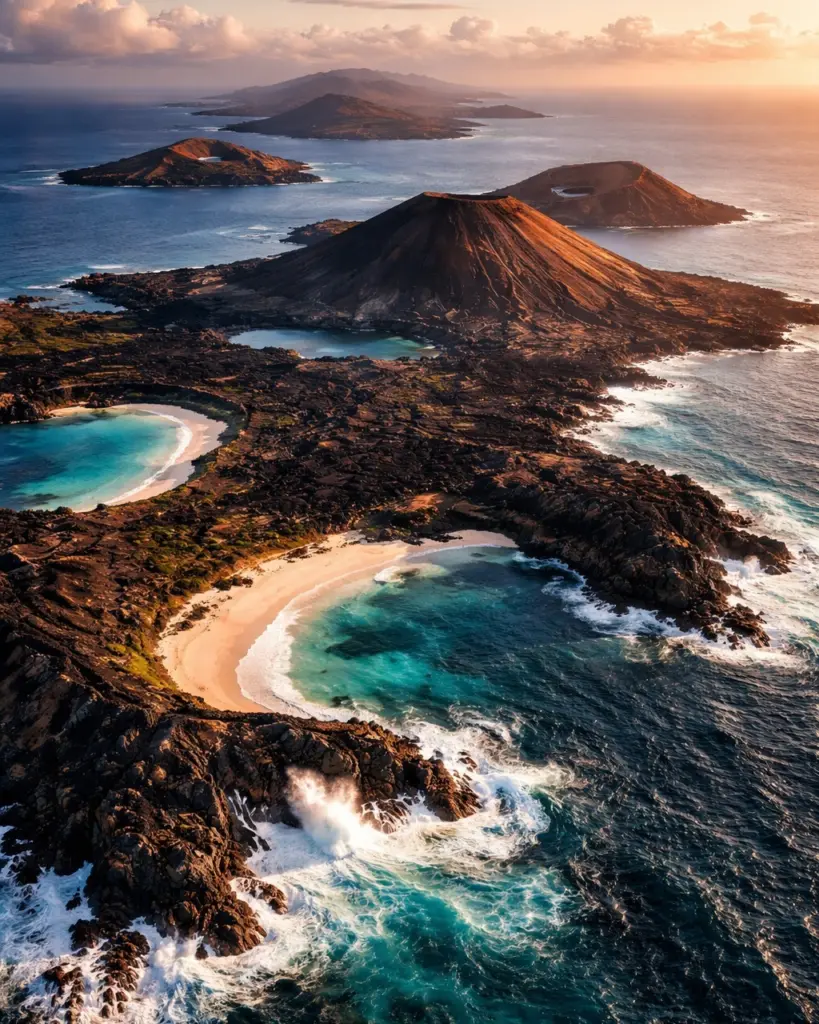
The Galápagos Islands offer a rare combination of volcanic landscapes, distinctive wildlife and closely managed exploration. Their isolation has preserved an ecosystem associated with giant tortoises, marine iguanas, sea lions, penguins and blue-footed boobies.
Aqua Mare brings a distinctly private approach to exploring the archipelago. The 50-metre superyacht accommodates just 16 guests across seven suites and sails with specialist naturalist guides. Days are structured around guided shore landings, wildlife encounters, snorkelling and excursions by tender, with spacious accommodation and considered dining awaiting on board.
6. Great Barrier Reef, Australia
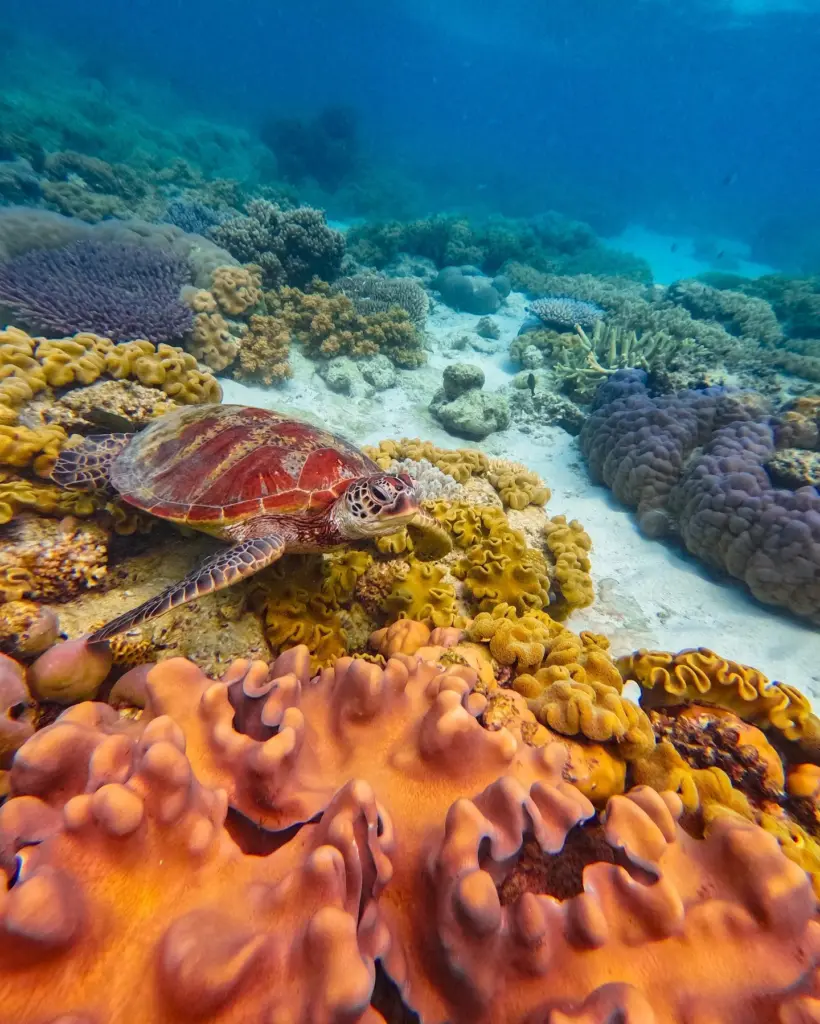
Stretching along Australia’s north-eastern coast, the Great Barrier Reef encompasses coral reefs, islands and marine habitats on an immense scale. Exploring it privately allows travellers to reach quieter sections of the reef while tailoring days around diving, snorkelling and time on the water.
Lizard Island offers one of the most appealing bases within the wider reef environment, with secluded beaches and direct access to surrounding marine sites. Private boats, diving excursions and scenic flights provide more intimate ways to appreciate the scale and biodiversity of this extraordinary natural World Heritage property.
7. Medina of Marrakesh, Morocco
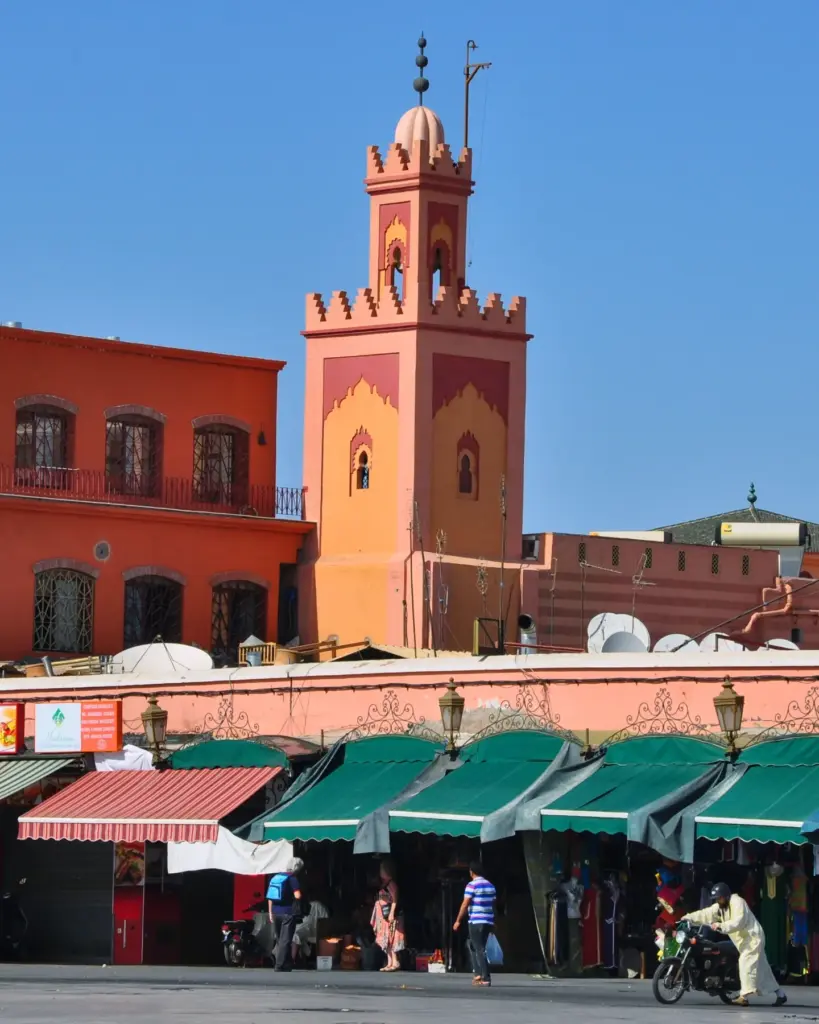
The Medina of Marrakesh remains a living historic city of souks, mosques, palaces, gardens and traditional houses enclosed within centuries-old walls. Its narrow streets reveal some of Morocco’s finest examples of zellige, carved plaster, woodwork and traditional riad architecture.
La Sultana Marrakesh sits within the UNESCO-listed Medina near the Saadian Tombs and Royal Palace. Its interconnected riads feature patios restored using traditional Moroccan craftsmanship, while private architectural tours, guided walks through the souks, cookery experiences and the hotel’s Royal Hammam provide a more considered introduction to the city’s heritage.
8. Angkor, Cambodia
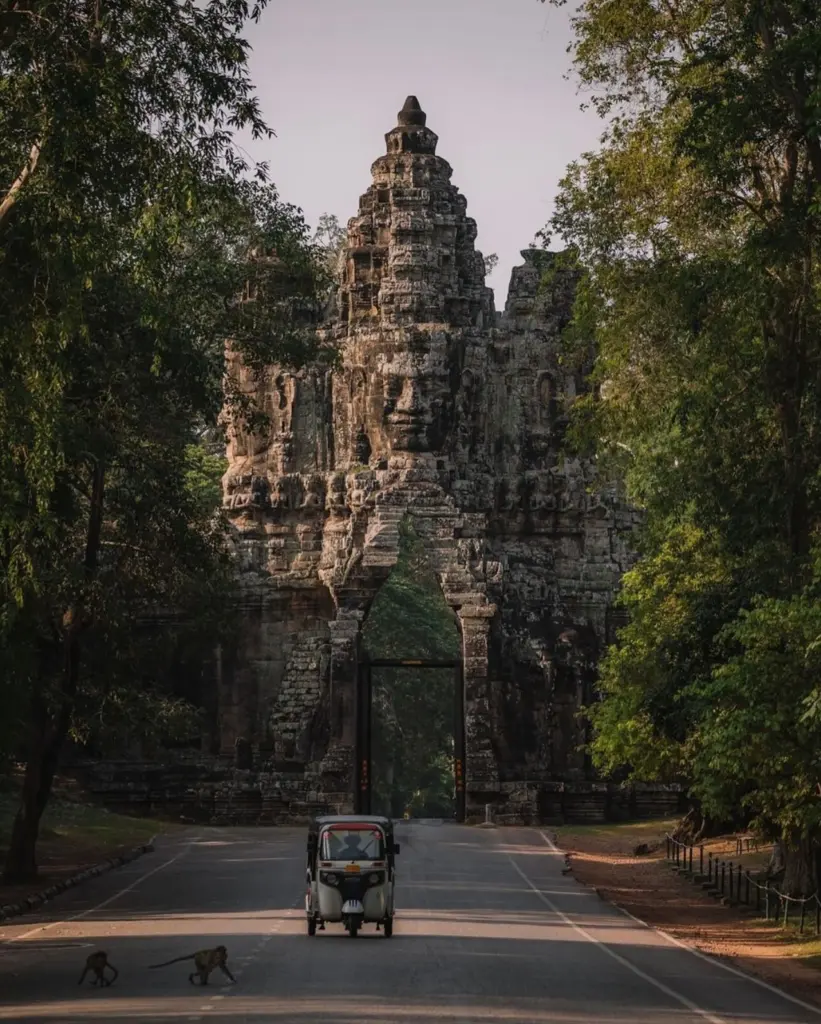
Angkor encompasses hundreds of archaeological remains spread across a vast landscape once at the heart of the Khmer Empire. Angkor Wat may be its most recognisable monument, but Bayon, Ta Prohm, Angkor Thom and lesser-visited temples make the UNESCO property worthy of several days rather than a single visit.
Amansara, around ten minutes from the archaeological park, specialises in individually planned temple excursions. Private guides and the hotel’s fleet of remorks can be used for early visits to Angkor Wat, explorations of Bayon and Ta Prohm, cycling excursions and journeys to more remote temples. The resort itself occupies the former guest residence of King Norodom Sihanouk, providing a suitably discreet base in Siem Reap.
9. Taj Mahal, India
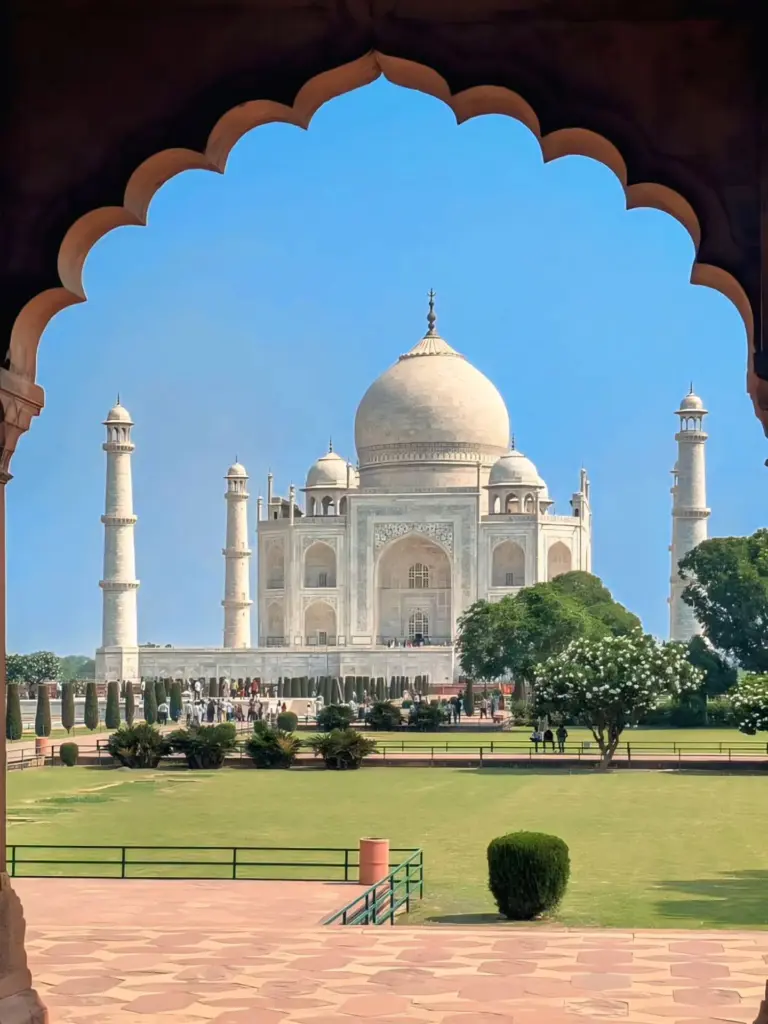
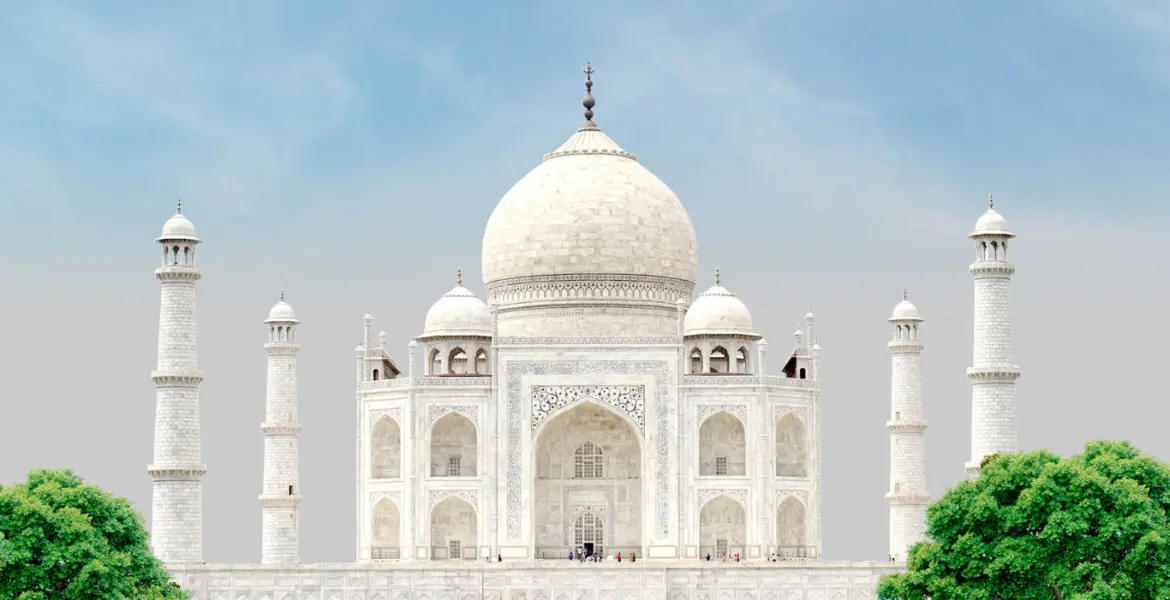
Built by Mughal emperor Shah Jahan in memory of Mumtaz Mahal, the Taj Mahal remains one of the most accomplished examples of Mughal architecture. Its white marble mausoleum, formal gardens, reflecting pools and intricate stonework are best appreciated with enough time to observe the monument as the light changes throughout the day.
The Oberoi Amarvilas sits about 600 metres from the Taj Mahal, with all rooms and suites oriented towards the monument. Private dining overlooking the Taj, personalised service and landscaped grounds inspired by Mughal design make it particularly suited to a heritage-focused stay in Agra.
10. Serengeti National Park, Tanzania
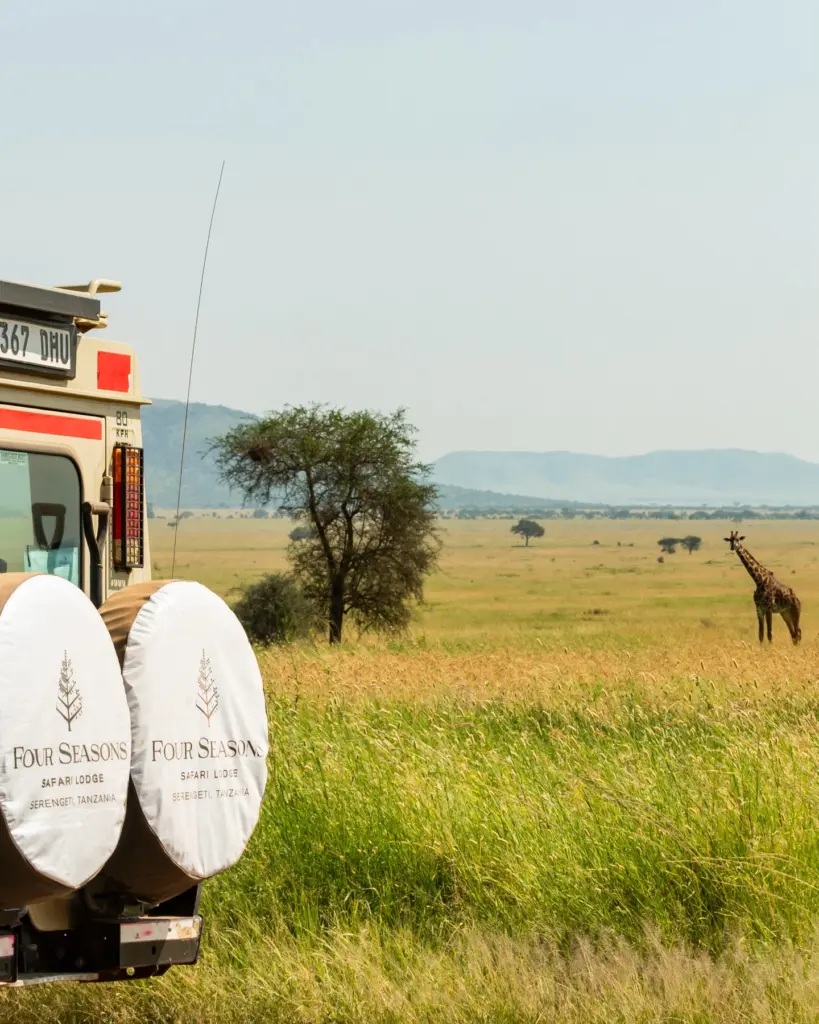
The Serengeti protects one of Africa’s great savannah ecosystems and provides the setting for the annual movement of vast herds of wildebeest, zebra and gazelle. Lions, elephants, leopards, cheetahs and other wildlife add to a safari experience shaped by the sheer scale of the plains.
Four Seasons Safari Lodge Serengeti sits within the national park itself, overlooking the surrounding landscape and a nearby watering hole. Game drives can be combined with stays in private pool villas, bush dining and time at the lodge between wildlife excursions. Its location keeps the UNESCO-protected ecosystem at the centre of the experience while providing the privacy and comfort expected of a high-end safari.
These UNESCO World Heritage Sites show how exceptional travel can deepen an appreciation of cultural and natural heritage. Whether exploring Versailles after public hours, sailing between the Galápagos Islands or watching wildlife cross the Serengeti, the most memorable experiences are those that provide time, access and expert insight while respecting the significance of the places themselves.