

All products are independently selected by our editors. If you buy something, we may earn an affiliate commission.
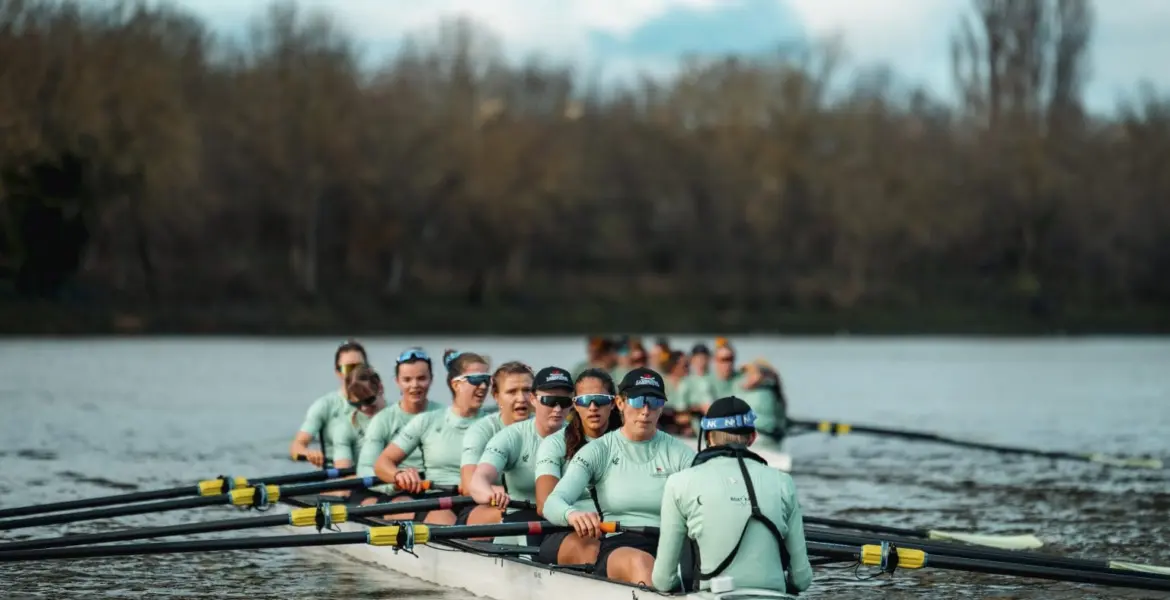
London in early spring carries a particular kind of anticipation, and along the Thames, it gathers around one of the city’s most enduring sporting fixtures, the CHANEL J12 Boat Race. This race returns each year with its familiar rhythm, but under the stewardship of CHANEL and its J12 line, the occasion has taken on a sharper, more contemporary edge. What began as a university contest now unfolds as a polished social date, where heritage and modern London meet along the riverbank.
Recent editions have drawn a broader mix of guests, with a noticeable shift in atmosphere along the course. Hospitality has expanded, bringing more curated spaces and a heightened sense of presentation, while CHANEL’s presence introduces a cleaner visual identity that sits naturally within the event’s precision. The Oxford and Cambridge rivalry remains at the centre, anchoring the day with a sense of continuity that feels both familiar and assured.
A Rivalry That Shaped the Thames
The race traces its origins to 1829, when two friends, Charles Merivale of Cambridge and Charles Wordsworth of Oxford, arranged a rowing match between their universities. The first contest took place in Henley-on-Thames, with Oxford claiming victory. What followed was not immediate regularity, but the foundations of a tradition that would gradually take hold.
By the mid-19th century, the race had settled into an annual rhythm and moved to London’s Tideway, where it found its permanent home along the Championship Course. Over time, it grew beyond its university roots, drawing national attention and becoming part of Britain’s cultural fabric. Its appeal has always rested on that balance between serious competition and continuity, with each generation stepping into a narrative already in motion.
The Shape of the Race
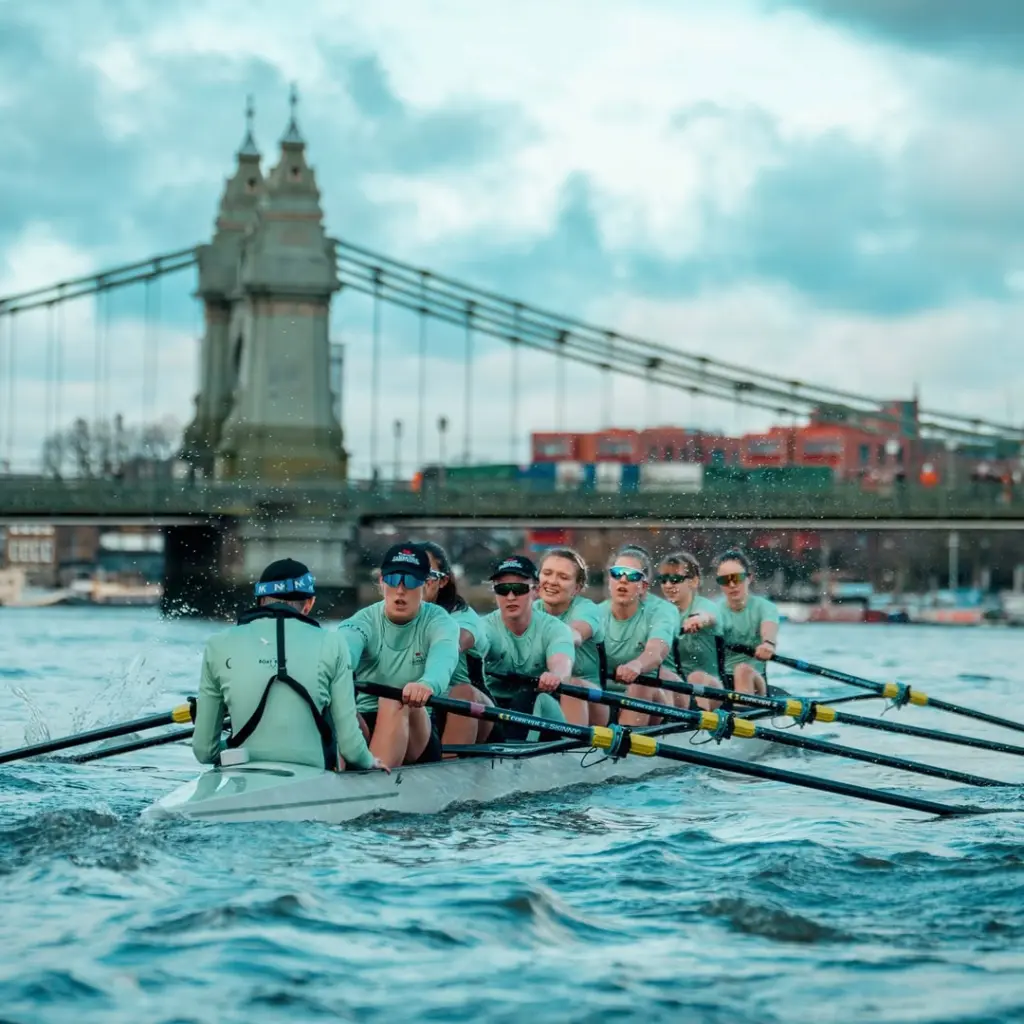
The Championship Course runs 4.25 miles from Putney to Mortlake, tracing a stretch of the Thames that reveals a quieter, more residential side of the city. The start at Putney carries a charged energy, with crowds gathering early and the crews holding steady before the surge. As the boats pass beneath Hammersmith Bridge, the race often finds its defining moment, the bend favouring one crew over the other. Barnes offers a gentler atmosphere, while the finish at Mortlake draws a final swell of spectators and the first signs of celebration.
For those familiar with London, the appeal lies in understanding how each section feels. The course is not experienced in one sweep but in fragments, each with its own pace and character.
Where to Watch with Intent
Finding a place along the Thames is straightforward. Finding the right place takes a little more consideration.
Fulham’s riverfront draws the largest crowds, with a lively atmosphere that begins well before the start. It suits those who want to be close to the energy, though it requires patience and early arrival. Across the water, Barnes offers a more measured perspective, with stretches of embankment that feel less congested and closer to the rhythm of the river itself.
For a more composed experience, access changes everything. Private hospitality along the route provides a markedly different vantage point, with catered terraces, sheltered viewing areas, and the ease of moving between conversation and spectacle without interruption. On the water, chartered boats offer a fluid way to follow the race, while smaller private launches create a more discreet setting, removed from the crowds entirely.
Along the River, Where to Base Yourself
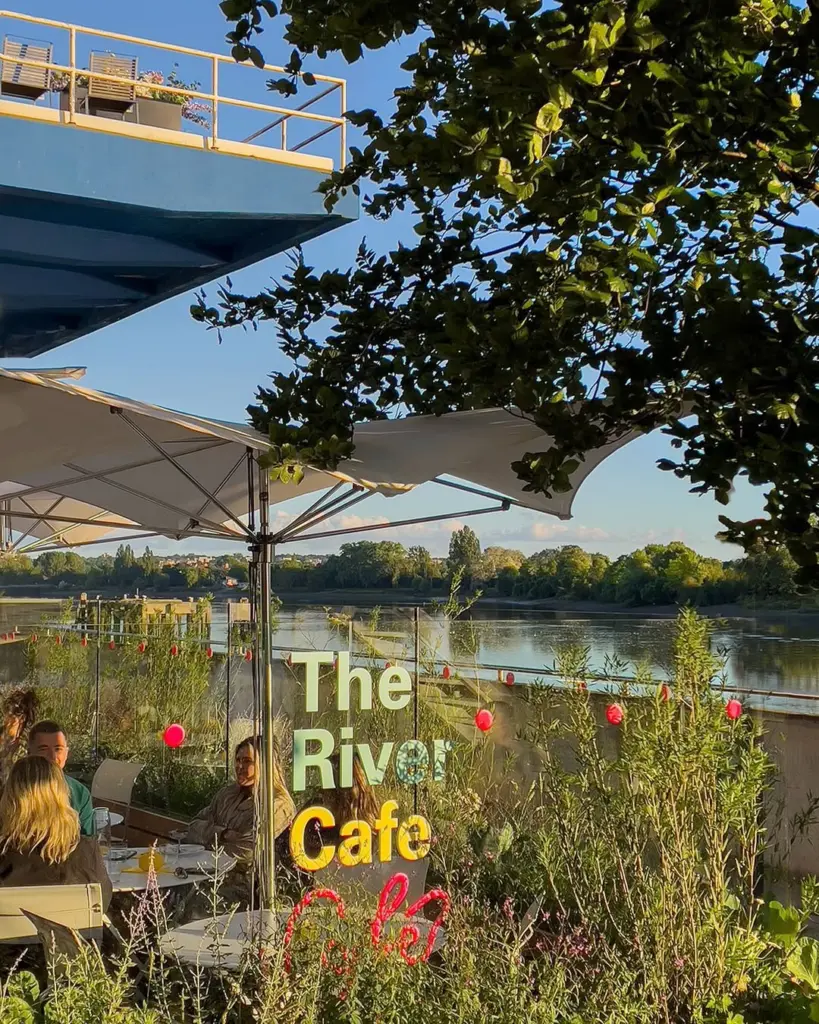
Certain addresses along the Thames have become part of the day’s natural circuit.
The Hurlingham Club remains one of the most sought-after vantage points, its grounds offering a calm, well-appointed setting within reach of the action. Members gather here for a more measured pace, with the race unfolding just beyond the lawns.
Nearby, The River Café provides a refined anchor for the day. A table here, timed carefully, allows for a long lunch that drifts into the race itself, with the river as a constant backdrop. In Chelsea, The Ivy Chelsea Garden offers a similarly polished setting, particularly suited to those easing into the afternoon or continuing well beyond the finish.
These are not simply places to eat or pause. They shape the pace of the day, creating space between moments rather than compressing everything into the race itself.
The CHANEL Presence
The partnership with CHANEL has introduced a subtle recalibration. The J12, with its clean ceramic construction and precise engineering, aligns naturally with the discipline of rowing, but the influence extends beyond the watch itself.
Brand presence is considered rather than overt. Hospitality spaces carry a quieter sense of design, and the audience has shifted slightly, drawing a younger, style-aware crowd that sits comfortably alongside the event’s longstanding traditions. The result feels balanced, with heritage intact and presentation gently refined.
Dressing for the Thames
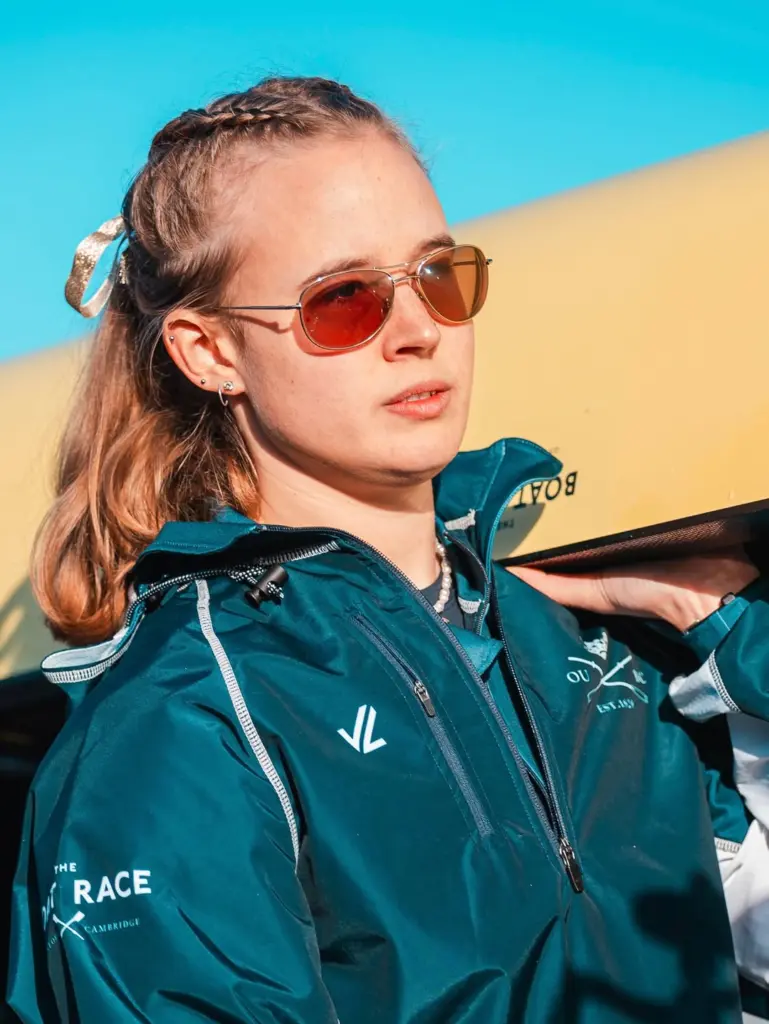
Spring in London rarely settles into predictability, and dressing for the Boat Race reflects that.
Outerwear matters. Tailored coats, lightweight trenches, and well-cut jackets are a constant presence, chosen as much for practicality as for appearance. Footwear tends towards the sensible, particularly for those moving between grass, decking, and uneven riverside paths. The overall tone leans understated, with an emphasis on pieces that carry easily from afternoon gatherings into evening plans.
The Rhythm Beyond the Race
The race itself lasts little more than twenty minutes, yet the day stretches far beyond it.
Late morning arrivals give way to early drinks, with groups settling into their chosen vantage points well before the crews take to the water. The race becomes a focal moment, a shared pause before the day opens out again. In Fulham and Chelsea, restaurants and private homes fill quickly, while riverside terraces continue to draw crowds into the evening.
For many, the appeal lies in this progression. The Boat Race provides the structure, but the day is defined by how it unfolds around it.
Moving Through the Day
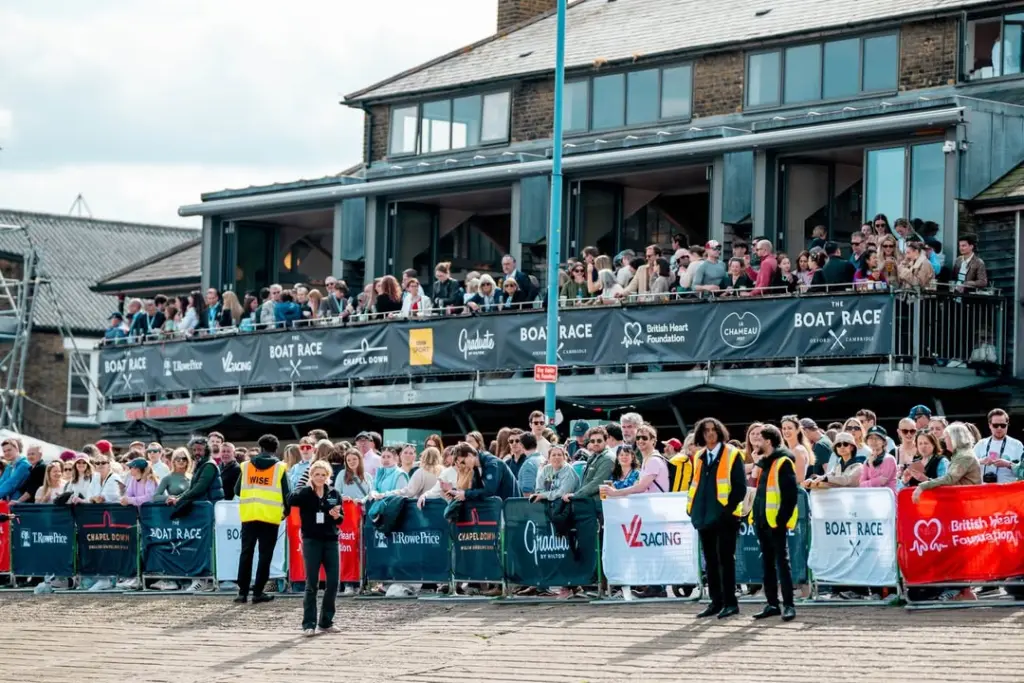
Navigating the event requires a degree of planning, particularly for those intent on maintaining a sense of ease.
Road closures and restricted access can slow movement along the river, making chauffeured drop-offs most effective when paired with short walks. River transport offers a more fluid alternative, with private boats and water taxis bypassing much of the congestion. Those moving between Putney, Hammersmith, and Barnes often find that a combination of walking and well-timed transfers creates the smoothest experience.
Experiencing the Boat Race Well
There is a clear distinction between attending the Boat Race and experiencing it well. The difference lies in pacing, positioning, and access. A well-chosen vantage point, a considered plan for the day, and the freedom to move without friction transform what could feel crowded into something far more composed.
Along the Thames, as the crews pass and the city settles into the afternoon, the appeal becomes clear. The CHANEL J12 Boat Race is defined not by a single moment, but by the way the day is shaped around it.