

All products are independently selected by our editors. If you buy something, we may earn an affiliate commission.
In the weeks before Carnival, Rio de Janeiro begins to recalibrate. Garment carriers appear in hotel corridors, security teams quietly adjust routines, and rehearsal halls remain illuminated long after midnight. Along the beachfront avenues of Ipanema and Copacabana, familiar convoys trace discreet routes between private residences, ateliers, and the Sambadrome. For returning guests, these early signals mark the beginning of Rio Carnival, a season shaped by preparation, relationships, and access.
At this level, Rio Carnival unfolds less as a public festival than as a carefully managed social and cultural circuit.
The Architecture of the Parade
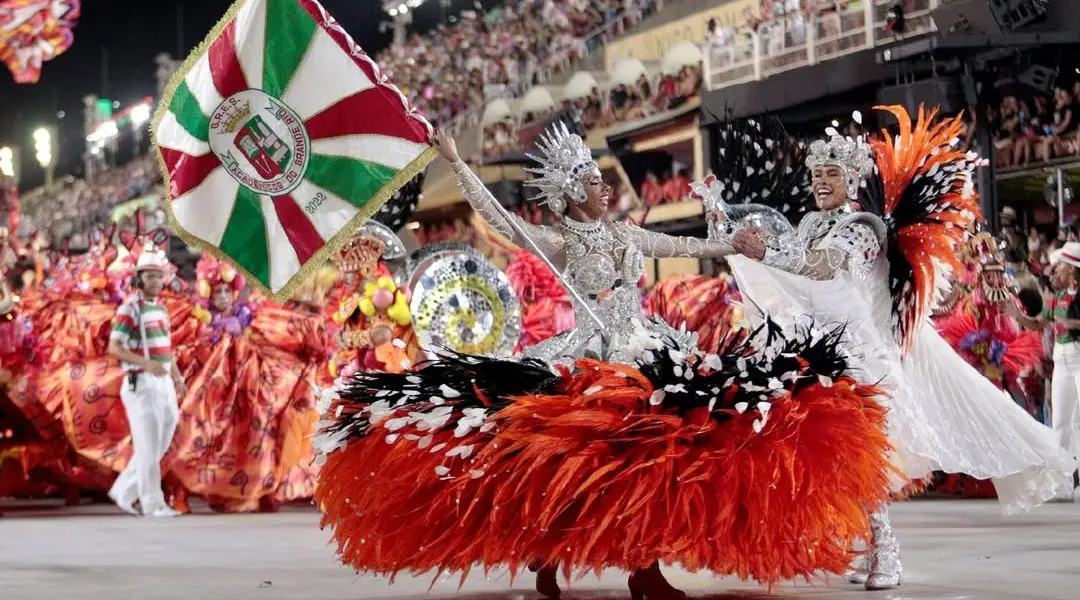
At the heart of Rio Carnival lies the Marquês de Sapucaí Sambadrome, where the city’s leading samba schools present year-long artistic projects over consecutive nights. Each performance combines historical research, original composition, costume design, and large-scale choreography, overseen by artistic directors and supported by patrons and sponsors.
Weeks before the competition, selected visitors attend rehearsals and workshop visits, observing seamstresses, choreographers, and musicians working in parallel. These preparatory environments reveal the festival as an exercise in precision and coordination, underpinned by months of disciplined collaboration.
Experiencing the Sambadrome from Within
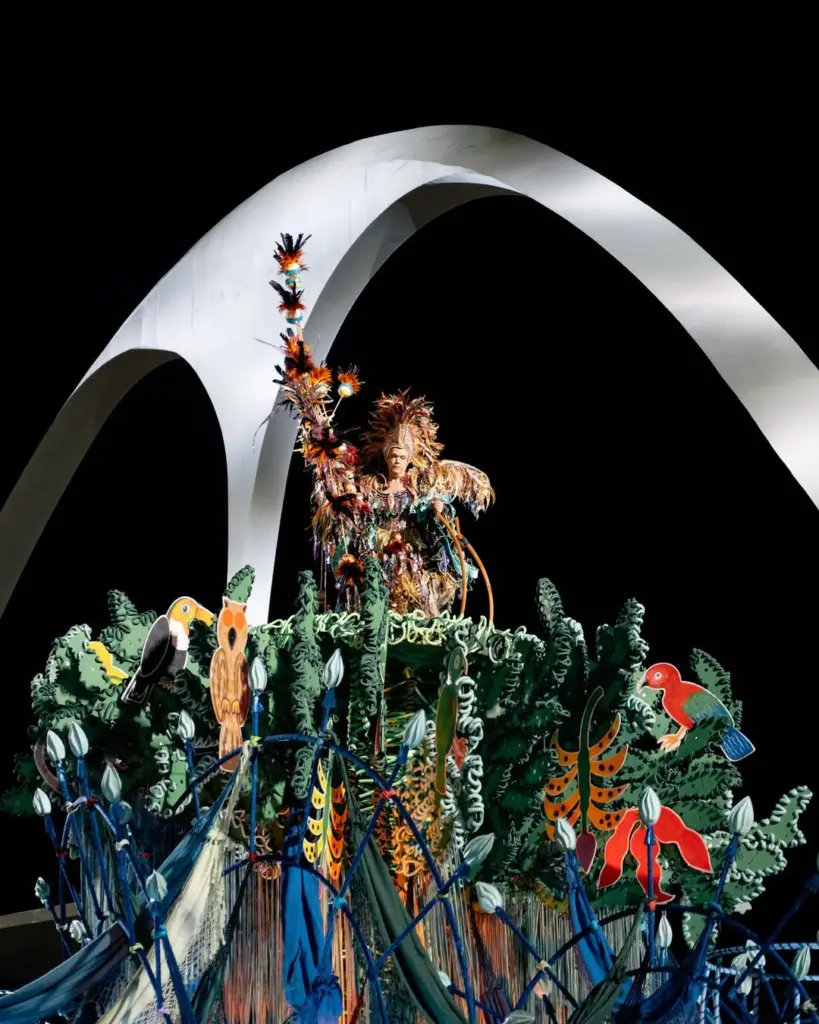
Established camarotes occupy the most privileged sections of the avenue, offering controlled access, private hospitality, and consistent staffing. Guests arrive through discreet entrances, bypassing public circulation zones, and are received by hosts who coordinate seating, dining, and security throughout the night.
Inside, climate-controlled salons accommodate private dining and conversation, while open terraces provide uninterrupted views of the processions. Catering is typically overseen by partner hotels, with late-night service extending until dawn. Many returning guests retain the same boxes annually, forming informal networks that shape much of the social life surrounding Rio Carnival.
Behind the Processions
Away from the avenue, Carnival unfolds in quieter, highly curated spaces.
Select guests attend closed rehearsals in samba school headquarters, tour float construction warehouses, and observe costume fittings in the weeks leading up to the parades. These encounters are arranged through long-standing cultural intermediaries who manage access with sensitivity to community hierarchies and traditions.
Conversations with composers, choreographers, and designers offer insight into how artistic vision, neighbourhood identity, and patronage intersect, adding depth to the spectacle witnessed on parade nights.
Strategic Carnival Bases: Where to Stay
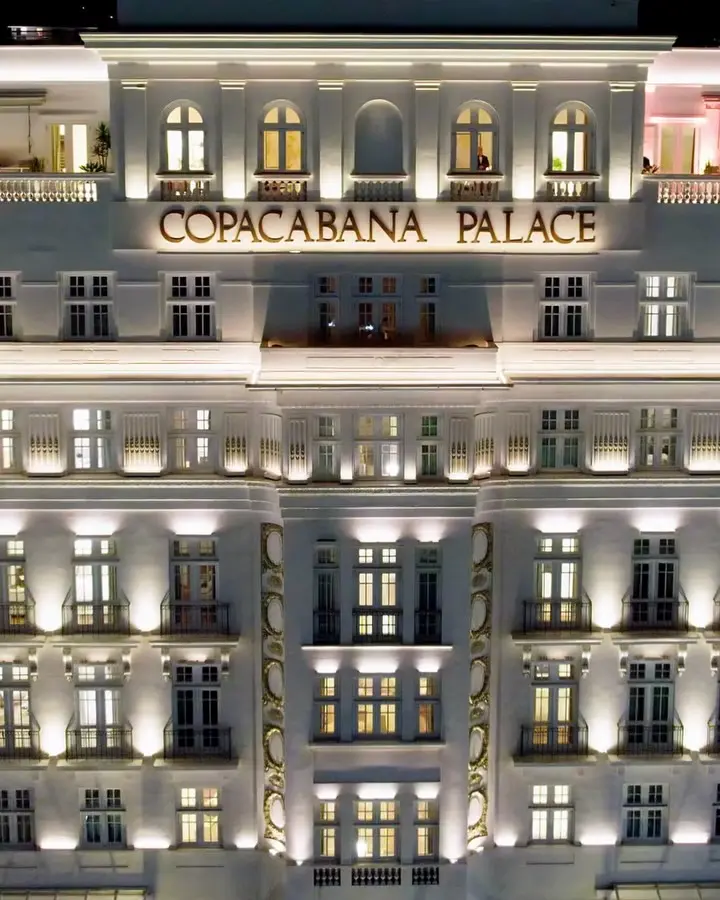
During Rio Carnival, accommodation functions as both a residence and an operational headquarters.
Copacabana Palace remains the city’s primary social anchor. Its historic salons host private receptions and sponsor dinners, while upper-floor suites overlook a steady flow of returning guests and performers. Concierge teams coordinate transport, seating, and invitations with exceptional precision.
Hotel Fasano Rio de Janeiro attracts a discreet, design-focused international clientele. Its rooftop becomes an informal meeting point between evenings, where schedules are exchanged, and introductions quietly arranged.
Emiliano Rio offers greater seclusion, favoured by those prioritising privacy and highly personalised service.
From these bases, guests move fluidly between beaches, rehearsals, private lunches, and evening engagements.
Moving Through a Reconfigured City
During peak nights, central districts operate under modified traffic systems, with restricted zones and staggered access points. High-end visitors rely on dedicated chauffeurs familiar with these patterns, supported by advance routing clearance and standby vehicles.
For select guests, helicopter transfers connect Barra da Tijuca, Ipanema, and private helipads, reducing dependence on ground routes. Yacht charters and private beach clubs along the coast provide controlled daytime environments between engagements, allowing guests to reset before returning to the Sambadrome.
Movement becomes a coordinated exercise shaped by timing, experience, and local knowledge.
The Private Social Circuit
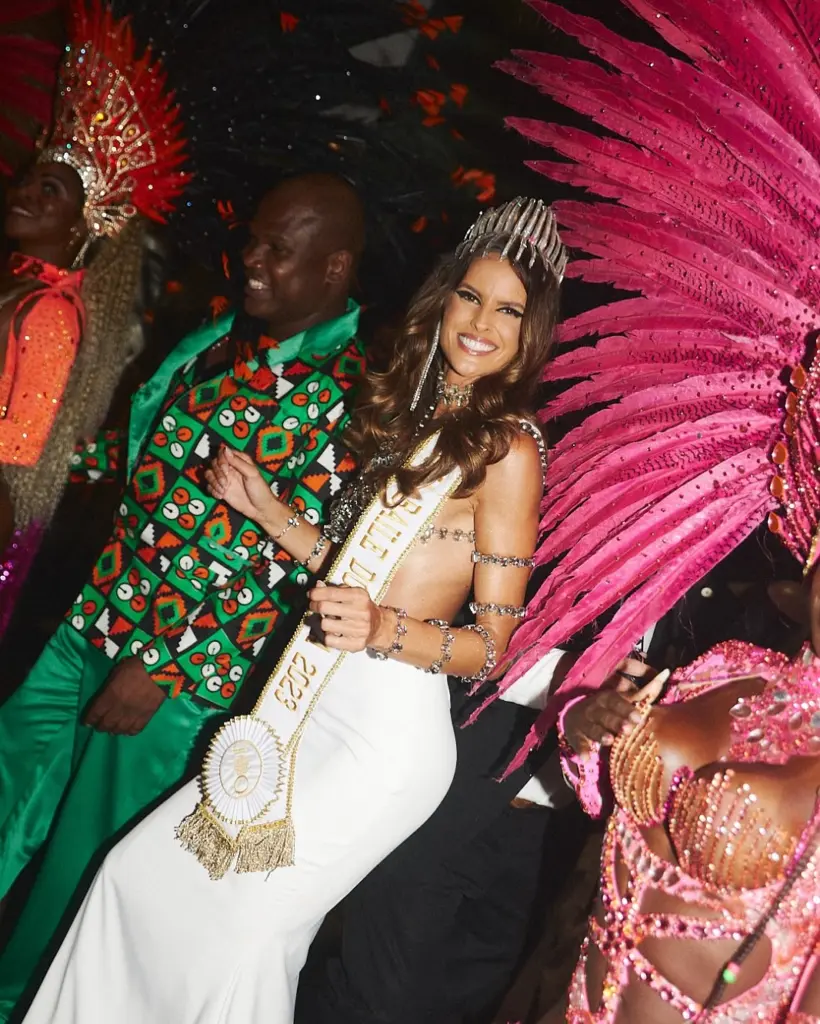
Parallel to the public festivities of Rio Carnival runs a tightly curated calendar of private events.
Luxury houses host salon dinners in restored townhouses. Cultural patrons organise masked balls in historic properties. Select rooftops in Leblon and Ipanema function as invitation-only venues for late-night receptions. Offshore, anchored yachts serve as mobile gathering spaces between engagements.
Participation depends largely on continuity. Regular attendance, discreet conduct, and trusted intermediaries shape long-term inclusion within this circuit.
Dining at Carnival’s Highest Level
Refined dining remains central to the week’s rhythm.
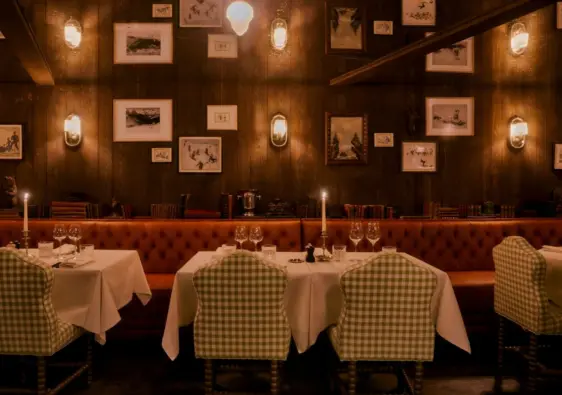
Cipriani provides a composed setting for pre-parade dinners, with private rooms frequently reserved by returning groups.
Oro hosts tasting-menu gatherings arranged months in advance, often aligned with sponsorship and patronage networks.
Lasai attracts guests seeking seasonal, understated cuisine in a quieter environment.
Late reservations accommodate those returning from the Sambadrome in the early hours.
Style and Presentation
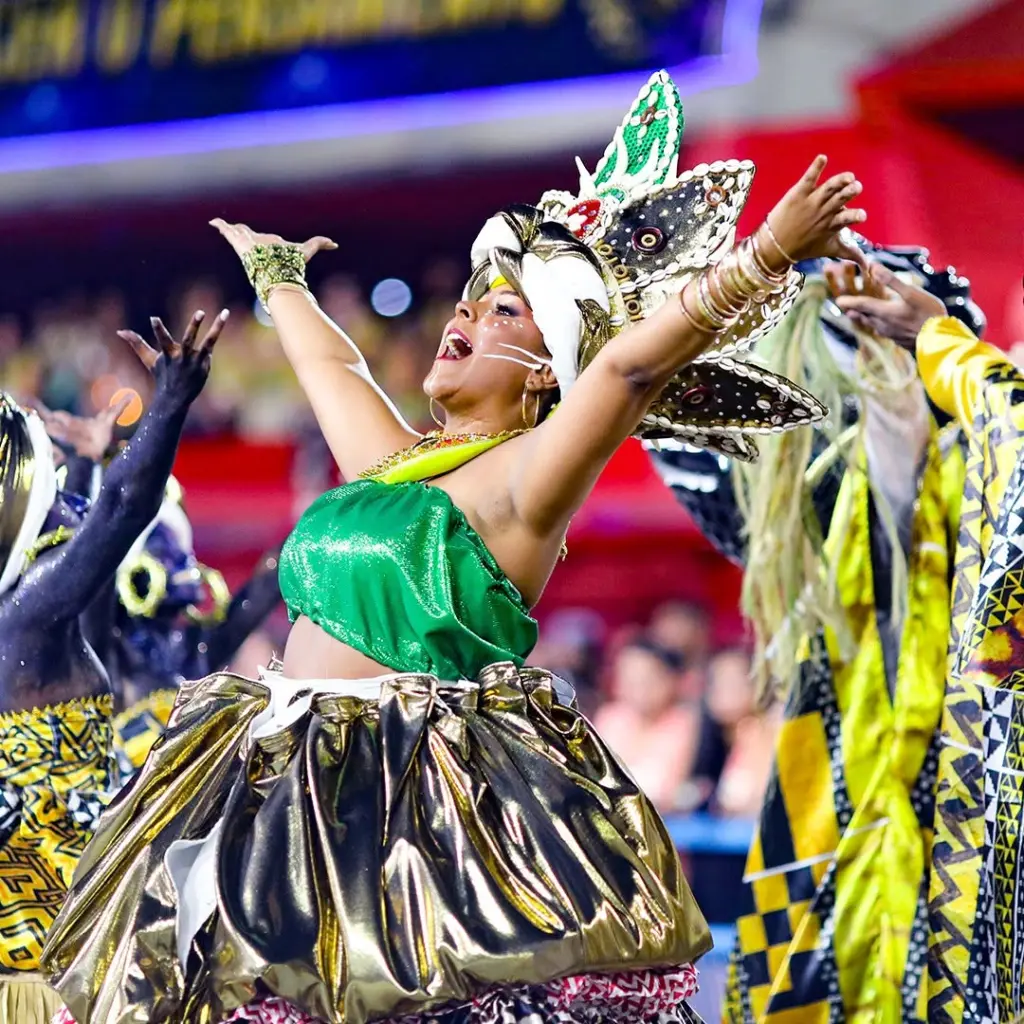
Evening parades favour refined restraint over overt spectacle.
Lightweight tailoring, linen blends, and discreet jewellery dominate in premium seating areas. For private balls and receptions, couture eveningwear and bespoke accessories are customary, often commissioned months in advance. Several Brazilian ateliers provide private fittings and wardrobe coordination for returning clients.
Practical considerations, heat, movement, and long hours, are addressed without compromising elegance.
Discretion, Security, and Advanced Coordination
Privacy during Rio Carnival is sustained through early planning and integrated systems.
Prime suites, preferred camarotes, and trusted chauffeurs are secured nine to twelve months ahead. Specialist travel designers coordinate seating, dining, and social calendars as unified programmes, reducing operational friction during the week.
Controlled access points, dedicated security personnel, and hotel-led protocols ensure continuity. Many guests travel with personal security teams who liaise directly with venue managers and transport providers. Photography is carefully managed at private events, preserving discretion within the social circuit.
Late arrangements remain possible, but rarely deliver comparable stability.
The Carnival’s Enduring Appeal
For seasoned visitors, Rio Carnival functions less as a festival than as a recurring season of relationships, rituals, and shared reference points.
Familiar boxes, trusted drivers, preferred tables, and established social routes repeat each year with subtle variation. Within this continuity lies Rio Carnival’s lasting prestige: a cultural institution sustained by artistry, patronage, and long-term participation.