

All products are independently selected by our editors. If you buy something, we may earn an affiliate commission.
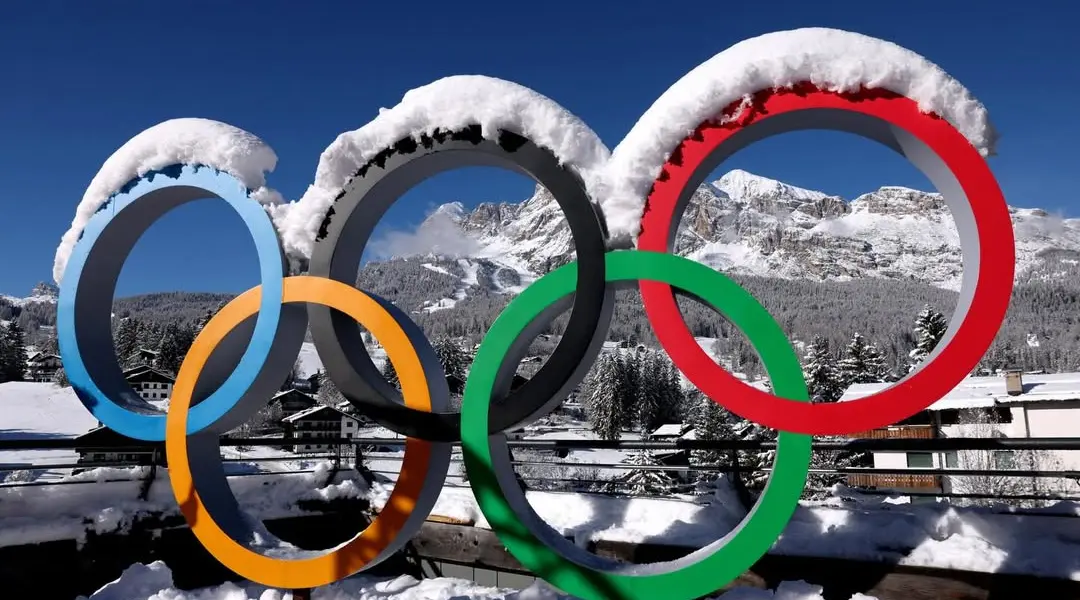
The Milano Cortina Winter Olympics arrive framed by two of Italy’s most established luxury worlds. Milan brings fashion, design, and institutional hosting. Cortina d’Ampezzo contributes alpine heritage, winter society, and a social landscape shaped long before the Olympic designation. Together, they set the scene for a Games that unfolds across palazzi and peaks, hotel salons and high-altitude terraces.
This edition is not anchored to a single Olympic village. It is shaped by movement between environments, reflecting northern Italy’s natural way of hosting international moments.
Milano Cortina on the Winter Circuit
Milan functions as the ceremonial and cultural anchor. International arrivals concentrate here, with luxury groups, federations, and brand partners establishing their bases across Brera, the Quadrilatero della Moda, and parts of Porta Nuova. Historic palazzi, private galleries, and landmark hotels operate as discreet Olympic venues, hosting presentations, diplomatic gatherings, and invitation-led salons.
Cortina d’Ampezzo remains the emotional centre. Long regarded as Italy’s most refined alpine resort, its identity rests on continuity, scale, and setting. Framed by the Dolomites, the town absorbs Olympic life rather than surrendering to it. Hotel lounges, cafés, and panoramic terraces resume their familiar role as winter meeting points, now carrying a global calendar.
Competition venues extend beyond Cortina into the wider Dolomites, creating a constellation of alpine bases rather than a single hub. Some schedules remain anchored in Cortina’s social core. Others favour neighbouring mountain towns where privacy, space, and controlled access shape daily life.
The Rhythm of the Olympic Weeks
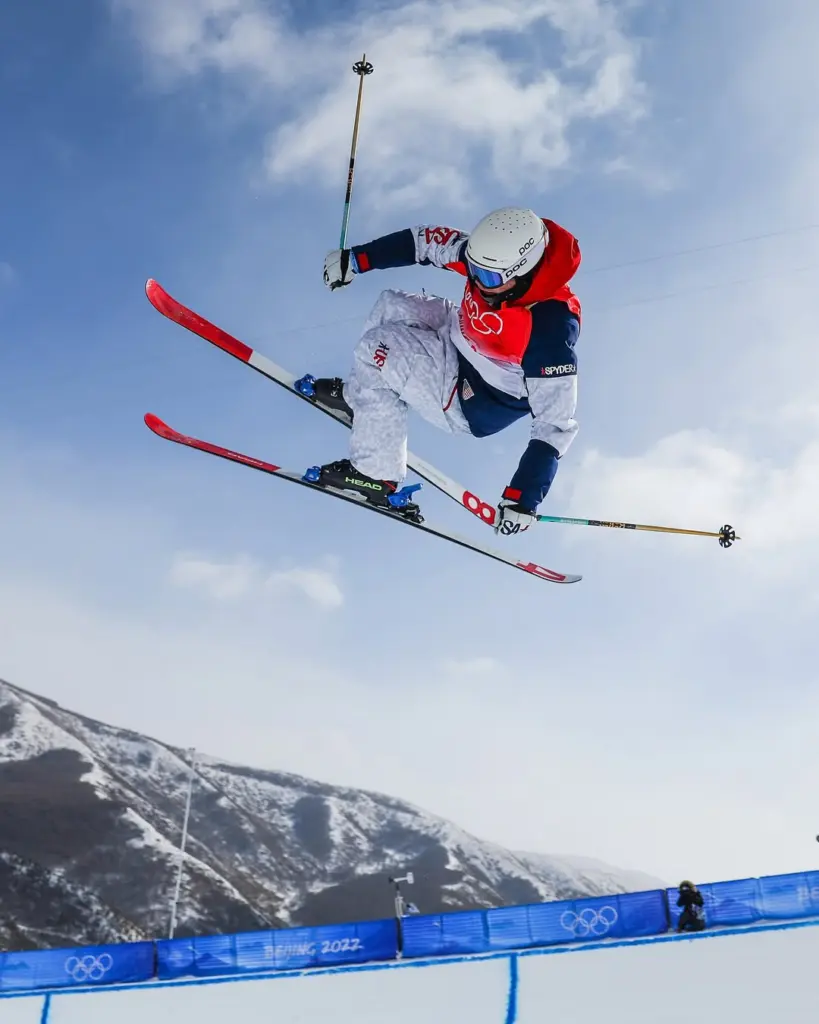
The opening phase concentrates ceremony, international representation, and brand presence. Milan operates at full tempo, with hotel salons, fashion houses, and historic residences sustaining a dense programme alongside the competitions.
As the calendar settles, attention shifts decisively toward the mountains. Cortina and its surrounding venues take daily focus. The pace becomes more contained, shaped by competition timetables, alpine lunches, and evening hospitality.
The closing stretch often softens. Some schedules conclude. Others extend into quieter days in the Dolomites or a return to Milan once the ceremonial layer recedes. Early arrivals remain part of this rhythm, allowing space in the city and mountains before the Olympic tempo asserts itself.
Movement and Alpine Access
Milano Cortina is defined by connectivity. International arrivals converge in northern Italy’s executive terminals before dispersing across the region. Helicopter corridors compress distances between city and mountain zones, allowing Milanese mornings and alpine afternoons to coexist within a single day. Chauffeured convoys and dedicated alpine fleets complete the network, coordinating movement between hotels, venues, and hospitality sites.
In the mountains, transport planning becomes inseparable from daily life. Weather patterns, security protocols, and competition windows shape departures and returns. Here, movement is part of the experience, not a backdrop.
Hospitality and the Private Olympic Stage
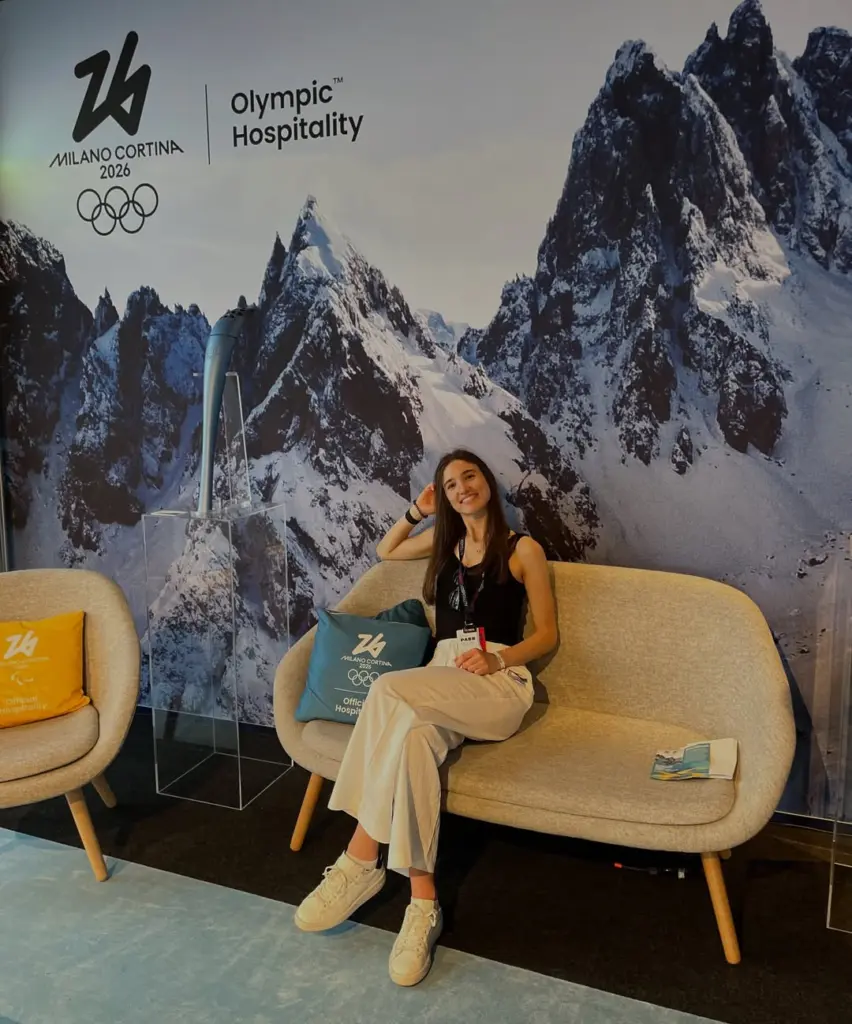
The public arenas form only one layer of the Games. Much of Milano Cortina’s social life unfolds within curated hospitality environments that sit alongside the official programme.
Premium Olympic hospitality provides the foundation, combining elevated viewing positions, private lounges, and controlled dining spaces. Around this develops a parallel world of sponsor residences, brand chalets, and invitation-only salons. In Milan, these take shape within historic palazzi, fashion houses, and transformed hotel suites. In Cortina and the Dolomites, they adopt an alpine language of timber interiors, panoramic glazing, and terraces positioned above courses and training zones.
These settings merge viewing platforms with dining rooms and social salons. They are where relationships are maintained, and the Games are privately experienced.
The Luxury Base
In Milan, the grand hotel circuit is expected to anchor much of the Olympic hosting culture. Hotel Principe di Savoia, Four Seasons Milano, Armani Hotel Milano, and Bulgari Hotel Milano sit naturally at the intersection of diplomacy, fashion, and brand life. High-end serviced residences and private apartments extend the landscape for longer stays and family entourages.
Cortina’s hotel scene is smaller and tradition-led. Cristallo, a Luxury Collection Resort, Faloria Mountain Spa Resort, and Grand Hotel Savoia Cortina have long served as winter social addresses. During the Games, their lounges, terraces, and dining rooms are likely to function as central meeting points.
Above the town, a limited supply of ultra-luxury chalets and private estates offers a more contained layer. Further into the Dolomites, secluded spa resorts and low-density alpine lodges provide quieter bases while remaining connected to the Olympic network.
Dining, Fashion, and Brand Culture
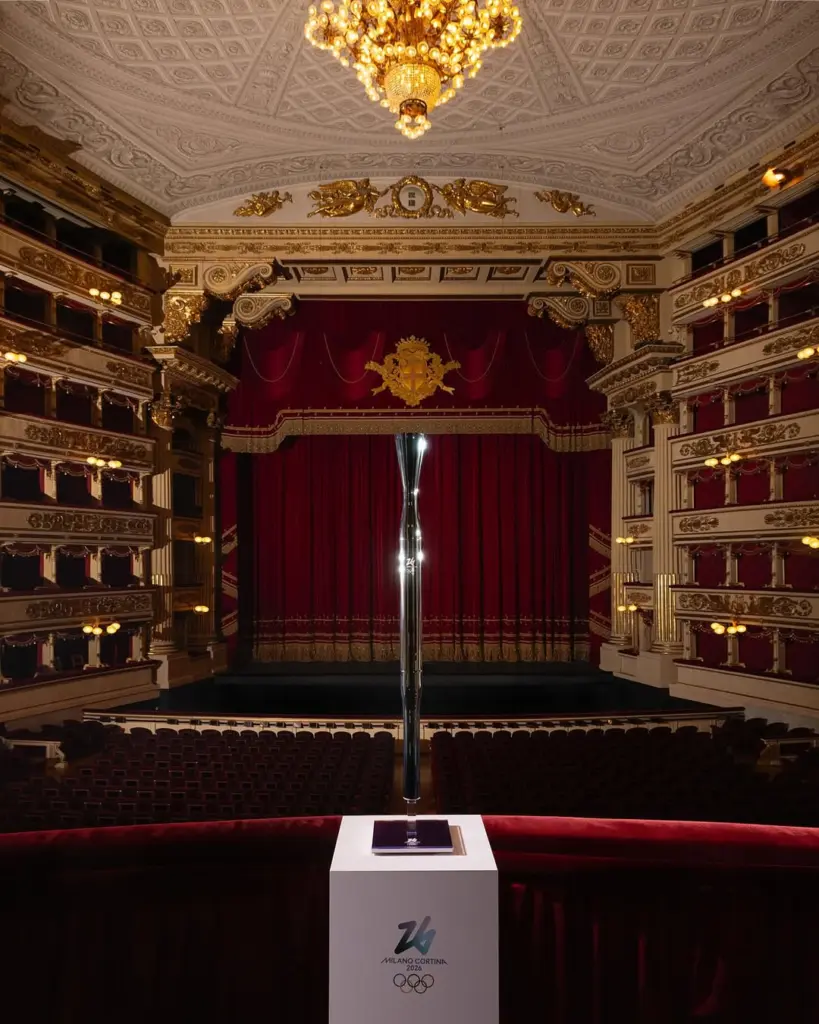
Milan’s dining scene becomes one of the Games’ primary social frameworks. Private rooms at Ristorante Cracco, Seta at Mandarin Oriental, Enrico Bartolini at Mudec, and Il Luogo di Aimo e Nadia are expected to anchor many evenings, hosting brand dinners, delegation tables, and discreet gatherings. Beyond restaurants, much of the city’s Olympic dining unfolds within palazzi and hotel salons shaped into temporary hosting environments.
In Cortina, gastronomy follows a mountain rhythm. Panoramic hotel dining rooms, terrace lunches, and private chalet kitchens dominate. Long alpine lunches remain central to the social calendar, often extending across the afternoon before resolving into smaller evening gatherings.
Milan’s presence ensures that fashion houses and luxury brands play a visible role throughout the Games. Showrooms become salons. Historic residences convert into presentation spaces. Jewellery appointments, couture viewings, and invitation-only exhibitions integrate into the Olympic schedule, while Cortina offers a complementary alpine stage for winter collections and experiential hosting.
Life Between Events
Even at full momentum, Milano Cortina leaves space. The Dolomites provide a landscape shaped for private skiing, scenic touring, heli-accessed viewpoints, and spa-centred recovery. Smaller villages beyond Cortina allow for quieter exploration once formal engagements conclude.
Milan continues its cultural cadence regardless of the competitions. Private museum visits, atelier appointments, architecture tours, and gallery evenings offer contrast to the mountain schedule. Many itineraries extend naturally into Lake Como, the Veneto, or onward European routes.
The Italian Winter on a Global Stage
Milano Cortina presents an Olympics shaped by environments that already understand luxury. Milan contributes institutional confidence, fashion culture, and social infrastructure. Cortina brings alpine heritage, intimacy, and winter tradition. The Dolomites supply space, altitude, and discretion.
The Games provide the occasion. Italy provides the character. What unfolds is likely to be remembered for how seamlessly winter life, hospitality, and social rhythm are staged across two worlds that have long embodied the art of Italian winter living.