

All products are independently selected by our editors. If you buy something, we may earn an affiliate commission.
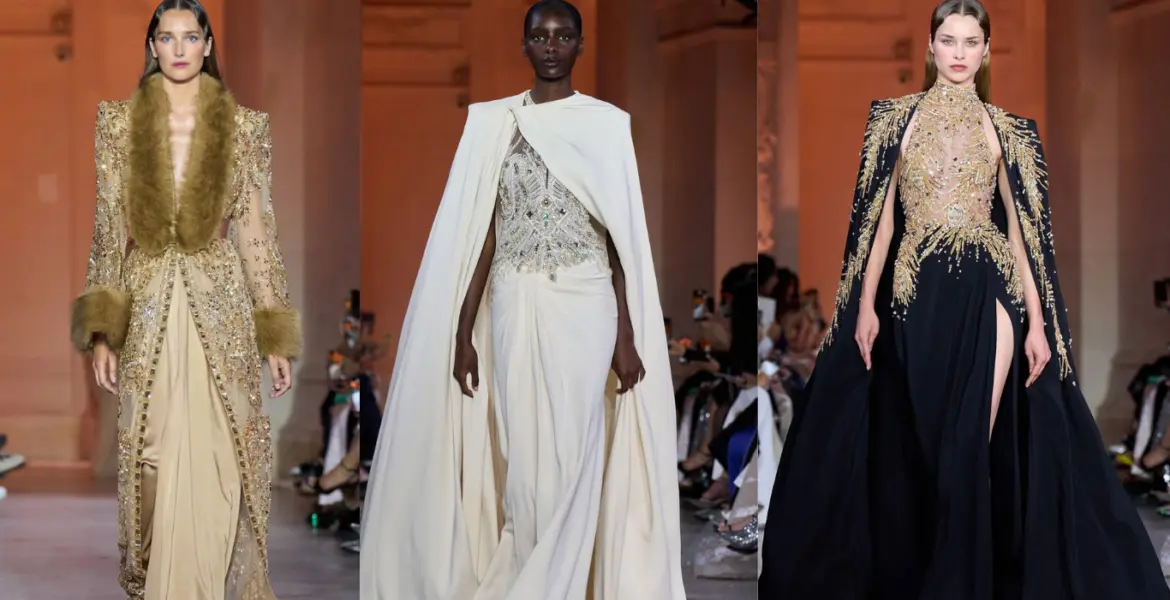
Twice a year, Paris settles into a quieter, more cultivated rhythm. Chauffeured arrivals replace crowds, palace hotel salons fill with garment carriers and jewellery couriers, and long lunches gradually give way to private fittings. Haute Couture Week rarely announces itself, yet for those who move within it, the city feels subtly recalibrated.
More than any other fashion moment, Haute Couture Week represents the highest tier of craftsmanship. Each collection is created by hand in Parisian ateliers, designed for private clients, cultural institutions, and collectors who continue to invest in couture as both wardrobe and heritage. For the luxury traveller, it is also one of the most considered times to experience Paris, when fashion, fine dining, high jewellery, hospitality, and private society align.
What Haute Couture Really Means
Haute couture is a legally protected designation in France. Only houses approved by the Chambre Syndicale de la Haute Couture may present official collections, and only if they maintain an atelier in Paris, employ specialist artisans, and create made-to-measure garments crafted largely by hand.
Each piece is developed for a specific client, often requiring hundreds or thousands of hours of embroidery, textile work, and hand finishing. Multiple fittings refine the silhouette, structure, and movement of a garment before completion. This system, rather than seasonal production, defines couture. It is a working culture of craftsmanship, preserved within a small circle of Parisian maisons and specialist ateliers.
The Couture Calendar and the Rhythm of the Week
Haute Couture Week takes place in January and July, presenting Spring/Summer and Autumn/Winter collections. Over several days, houses unveil their work through intimate runway presentations, salon shows, and private viewings, often staged inside historic hôtels particuliers, museums, and couture headquarters.
Alongside the public schedule runs a quieter calendar. Couture clients attend fittings, jewellery houses present major collections, and invitation-only cultural events unfold across the city. Mornings often begin with atelier appointments, afternoons move between presentations, and evenings settle into salon lunches, private dinners, and discreet receptions.
The Couture Houses and the Modern Maison Landscape
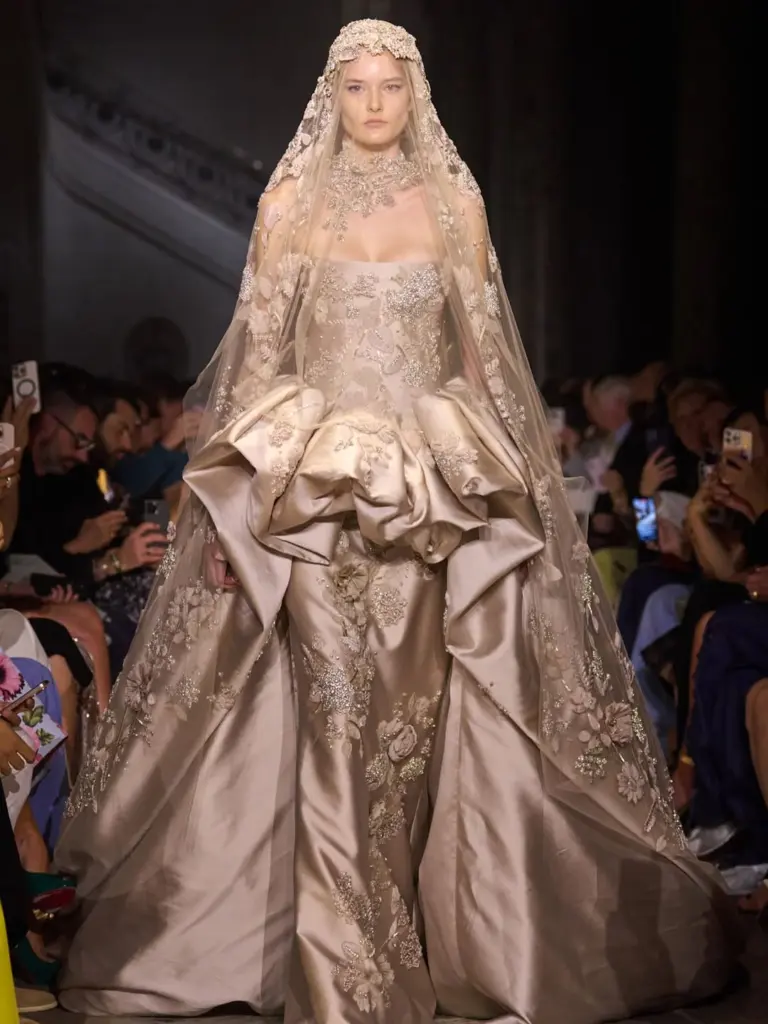
The couture calendar remains anchored by historic maisons whose ateliers continue to define Parisian craftsmanship. Chanel’s specialist embroidery houses, Dior’s couture workshops, and the sculptural techniques associated with Schiaparelli represent distinct creative languages shaped over decades of technical development.
Alongside these pillars, a smaller group of contemporary couture houses now contributes modern expression through architectural tailoring, experimental materials, and highly constructed forms. What unites them is the atelier. Behind every collection stands a network of embroiderers, pleaters, feather specialists, and textile developers whose expertise remains rooted in Paris.
The Private World Behind the Shows
The most significant couture activity rarely takes place on the runway. Following presentations, select clients are invited into salons to view garments closely, examine embroidery work, and begin commission discussions. These appointments often extend across several days, involving measurements, textile selection, and the scheduling of future fittings.
Couture clients include collectors, cultural patrons, and members of royal and diplomatic circles. Couture is also developed for major cultural appearances and museum acquisitions, reinforcing its place not only within fashion, but within heritage and contemporary culture.
Craftsmanship, Ateliers, and the Preservation of Rare Skills
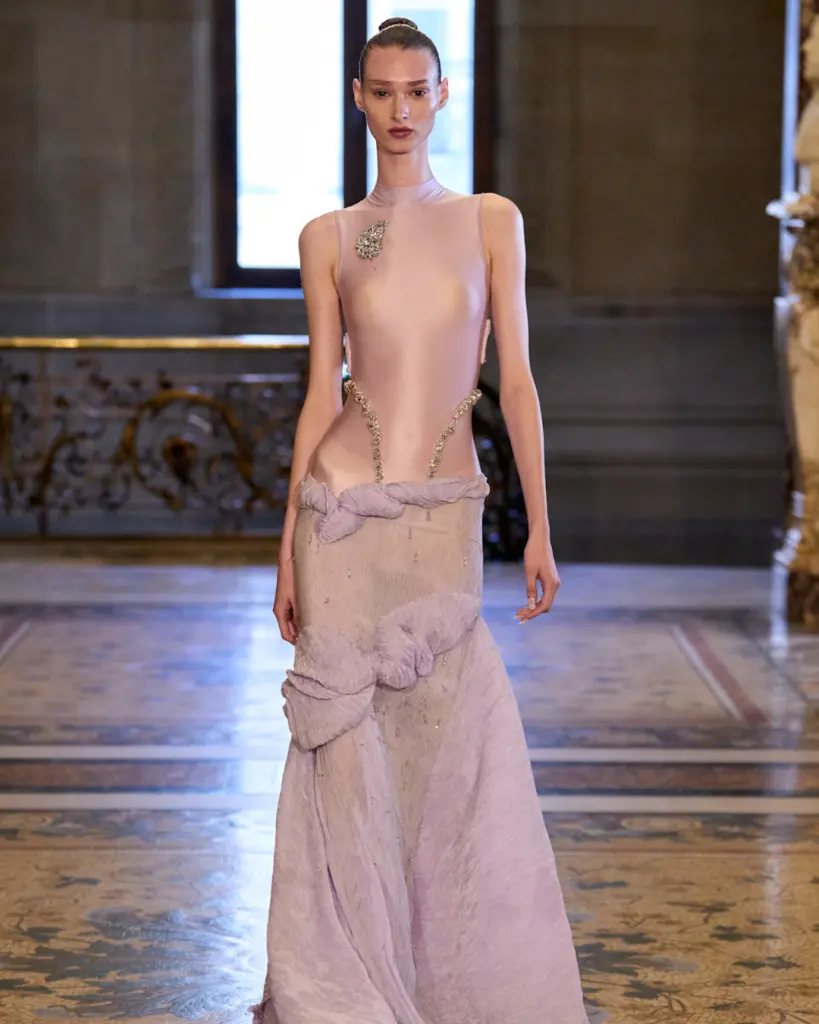
Haute couture remains one of the last economic structures sustaining Europe’s specialist fashion métiers. Embroidery houses, feather ateliers, pleating studios, shoemakers, milliners, and textile artists continue to support techniques rarely used beyond couture production.
Many couture garments take months to complete. Patterns are built from scratch, fabrics are often developed specifically for a single design, and embellishment is executed entirely by hand. Haute Couture Week offers a visible moment for these techniques, yet its deeper importance lies in maintaining the ateliers themselves through continued patronage.
Haute Couture Week as a Parisian Luxury Season
For luxury travellers and collectors, couture week has long served as a reason to return to Paris. The city’s wider luxury ecosystem aligns quietly around the calendar. High jewellery houses time major unveilings to coincide with the week. Cultural institutions host private evening programmes. Auction houses and galleries arrange discreet previews.
The atmosphere of Paris during couture season feels contained and cultivated. Palace hotels become informal meeting salons. Movement through the city follows appointments rather than schedules. It is a period shaped by precision, continuity, and long-established relationships.
Where Couture Is Lived
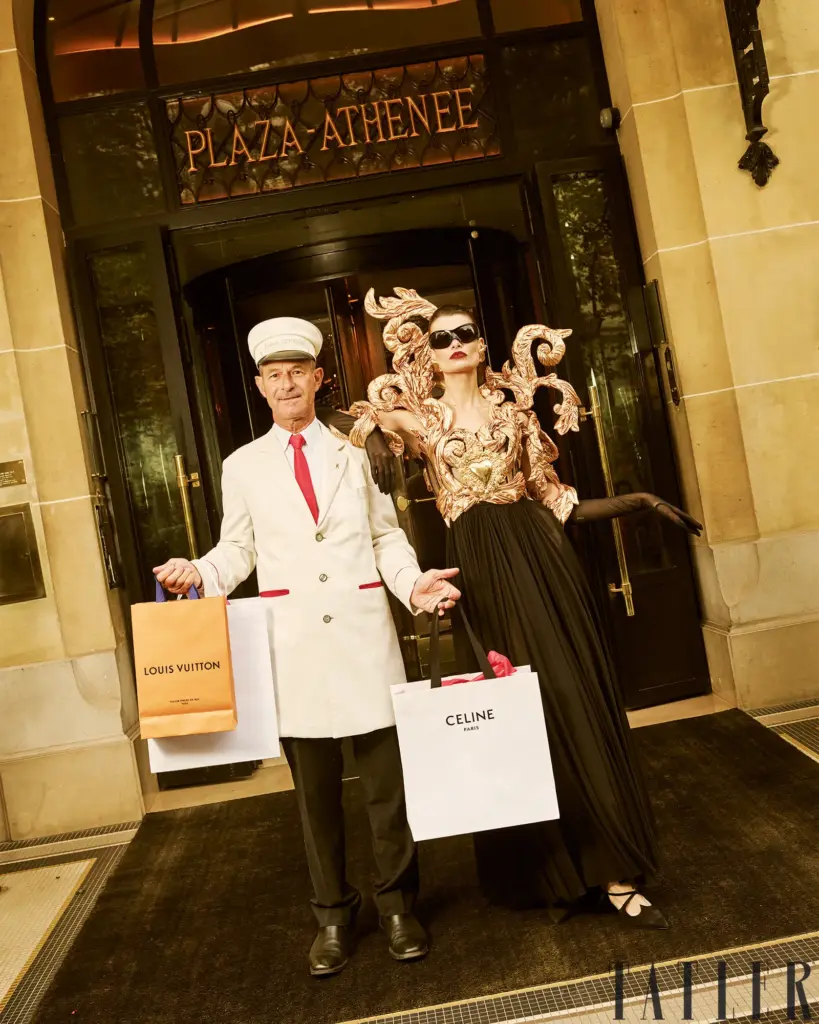
During Haute Couture Week, a small circle of Parisian addresses becomes part of the couture infrastructure itself.
The Ritz Paris remains a natural base for couture guests, valued for its Place Vendôme setting, its long association with fashion and jewellery houses, and its ability to accommodate private fittings and salon appointments within its suites.
On Avenue Montaigne, Hôtel Plaza Athénée sits at the heart of the couture quarter. Its proximity to the major maisons and its residential-style suites make it particularly suited to the rhythm of couture week, where garments, teams, and clients move fluidly between presentations and private consultations.
Le Meurice attracts those who prefer a calmer base while remaining central. Its apartment-style suites and discreet salons lend themselves well to longer couture stays, jewellery viewings, and quietly hosted luncheons.
Dining and the Social Rhythm of the Week
Couture week dining favours established Parisian institutions that understand privacy, pacing, and discretion.
Le Grand Véfour, overlooking the Palais-Royal gardens, is a regular choice for post-show lunches and small couture dinners, valued for its heritage setting and proximity to many presentation venues.
At Le Meurice Alain Ducasse, maison-hosted luncheons and couture-week gatherings unfold at a measured pace, offering a setting suited to longer conversations around collections and commissions.
For evening tables, Lapérouse is frequently favoured for its intimate rooms and historic character, offering a quieter counterpoint to the day’s schedule.
Experiencing Paris Around Couture Week
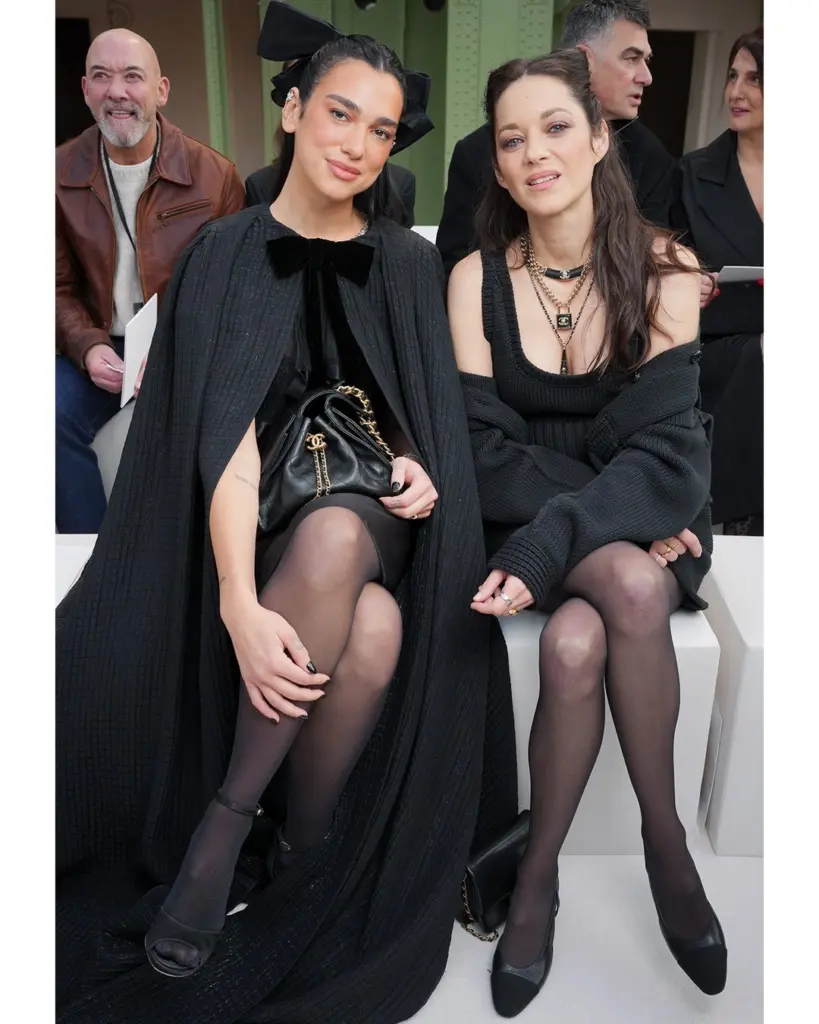
Beyond the salons and dining rooms, couture guests often experience Paris through private cultural channels.
Institutions such as the Musée des Arts Décoratifs and the Petit Palais regularly feature exhibitions that resonate closely with couture culture and are often visited between fittings and presentations. High jewellery houses around Place Vendôme form a parallel calendar of discreet viewings and collection presentations. For many returning guests, Fondation Louis Vuitton offers a contemporary counterpoint, with private visits and evening events often aligned with couture season.
Between appointments, time is frequently reserved for gallery visits, fragrance houses, and quiet intervals in historic cafés or along the Seine, reinforcing couture week as a broader Parisian immersion.
Couture’s Influence Across the Luxury World
Haute couture continues to shape the wider luxury landscape through its influence on high jewellery, watchmaking, beauty, and specialist craftsmanship. Although produced in limited numbers, couture preserves rare métiers, establishes creative authority, and anchors the cultural credibility on which the highest luxury houses are built.
During Haute Couture Week, Paris doesn’t feel like a host city. It feels like the atelier itself. Appointments replace itineraries, salons replace stages, and craftsmanship becomes the common language. For those who return each season, couture week is less about what is unveiled and more about where, and how, the highest form of luxury continues to be lived.