

All products are independently selected by our editors. If you buy something, we may earn an affiliate commission.
International Women’s Day (IWD), celebrated every year on 8 March, is more than a date on the calendar. It is a moment to celebrate women while recognising their social, economic, cultural, and political achievements on a global scale.
Its roots trace back to the early 1900s, when women worldwide began demanding equal rights, suffrage, and better working conditions. The first National Women’s Day was observed in the United States on 28 February 1909, inspired by labour movements of the time. By 1911, the movement had gained international traction, with over a million people rallying for women’s rights across Europe. The United Nations formally began marking International Women’s Day in 1975, cementing its place as a globally recognised occasion.
Today, IWD serves as both a celebration of progress and a reminder of the work that remains. In 2026, global conversations continue to centre on advancing rights, justice, and opportunity for women and girls worldwide. In the worlds of luxury, art, fashion, business, and culture, women continue to push boundaries, redefine excellence, and shape industries. This International Women’s Day, we honour the figures whose influence continues to resonate across generations.
Fashion and Beauty: Redefining Style and Influence
Luxury fashion and beauty have long been shaped by women who set the direction rather than follow it. These figures have built enduring brands, refined the language of elegance, and reshaped the industry at every level.
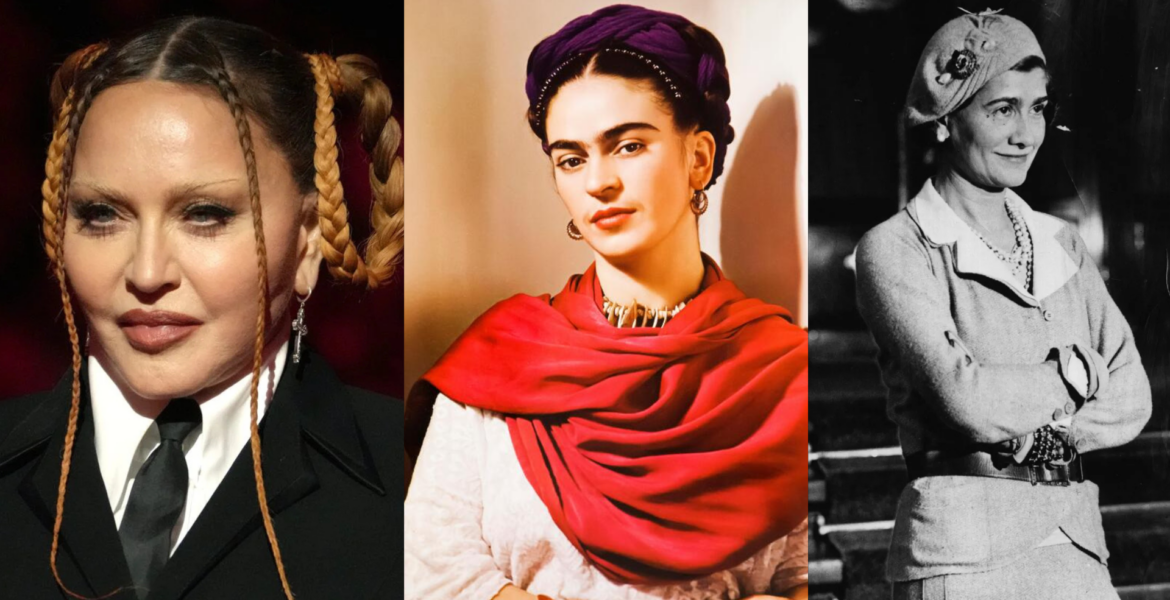
- Coco Chanel: A pioneer of modern women’s fashion, Chanel moved away from restrictive silhouettes and introduced a more liberated, effortless style, leaving behind icons such as the little black dress and Chanel No. 5.
- Estée Lauder: Founder of one of the world’s most recognisable beauty empires, she elevated cosmetics into a category defined by both quality and aspiration.
- Miuccia Prada: Reimagined Prada from a heritage leather goods house into a global force, known for its intellectual approach to design and cultural relevance.
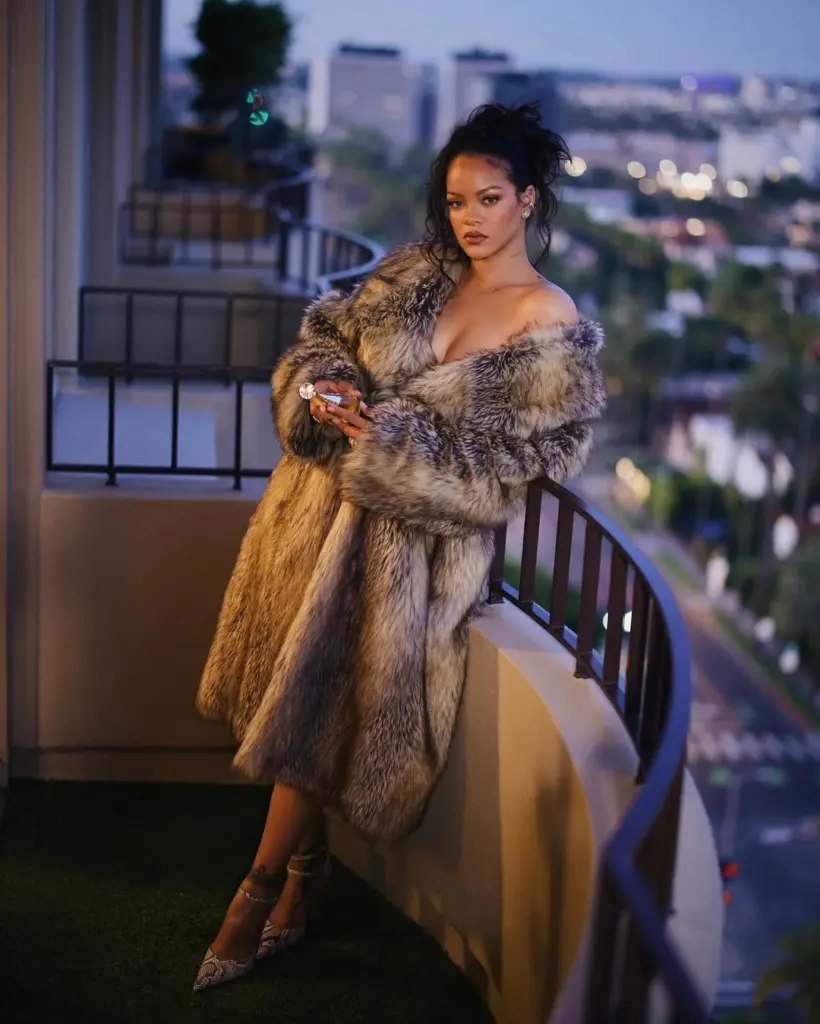
- Rihanna: A billionaire entrepreneur whose influence extends across beauty and fashion, she reshaped industry standards with Fenty Beauty’s inclusivity and the continued expansion of her Fenty ventures.
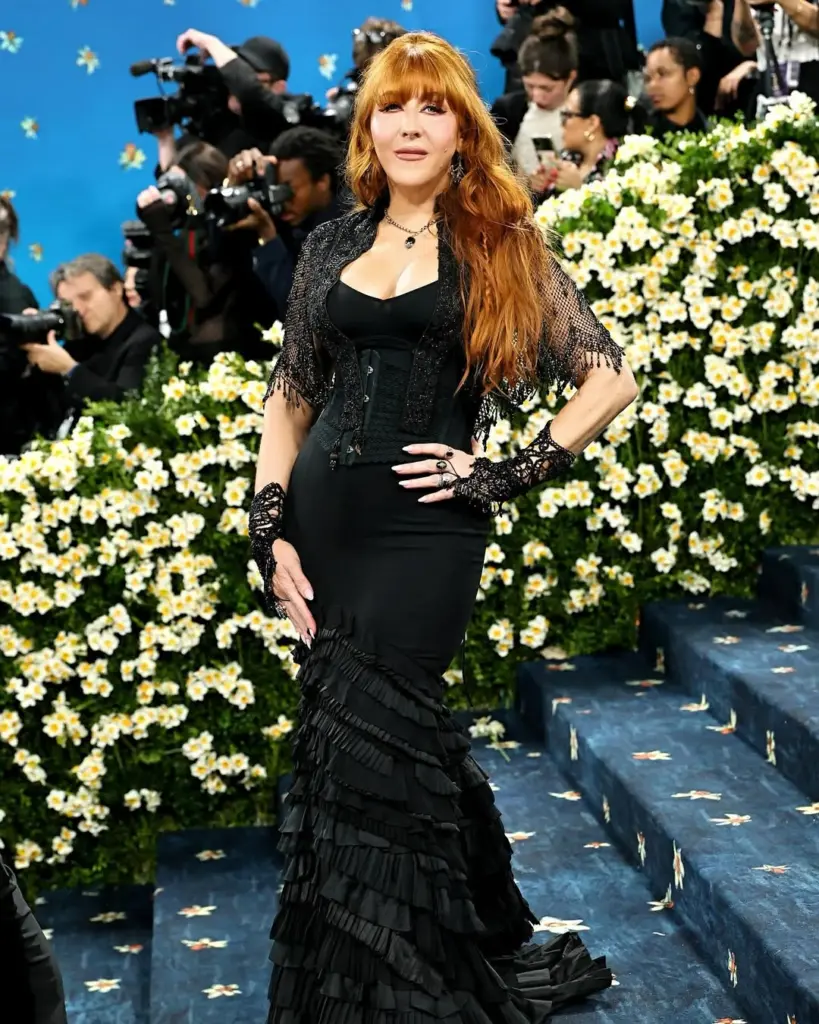
- Anna Wintour: Now serving as Chief Content Officer at Condé Nast and Global Editorial Director of Vogue, she continues to shape the direction of global fashion media with enduring authority.
- Donatella Versace: Maintains Versace’s bold identity while evolving its position within contemporary luxury.
- Diane von Fürstenberg: Creator of the wrap dress and a longstanding advocate for female empowerment through fashion.
- Pat McGrath: Among the most influential makeup artists in the world, her work continues to define beauty trends at the highest level.
- Charlotte Tilbury: A leading figure in modern beauty, known for building a globally recognised brand rooted in glamour and innovation.
Luxury and Business: Pioneers of Power and Influence
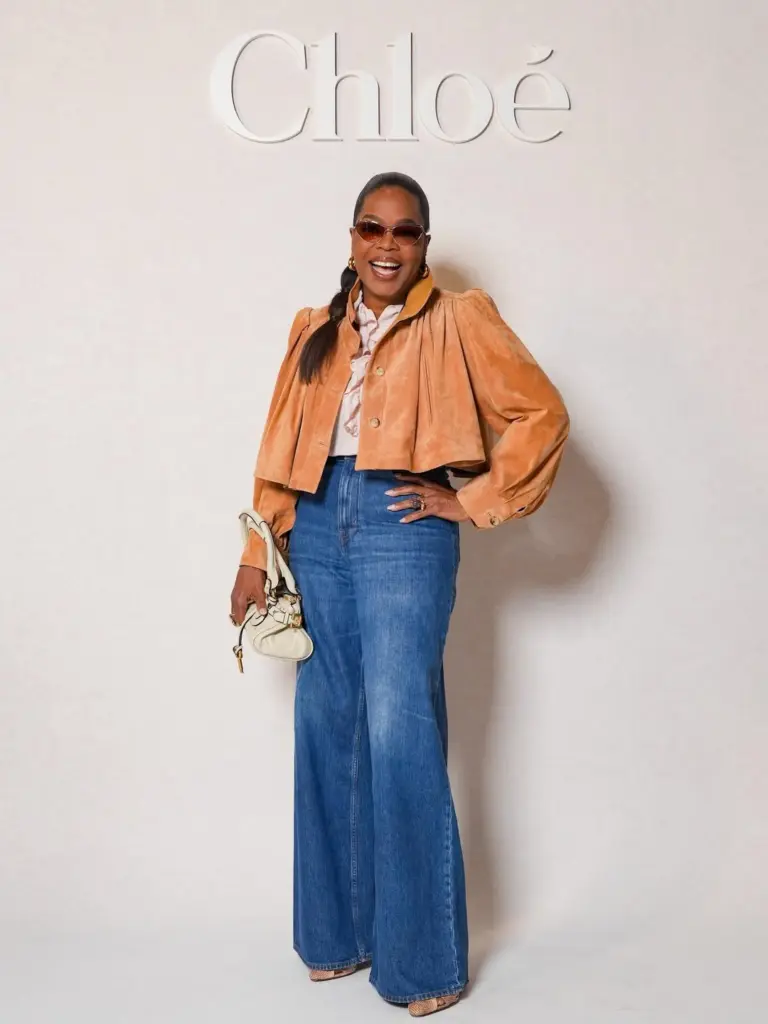
These women represent leadership at the highest level, shaping industries, steering global brands, and defining what modern luxury business looks like.
- Françoise Bettencourt Meyers: Heiress to the L’Oréal fortune and one of the world’s richest women, she remains a key figure in the group’s long-term legacy and philanthropic direction following her step back from the board in 2025.
- Oprah Winfrey: A media leader whose influence spans television, publishing, and philanthropy, with a lasting impact on global culture.
- Indra Nooyi: Former CEO of PepsiCo, widely recognised for redefining corporate leadership and strategy on a global scale.
- Arianna Huffington: Founder of The Huffington Post and a prominent voice in wellness and modern work culture.
- Whitney Wolfe Herd: Founder of Bumble, who returned as CEO in 2025, continuing to shape conversations around digital relationships and female-led tech entrepreneurship.
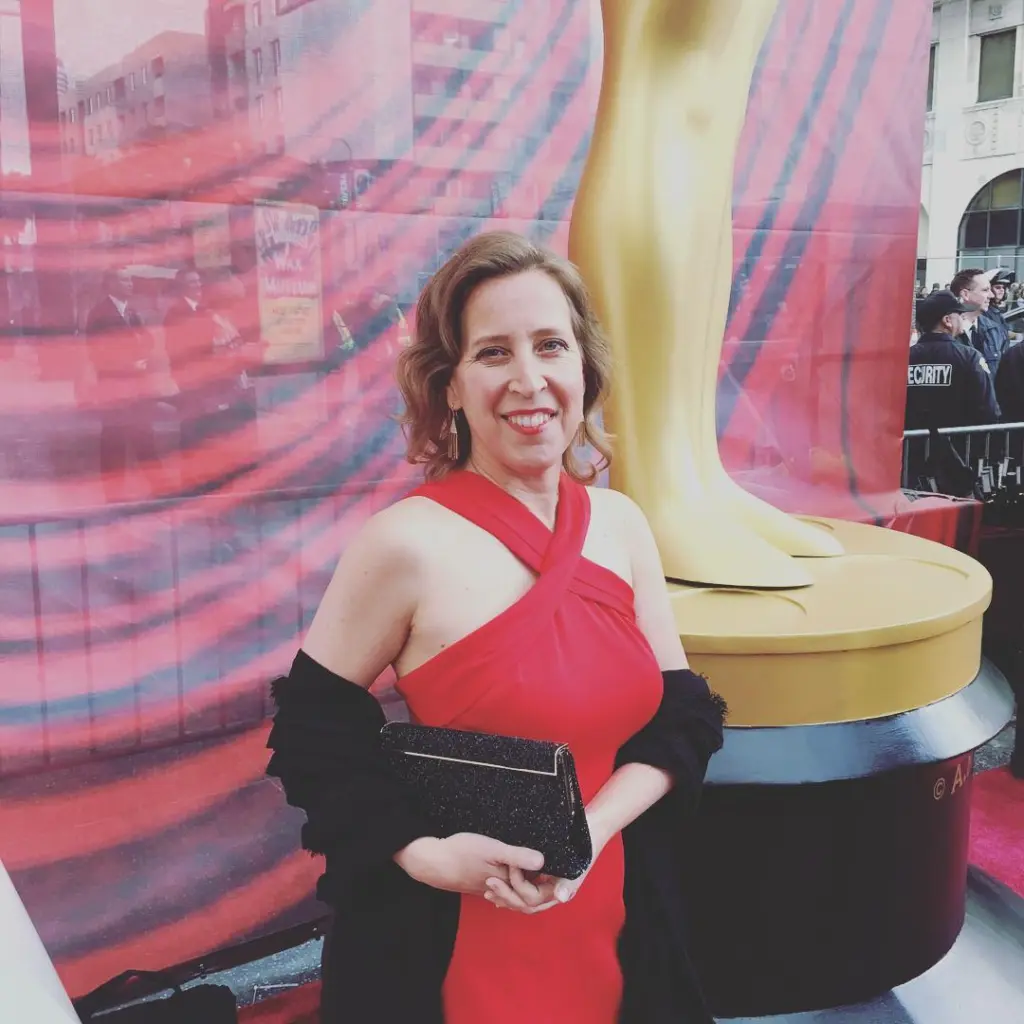
- Susan Wojcicki: The late former CEO of YouTube, whose leadership played a defining role in the evolution of digital media and the creator economy.
- Delphine Arnault: Chairman and CEO of Christian Dior Couture, and one of the most influential figures within the LVMH group, shaping the direction of modern luxury fashion.
- Leena Nair: Global CEO of Chanel, recognised for bringing a people-focused leadership style to one of the most iconic names in luxury.
- Francesca Bellettini: Appointed CEO of Gucci in 2025, she continues to play a pivotal role in shaping the future of one of fashion’s most prominent houses.
- Iris Apfel: The late fashion and design icon, celebrated for her distinctive aesthetic and lasting influence on style across generations.
Art and Collecting: Women Shaping the Cultural Landscape
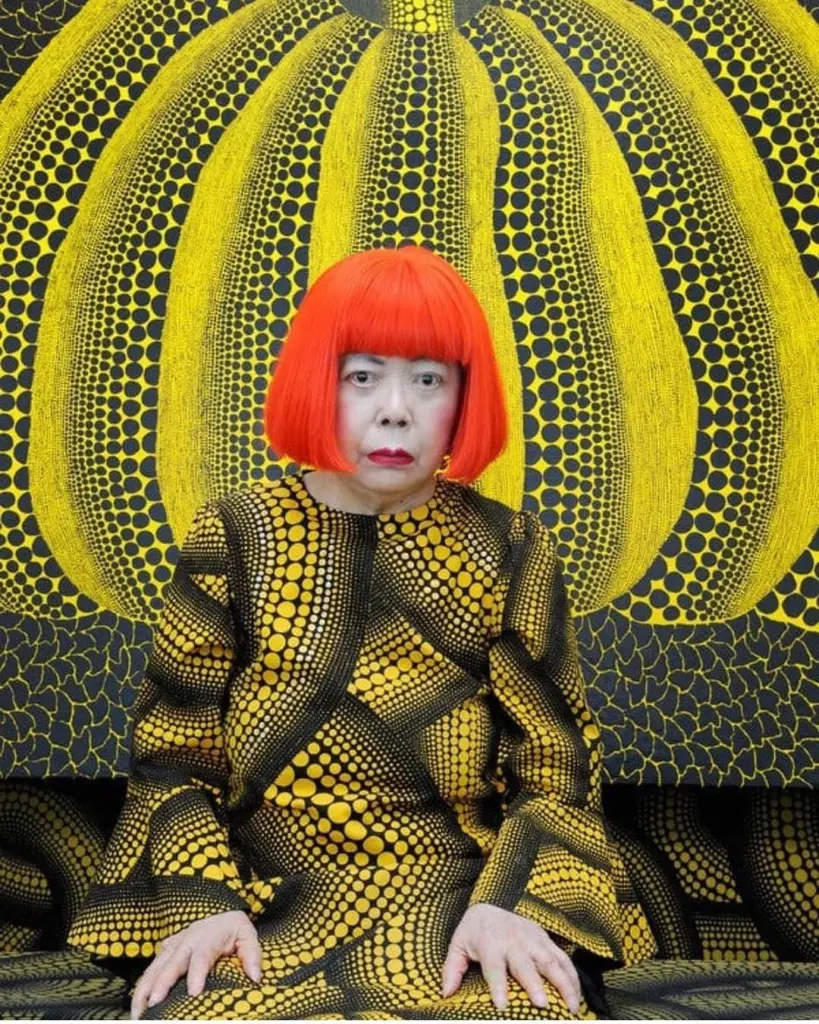
From pioneering collectors to contemporary artists, these women have defined cultural movements and continue to influence the art world and its place within luxury.
- Peggy Guggenheim: A visionary collector whose patronage helped shape the trajectory of modern art.
- Marina Picasso: An art patron dedicated to preserving and sharing the legacy of the Picasso name.
- Yayoi Kusama: A globally celebrated artist whose work continues to command attention across institutions and luxury collaborations alike.
- Carmen Busquets: A key investor in luxury e-commerce and fashion innovation, with a lasting influence on how luxury is experienced and consumed today.
- Frida Kahlo: A legendary artist whose work remains among the most sought-after in the global art market.
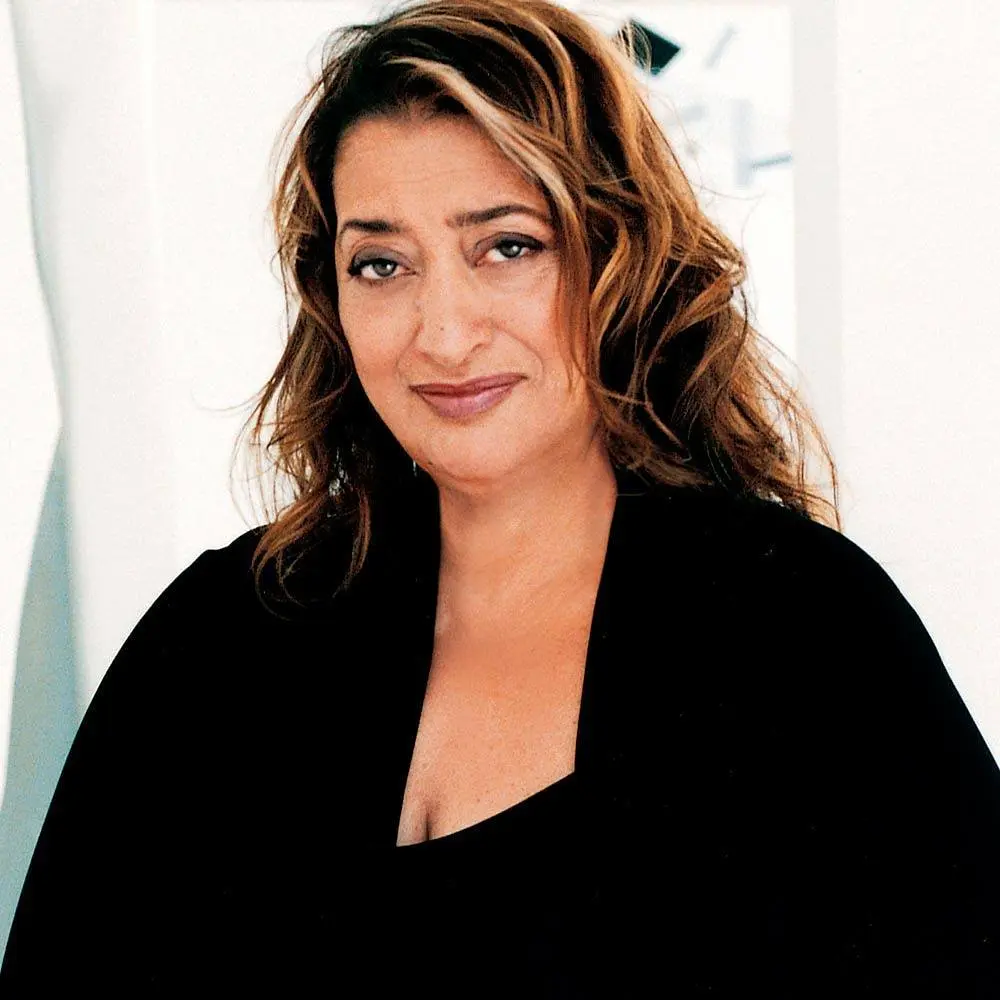
- Jenny Saville: One of the most valuable living female artists, known for her powerful and uncompromising figurative works.
- Patricia Phelps de Cisneros: A major force in promoting Latin American art within leading global collections.
- Louise Bourgeois: A defining sculptor whose work continues to anchor major museum collections worldwide.
- Zaha Hadid: The late architect whose visionary approach reshaped contemporary design and continues to influence the built environment.
Honoring Icons Globally
Across industries and generations, these women have shaped culture, business, and creativity with lasting impact. Their influence extends far beyond their respective fields, reflecting the broader significance of International Women’s Day as a moment to recognise progress while acknowledging the work still to be done.
As International Women’s Day continues to evolve, it remains a powerful reminder of the importance of advancing equality, amplifying voices, and supporting the next generation of women shaping the world.