


All products are independently selected by our editors. If you buy something, we may earn an affiliate commission.
The Presidents Cup brings many of the world’s leading golfers together for a team competition between the United States and an International Team drawn from outside Europe. Played through match play, it puts partnerships, captaincy and team momentum at the heart of the contest.
A changing roster of host courses adds to its appeal, taking the competition to notable golfing destinations around the world. For travelling spectators, premium hospitality and the wider destination make the Presidents Cup an appealing addition to the international sporting calendar.
Golf’s Global Team Contest
First played in 1994, the Presidents Cup is the PGA TOUR’s biennial international team competition. Twelve players represent the United States against a 12-player International Team comprising eligible golfers from outside the US and Europe, with European players competing separately against the US in the Ryder Cup.
Competition spans four-ball, foursomes and singles. Four-ball sees each player use their own ball, with the better score from each pairing counting on the hole. In foursomes, partners alternate shots with one ball, while singles are played head-to-head. A match win earns one point and a tie half a point for each side.

Teams are formed through automatic qualification and captain’s selections, giving captains scope to consider form, experience and potential partnerships when completing their line-ups.
The United States has historically dominated the competition. The International Team’s only outright victory came at Royal Melbourne in 1998, while the contest at Fancourt in South Africa ended in a tie. That competitive imbalance remains part of the event’s wider narrative.
The Courses That Shape the Contest
The Presidents Cup moves between American and international hosts, giving each staging a distinct character. Royal Melbourne, Muirfield Village, Liberty National, Quail Hollow and Royal Montreal are among the celebrated courses to have hosted the competition.
Match play makes the choice of course particularly interesting. Reachable par fives and short, risk-reward par fours can reward aggressive decisions, while routing determines which stretches are most likely to influence matches before they are decided.
The changing setting also introduces spectators to different golfing traditions and landscapes, ranging from Melbourne’s renowned Sandbelt to the parkland courses of North America.
The Presidents Cup Experience
Hospitality varies between host venues, but the highest tiers generally combine premium viewing with private or shared hospitality spaces, elevated dining and dedicated service. Private suites positioned around finishing holes, greens and other strategically important stretches are particularly suited to entertaining.

The most exclusive programmes can extend considerably further, with inside-the-ropes opportunities, course walk-throughs and concierge services among the enhancements offered at certain stagings. Exact inclusions vary, making the official hospitality programme the best reference when choosing the highest level of access.
Position matters as much as the hospitality itself. Greens, tee boxes and elevated areas overlooking several holes can offer more opportunities to see meaningful play than a suite focused on one isolated part of the course.
Grounds admission provides the freedom to follow particular pairings, while combining mobile course viewing with access to a premium hospitality base can offer a strong balance of golf and comfort.
Practice days tend to be quieter. Competitive sessions bring the partnerships and tactical decisions that distinguish the Presidents Cup, while final-day singles offer the greatest likelihood of seeing the overall contest decided.
Making a Trip of the Presidents Cup
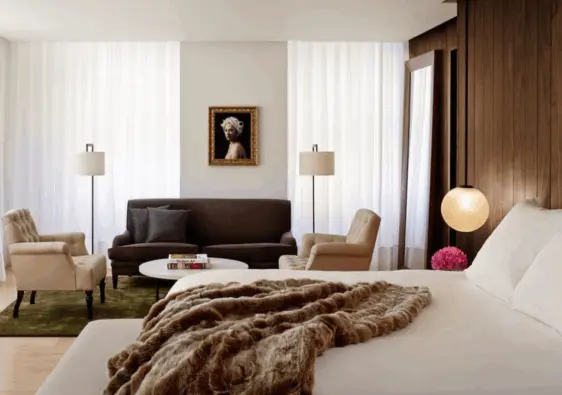
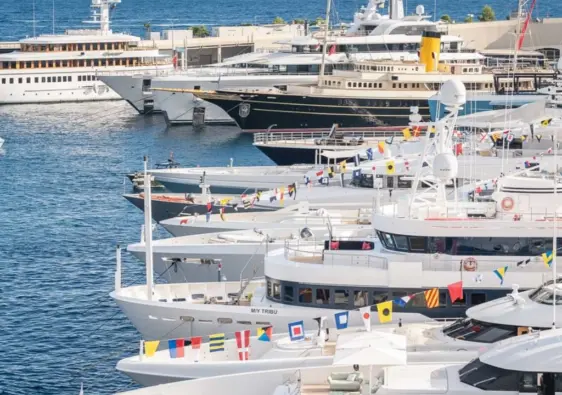
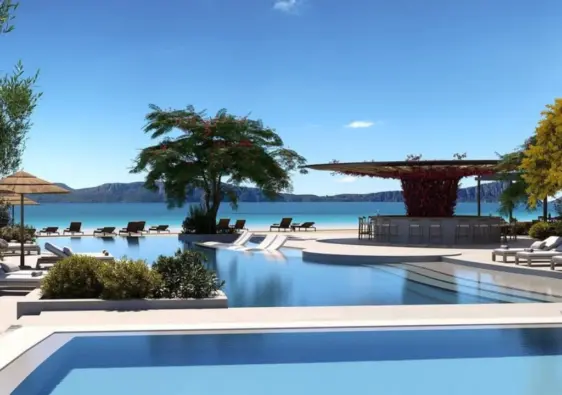
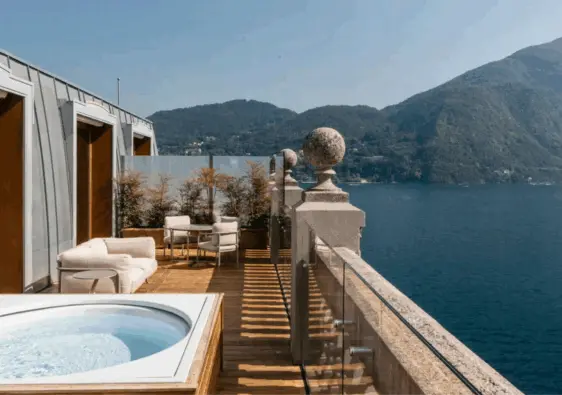
The tournament’s rotating venues make the destination an important consideration when planning a visit. New York, Montreal and Melbourne demonstrate the calibre and variety of cities that have formed part of previous Presidents Cup trips, while other host courses lend themselves to a more dedicated golf escape. The strongest accommodation choice is therefore not necessarily the hotel closest to the course.
For a luxury-focused stay, prioritising the leading hotels or resorts within the wider destination can preserve access to exceptional suites, restaurants, spas and evening options. Private transfers make this easier when the course sits farther afield.
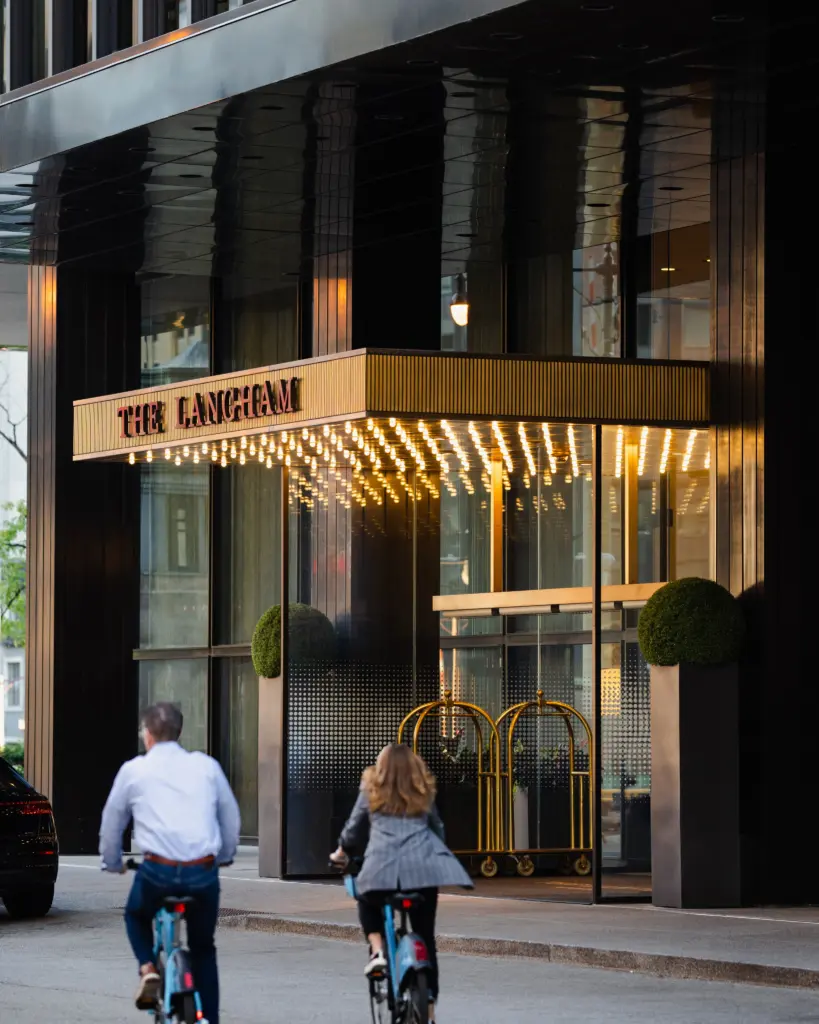
Time away from the golf is best kept selective. A private architectural tour in a major city, an acclaimed tasting-menu dinner or an afternoon at a leading destination spa can complement the tournament without crowding the itinerary.
The changing hosts also allow repeat visitors to experience the competition in a different setting rather than recreating the same sporting trip every two years.
Arriving, Dressing and Getting Around
Host-course location should shape transport planning. Chauffeur-driven transfers are often the simplest option when staying farther afield, while dedicated shuttles, park-and-ride facilities and rail connections may provide convenient alternatives depending on the venue.
Golf-appropriate separates, comfortable footwear and adaptable layers suit most tournament days, with the destination and forecast determining the specifics. Premium hospitality does not eliminate the considerable time spectators can spend outdoors or walking between viewing positions.
Bag restrictions, permitted items, and mobile-phone policies can change between stagings, so it’s important to check the latest official guidance before attending.
A Defining Week in Team Golf
The Presidents Cup brings a distinctive team dynamic to elite golf, with match play, partnerships and changing host courses giving each staging its own character. For luxury travellers, world-class competition, premium hospitality and varied international destinations make it a compelling fixture on the sporting calendar.