

All products are independently selected by our editors. If you buy something, we may earn an affiliate commission.
For many visitors, Cornwall is defined by its coastline. Harbour towns, surf beaches, cliff-top walks, and seafood restaurants tend to dominate the conversation. A visit to Camel Valley offers a different perspective on the county, one shaped by rolling countryside, vineyard-covered slopes, and a quietly confident wine culture that has developed over several decades.
Set near Nanstallon, a short drive from Bodmin, Camel Valley has become one of the most recognised names in English wine. Its bottles appear on restaurant wine lists throughout the country, yet the vineyard itself retains the relaxed atmosphere of a family-run estate. The experience feels distinctly Cornish, grounded in its landscape and refreshingly free from unnecessary ceremony.
Among The Vines Of The Camel Valley
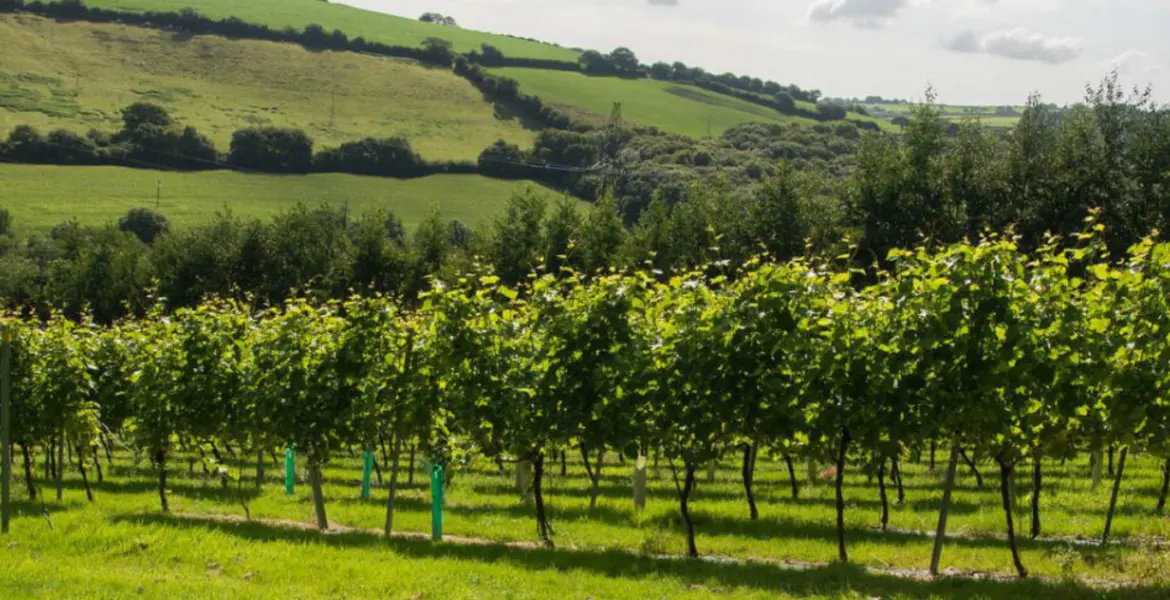
The approach to Camel Valley is part of its appeal. Narrow country roads wind through farmland before opening onto sunlit slopes overlooking the valley. The vineyard sits in a sheltered position near the River Camel, where conditions have proven unusually favourable for viticulture.
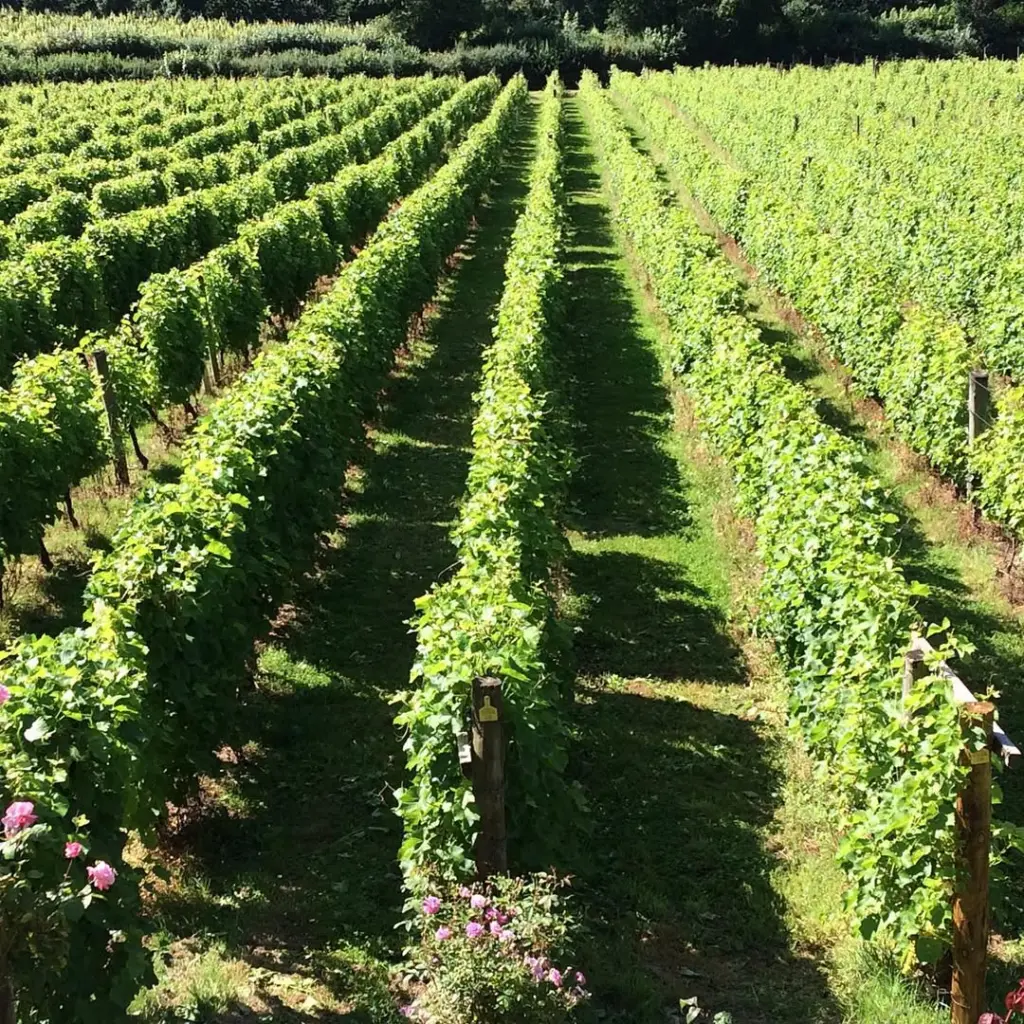
Rows of vines follow the contours of the landscape, creating a scene that feels unexpectedly continental on a warm summer morning. The views extend across green hills and patchwork fields rather than dramatic coastlines, offering a quieter side of Cornwall that many visitors never encounter.
Unlike some vineyard destinations that have grown into sprawling visitor attractions, Camel Valley remains focused on wine and place. The setting does much of the work. There is no need for elaborate staging when the landscape already provides such a strong sense of arrival.
The Family Behind Cornwall’s Best-Known Vineyard

Camel Valley’s story begins in 1989, when former RAF pilot Bob Lindo and his wife Annie planted their first vines after recognising the potential of the sun-drenched slopes surrounding their farm.
What followed helped shape the modern reputation of Cornish wine. Through decades of experimentation, investment, and persistence, the family established a vineyard that would go on to earn national and international recognition. Today, second-generation winemaker Sam Lindo oversees production, continuing a family involvement that remains visible throughout the estate.
That continuity greatly contributes to the atmosphere visitors experience. Camel Valley feels like a working vineyard first and a visitor attraction second. Conversations naturally return to the vineyard, the growing season, and the challenges of producing wine in England’s climate.
A Morning In The Winery
The guided tour provides the best introduction to Camel Valley.
Visits typically begin among the vines before moving through the winery itself. Guests learn about the annual cycle of the vineyard, from pruning and budburst through to harvest. The winery tour then explains how grapes are transformed into both still and sparkling wines, with particular attention given to the traditional-method sparkling wines that have become Camel Valley’s signature.
The experience remains accessible regardless of prior wine knowledge. Technical details are presented clearly, and the emphasis stays firmly on understanding how the wines are made rather than overwhelming visitors with terminology.
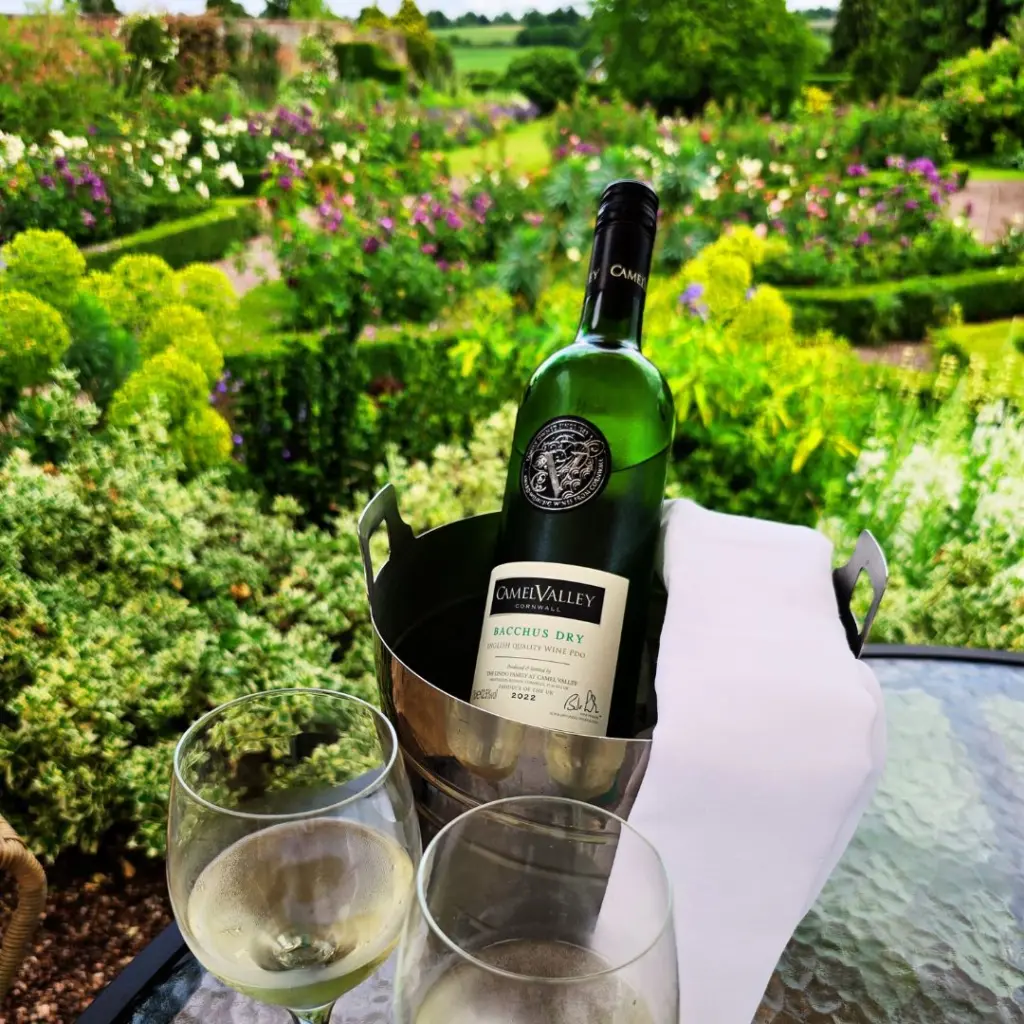
The tasting that follows is a highlight. Rather than rushing through samples, guests are encouraged to spend time with each wine while learning about the characteristics that define the estate’s style. The flagship Cornwall Brut is usually among the wines presented, alongside other notable sparkling and still releases.
What stands out most is the enthusiasm of the people leading the experience. There is evident pride in the vineyard’s achievements, but the atmosphere remains welcoming and unpretentious throughout.
The Pleasure Of Staying A While
The terrace is where many visitors end up spending longer than originally planned.
Overlooking the vineyard, it offers one of the most enjoyable places in Cornwall to sit with a glass of wine on a sunny afternoon. The pace naturally slows here. Guests settle into the view, watch the light move across the valley, and enjoy a side of Cornwall that feels removed from the county’s busier coastal hotspots.
Wine is available by the glass, allowing visitors to revisit favourites discovered during a tasting or simply enjoy a leisurely drink while taking in the surroundings.
The appeal lies in the simplicity of the experience. There are no grand gestures required. A glass of sparkling wine, a terrace seat, and a view across the vines prove entirely sufficient.
Bottles That Shaped A Reputation

Camel Valley’s reputation has been built primarily on sparkling wine.
The Cornwall Brut remains the estate’s best-known expression, combining freshness, bright acidity, and the crisp character that has become closely associated with English sparkling wine. It serves as an excellent introduction to the house style.
The Pinot Noir Rosé Brut has achieved particular acclaim over the years and remains one of the vineyard’s most sought-after wines. Elegant and expressive, it showcases delicate red-fruit character while maintaining the freshness expected of premium English sparkling wine.
Beyond the sparkling range, Camel Valley also produces respected still wines. The Darnibole Bacchus has developed a loyal following for its aromatic profile and vibrant character, while other still wines demonstrate the breadth of what can be achieved in Cornwall’s evolving wine landscape.
For visitors discovering English wine for the first time, Camel Valley provides a compelling introduction to the category. For those already familiar with the country’s leading producers, it offers an opportunity to experience one of the estates that helped establish the sector’s reputation.
Beyond The Vineyard Gates
Camel Valley fits easily into a broader exploration of North Cornwall.
The Camel Trail, one of the region’s most popular cycling and walking routes, passes nearby and provides a scenic way to experience the surrounding countryside. Many visitors combine a vineyard visit with time in Padstow, where restaurants associated with Rick Stein and Paul Ainsworth continue to draw food-focused travellers from across the country.
The harbour at Padstow, the beaches around Rock, and the wider Camel Estuary all sit within comfortable reach, making Camel Valley an easy addition to a day that combines food, wine, and coastal scenery.
For those spending several days in the region, the vineyard offers a welcome change of pace from Cornwall’s shoreline attractions. It introduces visitors to a landscape that is every bit as compelling as the coast, though considerably less crowded.
A Vineyard That Changed The Conversation
English wine has developed rapidly in recent years, with new vineyards appearing across the country and increasing international recognition for domestic producers.
Long before that wider momentum gathered pace, Camel Valley was demonstrating what could be achieved in Cornwall. The vineyard helped establish confidence in a region that few associated with winemaking and contributed to the broader reputation now enjoyed by English sparkling wine.
Yet the estate’s enduring appeal is not found solely in its awards or achievements. It lies in the experience itself: walking among the vines, learning from people who know the land intimately, and sitting on a terrace overlooking one of Cornwall’s most unexpected landscapes.
For visitors seeking a different perspective on Cornwall, Camel Valley remains one of the county’s most rewarding discoveries.
Location: Nanstallon, Bodmin PL30 5LG