

All products are independently selected by our editors. If you buy something, we may earn an affiliate commission.
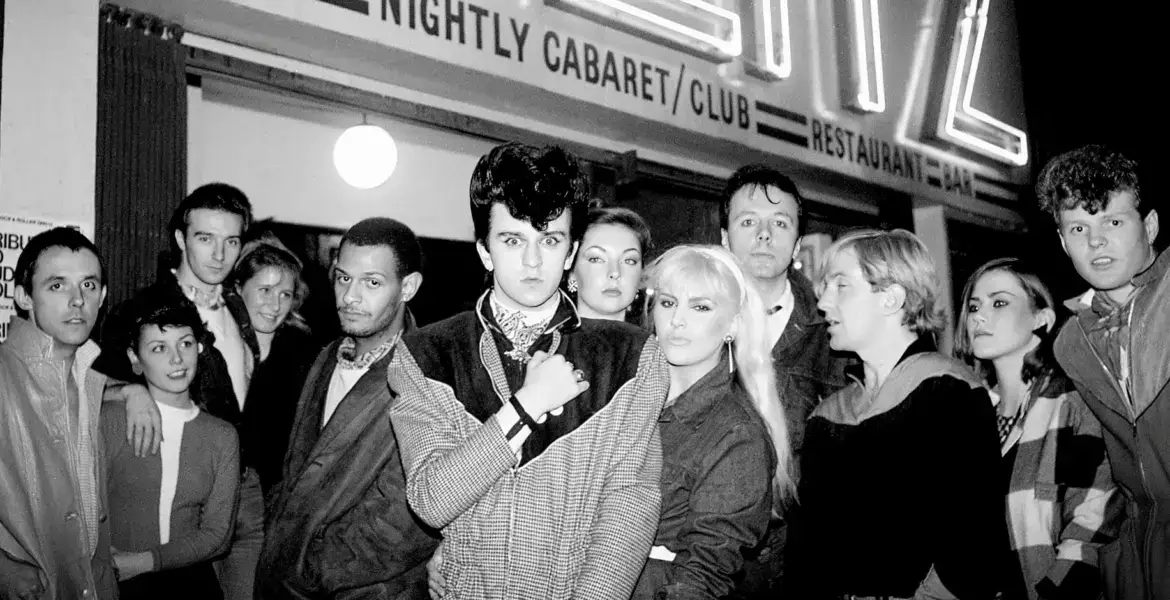
On certain evenings in 1979, a small wine bar in Covent Garden slipped into an entirely different identity. Inside, the lights were softer, the colours richer, and the atmosphere carried a sense of anticipation. Anyone who stepped through the door entered a world where self-expression mattered more than convention. The Blitz Club quickly became a place where young creatives reinvented themselves with every outfit.
The Design Museum’s new exhibition of Blitz: the club that shaped the 80s, brings that spirit back to life. It offers a chance to revisit the night where so much of the decade’s style began and to experience the energy that shaped one of fashion’s most influential eras.
The Club That Marked a Turning Point
Blitz arrived during a period when London felt restless. Punk had made its mark, but its raw defiance was giving way to a desire for something more imaginative. At the same time, economic and political tensions were reshaping daily life. A generation of young artists, designers, and musicians responded to this uncertainty by creating their own universe inside Blitz.
It became a place where dressing up was part of the ritual. People arrived with outfits assembled throughout the week, often handmade, and always rooted in creativity rather than trend. This was the beginning of a cultural shift that gave London a new identity.
Style That Became a Movement
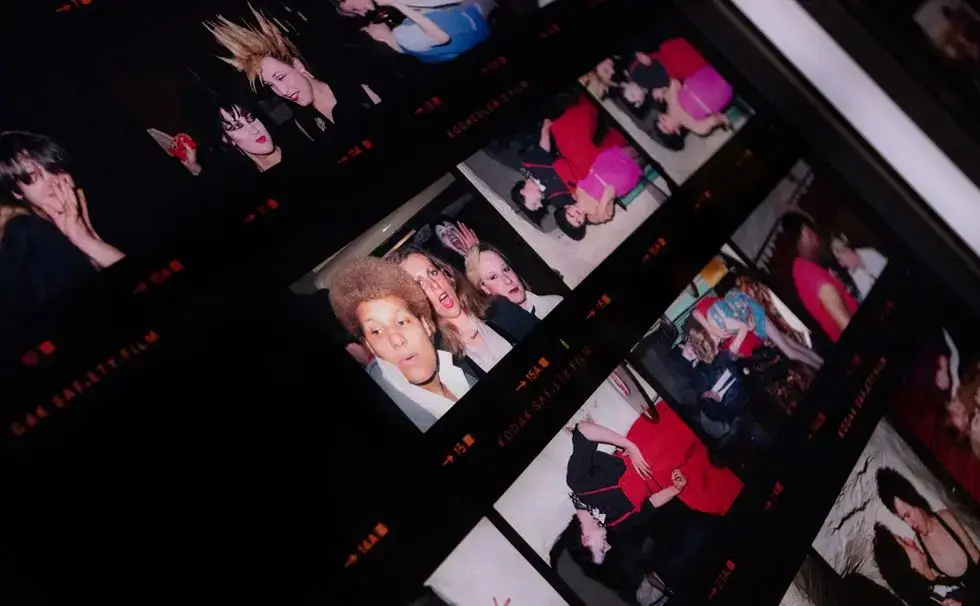
The looks that emerged from Blitz felt different from anything else happening in the city. Here, fashion blended with theatre and performance. Makeup became a canvas for experimentation. Androgyny was embraced without hesitation. Silhouettes stretched the imagination.
This was the foundation of what would become the New Romantic movement. The spirit of the club soon travelled far beyond its walls and influenced couture collections, fashion editorials, music videos, and the visual language of the decade. The exhibition highlights how this style developed and how it reshaped the idea of glamour.
The People Who Left a Mark
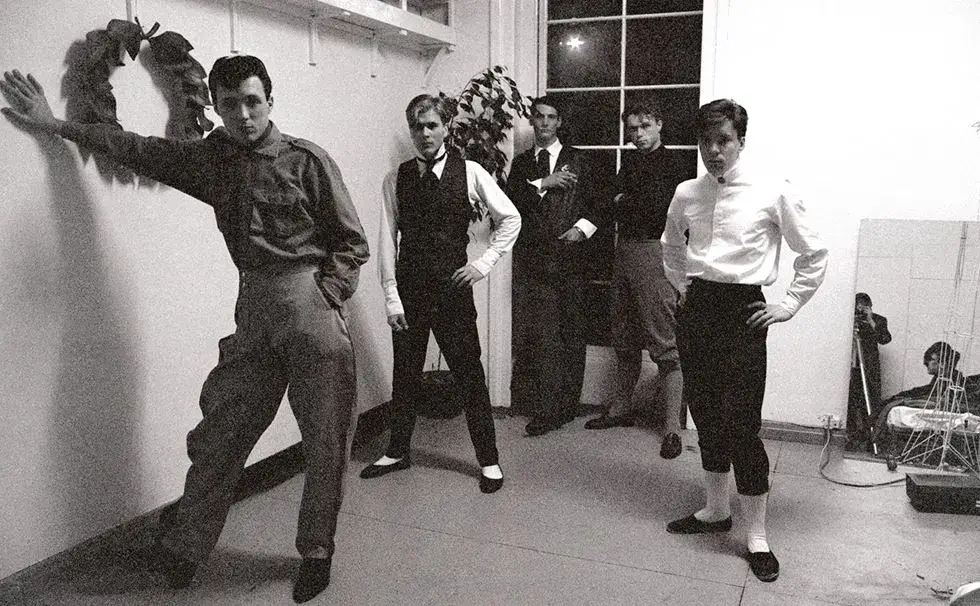
The names connected to Blitz offer a clear sense of its impact. Milliner Stephen Jones honed his sculptural approach during his nights here. Boy George found early recognition in this setting. Members of Spandau Ballet established their creative direction within the club’s orbit.
Blitz also attracted a wide circle of emerging stylists, photographers, and designers whose work would later influence magazines, runways, and stage performances. Their contributions give the exhibition its emotional weight. It is a reminder that cultural movements are often built by people who were simply following their instincts.
Inside the Exhibition at the Design Museum
The Design Museum presents the story of Blitz with a balance of atmosphere and detail.
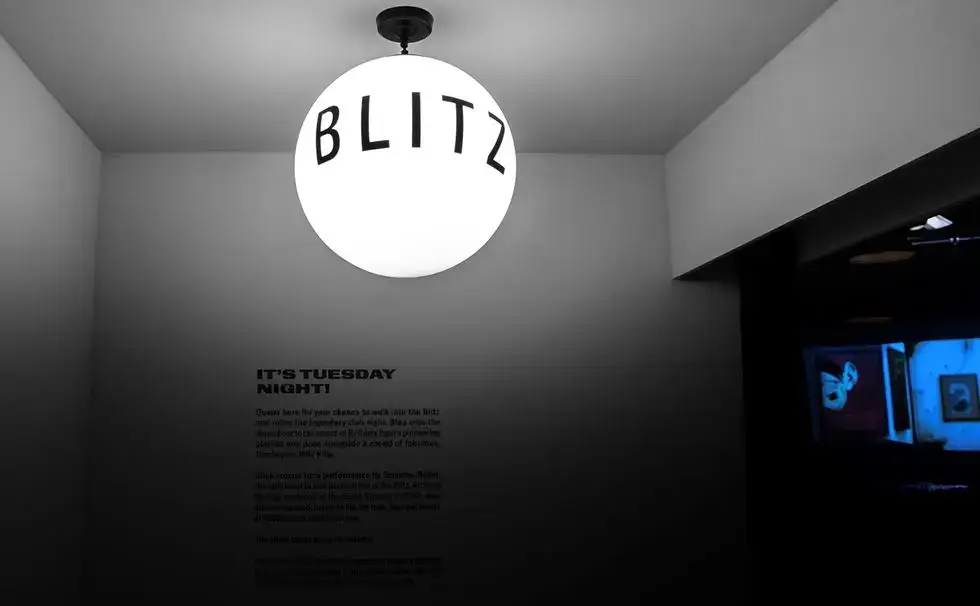
Visitors walk through a space that evokes the look and feel of the original club. Film, lighting, and music recreate the sense of stepping into a night shaped entirely by imagination.
More than 250 items are displayed throughout the gallery. These include garments, accessories, hand-drawn sketches, early photography, flyers, and personal keepsakes that carry the personality of the people who wore or created them. Archival footage and audio recordings deepen the sense of connection to the era.
The exhibition does not try to recreate the past in a literal way. Instead, it offers a clear and thoughtful look at the creativity that defined Blitz.
Why Blitz Still Matters
The influence of Blitz continues to appear in the fashion and cultural landscape. It shows how style can grow from a community of people who are willing to take risks and express themselves fully.
The exhibition gives club culture the recognition it deserves by presenting it as part of design history. It highlights how craftsmanship, individuality, and bold imagination shaped the luxury aesthetics we recognise today. For a contemporary audience, it becomes a reflection on where ideas come from and why certain moments leave a lasting mark.
A Guide for Planning Your Visit
A well-considered visit can make the experience even more memorable. Late afternoon or early evening visits often feel more atmospheric, especially when the galleries are quieter. Kensington provides plenty of options for dinner or a relaxed drink after the exhibition, which can help the experience unfold gradually rather than abruptly.
Take your time with the details. Many of the garments and accessories were handmade by the people who wore them. Their individuality is part of what makes the exhibition so compelling.
The reconstructed club space is worth lingering in. Its atmosphere builds slowly and reveals its details with each circuit of the room.
A Look Toward What Comes Next
Blitz was a place where people embraced transformation and creativity with openness and joy. The Design Museum’s exhibition captures this feeling with clarity.
For the luxury-minded, the story of Blitz offers a reminder that true style often comes from instinct and experimentation rather than perfection. It celebrates the people who dared to express themselves fully and shows how their ideas continue to echo in the worlds of fashion, art, and popular culture.