

All products are independently selected by our editors. If you buy something, we may earn an affiliate commission.
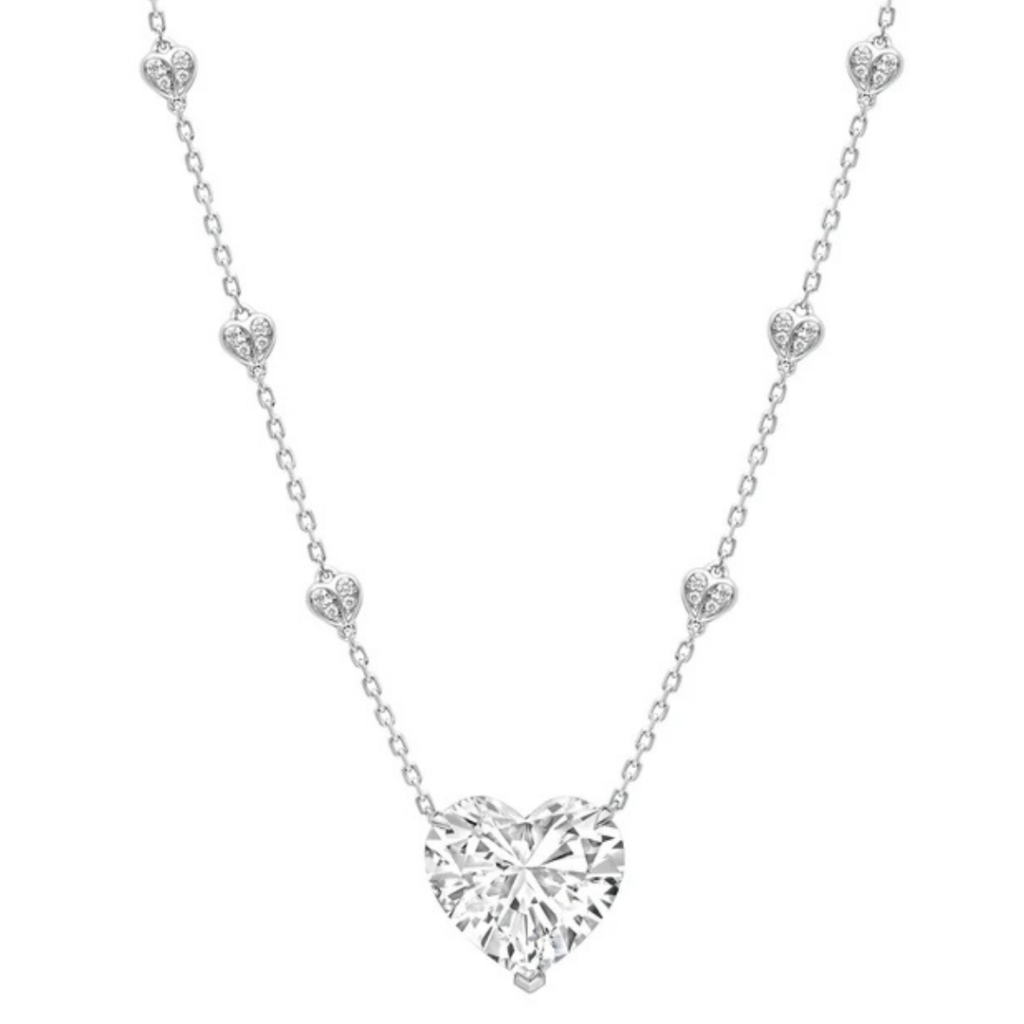
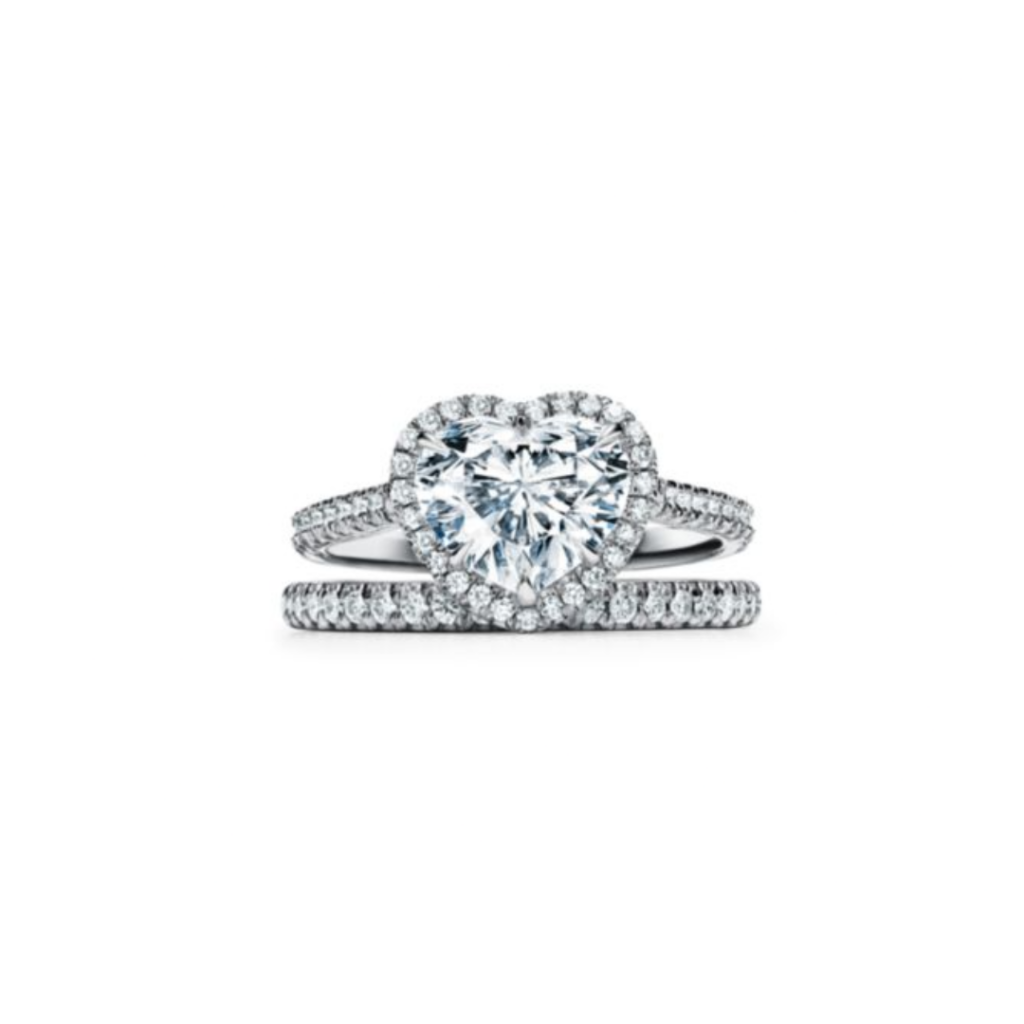
Heart-shaped diamonds are a timeless symbol of love and devotion, celebrated for their distinctive design and rich heritage. Whether you’re purchasing an engagement ring, an anniversary gift, or a showstopping piece for your collection, a heart diamond makes a romantic statement like no other.
This guide provides everything you need to know about what to consider when purchasing a heart-shaped diamond, from its fascinating history to expert buying tips, so you can invest in a piece as exceptional as your love story.
The History of the Heart-Shaped Diamond
The heart-shaped diamond dates back to the Renaissance, where it emerged as a cherished symbol of love and exclusivity. The first recorded references to a heart-shaped diamond cut appear in correspondence from 1463, associated with Galeazzo Maria Sforza, Duke of Milan, and his confidant Nicodemo, indicating early experimentation with romantic gemstone forms.
By the 16th century, this elegant shape had gained favour among European royalty. Mary, Queen of Scots, is believed to have sent a heart-shaped diamond ring to Queen Elizabeth I in 1562 as part of diplomatic gift exchanges, while Cardinal de Richelieu was said to have owned a notable heart-shaped diamond during the Baroque period.
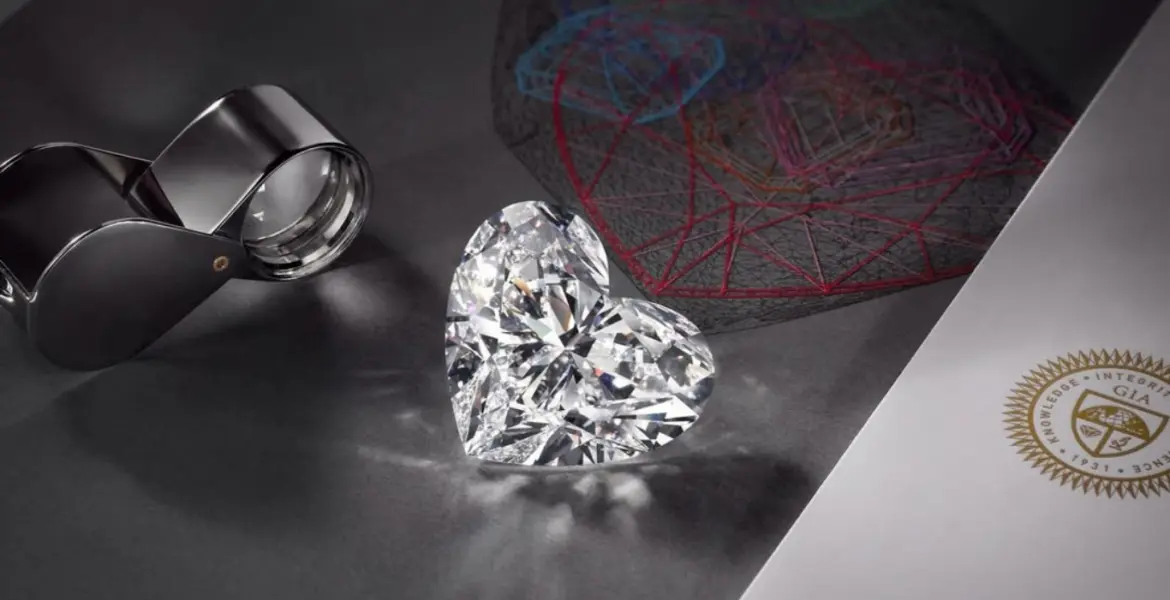
Among the most celebrated modern examples is the Graff Venus, a 118.78-carat D-colour, Flawless, Type IIa heart-shaped diamond, widely recognised as the largest GIA-certified diamond of its kind. Another is the Heart of Eternity, a 27.64-carat Fancy Vivid Blue diamond unveiled by De Beers in 2000. These remarkable gems reflect the enduring allure of the heart shape, a design that continues to captivate jewellery lovers worldwide.
Understanding the 4 Cs for Heart-Shaped Diamonds
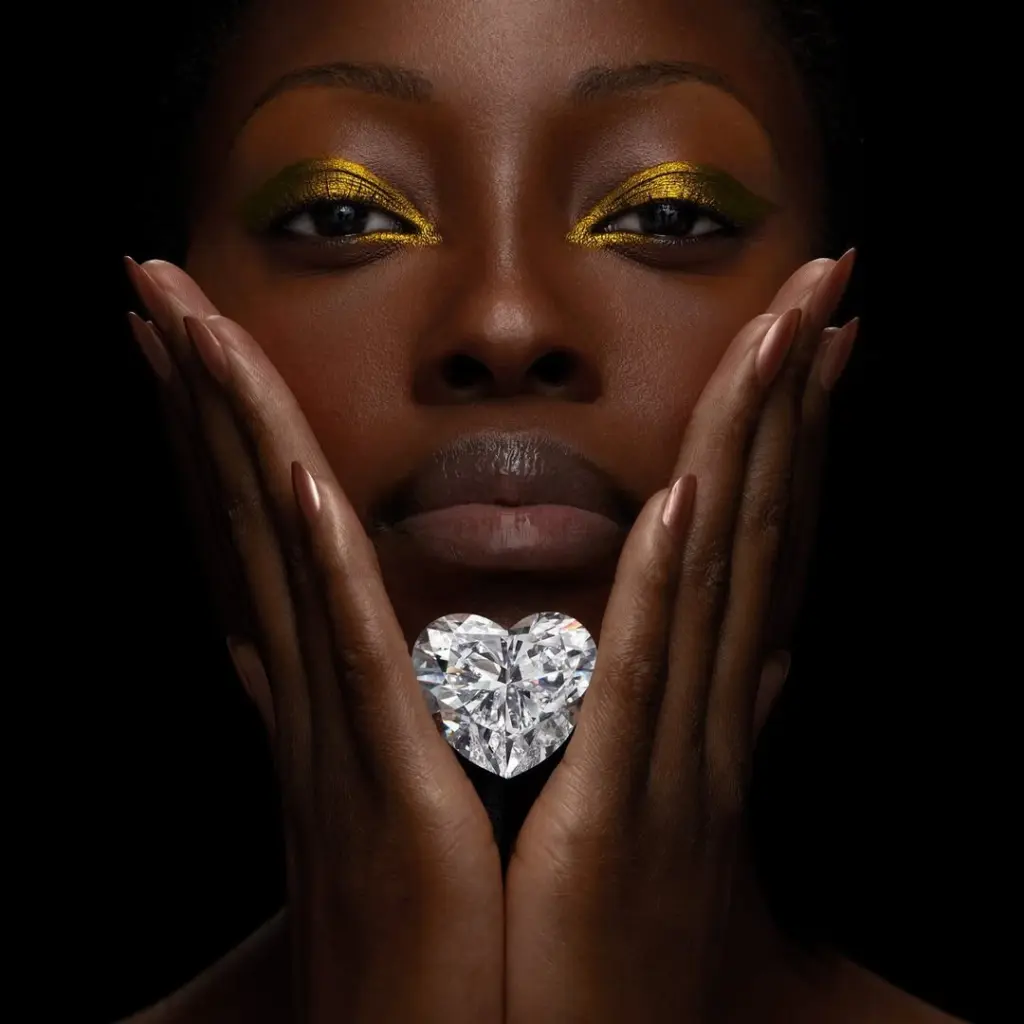
Heart-shaped diamonds are among the most challenging cuts to perfect and require exceptional craftsmanship to achieve optimal symmetry, brilliance, and visual balance. When purchasing a heart-shaped diamond ring, consider the following:
1. Cut
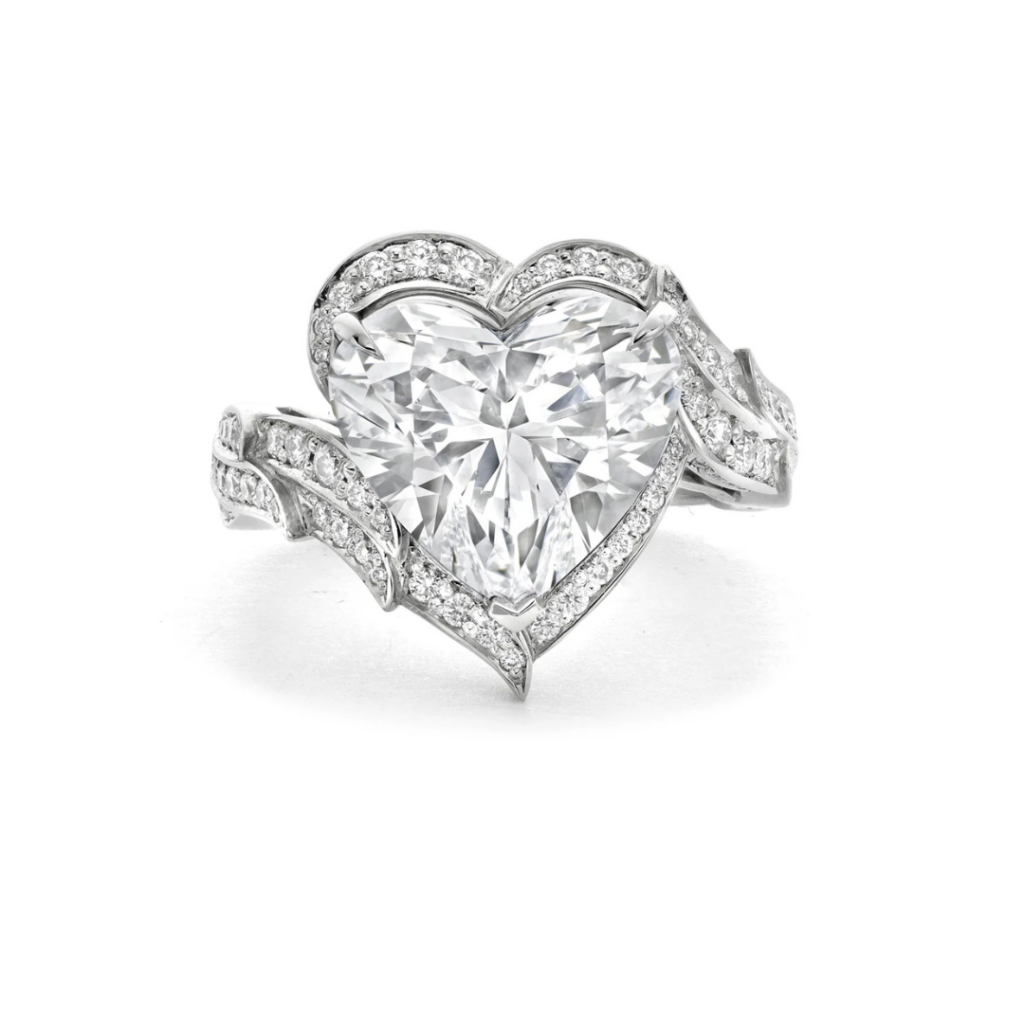
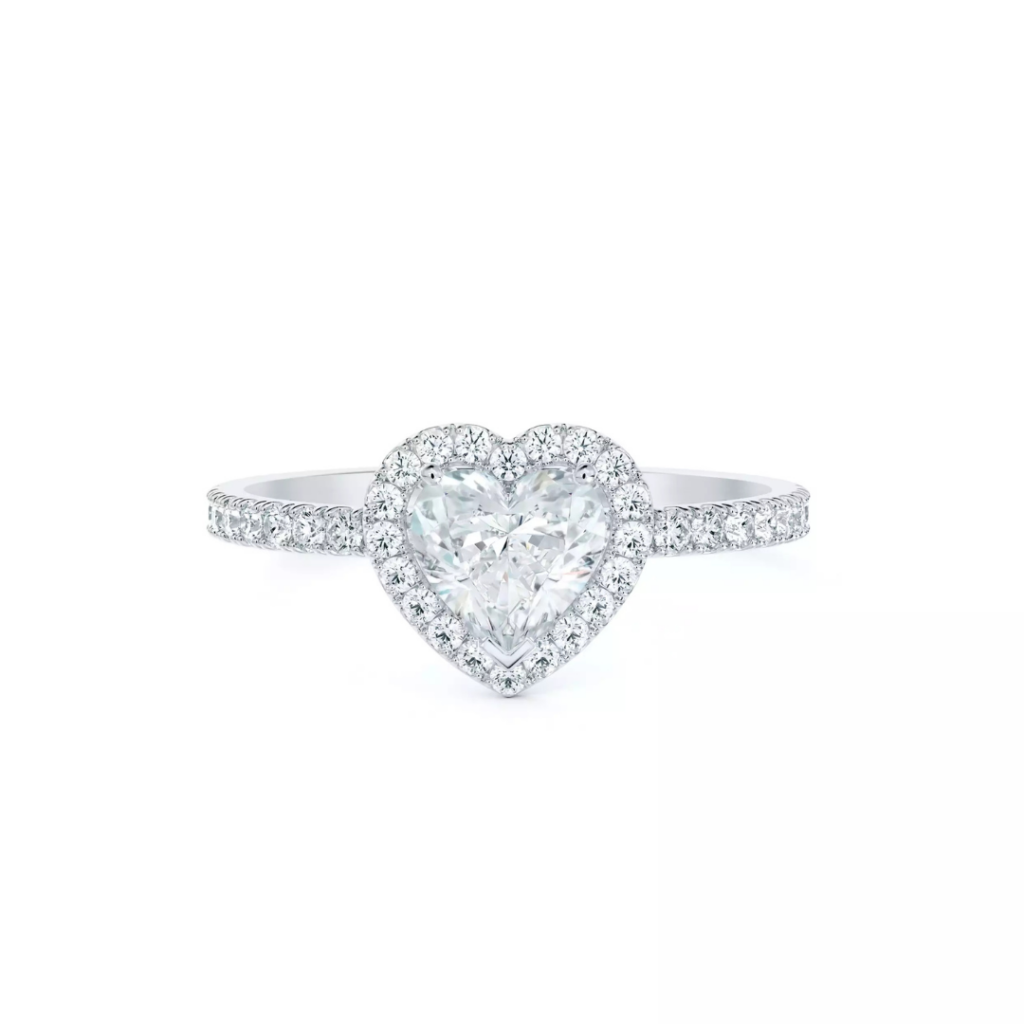
The cut defines the diamond’s brilliance and overall appearance. A well-cut heart-shaped diamond will display a symmetrical cleft, evenly rounded lobes, and a precisely aligned point. Most experts recommend a length-to-width ratio between 0.90 and 1.10, depending on whether a slightly elongated or wider silhouette is preferred.
Attention should also be paid to symmetry, polish, and the clarity of the heart outline, as even minor proportion flaws are easily visible in this shape.
2. Carat
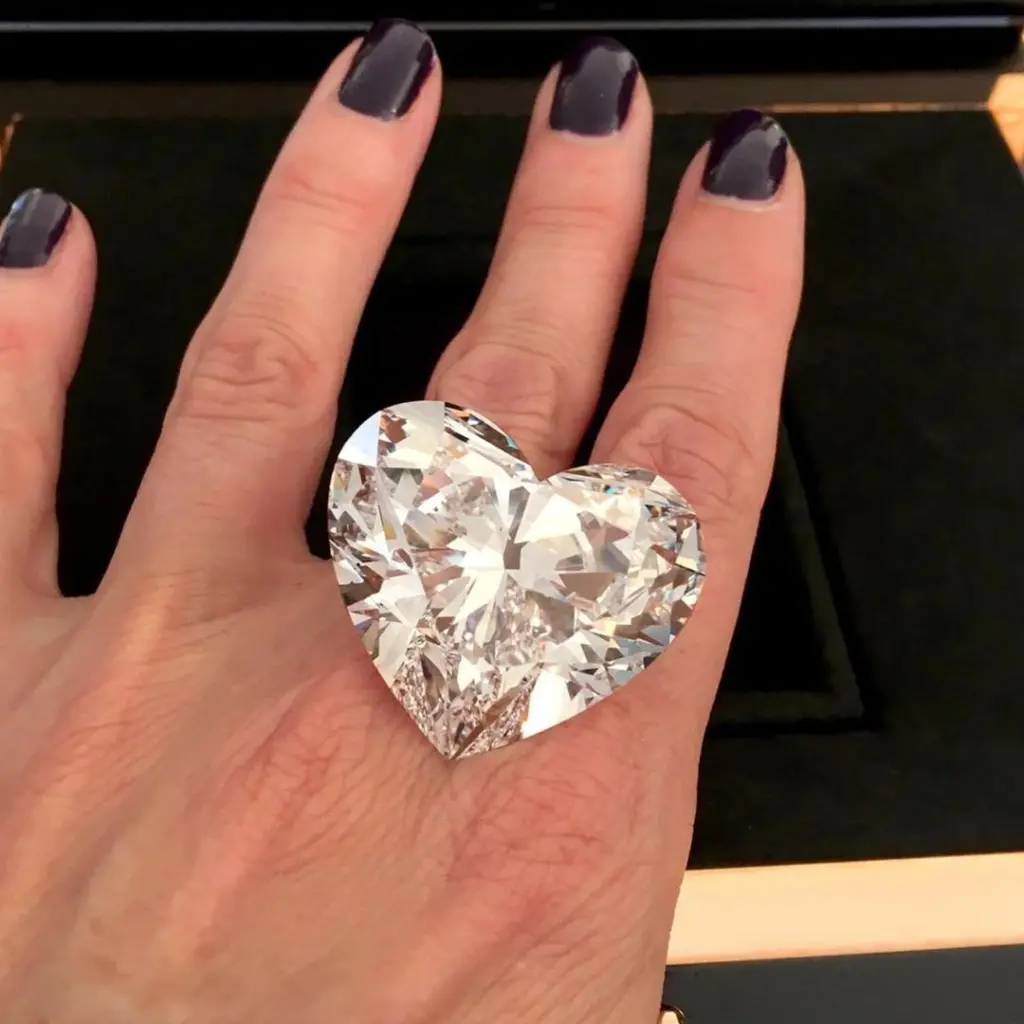
Because of their distinctive outline, heart-shaped diamonds can sometimes appear smaller than other cuts of the same weight. As carat size increases, the heart silhouette generally becomes more pronounced. Many buyers begin to notice the shape more clearly from around one carat upward, depending on proportions and setting design.
Larger stones naturally offer greater visual impact, but well-proportioned smaller diamonds can also display exceptional presence.
3. Clarity
With their relatively open tables, inclusions may be more noticeable in heart-shaped diamonds. Rather than focusing solely on technical grades, aim for stones that appear eye-clean when viewed face-up. VS2 clarity often represents a strong balance of quality and value, though each diamond should be assessed individually.
4. Colour
The heart shape can accentuate colour, particularly in larger stones. In white metals such as platinum or white gold, many buyers prefer G or H colour and above for a bright appearance. In yellow or rose gold settings, slightly lower colour grades may still appear beautifully warm and harmonious.
Type I and Type II Diamonds
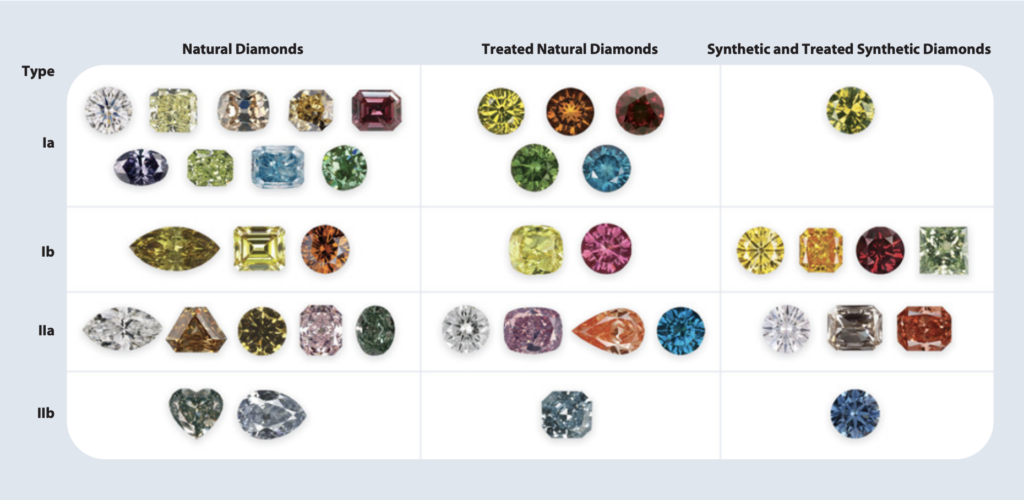
Diamonds are classified into two main categories: Type I and Type II, based on their chemical composition. The vast majority of natural diamonds are Type I, with Type Ia alone accounting for roughly 95 per cent of stones in circulation.
Type II diamonds are considerably rarer and are valued for their exceptional purity.
- Type IIa Diamonds: These diamonds contain no measurable nitrogen or boron and are renowned for their transparency and brilliance. Many of the world’s most famous colourless, pink, and brown diamonds belong to this category.
- Type IIb Diamonds: Containing traces of boron, Type IIb diamonds exhibit blue or grey hues and possess mild electrical conductivity. The legendary Hope Diamond is a notable example.
Due to their rarity, Type II diamonds often command significant premiums in the high jewellery market.
Natural vs Lab-Grown Heart-Shaped Diamonds
As laboratory-grown diamonds gain visibility, many buyers now consider natural and lab-created heart-shaped stones side by side.
Within the luxury and collector market, natural diamonds remain the primary choice, valued for their geological rarity, established resale performance, and enduring prestige. Exceptional natural heart-shaped diamonds, particularly those with strong colour, clarity, and provenance, continue to command premium prices through leading maisons and at auction.
Lab-grown heart-shaped diamonds, produced using advanced technological processes, offer visual consistency and more accessible pricing. They appeal to buyers prioritising size, sustainability narratives, or short-term affordability and are typically accompanied by IGI or GIA certification.
However, long-term collectability remains a key distinction. Natural diamonds benefit from a mature secondary market supported by auction houses and heritage jewellers, while lab-grown stones currently show limited value retention. As a result, most high jewellery ateliers continue to reserve natural diamonds for flagship and bespoke creations.
For buyers seeking lasting value and historical significance, natural heart-shaped diamonds remain the preferred choice, with lab-grown alternatives serving as an entry point to fine diamond aesthetics.
Fancy-Coloured Heart-Shaped Diamonds
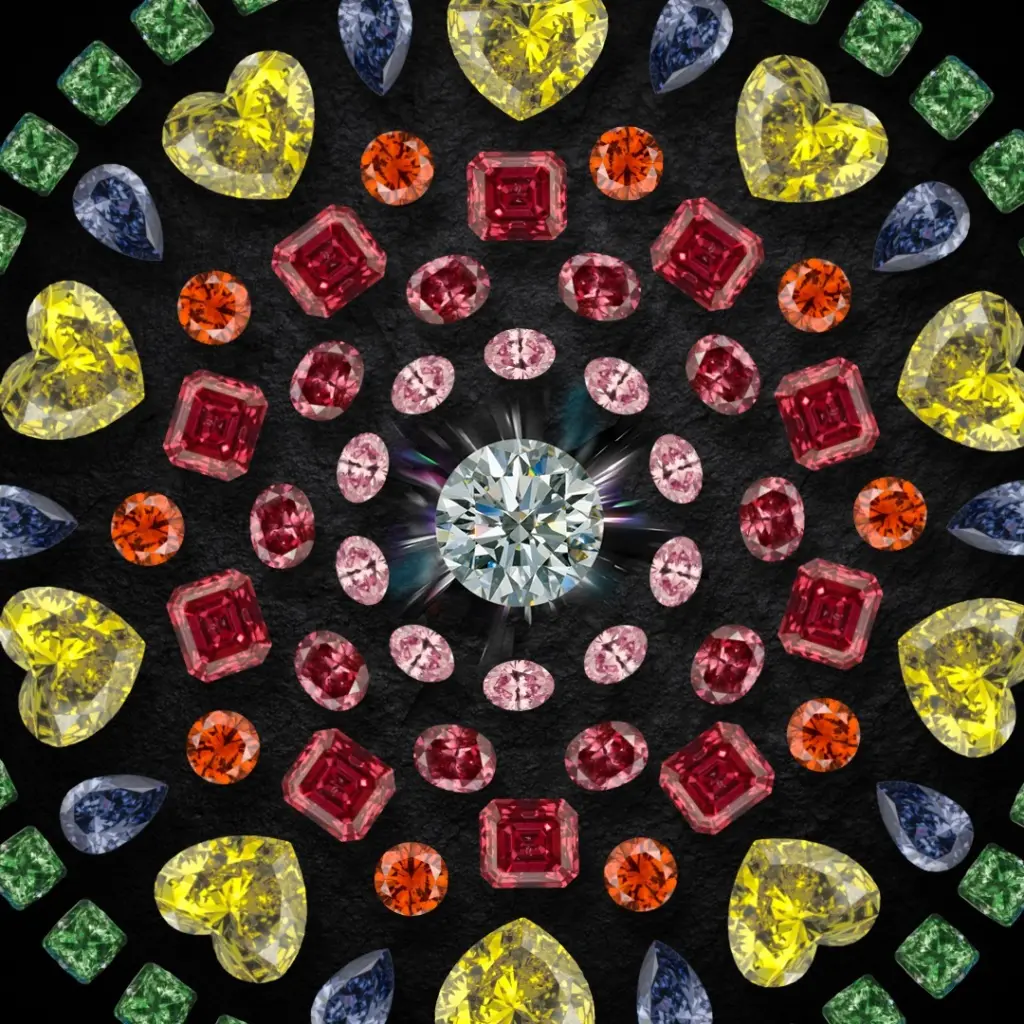
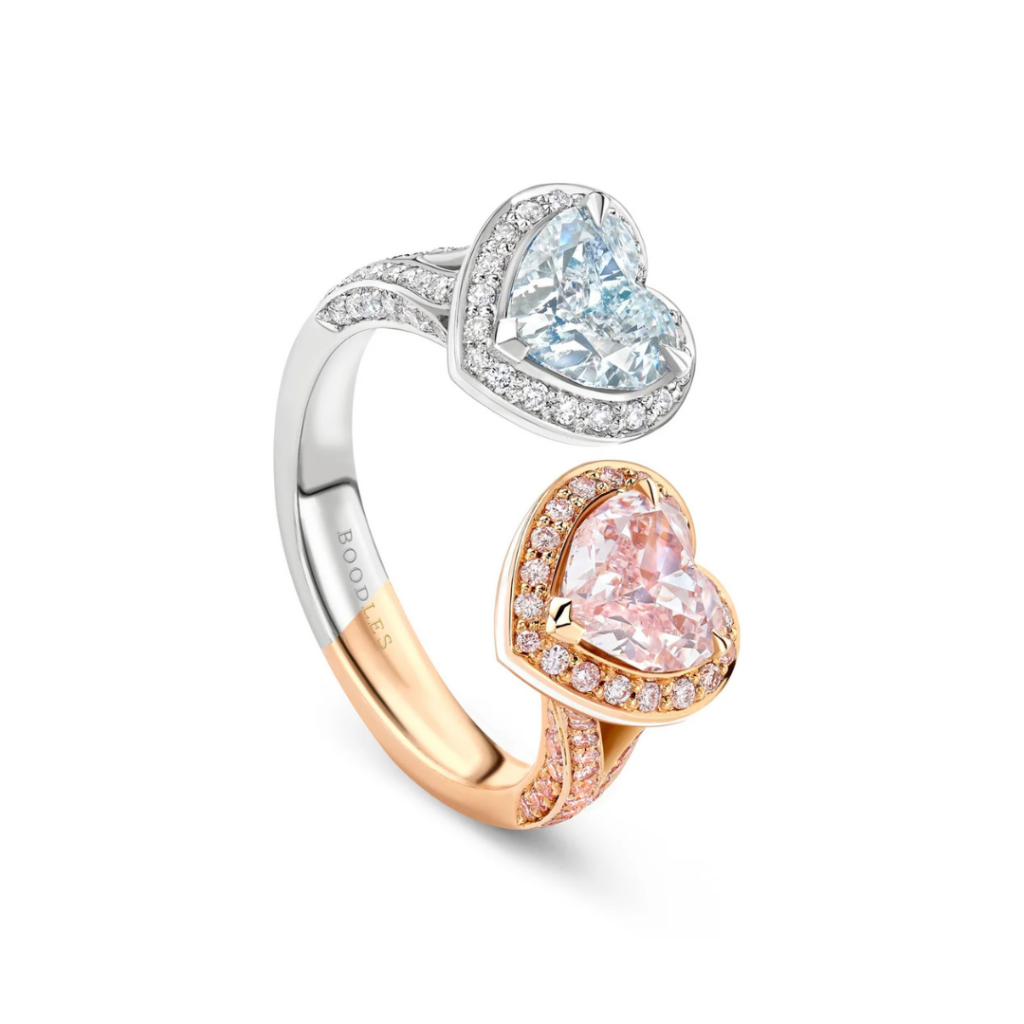
For collectors seeking individuality and visual drama, fancy-coloured heart-shaped diamonds offer exceptional appeal. Pink, blue, and yellow stones remain among the most coveted, with Fancy Vivid grades prized for their saturation and intensity.
In 2016, Graff Diamonds unveiled a remarkable heart-shaped diamond certified D colour and Type IIa, finished with excellent symmetry and polish, highlighting the brand’s mastery of rare colourless stones.
While not heart-shaped, the record-breaking 59.60-carat Pink Star diamond, sold in Hong Kong in 2017 for $71.2 million, remains a benchmark for global demand for exceptional pink diamonds and illustrates the enduring appetite for rare coloured gemstones.
Another milestone was set in 2017 when La Légende, a 92-carat D Flawless heart-shaped diamond created by Boehmer et Bassenge, achieved $14.9 million at Christie’s Geneva, establishing a world auction record for a heart-shaped diamond at the time.
Sotheby’s further demonstrated market strength in 2020 with notable heart-shaped coloured diamond sales, including:
- A 5.04-carat Fancy Vivid Blue Type IIb heart-shaped diamond, which sold for approximately $10.6 million.
- A Fancy Vivid Pink heart-shaped diamond that achieved multi-million-dollar results, reflecting sustained collector interest.
These exceptional stones underscore the rarity and investment appeal of fine fancy-coloured heart-shaped diamonds.
Celebrity Heart-Shaped Diamonds
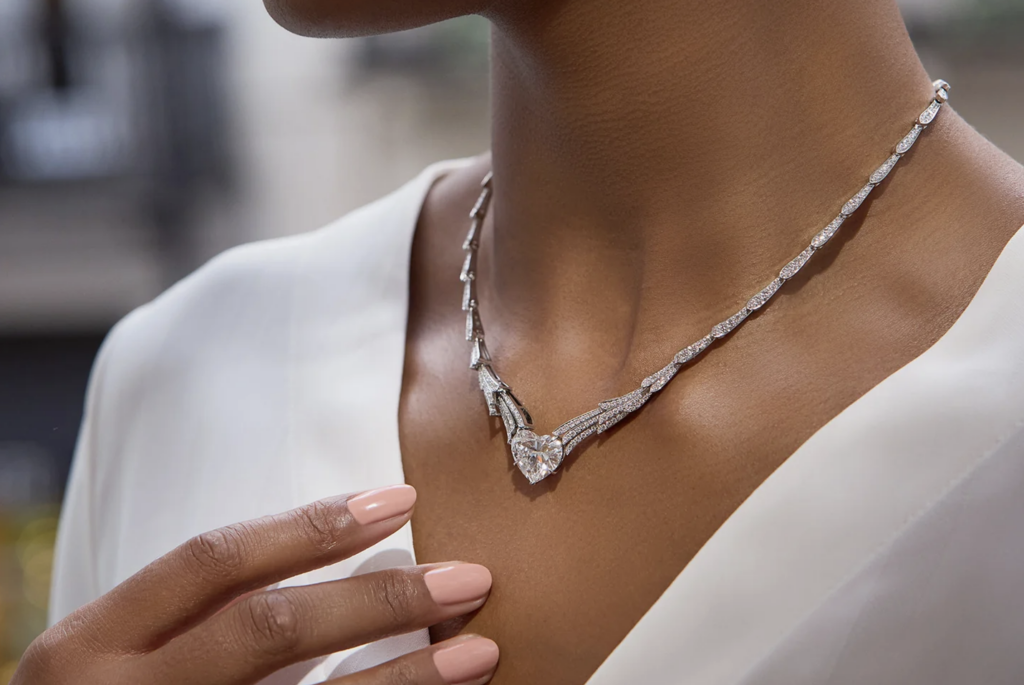
Celebrities have long embraced heart-shaped diamonds for their romantic symbolism and visual impact:
Elizabeth Taylor received the iconic Cartier Taj Mahal heart-shaped diamond from Richard Burton in 1972.
Lady Gaga was proposed to with a bespoke six-carat heart-shaped diamond ring created by Lorraine Schwartz.
Nicki Minaj owns a reported 15-carat fancy yellow heart-shaped diamond ring gifted by Meek Mill.
Avril Lavigne received a custom five-carat heart-shaped diamond ring from Mod Sun in 2022.
Paris Hilton has frequently been seen wearing heart-shaped diamond jewellery, including rings and pendants, as part of her signature glamorous style.
These high-profile designs highlight the enduring appeal of heart-shaped diamonds among collectors and tastemakers alike.
The World’s Most Prestigious Jewellery Houses
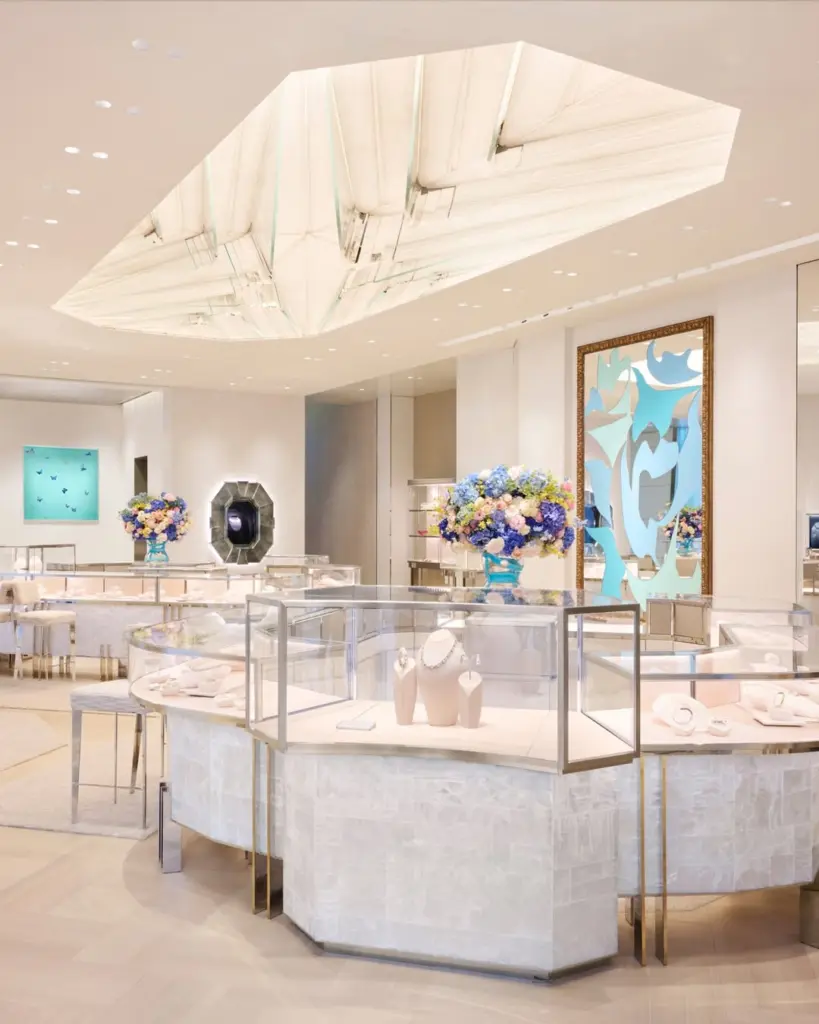
The world of luxury jewellery is shaped by maisons renowned for craftsmanship, heritage, and design excellence:
- Boodles: Founded in 1798, this family-owned British jeweller is known for bespoke creations, exceptional gemstones, and its signature pink boxes.
- Tiffany & Co.: Established in New York in 1837, Tiffany remains synonymous with refined design, craftsmanship, and its iconic blue presentation.
- Bulgari: Founded in Rome in 1884, Bulgari is celebrated for bold colour combinations and distinctive Mediterranean-inspired aesthetics.
- Van Cleef & Arpels: Founded in Paris in 1896, with its first Place Vendôme boutique opening in 1906, the maison is famed for its Mystery Set technique and poetic motifs.
- Harry Winston: Established in New York in 1932, the “King of Diamonds” has long been associated with some of the world’s most exceptional gemstones.
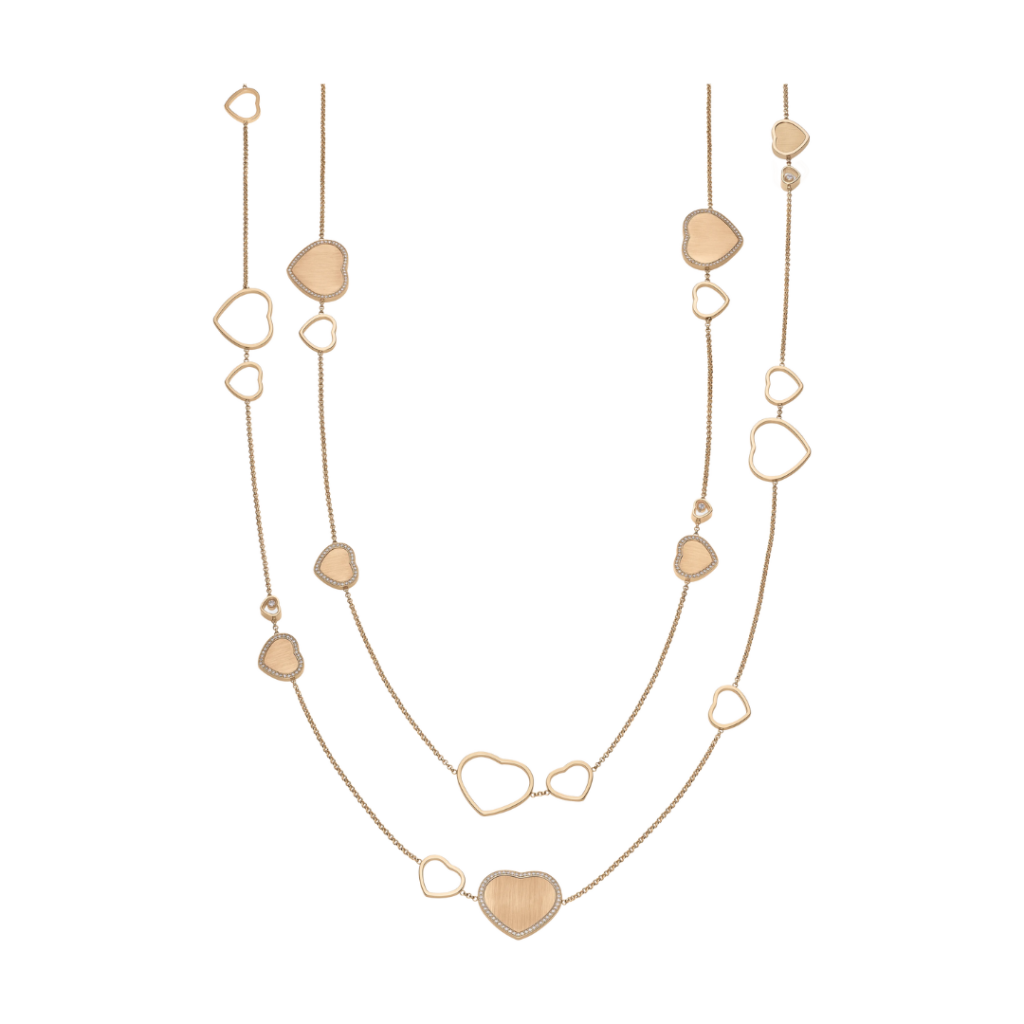
- Chopard: Founded in Switzerland in 1860, Chopard combines fine jewellery and haute horlogerie, with increasing emphasis on ethical sourcing.
- Graff: Established in London in 1960, Graff is globally recognised for acquiring, cutting, and showcasing some of the rarest diamonds ever discovered.
- Boucheron: Founded in Paris in 1858, Boucheron is among France’s oldest jewellery houses, renowned for technical innovation and refined artistry.
- Samer Halimeh New York: Established in 1999, the house serves an elite international clientele and is known for exceptional diamonds, including the celebrated Ocean Blue.
- Mouawad: A family-owned maison of Lebanese origin, Mouawad is recognised for record-setting creations and luxury watchmaking alongside fine jewellery.
Together, these maisons represent the pinnacle of haute joaillerie, combining heritage, innovation, and enduring prestige.
Why Choose Heart-Shaped Diamonds?
A heart-shaped diamond represents romance, individuality, and lasting elegance. Whether chosen in classic colourless form, as a vibrant fancy-coloured gem, or within a vintage-inspired setting, it offers a deeply personal expression of style and sentiment.
When selecting a heart-shaped diamond, buyers are also advised to ensure the stone is accompanied by a respected laboratory report, such as GIA or IGI certification, and that the setting incorporates protective elements, such as a V-prong at the point, to preserve the diamond’s longevity.
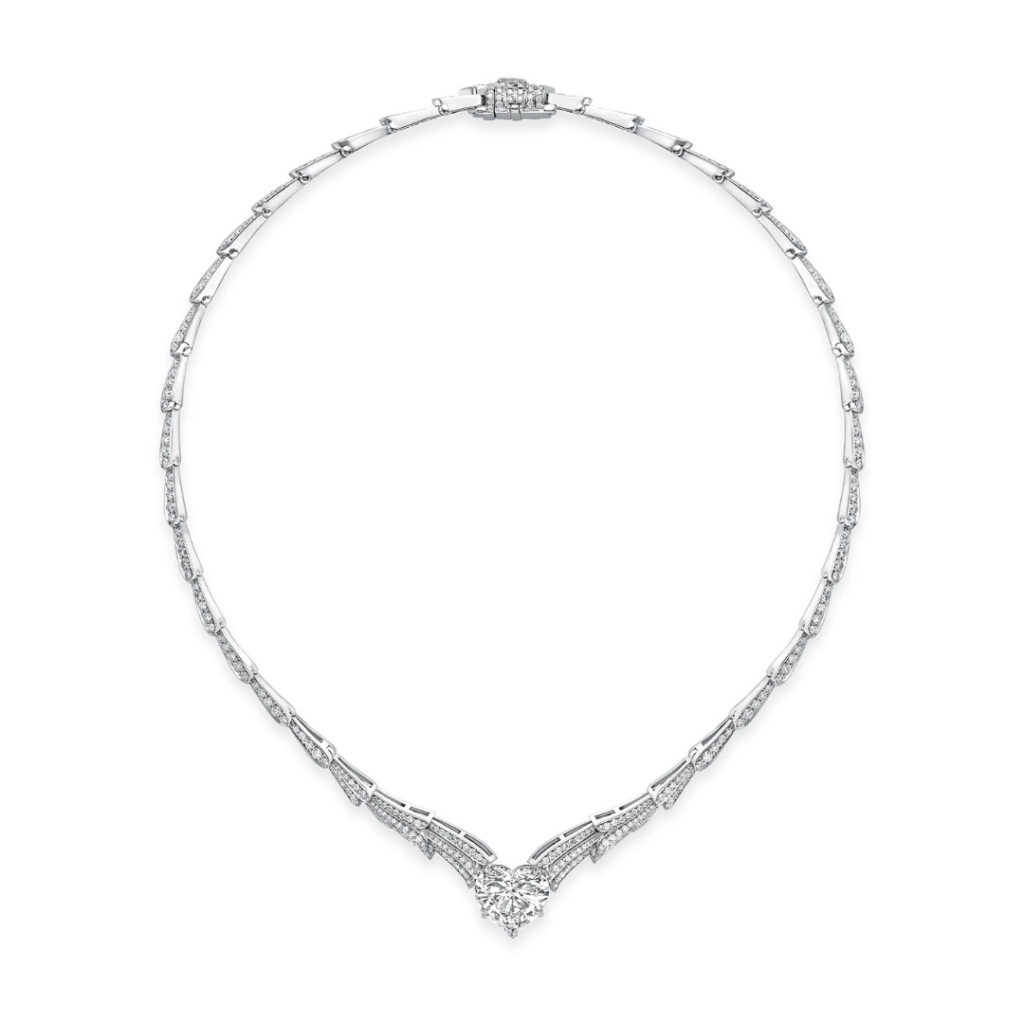
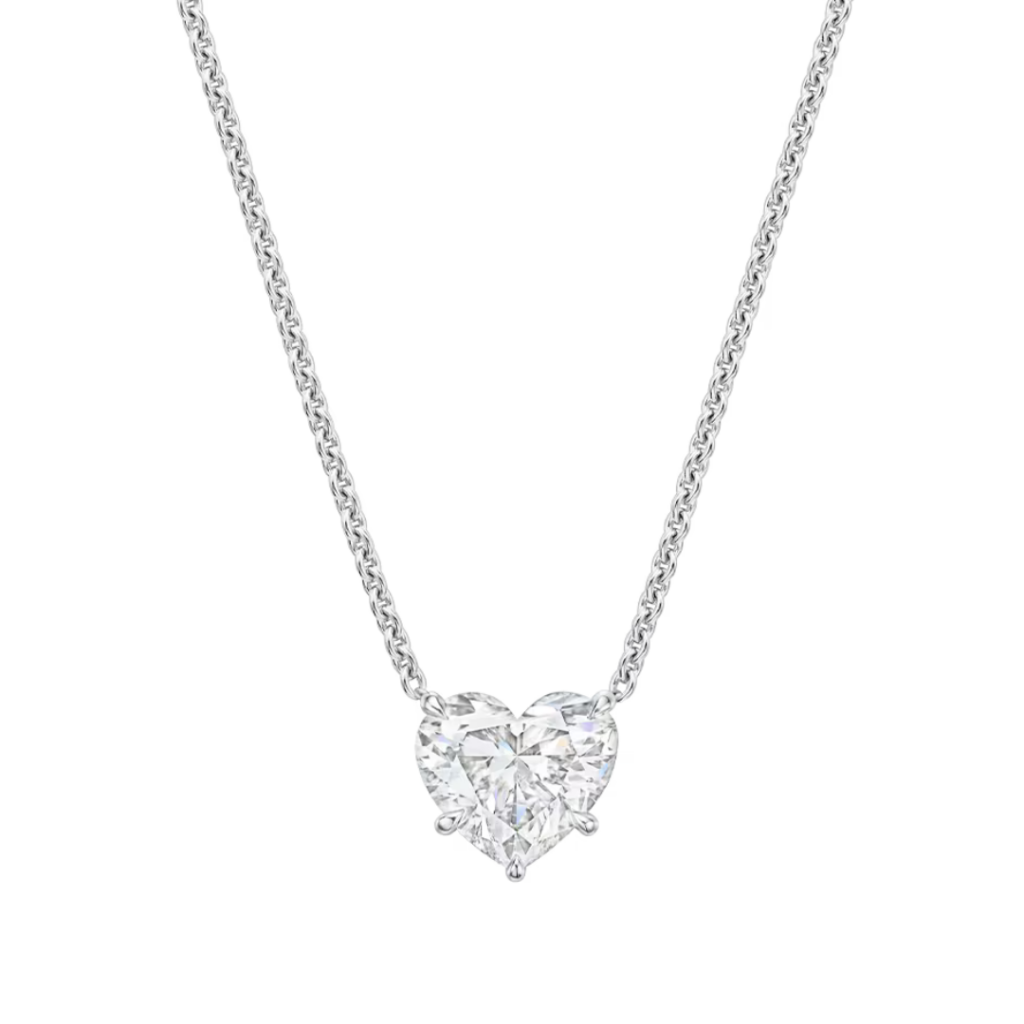
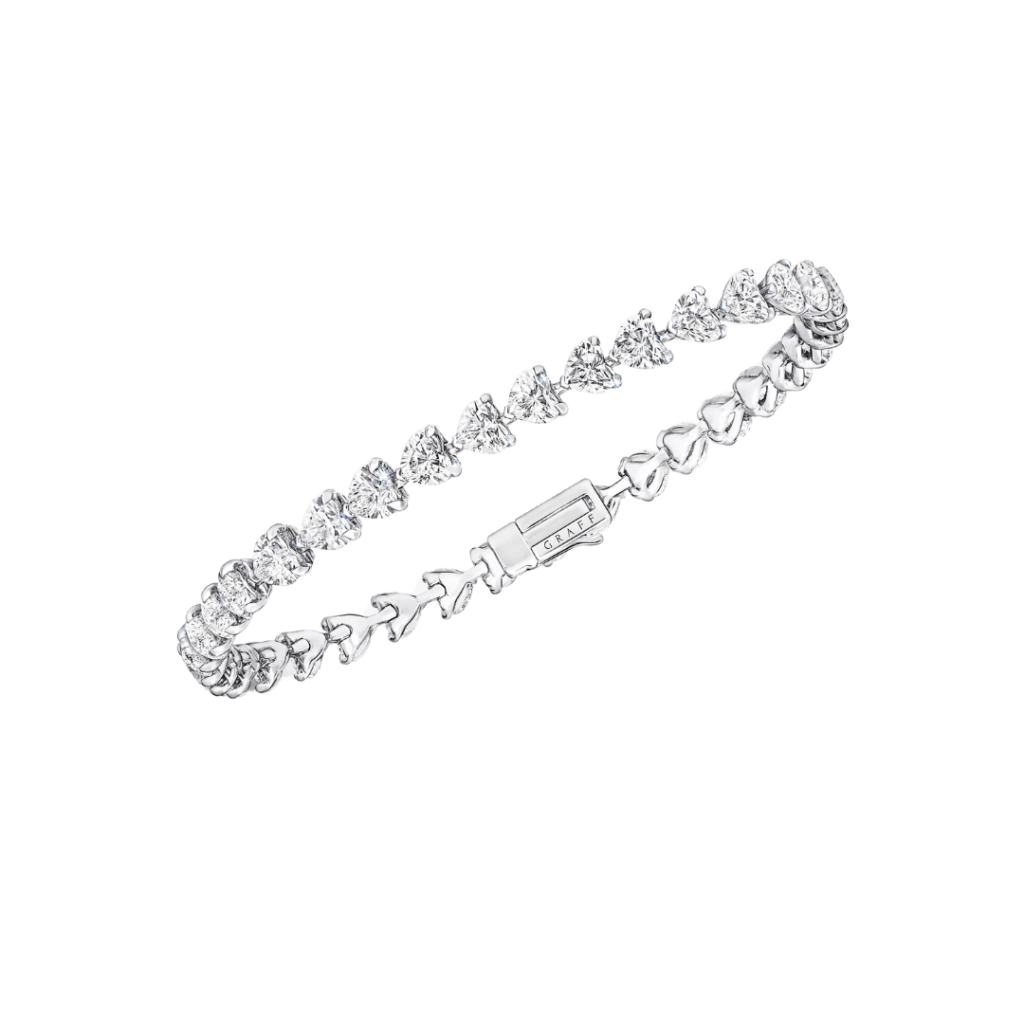
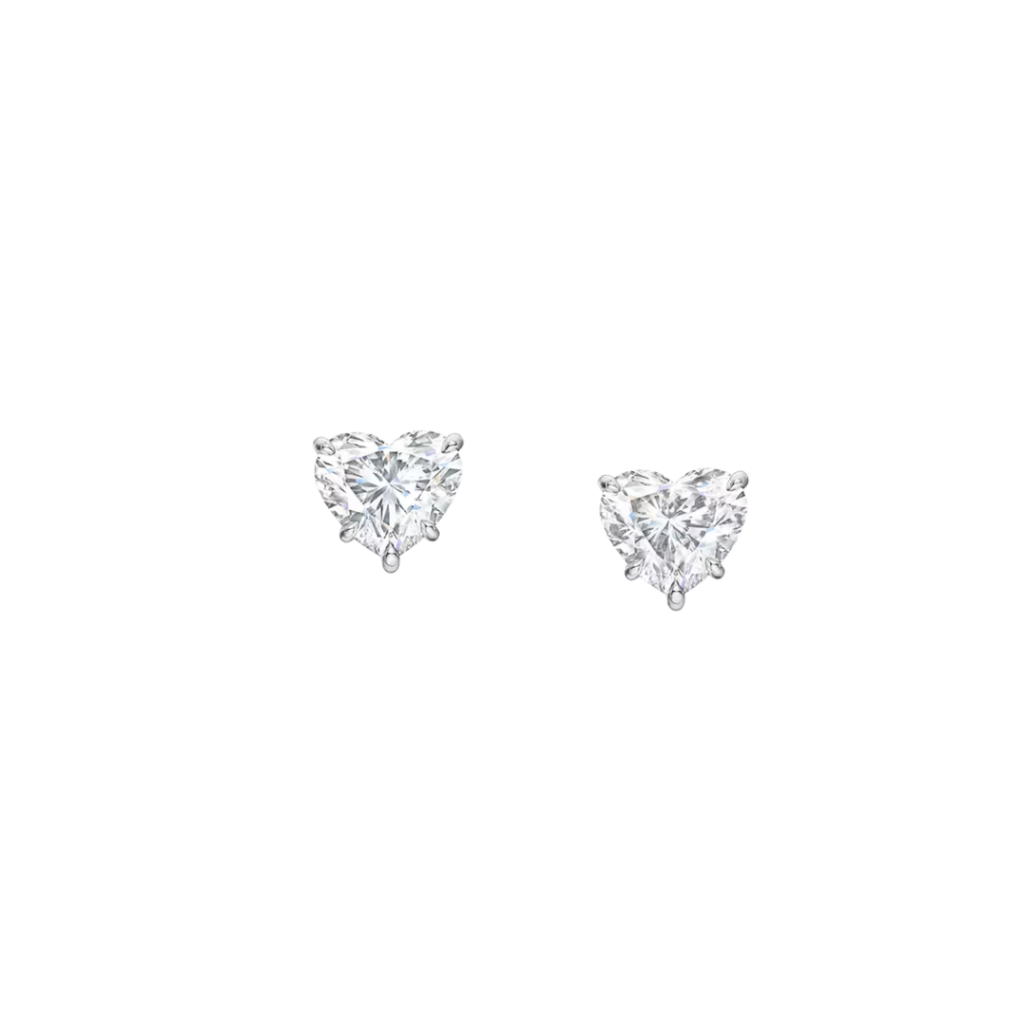
Explore this curated collection to begin your journey towards owning a truly exceptional piece of jewellery: