

All products are independently selected by our editors. If you buy something, we may earn an affiliate commission.
Among the world’s major art gatherings, few command the same level of respect as TEFAF Maastricht. For collectors, curators, and seasoned advisors, the fair represents one of the most trusted marketplaces for museum-quality works spanning more than seven millennia of art history. What distinguishes it is not spectacle or scale, but the authority with which the event presents objects of exceptional rarity and provenance.
Held annually in the historic Dutch city of Maastricht, the fair attracts an international audience that includes leading collectors, museum directors, cultural patrons, and art advisors. Acquisitions made here frequently move directly into institutional collections or established private holdings, reinforcing the fair’s reputation as one of the most serious and carefully curated events in the global art calendar.
The Benchmark of the International Art Fair Calendar
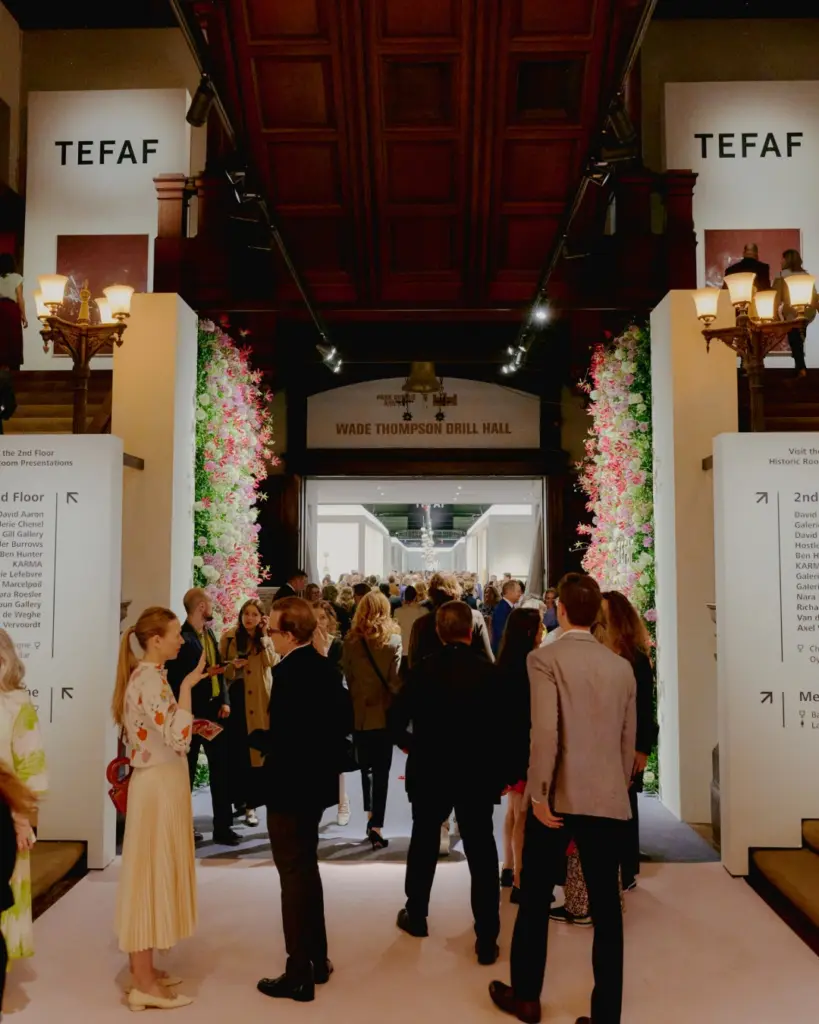
Since its founding in 1988, TEFAF Maastricht has set the standard for scholarly integrity within the art market. The fair emerged from the merger of two earlier Dutch events dedicated to Old Masters and antiquities, combining their expertise into a single international platform focused on exceptional works of art.
Central to its reputation is the fair’s rigorous vetting system. Hundreds of independent experts review every object presented by exhibitors, examining authenticity, provenance, and condition before it appears on the fair floor. For collectors and institutions alike, this level of scrutiny provides a rare degree of confidence.
That reputation continues to attract the world’s most respected galleries and international buyers. Museums, including the Metropolitan Museum of Art and the Louvre, regularly acquire works during the fair, while private collectors rely on it as one of the most reliable places to encounter objects of genuine historical importance.
While TEFAF remains deeply rooted in tradition, recent editions have also reflected shifts within the art market. Contemporary galleries now play a more visible role within the fair, and collectible design has grown steadily in prominence. International participation has expanded as well, with increasing representation from American and Asian galleries, reflecting the global nature of collecting today.
A Fair That Spans Centuries of Art and Design
In a calendar that includes events such as Art Basel and Frieze London, TEFAF Maastricht occupies a distinctive position. Where many art fairs concentrate on contemporary works, TEFAF presents an extraordinary range of artistic disciplines and historical periods.
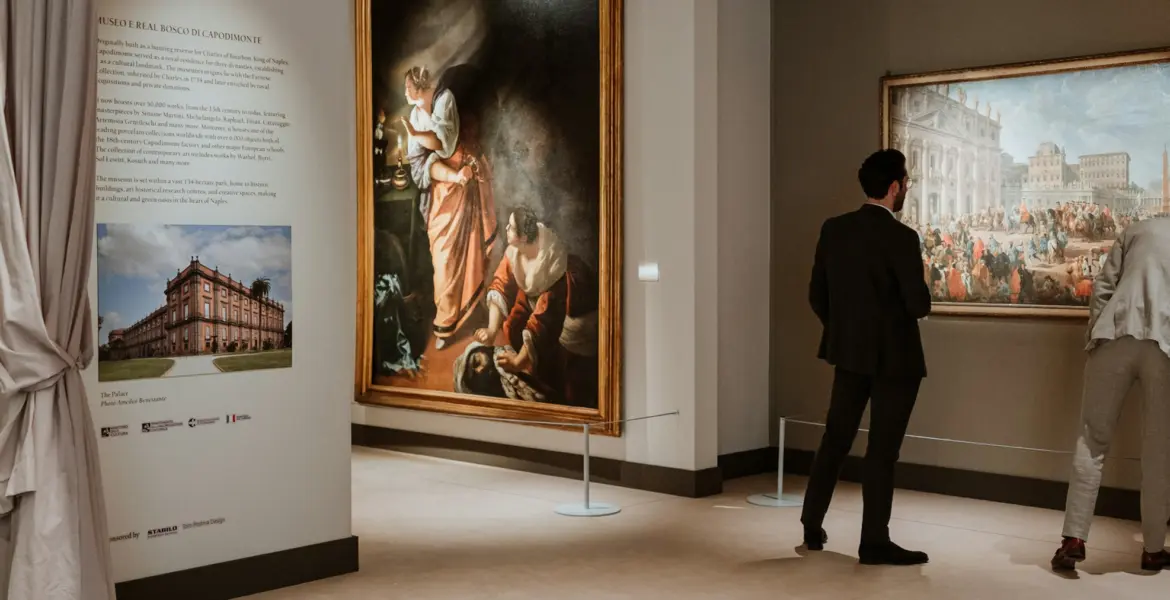
Visitors move through a curated sequence of sections that bring together Old Master paintings, classical antiquities, historic jewellery, rare manuscripts, modern art, and collectible design. The result feels closer to a museum exhibition than a traditional art fair, with dealers presenting objects alongside extensive research and historical context.
This breadth allows collectors to encounter works that span thousands of years, from ancient sculpture and Renaissance panels to twentieth-century masterpieces and contemporary design objects.
Navigating the Fair’s Curated Sections
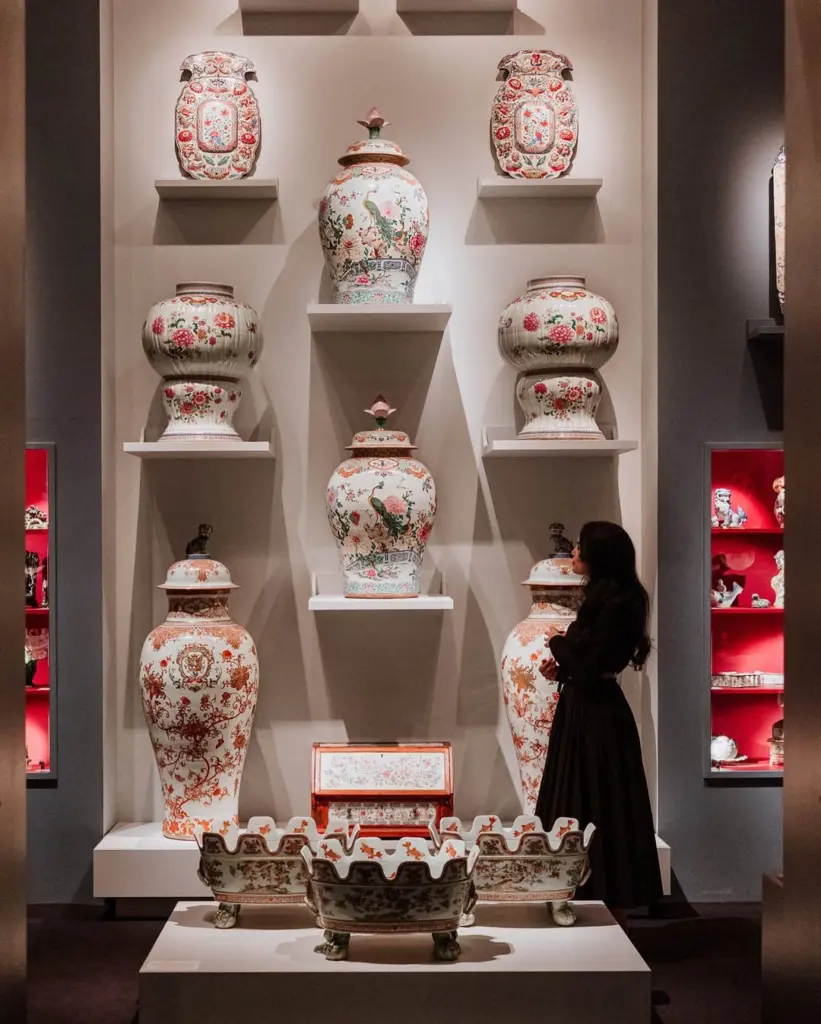
The fair is organised into several specialist sections that reflect the diversity of the works on display while maintaining a clear sense of structure.
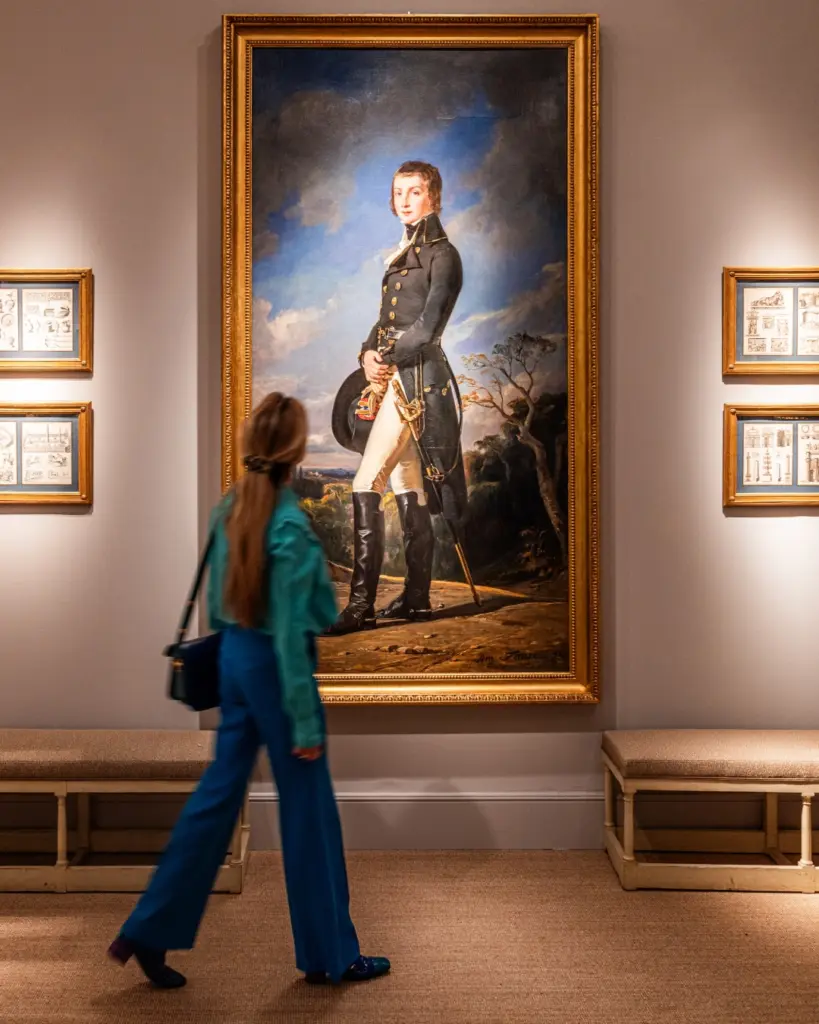
TEFAF Paintings gathers leading international dealers in Old Masters and early European art. Works here frequently include pieces by major Renaissance and Baroque artists, many accompanied by detailed scholarly research and exhibition histories.
TEFAF Antiques focuses on decorative arts, historic furniture, and classical antiquities. Many pieces originate from aristocratic European collections or historic estates and represent important examples of craftsmanship from earlier centuries.
TEFAF Modern brings together galleries specialising in twentieth-century art, presenting works by artists who defined the modern period and continue to shape the art market today.
TEFAF Contemporary introduces galleries working with leading artists of the present day, attracting a younger generation of collectors while maintaining the fair’s focus on quality.
TEFAF Design highlights collectible furniture, lighting, and objects produced from the early twentieth century onwards. Many of these works occupy the space between sculpture and functional design, reflecting the growing influence of design within serious art collections.
The Works That Define the Fair
The calibre of objects presented at TEFAF is one of the reasons the fair remains so influential. Visitors may encounter a Renaissance painting that has remained in the same collection for generations, a rare seventeenth-century Dutch landscape, or a sculpture that would normally be seen only in a museum setting.
Jewellery galleries often present historic pieces created by renowned maisons, alongside exceptional gemstones that appeal to collectors with a passion for craftsmanship and rarity. In the design section, collectors search for iconic works by twentieth-century masters as well as contemporary designers pushing the boundaries of form and material.
What connects these works is their rarity. Many appear on the market only once in a generation.
Inside the Private Preview
Before the fair opens to the public, TEFAF hosts invitation-only preview days that attract a global circle of collectors, curators, and art advisors.
These early hours are often when the most significant acquisitions take place. Advisors guide clients through carefully planned routes across the fair, while galleries host private viewings for established collectors. Conversations unfold quietly between dealer and buyer, sometimes culminating in purchases that will later appear in museum exhibitions.
Evenings during preview week revolve around intimate dinners, gallery gatherings, and museum receptions, reinforcing TEFAF’s role as both a marketplace and a social meeting point for the international art world.
Maastricht: A Historic Setting for a Global Fair
The character of Maastricht contributes greatly to the fair’s atmosphere. One of the oldest cities in the Netherlands, it offers a setting defined by medieval streets, historic churches, and elegant townhouses.
Visitors often divide their time between the fair and the city’s cafés, fine dining restaurants, and boutique hotels, where conversations about acquisitions continue well into the evening. The city’s position near the borders of Belgium and Germany also makes it easily accessible from major European cultural capitals.
This combination of scholarship, culture, and understated elegance has long been part of TEFAF’s appeal.
Why TEFAF Maastricht Still Matters
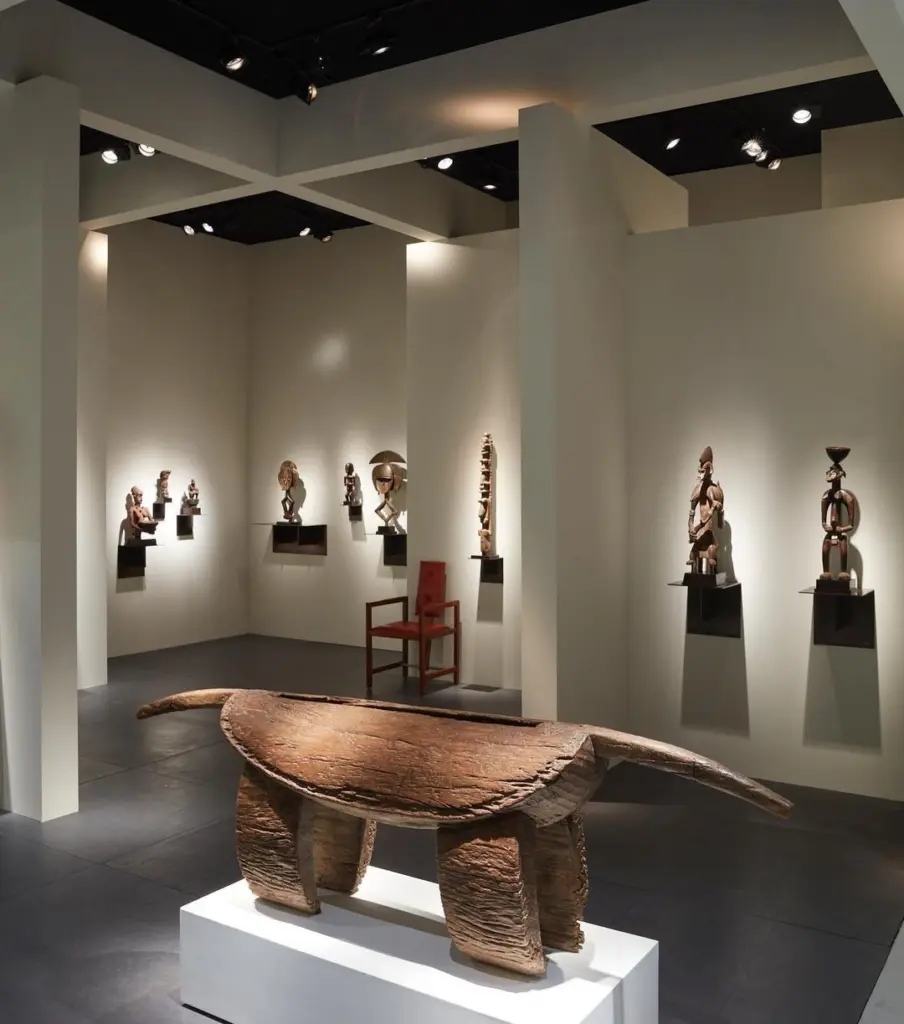
More than three decades after its founding, TEFAF Maastricht continues to occupy a singular position within the international art market.
Its reputation rests on scholarship, trust, and the extraordinary quality of the works it presents. For museums seeking significant acquisitions, collectors searching for rare masterpieces, and visitors who appreciate the depth of art history, the fair remains one of the most important gatherings in the cultural calendar.
For those interested in the very best the art market can offer, few events carry the same quiet authority as TEFAF Maastricht.