

All products are independently selected by our editors. If you buy something, we may earn an affiliate commission.
When Nobu London Old Park Lane opened in 1997, it brought Chef Nobu Matsuhisa’s distinctive Japanese cooking, shaped by his years in South America, to London. The restaurant went on to become one of the capital’s most recognisable dining addresses, with dishes such as Black Cod Miso and Yellowtail Jalapeño establishing an identity that remains familiar decades later.
Today, Nobu’s London restaurant presence centres on two addresses: the original Old Park Lane restaurant and Nobu Hotel London Portman Square in Marylebone. While both share the signatures that established the brand’s reputation, each offers a distinctly different experience, from the heritage of Old Park Lane to the broader dining and hospitality offering at Portman Square.
A London Legacy That Still Matters
Old Park Lane has been part of Mayfair’s dining landscape since 1997. Its longevity matters in a city where luxury Japanese dining has expanded considerably, particularly with the arrival of intimate omakase counters and increasingly ambitious contemporary Japanese restaurants.
Nobu’s enduring identity comes largely from Matsuhisa’s cooking, which combines Japanese techniques with influences developed during his time in Peru and elsewhere in South America. Rather than continually reinventing its best-known dishes, the restaurant has retained signatures that have become closely associated with the Nobu name.
The opening of Nobu Hotel London Portman Square broadened that London presence considerably. Its restaurant sits within a larger hospitality offering, giving it a different character from the longstanding Old Park Lane address.
Two Addresses, Two Distinct Experiences
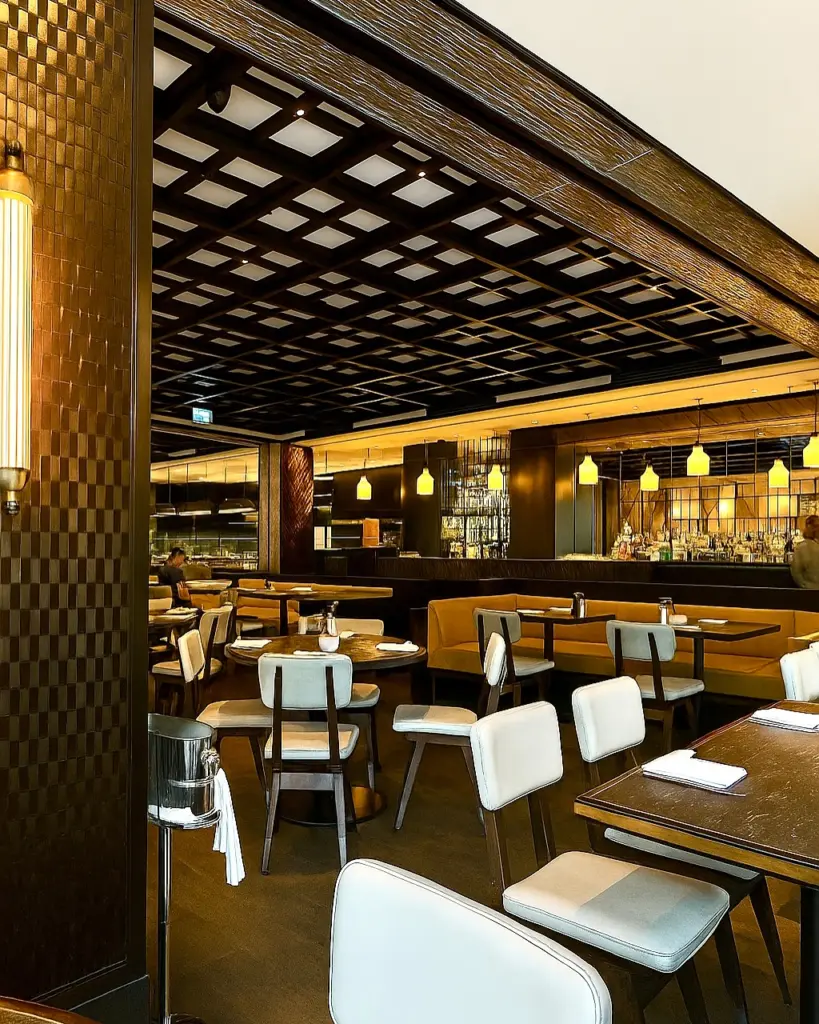
Nobu London Old Park Lane
For the original London Nobu experience, Old Park Lane remains the natural choice. Located at 19 Old Park Lane, close to Hyde Park and Mayfair, the restaurant carries a history that its newer counterpart cannot replicate.
Its current offering extends beyond à la carte lunch and dinner. The weekday Nobu Signature Lunch brings together several established favourites, while Saturday Brunch includes unlimited sushi and sashimi alongside a choice of main dishes. Sushi masterclasses are also offered, combining practical instruction with an omakase tasting menu.
The appeal of Old Park Lane ultimately rests on its heritage and focus. It remains a restaurant first, making it particularly well suited to those seeking the classic Nobu London experience without the wider setting of a Nobu hotel.
Nobu Hotel London Portman Square
Portman Square offers the broader of the two experiences. Located in Marylebone, within easy reach of Selfridges, Oxford Street and Mayfair, the hotel has developed several dining concepts around the central Nobu Restaurant.
The restaurant serves established Nobu signatures alongside dishes unique to Portman Square, with an eight-seat sushi counter offering a closer view of the chefs preparing nigiri, maki and sashimi. Seasonal omakase provides a more structured tasting experience, with the menu evolving according to the produce available.
Elsewhere, Nobu Bar provides a separate setting for drinks and Japanese-inspired bar food, while The Lounge serves throughout the day and hosts Nobu Afternoon Tea. Nobu Terrace adds an open-air option during its seasonal operation, serving the restaurant menu at lunch and dinner alongside lighter bites and cocktails.
The Nobu Signatures
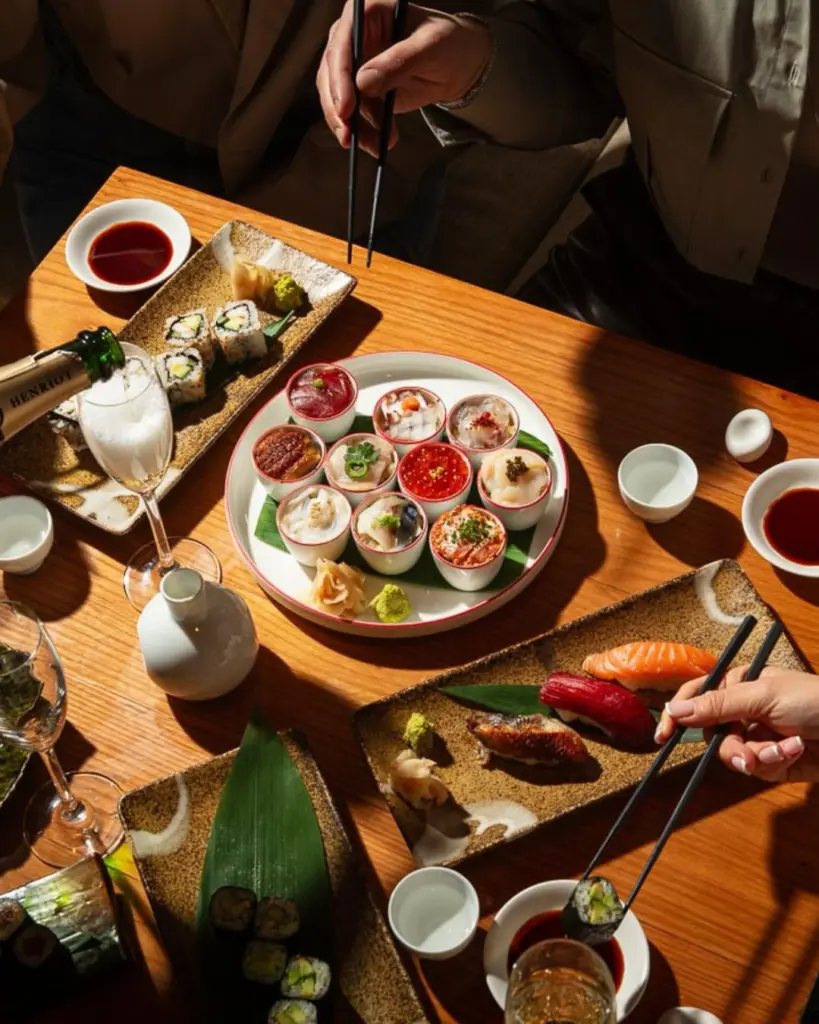
Certain dishes remain fundamental to the Nobu experience, and several are shared across the London menus.
Yellowtail Jalapeño is one of the clearest expressions of the house style, pairing sliced yellowtail sashimi with jalapeño and Japanese citrus soy. Rock Shrimp Tempura Creamy Spicy offers a richer contrast, while Black Cod Miso remains Nobu’s defining hot dish, with the fish marinated in miso before cooking.
The wider selection moves through sashimi, tartares, crispy rice, seafood and Japanese A5 Wagyu. At Portman Square, Wagyu can be prepared in several styles, including New Style, Tataki, Toban Yaki and Steak. These sit alongside newer and location-specific dishes, allowing the menu to retain its familiar foundations without depending entirely on the classics.
Sushi, Sashimi and Omakase
Sushi and sashimi remain central to Nobu dining, whether ordered individually or incorporated into one of the restaurant’s broader experiences. Nigiri, cut rolls, hand rolls and sashimi provide plenty of scope to build a meal around seafood, while familiar Nobu preparations introduce the stronger flavours associated with the restaurant.
Portman Square’s eight-seat sushi counter is particularly appealing for diners who want to place this side of the menu at the centre of the experience. The restaurant also offers Signature and Seasonal Omakase menus, with the latter changing according to seasonal produce and the chefs’ selections.
Old Park Lane approaches the experience differently through its sushi masterclass, where guests learn to prepare cut rolls, hand rolls and nigiri before an omakase tasting. It adds a more interactive dimension to an address better known for its longstanding restaurant credentials.
More Than Dinner at Portman Square
Portman Square distinguishes itself most clearly through the range of experiences available beyond a conventional lunch or dinner.
Nobu Afternoon Tea at The Lounge combines Japanese flavours with the structure of British afternoon tea, with the selection changing seasonally. Familiar Nobu references appear within the savoury courses, while Japanese ingredients and techniques continue through the sweeter elements.
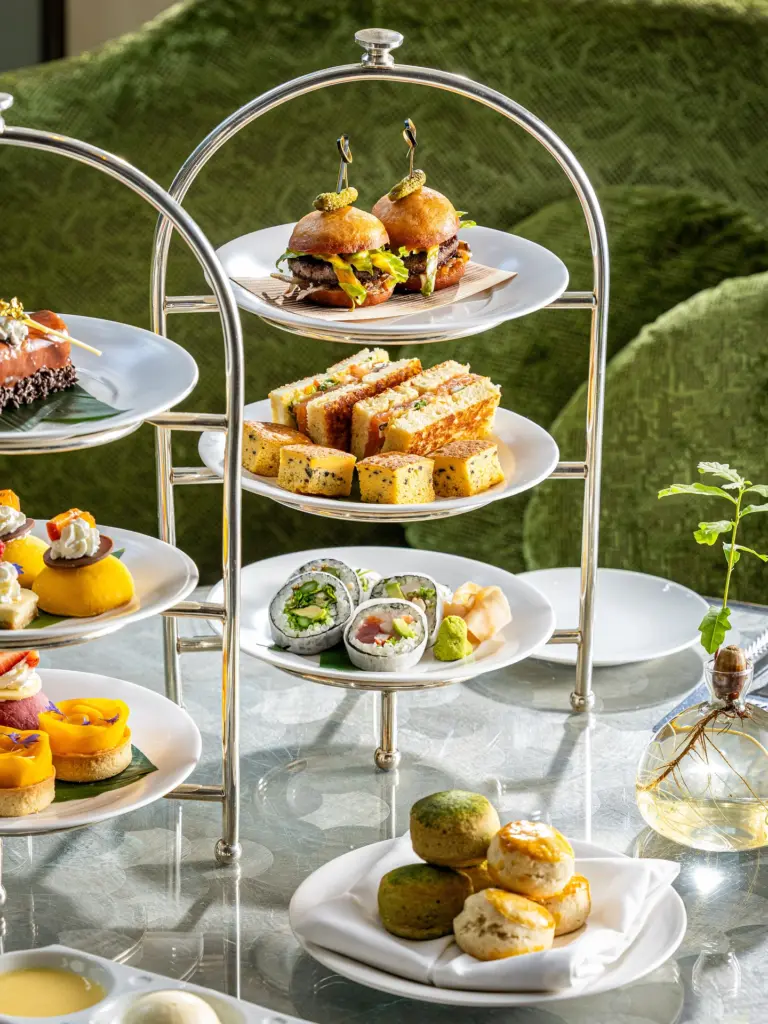
Sunday Brunch is another established part of the offering, combining an unlimited sushi and cold-dish selection with a choice of main course and a dessert buffet. Nobu Bar provides a natural option for drinks, while the seasonal Nobu Terrace extends the restaurant outdoors when the weather allows.
Together, these experiences make Portman Square the stronger choice when Nobu forms part of a longer afternoon or evening rather than a standalone meal.
Hospitality with Japanese Roots
Nobu’s approach to hospitality draws on omotenashi, the Japanese tradition of thoughtful and attentive service. The principle fits naturally with a dining format where dishes are often shared and meals can progress through several cold plates, hot dishes and sushi.
The atmosphere differs between the two locations. Old Park Lane has the familiarity and focus of an established Mayfair restaurant, while Portman Square moves between destination dining and the broader social setting of a luxury hotel.
Choosing the Right Nobu London
The two restaurants share the same culinary foundations, but their strengths are increasingly distinct.
Old Park Lane is the stronger choice for Nobu heritage and the original London experience. Its long Mayfair history, established signatures and restaurant-led setting give it an identity closely connected to the brand’s arrival in Europe.
Portman Square offers the more expansive experience. The restaurant, eight-seat sushi counter, seasonal omakase, Nobu Bar, afternoon tea, Sunday brunch and seasonal terrace provide considerably more ways to experience Nobu within a single address.
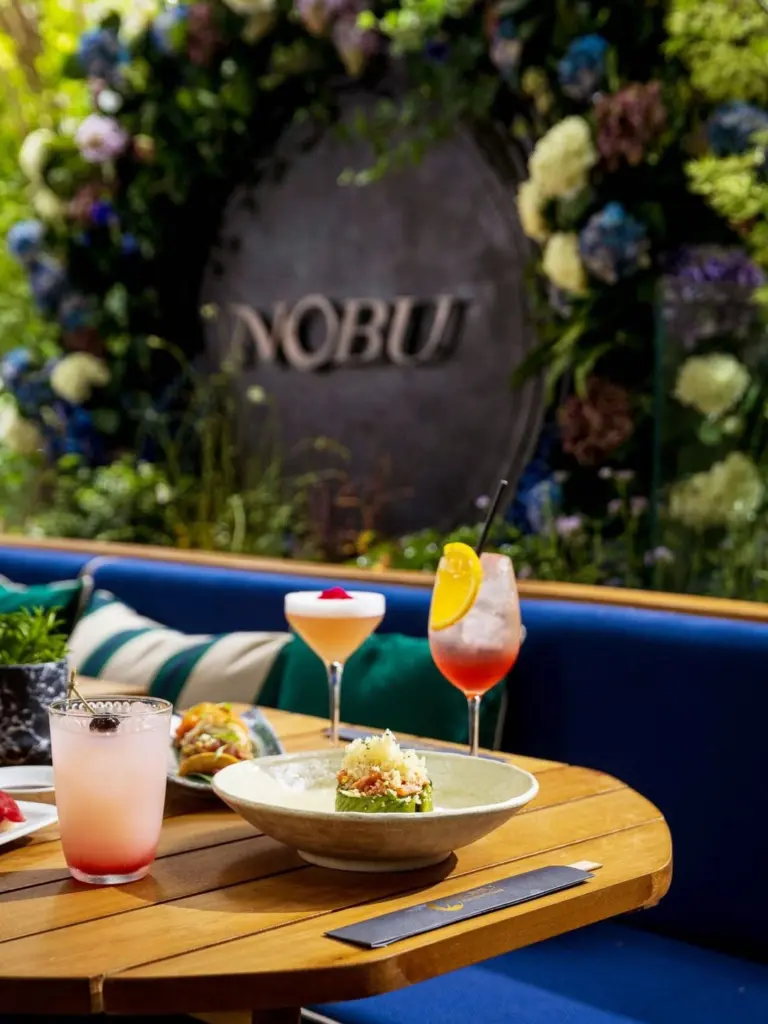
The choice ultimately depends on the occasion: Old Park Lane for the history and established restaurant experience, Portman Square for greater variety and a dining experience integrated into a luxury hotel.
Nobu’s Place in London Today
London’s Japanese dining landscape has changed considerably since Nobu arrived on Old Park Lane. Specialist sushi restaurants, intimate omakase counters and ambitious Japanese dining rooms now give diners far more choice across the capital.
Nobu’s longevity gives it a different kind of appeal. Old Park Lane retains the history, while Portman Square shows how the brand has expanded its London experience through omakase, brunch, afternoon tea, bar and terrace dining. Across both, the dishes that established Nobu’s reputation continue to provide a recognisable link to its beginnings in the capital
Locations: Old Park Lane, Portman Square, and Shoreditch, London