


All products are independently selected by our editors. If you buy something, we may earn an affiliate commission.
Each year, the Grammy Awards draw the global music industry to Los Angeles, concentrating artists, executives, fashion houses, and luxury brands into one tightly programmed week. While the broadcast ceremony remains the most visible moment, Grammy Week itself has become a fixture of the international cultural calendar, marked by private galas, couture fittings, high jewellery placements, and closed-door industry gatherings.
For a luxury-focused audience, the Grammys are best understood not as a single night, but as a multi-layered environment where recognition, influence, and commercial direction quietly converge.
The Grammys’ Enduring Influence
Established in 1959 by what is now the Recording Academy, the Grammy Awards were created to recognise artistic and technical excellence across the recording industry. More than six decades on, they remain the most influential peer-led accolade in music.
Unlike popularity-driven honours, Grammy recognition is determined by musicians, producers, engineers, and executives working across every sector of the industry. That structure continues to give the awards a particular authority, shaping how careers are perceived, how catalogues are valued, and how artists are positioned internationally.
The ceremony’s continued relevance rests not only in viewership, but in the way it anchors the professional year. Tours, partnerships, catalogue campaigns, and brand alignments are often timed around Grammy Week, reinforcing its role as a working summit as much as a cultural spectacle.
A Curated Look Inside Grammy Week
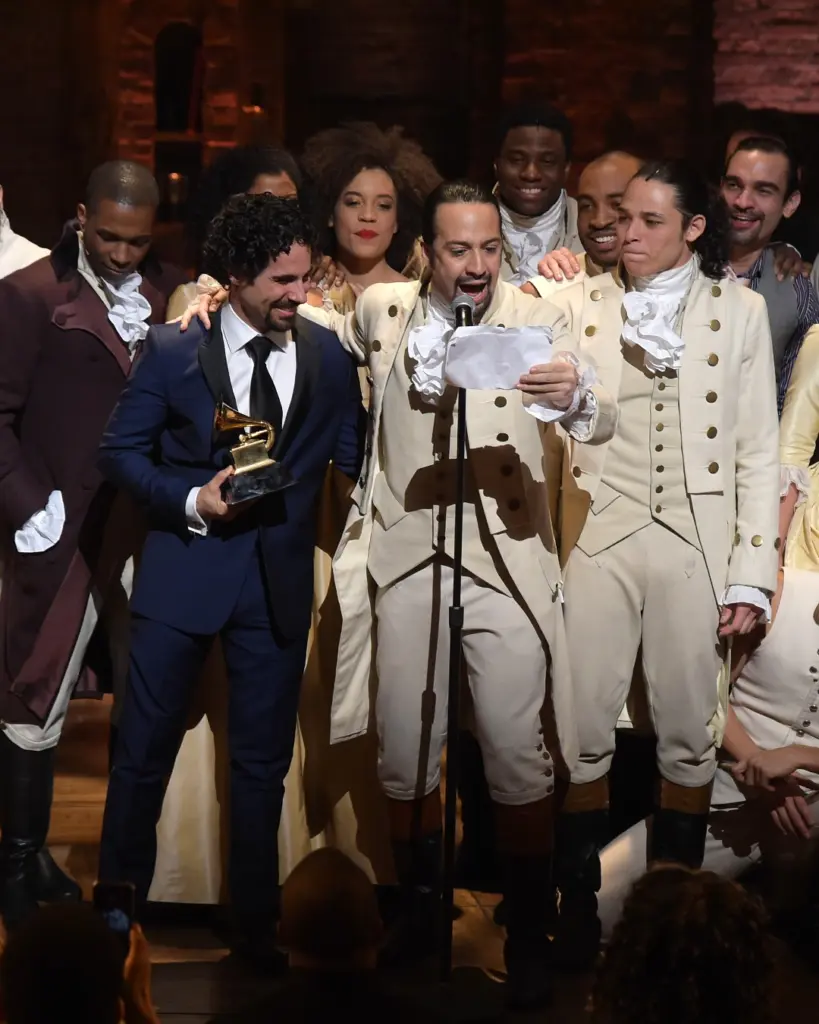
The Grammy Awards are presented by the Recording Academy, whose voting membership spans creators and technical specialists across genres. Submissions are reviewed through screening processes before being placed on ballots voted on by specialist committees and the wider Academy body, depending on category.
The awards most visible to the public, Album of the Year, Record of the Year, Song of the Year, and Best New Artist, sit within a programme that actually includes dozens of honours covering classical, jazz, global music, production, and engineering. Many of these are presented earlier in the day during the Premiere Ceremony, attended largely by industry figures and nominees.
Around this framework, Grammy Week unfolds. The MusiCares Person of the Year gala traditionally opens the social calendar, bringing together senior artists, label leadership, philanthropists, and long-standing industry partners for one of the week’s most formal evenings. In the days that follow, private showcases, label receptions, and closed listening sessions take place across hotel ballrooms, private residences, and converted studio spaces throughout Beverly Hills and West Hollywood.
For 2026, expectations remain consistent with recent editions. Major recording groups, including Universal Music Group, Sony Music Entertainment, and Warner Music Group, continue to anchor the week’s private schedules, while fashion and jewellery houses maintain a growing presence through invitation-only brand residences and styling salons.
The Social Architecture of Grammy Week

Beyond the official programme, Grammy Week operates through a parallel social structure built around invitation, reputation, and long-standing relationships.
Label-hosted dinners, artist showcases, and management receptions form the professional spine of the week. Alongside them sit a network of brand-curated evenings, jewellery presentations, and private home gatherings where designers, creative directors, touring partners, and cultural figures move between rooms without public visibility.
These settings are where tour collaborations are discussed, catalogue strategies are refined, and new partnerships quietly take shape. Attendance is rarely transactional. Invitations circulate through personal teams, brand directors, and senior industry figures, reinforcing Grammy Week’s position as one of the music world’s most tightly held social calendars.
Inside the Arena on Grammy Night

The ceremony itself traditionally takes place at Crypto.com Arena, transformed each year by a production operation that begins rehearsals days in advance. Performances are staged with broadcast precision, while the interior atmosphere remains unmistakably professional.
Seating reflects the industry’s internal geography. Nominees are grouped by category relevance. Label executives and producers are positioned in allocated sections. Presenters move between backstage rehearsal rooms and the arena floor. Stylists, security teams, and artist management operate continuously through restricted corridors and hospitality lounges.
Between performances, the arena functions as a working floor. Artists greet collaborators. Executives rotate between sections. Conversations extend far beyond the broadcast timeline, shaping the remainder of the week’s private programme.
Where Music Meets Couture and High Jewellery

The Grammys occupy a distinct place within the fashion calendar. The ceremony has long attracted couture placements and high jewellery showcases, with houses preparing bespoke pieces months ahead of the event.
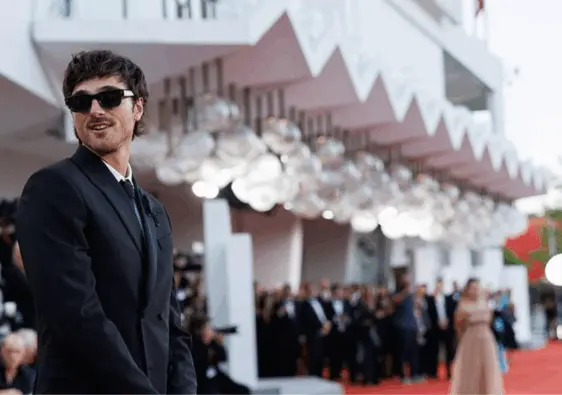
Fashion partnerships regularly involve maisons such as Gucci, Louis Vuitton, Versace, Balenciaga, Schiaparelli, Jean Paul Gaultier Couture, and Dior, whose custom looks and archival selections feature prominently across Grammy red carpets. Jewellery houses, including Tiffany & Co., Cartier, Bulgari, Chopard, and Messika, continue to work closely with artists and stylists on one-night placements, often debuting rare stones and high jewellery collections in private fittings rather than public showrooms.
Styling suites are typically established within hotel penthouses and long-stay residences, where garments are tailored, jewellery is selected, and complete looks are finalised in closed sessions attended only by personal teams and brand representatives.
The Beverly Hills and West Hollywood Circuit
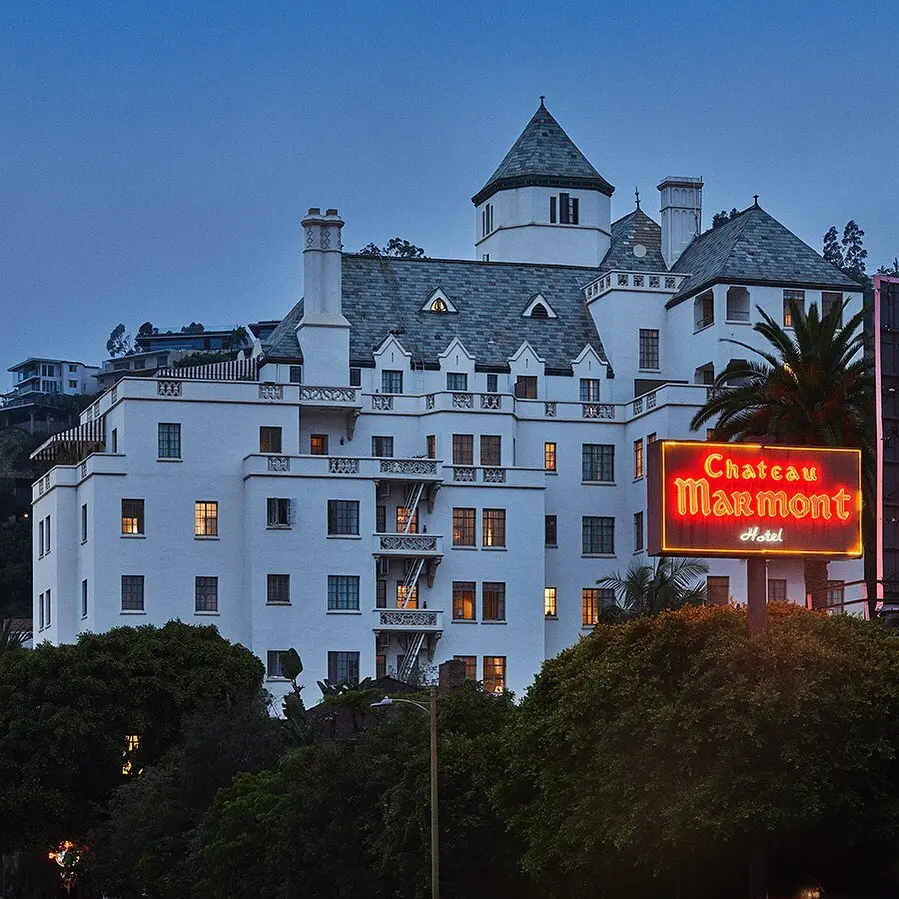
Hospitality during Grammy Week reflects the industry’s preference for discretion, security, and long-established service culture.
The Beverly Hills Hotel and The Peninsula Beverly Hills remain long-standing bases for senior artists, label executives, and private entourages. The Waldorf Astoria Beverly Hills has increasingly featured as a brand-friendly headquarters, hosting private suites and jewellery presentations. In West Hollywood, The London West Hollywood and Chateau Marmont continue to draw producers, managers, and fashion teams seeking proximity to the week’s evening schedule.
Penthouse floors and extended-stay suites are frequently converted into rehearsal lounges, fitting salons, and private meeting spaces. Chauffeured transport and security operations run continuously, coordinating movements between rehearsals, galas, and invitation-only events.
The Private Calendar Behind Grammy Night
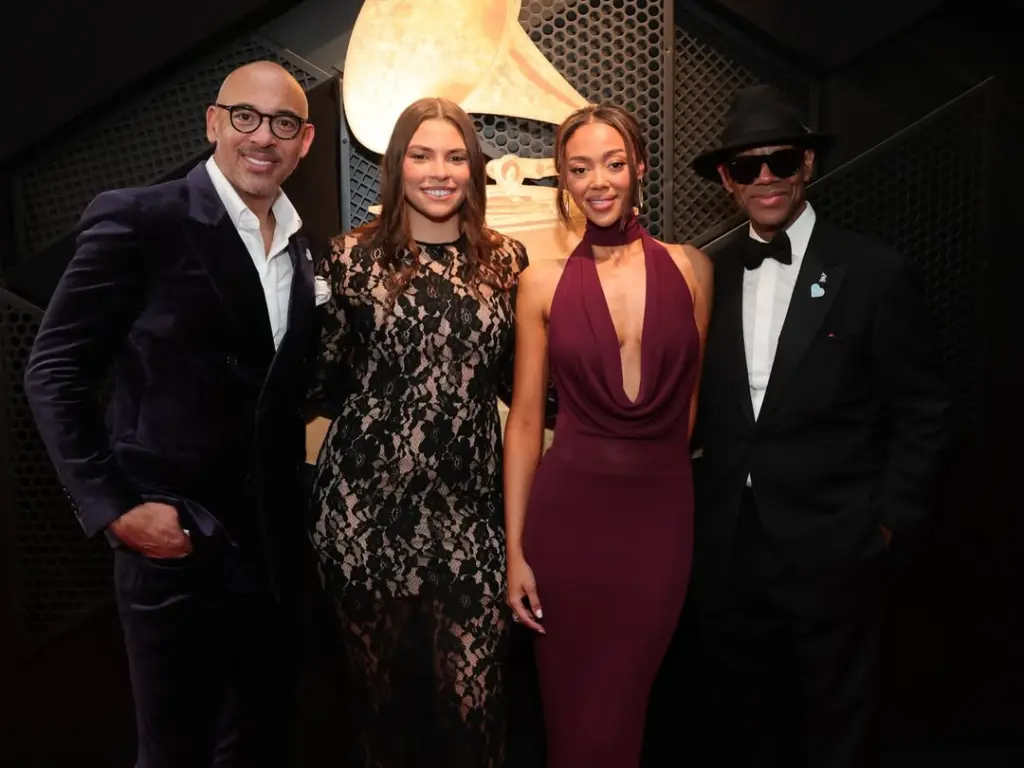
When the broadcast ends, Grammy Week enters its most discreet phase.
Label celebrations, brand dinners, and estate gatherings form an unofficial circuit that stretches well into the early hours. Certain evenings are closely associated with industry milestones rather than public visibility, hosting small groups of artists, executives, and cultural figures whose conversations often outlast the ceremony itself.
These rooms have long served as informal settings where recording partnerships are agreed, tour structures are outlined, and creative alliances are strengthened away from the pressure of press lines and broadcast schedules.
How Grammy Week Moves Luxury Markets
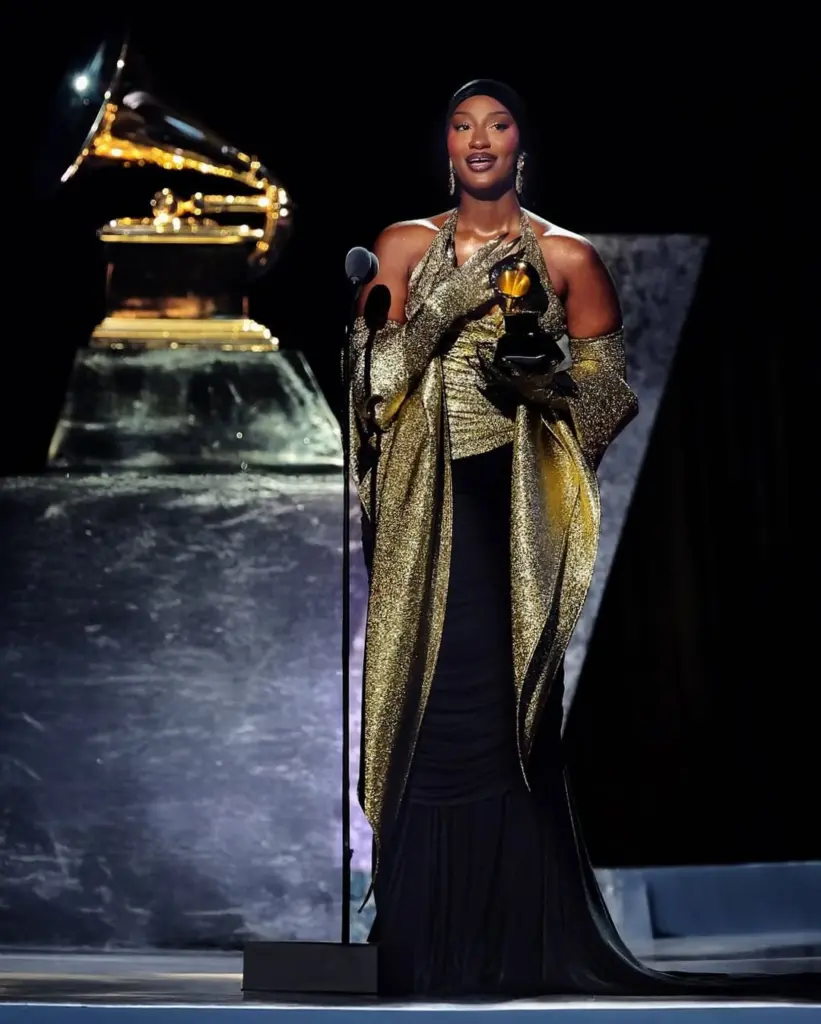
The Grammys now sit firmly within the wider luxury economy. Couture placements regularly influence seasonal demand. High jewellery showcases generate international exposure for collections otherwise reserved for private clients. Beauty and fashion houses use Grammy Week to introduce new ambassadors, campaign imagery, and long-term collaborations.
Hotels, private aviation firms, and hospitality groups increasingly align high-level client programming around the week, while global cities host parallel Grammy Night dinners and screenings that reflect the ceremony’s international reach.
The cultural afterlife of Grammy moments often extends well beyond music, shaping visibility across fashion, jewellery, beauty, and lifestyle sectors throughout the year.
Watching the Grammys, the Way the Industry Does
For those not attending in Los Angeles, Grammy Night is increasingly experienced through curated environments rather than private screens.
Private screening rooms, invitation-only dinners, and members’ club receptions in cities such as Los Angeles, New York, London, and Dubai have become established fixtures. These evenings often combine the broadcast with live performances, tasting menus, and hosted discussions, offering a social context aligned with the ceremony’s professional significance.
The focus rests on atmosphere and association, rather than television alone.
The Grammys’ Place in Modern High Culture
The Grammy Awards endure because they continue to operate across several worlds at once. They are a broadcast event, an industry benchmark, a fashion platform, and a discreet commercial forum. Each layer speaks to a different audience, yet all converge during one carefully orchestrated week.
As the industry moves into the 2026 season, the Grammys remain one of the few moments where music, luxury, and cultural influence align with sustained authority, shaping not only careers, but the wider creative and commercial landscape that surrounds them.