


All products are independently selected by our editors. If you buy something, we may earn an affiliate commission.
Each March, the Cotswolds settles into a familiar yet heightened rhythm. Roads that wind through quiet countryside grow busier, reservations are confirmed months in advance, and conversations turn to returning champions and promising novices. The Cheltenham Festival holds a singular position within British sporting life, drawing together heritage, society, and competition in equal measure.
To attend is to participate in a tradition that has shaped the National Hunt season for generations. Yet Cheltenham has never relied on nostalgia alone. Its stature is sustained through careful stewardship, considered investment, and an understanding that refinement need not disturb character. That balance defines the Festival as it stands today.
The Authority and Evolution of Cheltenham

Staged at Cheltenham Racecourse, the Festival has long been regarded as the championship meeting of jump racing. Since the early 20th century, it has served as the arena in which reputations are made and legacies secured. Victory here carries institutional weight and places horses, trainers, and owners within a lineage that extends well beyond a single season.
The structure of the week remains deliberate and assured. Four days, Champion Day, Style Wednesday, St Patrick’s Thursday, and Gold Cup Day, create a measured progression towards the defining contest of the meeting. The cadence is familiar, and that familiarity underpins its authority.
At the same time, the Festival continues to evolve with discernment. Prize money remains among the most competitive in National Hunt racing, reinforcing its international draw and sustaining strong Irish participation. Continued investment in premium enclosures and private hospitality has refined sightlines, dining environments, and service standards across the racecourse. Sustainability measures, increasingly integral to British sport, have been integrated thoughtfully, ensuring operational progress while preserving the atmosphere long-standing attendees expect.
Cheltenham’s standing rests on this equilibrium, tradition upheld and experience elevated.
The Championship Contests
At the centre of the week are the races that define reputations. The Champion Hurdle opens the Festival with technical precision and pace, often establishing early momentum between British and Irish stables. The Queen Mother Champion Chase tests accuracy and nerve, while the Stayers’ Hurdle rewards resilience over an extended distance.
Everything builds towards Gold Cup Day. The Cheltenham Gold Cup remains the ultimate measure of steeplechasing excellence. Winning here defines careers and secures legacies for owners whose interests often span global bloodstock portfolios. Even for those who attend as guests rather than specialists, the ascent to the finishing post on Gold Cup afternoon carries unmistakable gravitas.
Hospitality at the Highest Level

While the racing commands attention, the manner in which it is experienced distinguishes the week. The racecourse, operated by the Jockey Club, offers a layered hospitality structure designed to accommodate long-standing patrons and corporate hosts alike.
Private boxes overlooking the home straight provide seclusion and direct sightlines to the closing stages of each race. Flagship restaurants combine seasonal menus with attentive table service, allowing guests to move between dining rooms and balconies with ease. In premium lounges, dedicated hosts manage everything from champagne service to discreet betting arrangements.
Demand is most acute for Gold Cup Day, when high-profile owners, industry figures, and established racegoers converge. Early commitment remains essential for those seeking the most favourable vantage points.
Arrival logistics are handled with similar consideration. Helicopter transfers into designated landing areas ease congestion, while private aviation into regional airports and chauffeur-driven routes from London offer a more measured approach to Festival mornings.
The Codes of Cheltenham Style
Cheltenham’s aesthetic is grounded in classic country tailoring. Structured coats, tweed suits, silk scarves, and polished leather boots form the visual language of the enclosures. Style Wednesday retains its place within the calendar, though its emphasis has matured into a celebration of craftsmanship rather than novelty.
March in Gloucestershire rarely offers predictability. Layered fabrics and well-cut outerwear allow elegance to sit comfortably alongside practicality. The overall impression is assured and considered, in keeping with the tone of the week itself.
Where to Stay in the Cotswolds
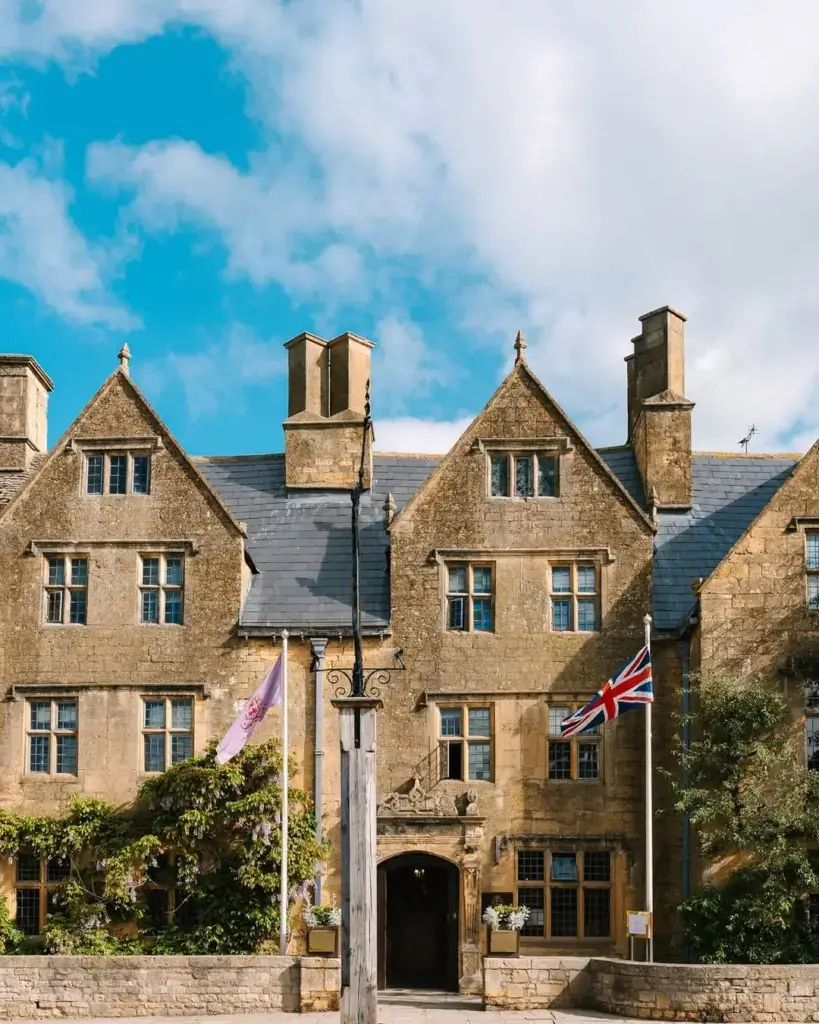
Accommodation choices shape the rhythm of each day. Ellenborough Park, located close to the racecourse, offers heritage architecture and relative convenience for early departures. Further into the Cotswolds, The Lygon Arms and Cowley Manor provide greater seclusion within landscaped grounds and period surroundings.
Some owners and returning attendees favour exclusive-use country houses, where privacy allows for informal entertaining long after the final race. Availability narrows considerably during Festival week, reinforcing the value of planning.
Evenings and the Wider Social Rhythm
As racing concludes each afternoon, the social current continues across the region. Private dinners hosted by owners and trainers, refined whisky tastings, and invitation-led gatherings shape the evenings. Cheltenham town maintains a lively atmosphere, yet many gravitate towards quieter dining rooms and private settings within the surrounding villages.
The Festival extends beyond the rails and permeates the Cotswolds for the duration of the week.
An Enduring Fixture
Cheltenham’s standing within British sport rests on more than prize money or attendance figures. It represents continuity within a changing landscape, a place where long-standing tradition is maintained with measured evolution. In the present season, as in decades past, it remains a meeting point for excellence in racing and a carefully observed moment within the social calendar.
Approached with forethought, the Festival offers participation in a cultural ritual that continues to define the season.