

All products are independently selected by our editors. If you buy something, we may earn an affiliate commission.
The Berlin Fashion Week Fall/Winter edition carries a distinct presence on the calendar. The programme leans toward institutional spaces, curated presentations, and a social rhythm shaped by private encounters rather than spectacle. Collections are often revealed through salons, architectural venues, and cultural settings that place design in conversation with art, sound, and space.
This edition of the week tends to foreground construction, outerwear, and textile development, encouraging formats that allow closer engagement with material, silhouette, and narrative. Fashion moves fluidly between museums, galleries, dining rooms, and private salons, forming a programme that feels composed, layered, and culturally grounded.
The Character Of The Fall/Winter Edition
The Fall/Winter programme traditionally favours more intimate and concept-driven settings. Designers often select historic institutions, restored palaces, and monumental interiors that support lighting, acoustics, and spatial storytelling.
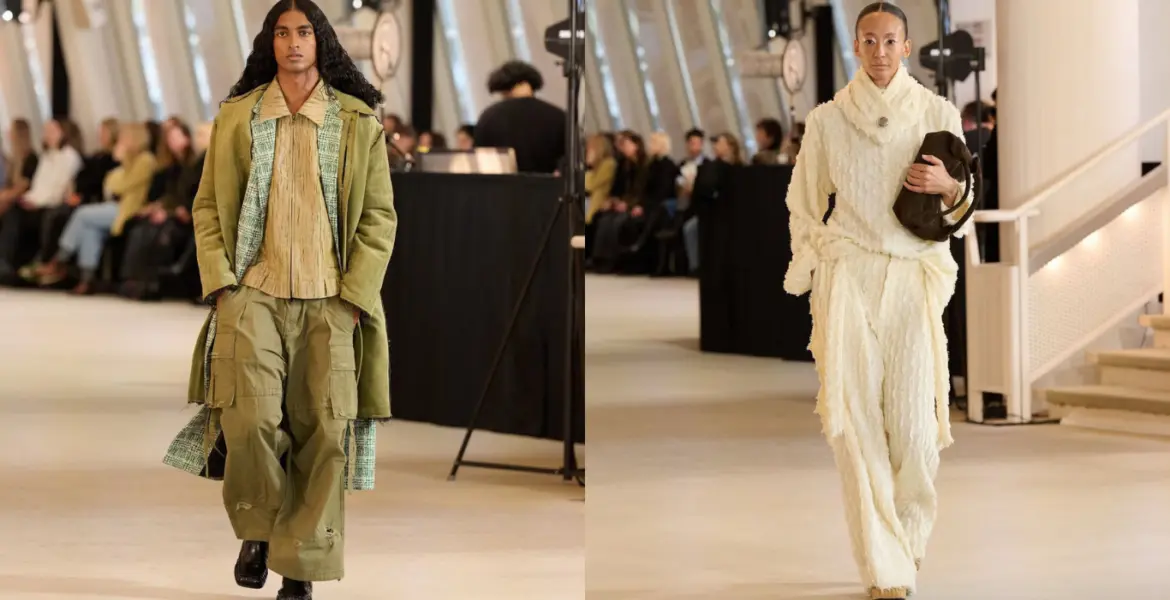
Venues such as Kronprinzenpalais, Alte Münze, and Kraftwerk Berlin reflect this approach, offering environments where collections can unfold with focus and atmosphere. Presentations frequently take the form of salons, installations, or closely staged runway shows, emphasizing texture, tailoring, and fabrication.
The Seasonal Flow Of The Week
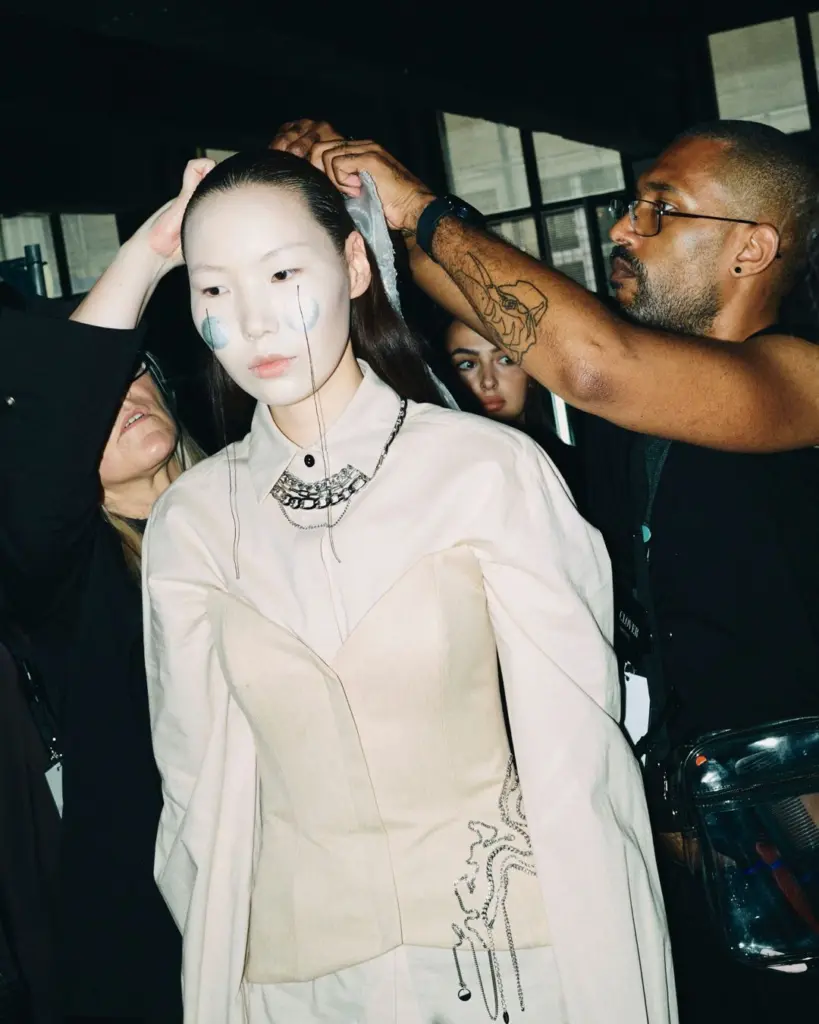
Days are typically structured around morning and early-afternoon shows, private presentations, and showroom appointments across Mitte, Charlottenburg, and Kreuzberg. These hours are often reserved for focused encounters between designers, buyers, editors, and cultural collaborators.
As evening approaches, the pace shifts. The Fall/Winter calendar places greater weight on private dinners, gallery receptions, and hotel-based gatherings, where conversations around collections extend beyond the venues themselves.
Designers Central To The Programme
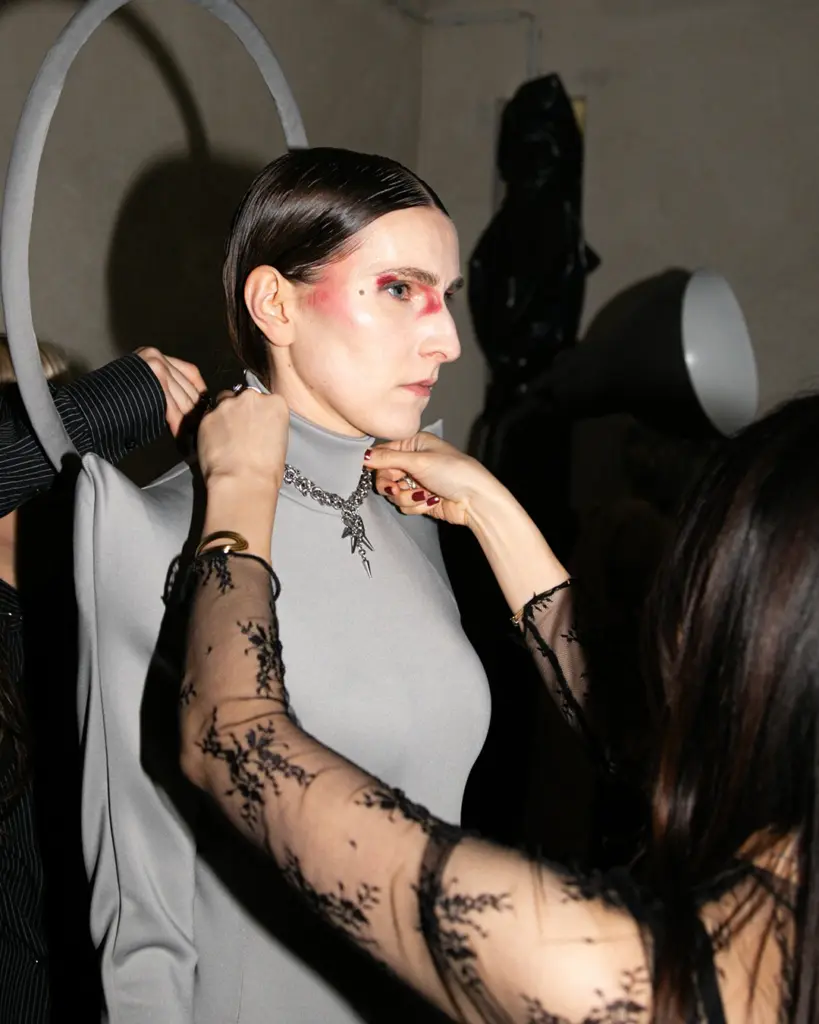
Berlin’s Fall/Winter edition continues to platform German fashion alongside international designers who favour conceptual clarity and material experimentation. Labels such as GmbH, William Fan, Marc Cain, Lala Berlin, and Dawid Tomaszewski remain consistent reference points, often using the Fall/Winter season to explore outerwear, tailoring, and structural design.
Alongside them, emerging designers regularly choose Berlin as a stage for close-format presentations and private showcases, allowing deeper access to process, construction, and creative philosophy.
Where Fashion Unfolds Across The City
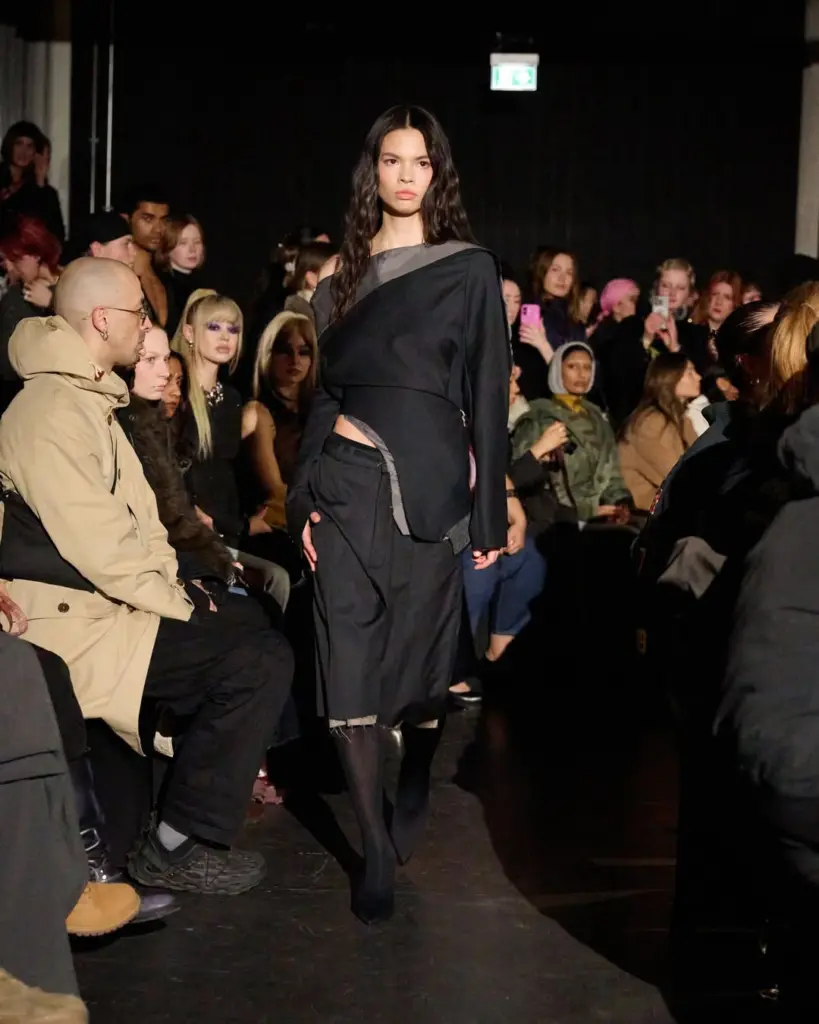
Rather than concentrating activity in one fashion quarter, Berlin Fashion Week operates across the city’s cultural core. Mitte anchors much of the programme through galleries, historic buildings, and institutional venues. Charlottenburg offers classical interiors, museums, and private residences suited to closed presentations and evening gatherings. Kreuzberg continues to contribute industrial volumes and contemporary art spaces that align naturally with Berlin’s design language.
Cultural anchors such as Hamburger Bahnhof and venues like Kühlhaus Berlin frequently feature across seasons, situating fashion within the city’s wider artistic ecosystem.
Where To Base Yourself During The Season
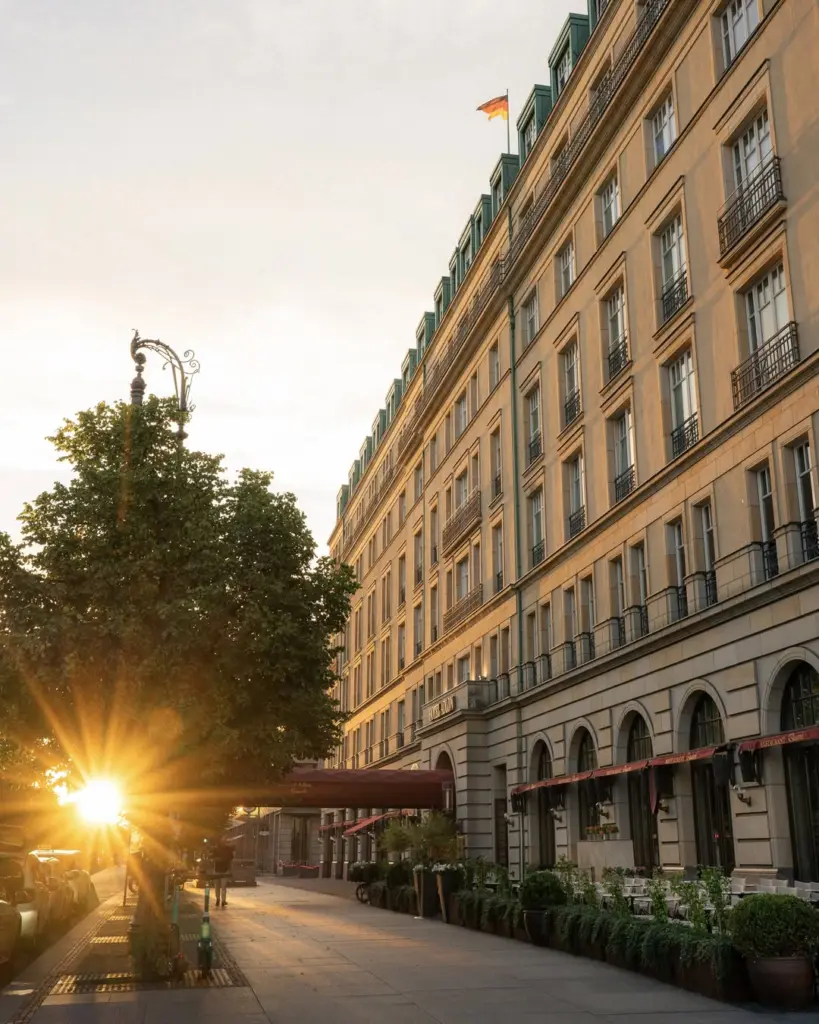
Accommodation choices during the Fall/Winter edition tend to prioritise discretion, service, and proximity to cultural districts.
Hotel Adlon Kempinski remains a long-standing base for fashion and cultural figures, valued for privacy, heritage, and its position near Tiergarten and many formal venues. Hotel de Rome continues to attract designers, editors, and buyers for its central location, spa facilities, and understated grandeur. SO/ Berlin Das Stue offers a quieter, residential atmosphere, while Hotel Zoo Berlin provides a more creatively driven setting with a strong evening presence.
For extended schedules, serviced residences around Mitte and Charlottenburg are frequently selected, allowing space for fittings, meetings, and private hosting.
The Dining Rooms That Shape The Week
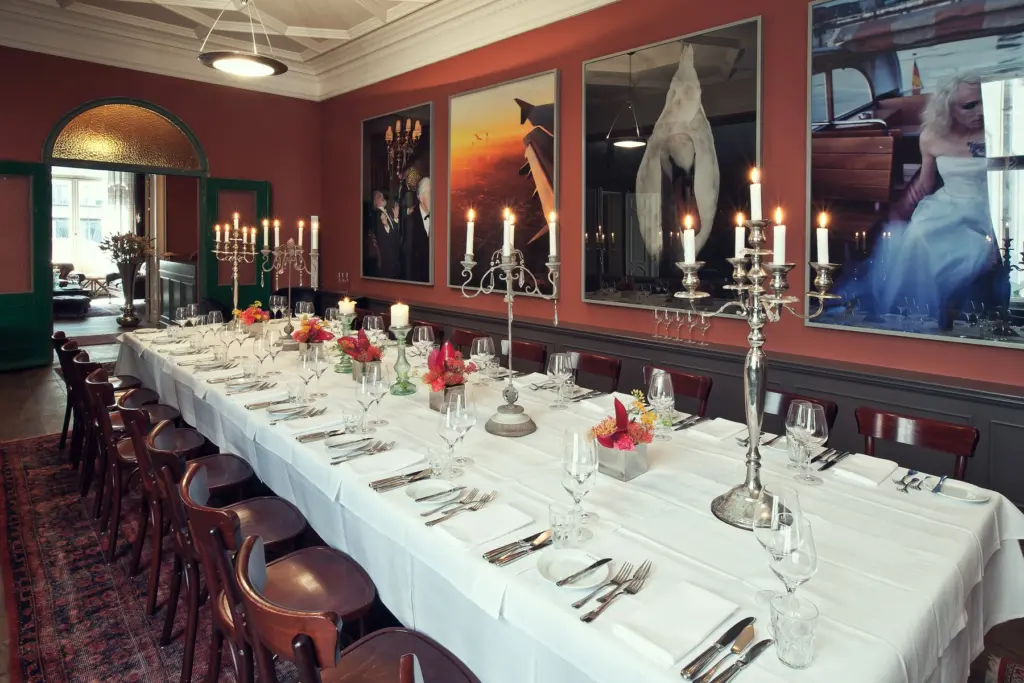
Dining plays a central role during the Fall/Winter edition, often becoming the primary social framework of the week.
Grill Royal remains a consistent evening address for designers, editors, and collaborators, with private rooms frequently used for hosted brand dinners. Borchardt continues to function as a discreet meeting point for lunches and late suppers. Restaurant Tim Raue is regularly chosen for formal brand evenings and culinary-led gatherings. Nobelhart & Schmutzig and Cookies Cream often appear on private schedules for those engaging with Berlin’s contemporary dining scene.
These tables frequently become extensions of the show calendar, where collections are discussed, and relationships deepen.
Cultural And Private Encounters
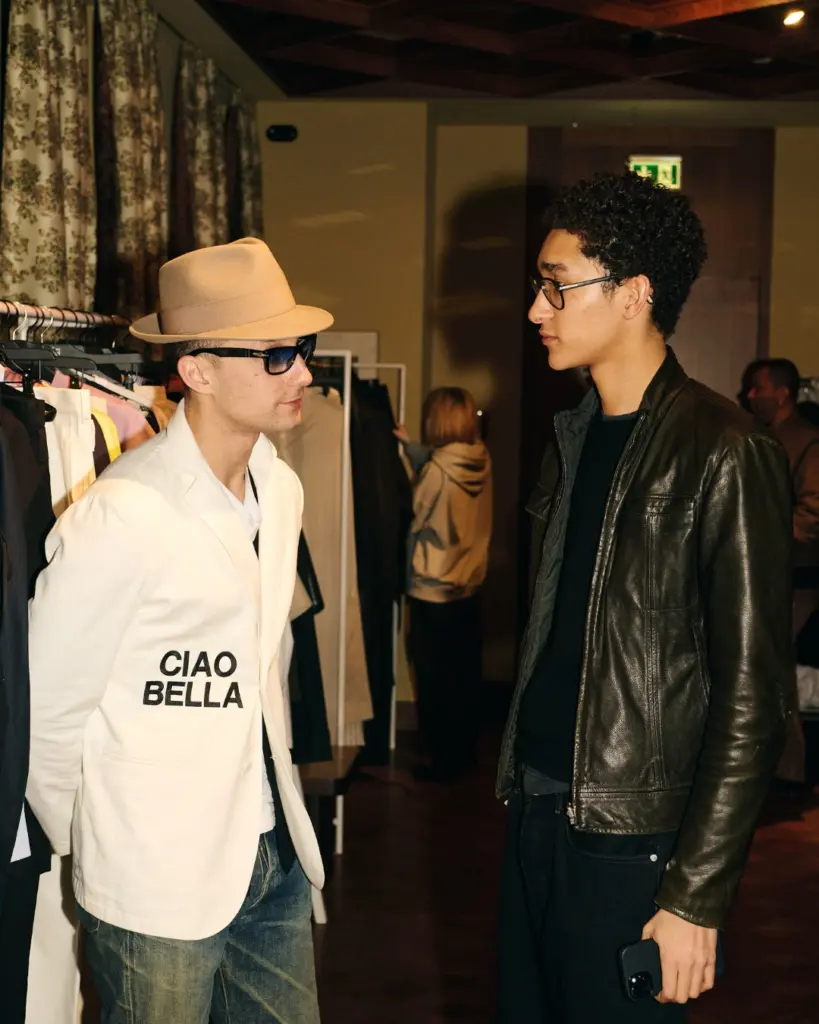
The Fall/Winter programme often overlaps with Berlin’s most sought-after cultural invitations. Private gallery openings, foundation salons, and curated exhibition visits regularly accompany fashion week schedules.
Access to spaces such as the Boros Collection bunker, alongside temporary fashion-art installations and invitation-only studio visits, forms part of the wider experience. Architectural tours, contemporary art previews, and music-led salon evenings are frequently interwoven, reinforcing Berlin’s reputation for interdisciplinary exchange.
Experiencing The FW26 Edition
The Fall/Winter edition of Berlin Fashion Week tends to be navigated through selection rather than saturation. Schedules are often built around a focused group of designers, a limited number of presentations, and a social calendar shaped by dining rooms, galleries, and private spaces.
Time is divided between runways, showrooms, and salons, with much of the week’s character revealed through conversation, setting, and cultural alignment. It is within this structure that the Fall/Winter edition of Berlin Fashion Week continues to distinguish itself, measured, access-driven, and quietly influential.