

All products are independently selected by our editors. If you buy something, we may earn an affiliate commission.
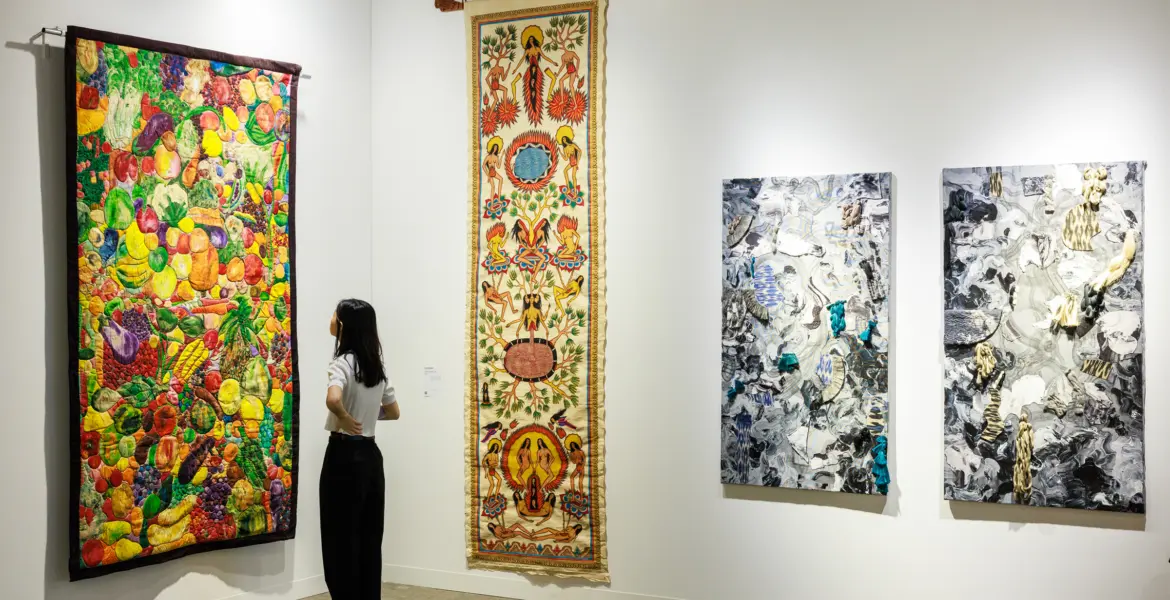
Each spring, Art Basel Hong Kong brings together a discerning mix of collectors, curators, gallerists, and institutions, all converging on one of the most significant art events in the Asia-Pacific calendar. The fair carries the weight of its Basel and Miami Beach counterparts. Yet, its character is distinctly shaped by its location, where international blue-chip galleries meet a strong regional voice.
For those attending, the experience extends well beyond the exhibition floor. The week unfolds across private viewings, invitation-only dinners, and a city that continues to balance financial gravity with cultural ambition.
A City That Frames the Experience
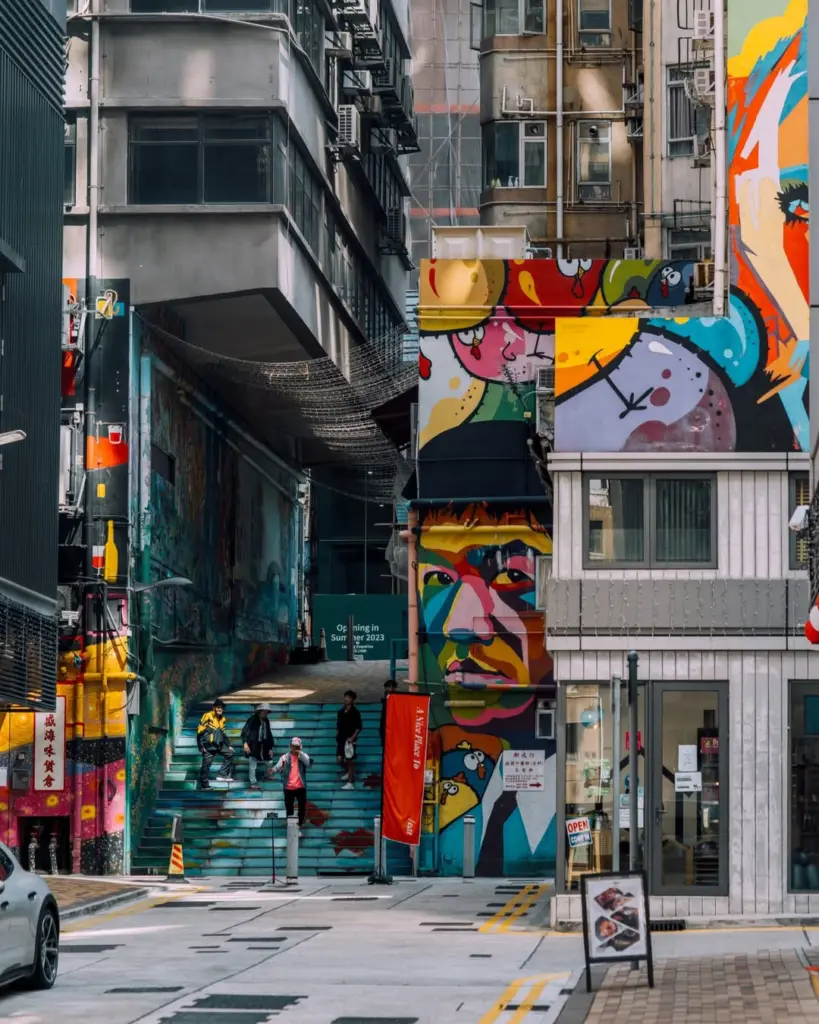
Set against Hong Kong’s skyline, the fair takes place at the Hong Kong Convention and Exhibition Centre, a venue that feels purpose-built for an event of this scale. Positioned along Victoria Harbour, the venue offers sweeping views that lend a sense of openness, even during the fair’s busiest moments.
Hong Kong’s position as a gateway between East and West remains central to the fair’s identity. Despite shifts in the global market, the city continues to attract leading galleries and serious collectors, supported by its infrastructure, established art ecosystem, and proximity to major Asian markets.
Navigating the Fair with Intention
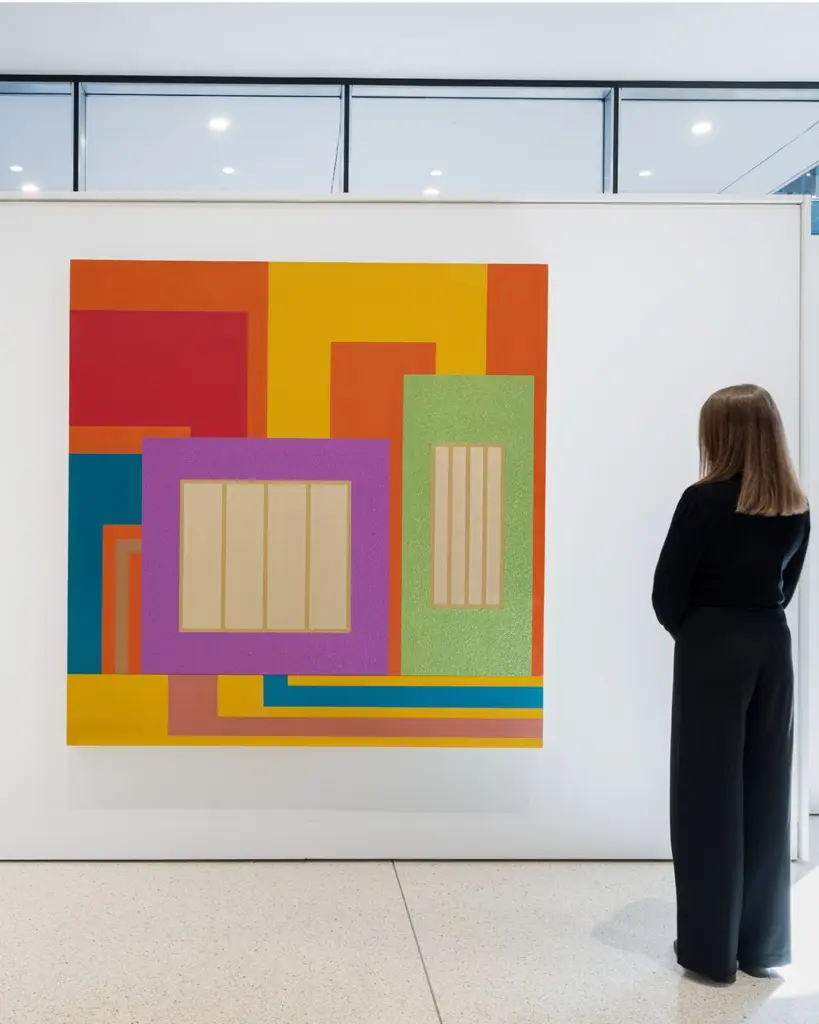
Art Basel Hong Kong is structured in a way that rewards a considered approach. The main Galleries sector features internationally recognised names presenting museum-quality works, often forming the anchor of the fair.
Insights offers a more historically grounded perspective, with a particular emphasis on Asia-Pacific artists, while Discoveries introduces emerging voices, often drawing curatorial interest and early-stage acquisitions.
The Encounters sector brings scale into play, with large installations that shift the rhythm of the fair, and Film alongside Conversations provides a more reflective counterpoint through screenings and panel discussions.
Moving through these sections with a sense of pacing is essential. The fair is expansive, and those who approach it strategically tend to engage more meaningfully with what is on view.
The Key Focus Points
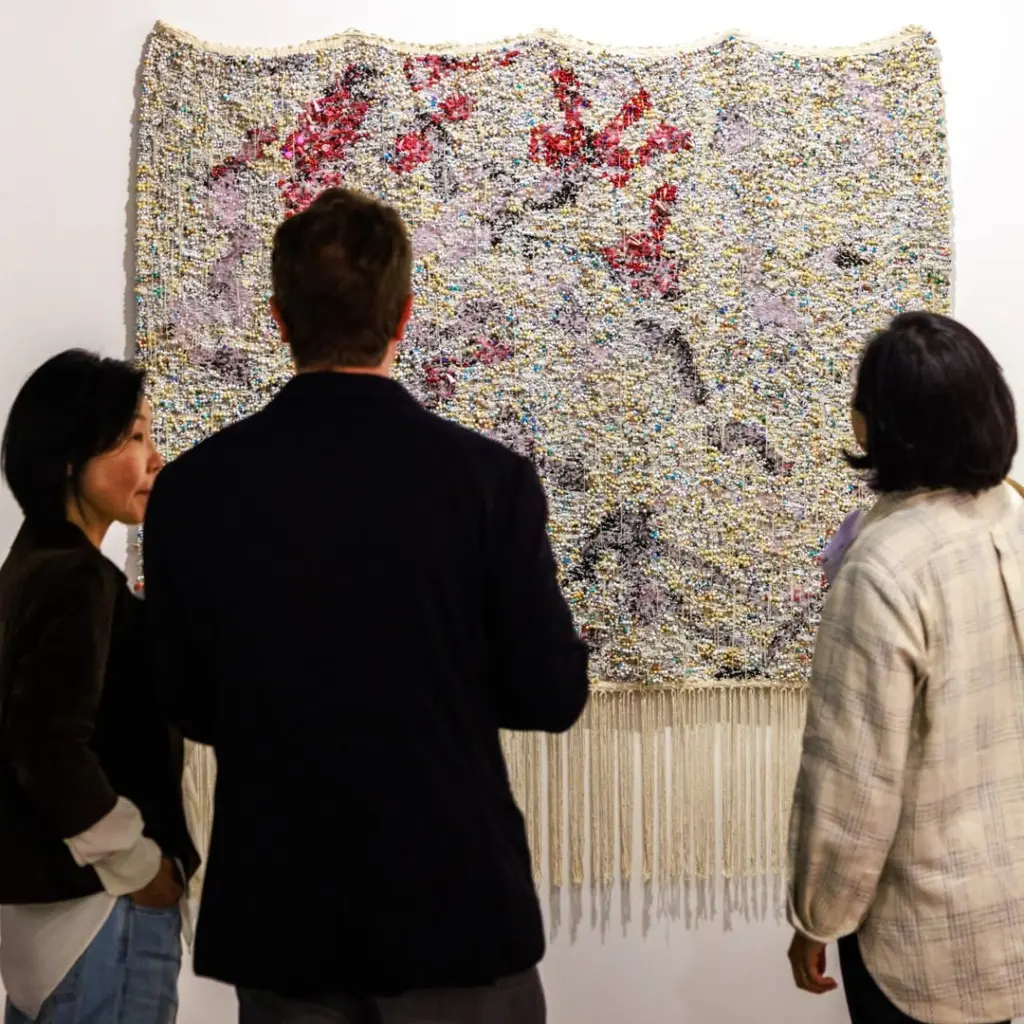
The opening days, reserved largely for VIP guests, set the tone for the week. This is when the most significant works are placed and, often, acquired. Access during this period allows for a quieter, more deliberate viewing experience.
Collectors tend to focus their time between established galleries and carefully selected emerging presentations. The balance between blue-chip works and younger artists is where the fair feels most dynamic. It is also where curatorial insight becomes most apparent.
Allow time for the Encounters installations, which offer a shift in scale and perspective, and can provide a welcome pause between more traditional booth presentations.
The Social Layer of the Week
Beyond the fair itself, the surrounding calendar plays a defining role. Private gallery dinners, brand-hosted evenings, and collector-led gatherings unfold across the city, often behind closed doors.
Luxury houses, watchmakers, and fashion brands frequently align themselves with the week, hosting events that blend art with broader cultural conversations. Access is typically by invitation, reinforcing the sense that much of the week’s value lies in its networks as much as its exhibitions.
The Right Hong Kong Address
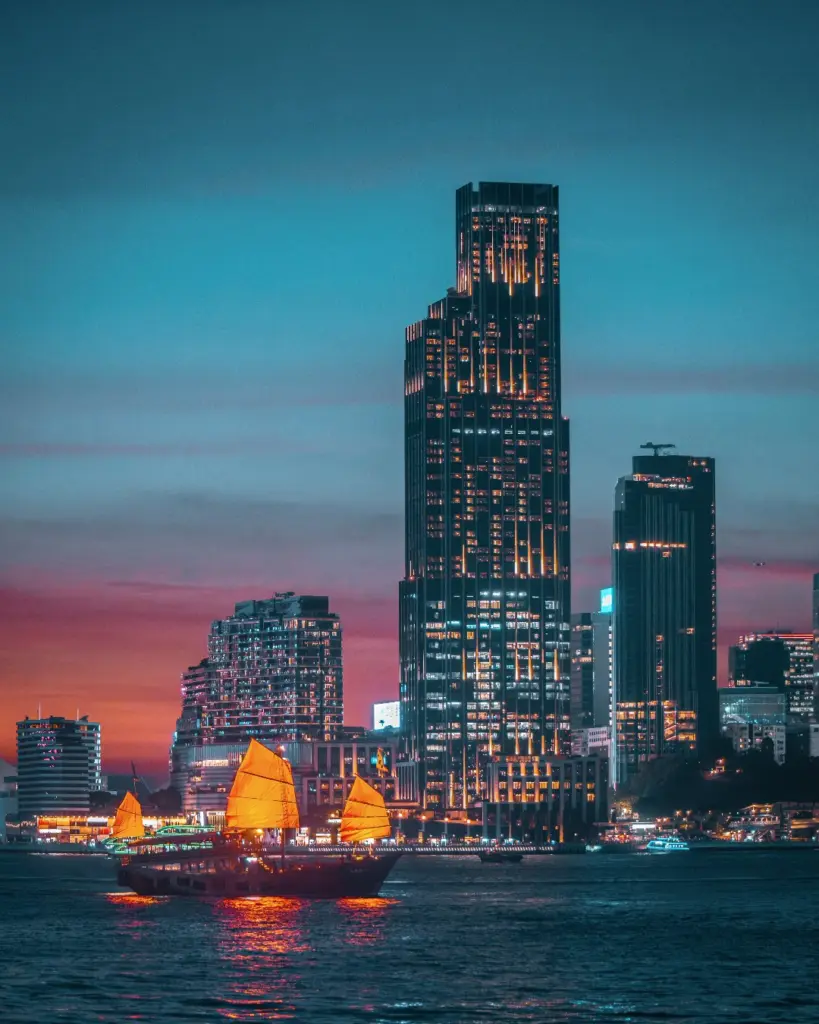
Choosing the right base can shape the entire experience. Rosewood Hong Kong offers expansive harbour views and a residential feel, with suites that provide both space and privacy during a busy week.
The Upper House appeals to those who prefer a quieter, more understated environment, with its calm interiors and discreet service.
Mandarin Oriental Hong Kong remains a fixture for its location and long-standing reputation, particularly among returning visitors.
For those drawn to heritage, The Peninsula Hong Kong continues to offer a more classical stay, complemented by its fleet of chauffeured Rolls-Royces.
Dining Between Engagements
The dining scene during Art Basel week reflects the city’s broader culinary standing. Central and Wan Chai become focal points for both formal and informal meetings, with Michelin-starred restaurants and discreet private dining rooms in high demand.
Reservations tend to be secured well in advance, particularly for evening service. Many of the most valuable conversations of the week take place over long lunches or late dinners, where the setting allows for a more relaxed exchange than the fair floor permits.
Beyond the Fair
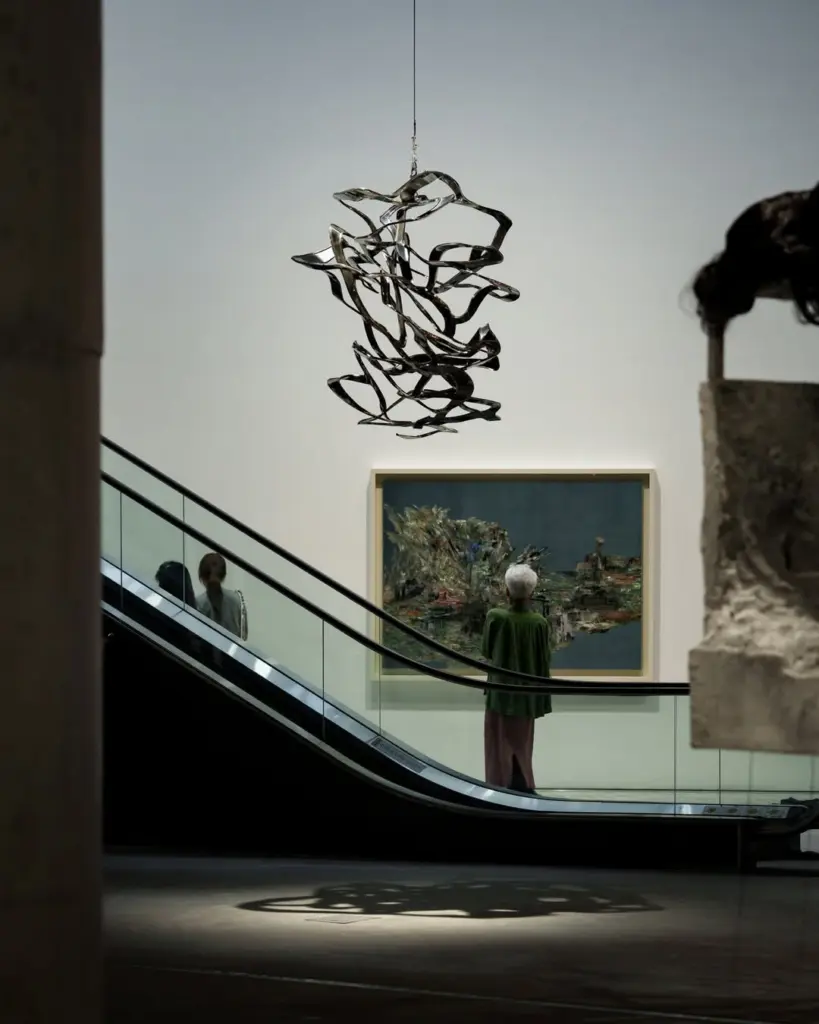
Time away from the exhibition hall often proves just as rewarding.
M+ Museum offers a compelling overview of contemporary visual culture, while Tai Kwun provides a layered mix of heritage and contemporary programming within a restored architectural setting.
In Central and Sheung Wan, private galleries present exhibitions that run parallel to the fair, often with a more focused curatorial approach.
For those looking to step back from the pace, time on the harbour, whether by private yacht or simply along the waterfront, offers a necessary contrast.
Practical Notes, Quietly Considered
Attendance is best planned with intention. VIP access provides a more measured introduction to the fair, while public days bring a noticeably higher volume of visitors.
Transport across the city is efficient, though many opt for chauffeured cars during the week to maintain flexibility. The dress code tends towards understated refinement, with an emphasis on tailoring and ease rather than overt display.
The Rhythm of Art Basel Hong Kong
Art Basel Hong Kong unfolds with a particular cadence. Mornings begin with focused viewing, afternoons give way to meetings and private appointments, and evenings extend into a series of carefully curated gatherings.
What defines the week is not a single moment, but the interplay between art, conversation, and setting. It is this balance that continues to secure its place within the global art calendar, drawing those who value both the work on the walls and the world that surrounds it.