

All products are independently selected by our editors. If you buy something, we may earn an affiliate commission.
Tucked away on a relatively quiet stretch of Queen Street in Mayfair, Murano has spent years doing something many London restaurants struggle to maintain for long: consistency without complacency. Since opening in 2008 under the guidance of Angela Hartnett, the restaurant has held on to its Michelin star while avoiding the stiffness and theatrical excess that often follow that level of acclaim.
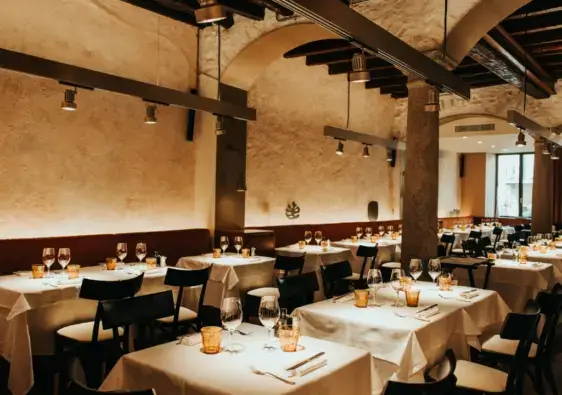
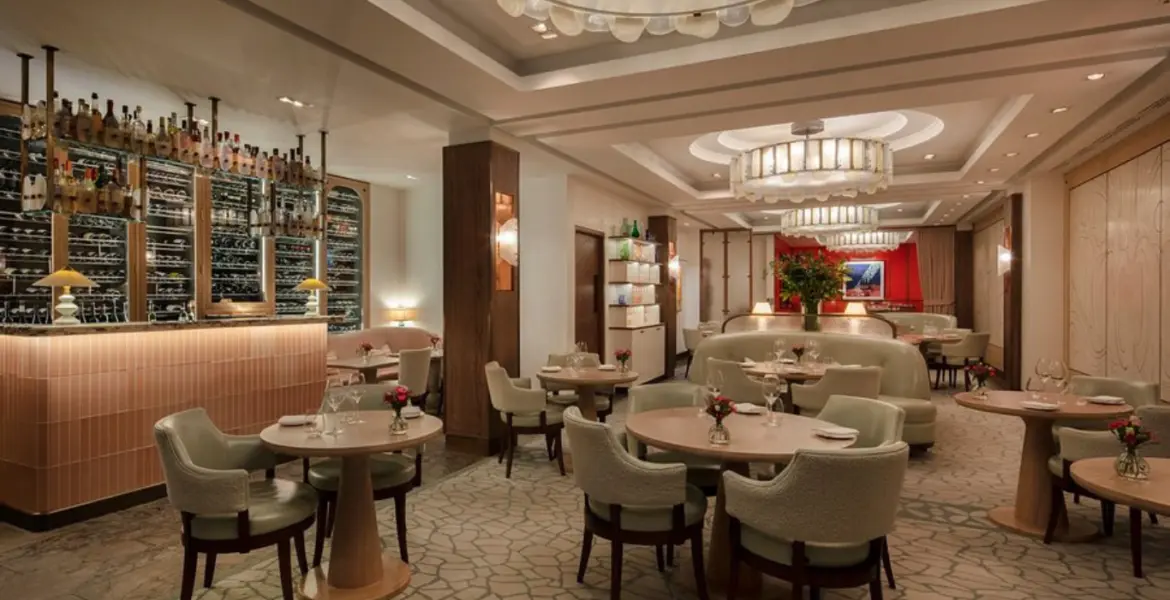
There is a calm confidence to Murano from the moment you walk through the door. The dining room feels elegant without becoming intimidating, with soft lighting, pale stone, dark wood accents, and comfortably spaced tables that keep the restaurant intimate rather than crowded. Service arrives with polish but very little ceremony. Staff is attentive and knowledgeable, though never rehearsed to the point of sounding robotic. In a part of London where some dining rooms seem more interested in spectacle than hospitality, Murano feels refreshingly grounded.
The restaurant’s personality is closely tied to Hartnett herself. Her Italian heritage, particularly her family roots in Emilia-Romagna, still shapes the menu, though the cooking is unmistakably London in its use of British produce and seasonality. Handmade pasta remains central to the experience, supported by excellent meat, seafood, and vegetable dishes that lean into clarity of flavour rather than unnecessary complexity.
The menu changes regularly, but there’s a consistency in approach that gives Murano its identity. Dishes feel thoughtful and refined without losing warmth or generosity.
A Dining Room Built Around Comfort
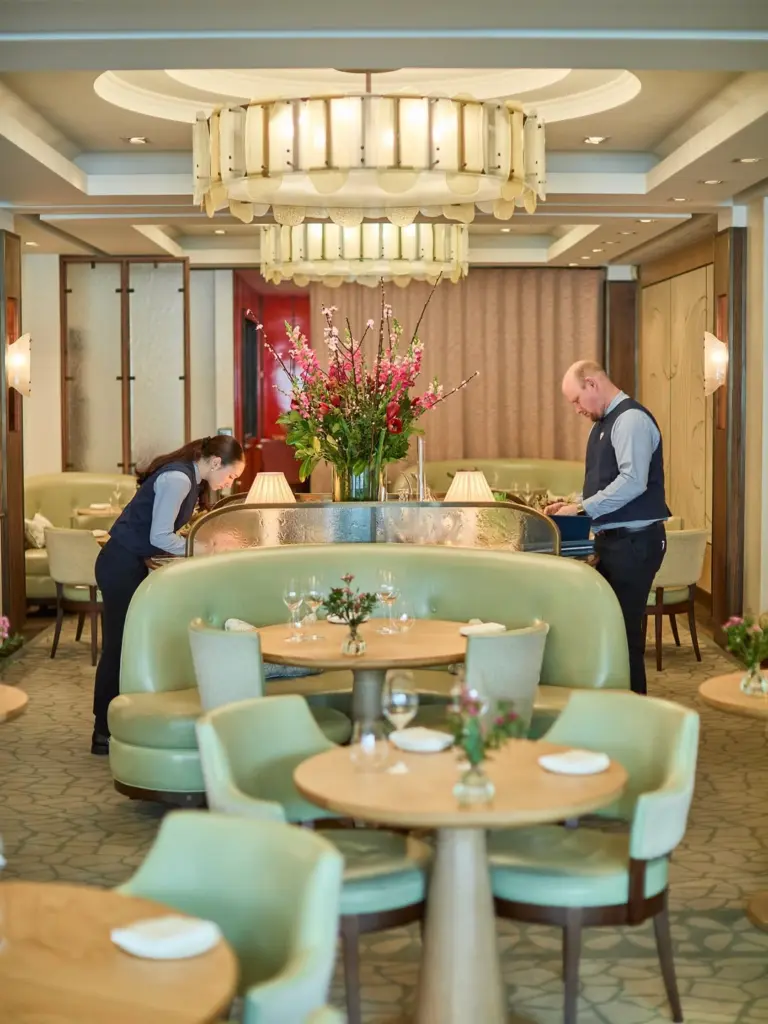
Murano’s greatest strength may well be how easy it feels to settle into the evening. Despite the Michelin star, there is very little sense of performance. Tables aren’t crowded with excessive cutlery, servers don’t recite lengthy monologues about ingredients, and the room carries a low, steady hum rather than the forced quietness often found in formal tasting-menu restaurants.
It works particularly well for long lunches, discreet business dinners, and celebrations where conversation matters as much as the food itself. You can arrive dressed for Mayfair and still feel comfortable ordering a plate of pasta and a glass of Barolo without the evening turning into a four-hour production.
That balance is difficult to get right, especially in this part of London.
Angela Hartnett’s Signature Style
Hartnett’s cooking has always stood apart from trend-led fine dining because it resists unnecessary reinvention. Murano succeeds by refining familiar ideas rather than chasing novelty.
Italian influences run through the entire menu, though often filtered through British ingredients and classical European technique. Handmade pasta remains one of the restaurant’s defining strengths, and there is a quiet confidence in how dishes are assembled. Sauces are restrained, seasoning is precise, and the focus rarely drifts from the quality of the produce itself.
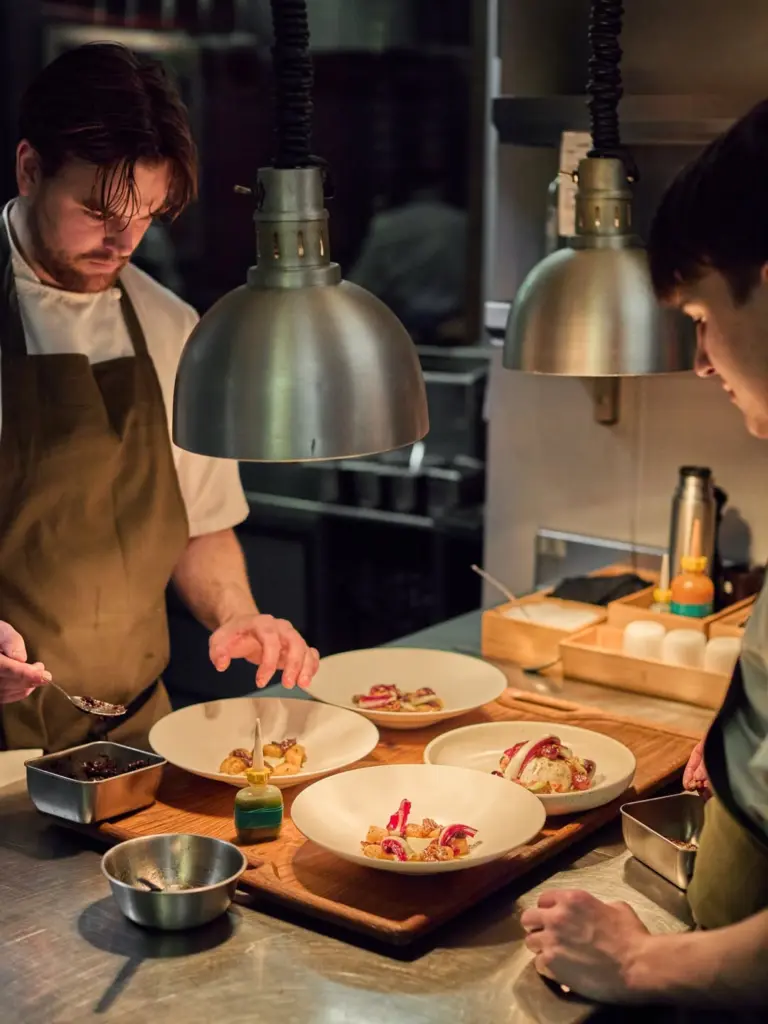
The restaurant’s longevity also says something important about its place in London dining. Murano has remained relevant while many highly publicised openings around it have disappeared after a few years of hype. Regulars return because the experience feels dependable in the best possible sense.
The Menu at Murano
Murano offers both à la carte and tasting formats, with the flexibility to choose between three to six courses depending on appetite and occasion. That flexibility gives the restaurant a more relaxed feel than many Michelin-starred counterparts, particularly for lunch.
Starters and Opening Plates
The opening dishes immediately establish the restaurant’s style: elegant, ingredient-led, and quietly rich in flavour.
Seasonal seafood features prominently, with dishes such as Portland crab appearing alongside delicate vegetable-led starters that shift throughout the year. The pappa al pomodoro agnolotti captures Murano’s approach particularly well. Familiar Italian flavours are elevated through texture and precision rather than dramatic presentation.
The kitchen also handles lighter plates with notable restraint. Rather than overcrowding dishes with competing elements, ingredients are given space to breathe. Even richer starters tend to arrive balanced and measured.
Handmade Pasta and Signature Dishes
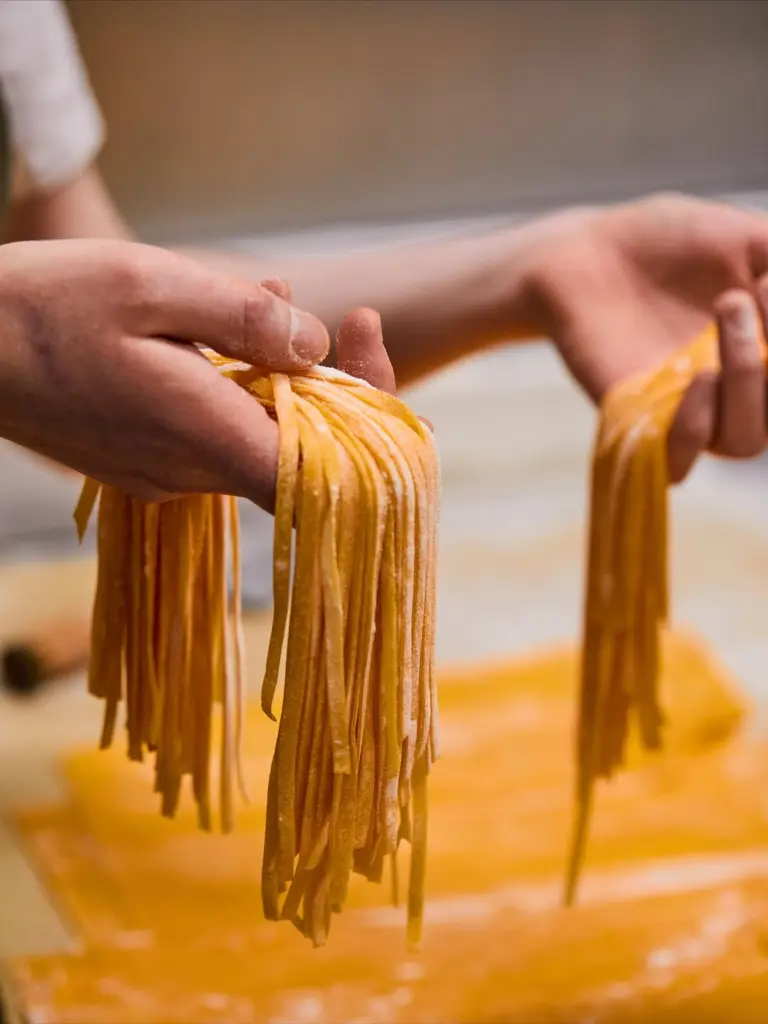
Pasta is unquestionably one of the highlights here. Murano makes its pasta by hand multiple times daily, and the difference is immediately noticeable in both texture and depth.
Depending on the season, dishes may include agnolotti filled with pappa al pomodoro, richly flavoured ragù preparations, or more delicate combinations built around butter, herbs, and carefully judged acidity. Portions are generous enough to feel satisfying while still leaving room for later courses.
The pasta section avoids overcomplication, which is exactly why it works so well. Sauces coat rather than overwhelm, and the quality of the dough itself remains central.
Seasonal Mains and British Produce
The main courses showcase Murano’s British-Italian identity most clearly.
Recent menus have included Iberico pork served with tenderstem broccoli and garlic pomme purée, Herdwick lamb rump with vegetables à la vignarola and pancetta, and Sladesdown duck paired with beetroot, rhubarb, and honey mustard.
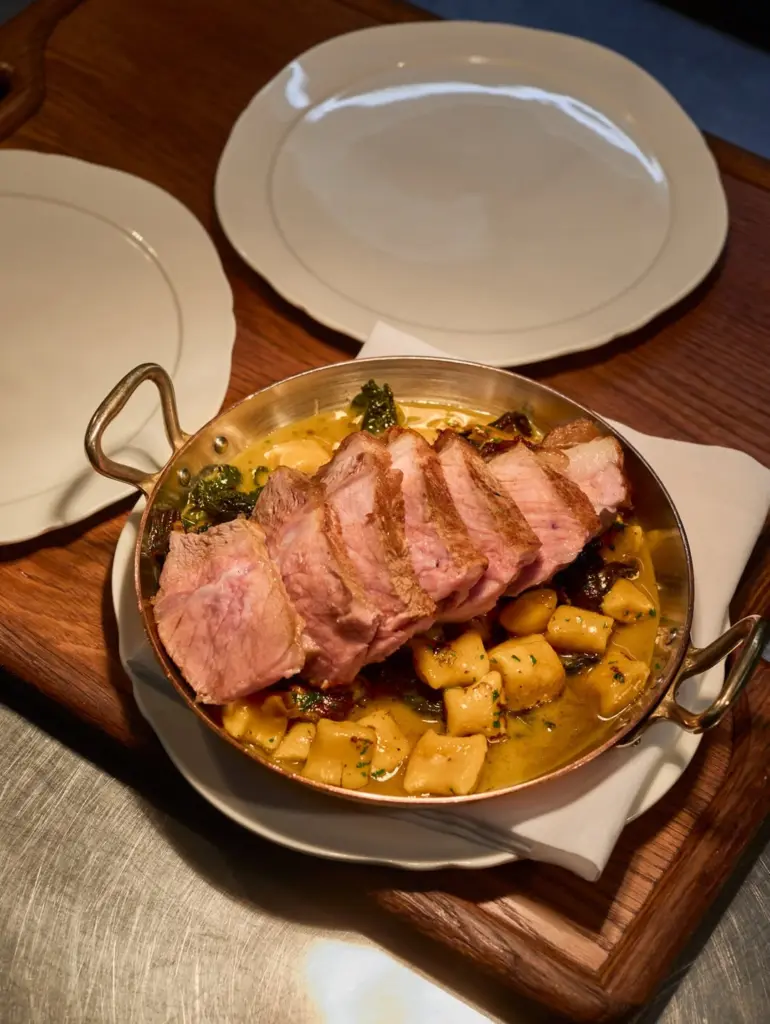
There is a confidence in the way these dishes balance richness with freshness. The accompaniments never feel decorative or excessive, and seasonal produce is treated with as much care as the proteins themselves.
Seafood dishes continue the same approach. Cornish and Scottish ingredients frequently appear across the menu, often paired with subtle Italian influences rather than overt Mediterranean styling.
Desserts and The Finish to the Evening
Desserts at Murano follow the same philosophy as the savoury courses: refined, balanced, and carefully portioned.
Rather than leaning into overly elaborate pastry work, the kitchen focuses on clean flavours and texture. Expect polished takes on Italian classics alongside seasonal fruit-led desserts and lighter finishes that work particularly well after a multi-course dinner.
The pacing of the meal also deserves mention. Courses arrive steadily without feeling rushed, allowing the evening to unfold naturally. By the time coffee and petits fours appear, the experience still feels relaxed rather than exhausting.
Wine, Pairings, and Service
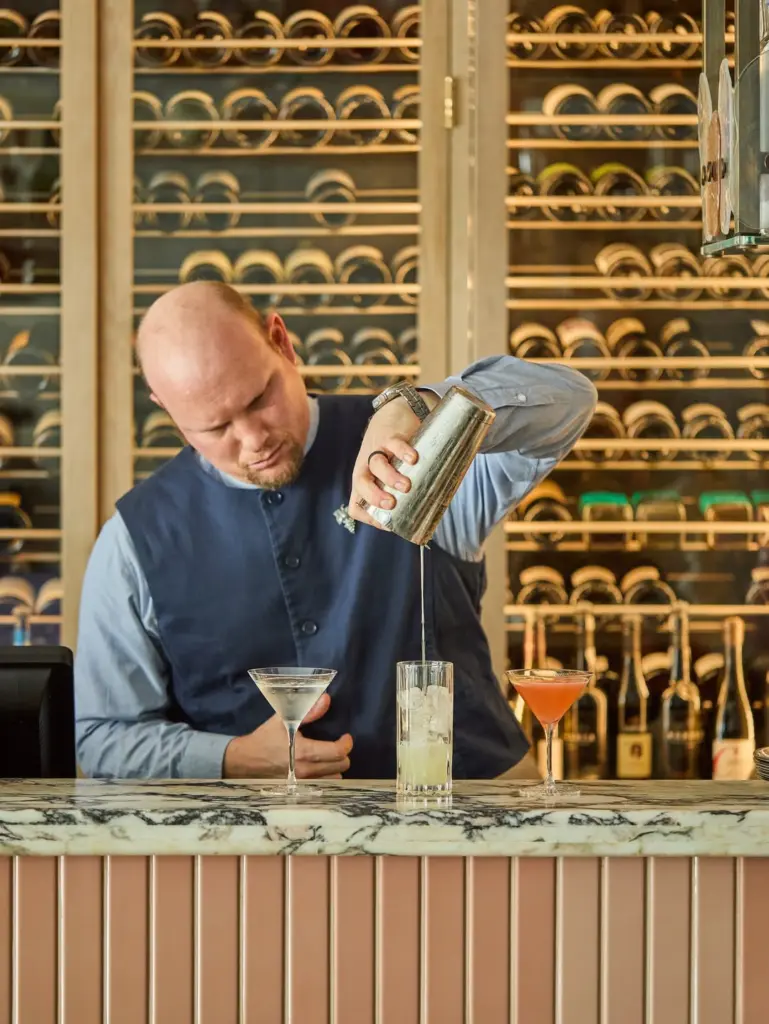
The wine programme leans heavily into Italian labels while still offering strong French and wider European representation. Natural wines also feature throughout the list, reflecting Murano’s broader focus on producers and sourcing.
The sommeliers guide without overselling, which suits the restaurant’s tone perfectly. Recommendations feel tailored to the table rather than driven by prestige bottles alone.
Service overall is one of Murano’s strongest assets. Staff strike a difficult balance between warmth and precision, and there is a genuine ease to the interaction throughout the meal. Questions are answered confidently, pacing is well judged, and the room operates with the kind of smooth professionalism that often goes unnoticed until it is absent elsewhere.
Murano’s Place Within Mayfair
Mayfair has no shortage of luxury restaurants, but Murano occupies a slightly different space within the neighbourhood’s dining scene. It lacks the overt glamour of some newer openings, yet that restraint is precisely what makes it appealing.
The restaurant attracts diners who care deeply about food but do not necessarily want an evening built around performance or exclusivity theatre. It feels equally suited to seasoned London regulars, international visitors staying nearby at places like The Connaught or Claridge’s, and locals looking for a reliably polished dinner in the heart of Mayfair.
After dinner, the surrounding area naturally lends itself to a slower continuation of the evening, whether that means cocktails in The Connaught Bar, a short walk through Shepherd Market, or simply lingering over another glass of wine at the table.
Murano never tries too hard to impress, which is exactly why it continues to do so. Beneath the Michelin star, there is still a genuine sense of hospitality and ease that makes people want to return.
Location: 20 Queen St, Mayfair, London W1J 5PP