

All products are independently selected by our editors. If you buy something, we may earn an affiliate commission.
Cabo de Palos moves at its own pace. Mornings are shaped by the sea, afternoons stretch lazily into evening, and dining tends to feel more considered than hurried. Within this setting, Gran Torino Cabo de Palos has settled into place with quiet confidence, offering a version of Italian cooking that leans on tradition, careful sourcing, and a sense of hospitality that feels genuinely personal.
A Coastal Setting That Feels Personal
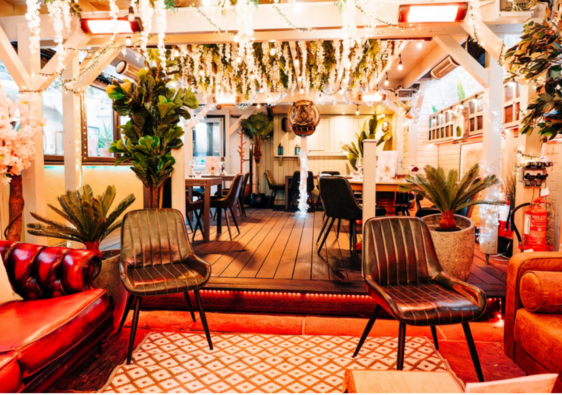
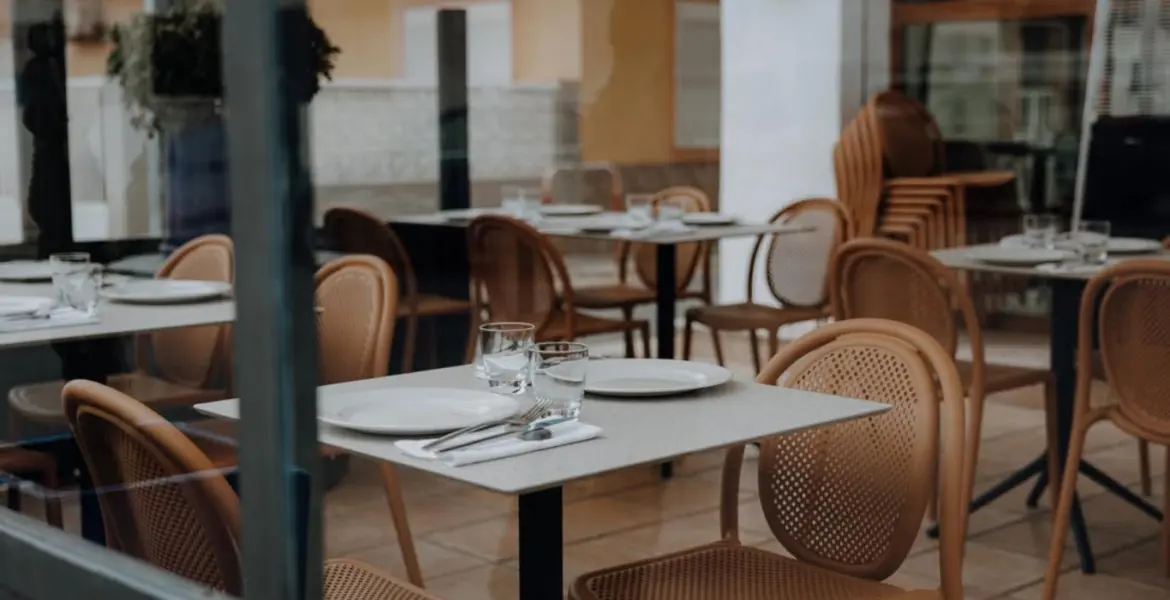
The restaurant sits within the heart of the village rather than along the immediate waterfront, which gives it a slightly more local rhythm. Even so, the influence of the coast is never far off. Evenings arrive with a gentle shift in energy, and the terrace begins to fill with diners easing into the night.
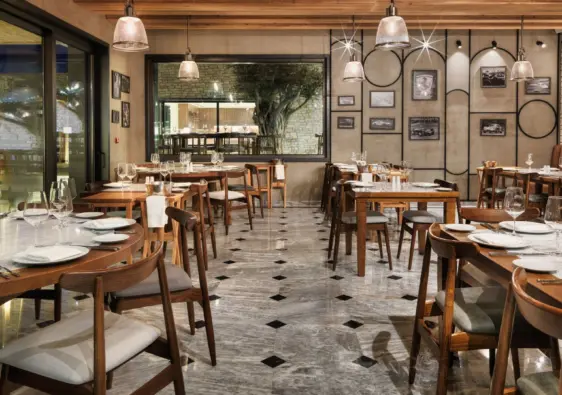
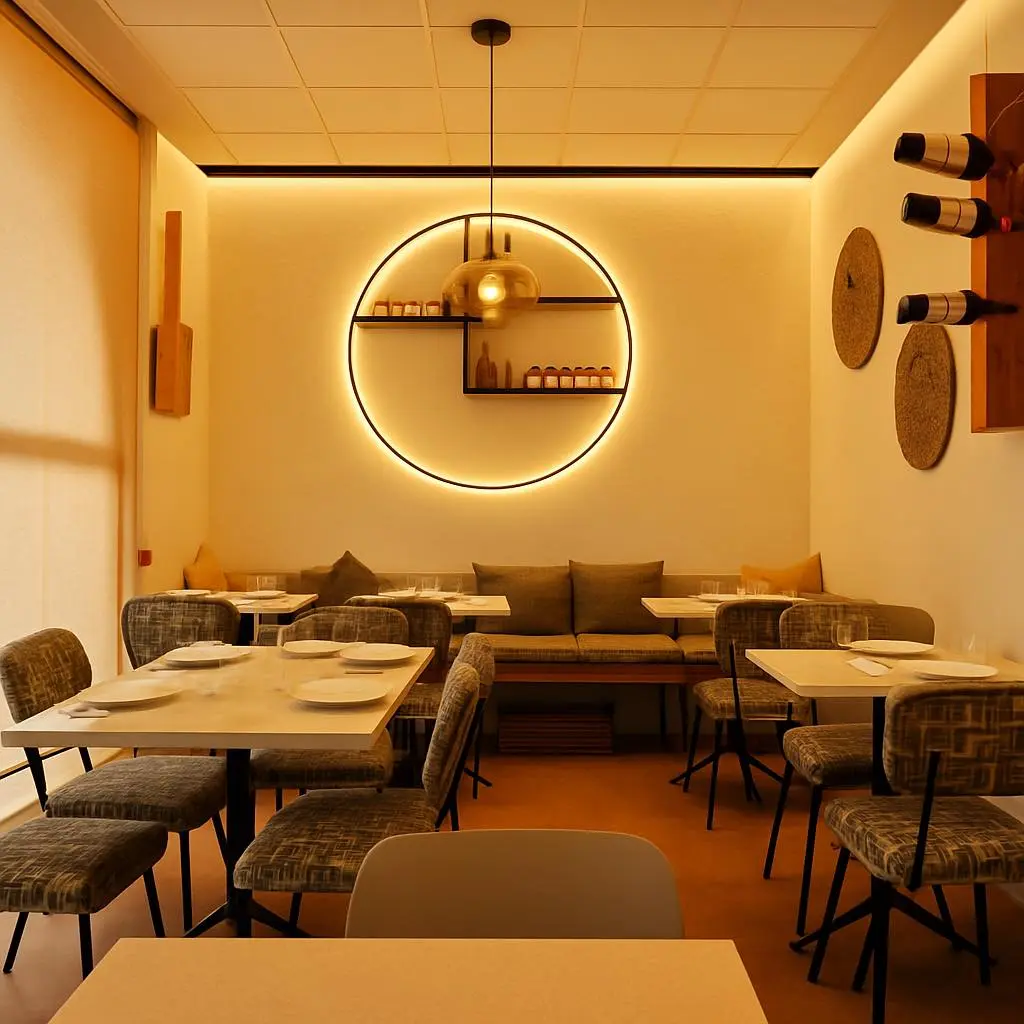
Inside, the atmosphere is warm without feeling staged. Tables are close enough to create a sense of life, yet the pace remains relaxed. It reads less like a destination restaurant and more like somewhere you return to repeatedly, which is precisely its appeal.
The Story Behind the Kitchen
At the centre of Gran Torino is Roberto Chiale, whose roots in Piedmont shape the way the kitchen approaches food. His move to Spain and eventual connection to Cabo de Palos brought together two cuisines that share a respect for ingredients and simplicity.
That philosophy carries through the menu. The emphasis is on small producers, careful preparation, and a style of cooking that prioritises flavour over embellishment. The intention is to welcome guests as though into a home rather than a formal dining room.
The Menu: Italian Classics with Intent
The menu is built around recognisable Italian foundations, but there is enough variation to keep it engaging. It avoids excess while still offering breadth, with dishes that feel thoughtfully assembled rather than overworked.
Antipasti and Starters
The opening section is designed for sharing, though many dishes stand comfortably on their own. A tosta de anchoa del Cantábrico arrives layered with anchovy, parsley pesto, garlic, and olive oil, offering a clean, saline start. Melted provolone provides something warmer and more indulgent, while boards of Italian cured meats and cheeses bring a more traditional note.
Elsewhere, plates such as vitello tonnato and finely sliced carpaccio reinforce the kitchen’s grounding in northern Italian classics.
Pasta
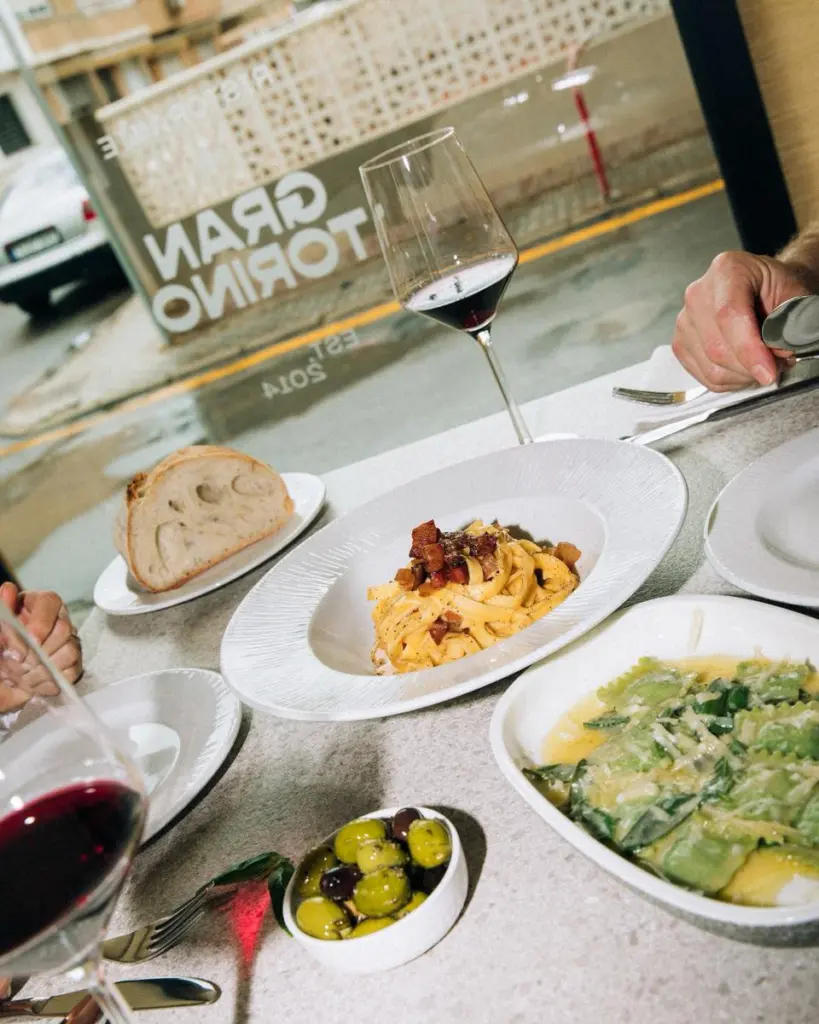
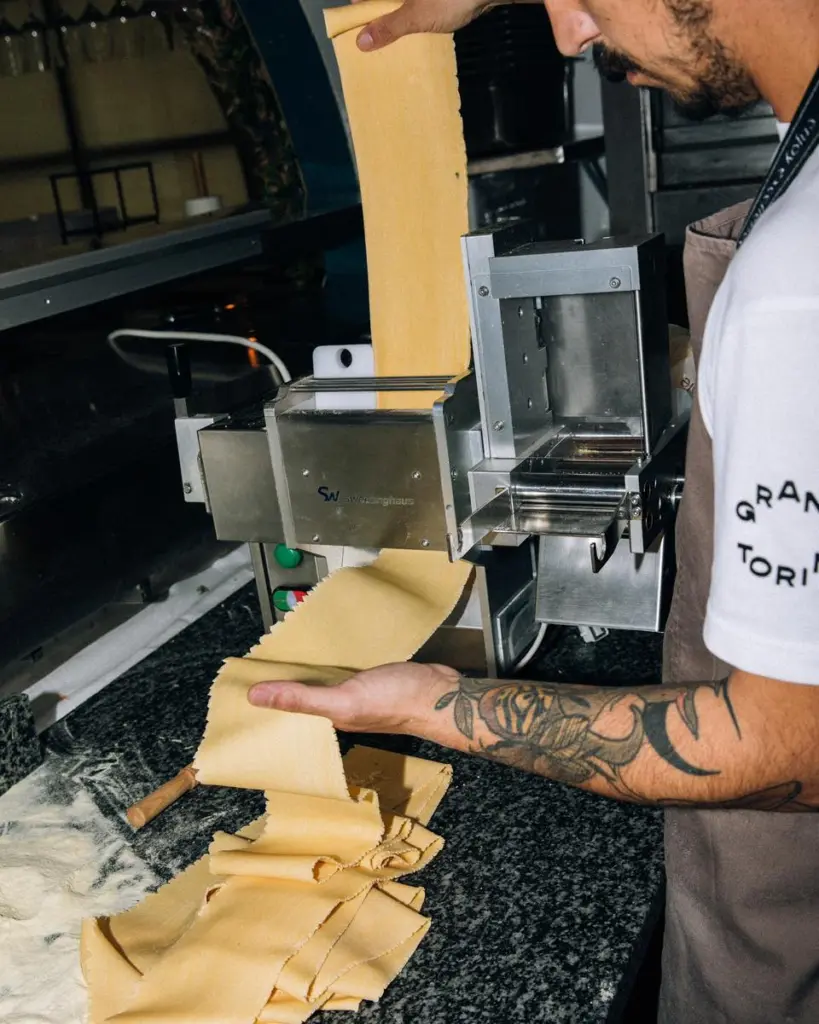
Pasta sits at the centre of the experience, and rightly so. The focus on fresh, handmade varieties is consistent, with dishes that lean into both tradition and subtle variation. Plates such as rigatoni with truffle, lasagna al pesto, and seafood-led options like frutti di mare show a kitchen that understands balance and depth without overcomplicating the plate.
Classic combinations remain present, too. Carbonara, ragù-based sauces, and filled pastas such as ravioli are handled with restraint, allowing the ingredients to lead. It is the kind of cooking that feels reassuring without becoming predictable.
Pizza
Pizza is equally central, with a clear emphasis on dough and texture. The bases are thin yet structured, carrying toppings without losing their integrity. Alongside familiar options such as diavola and vegetable-led combinations, there are more distinctive variations, including pizzas built on artichoke cream rather than tomato.
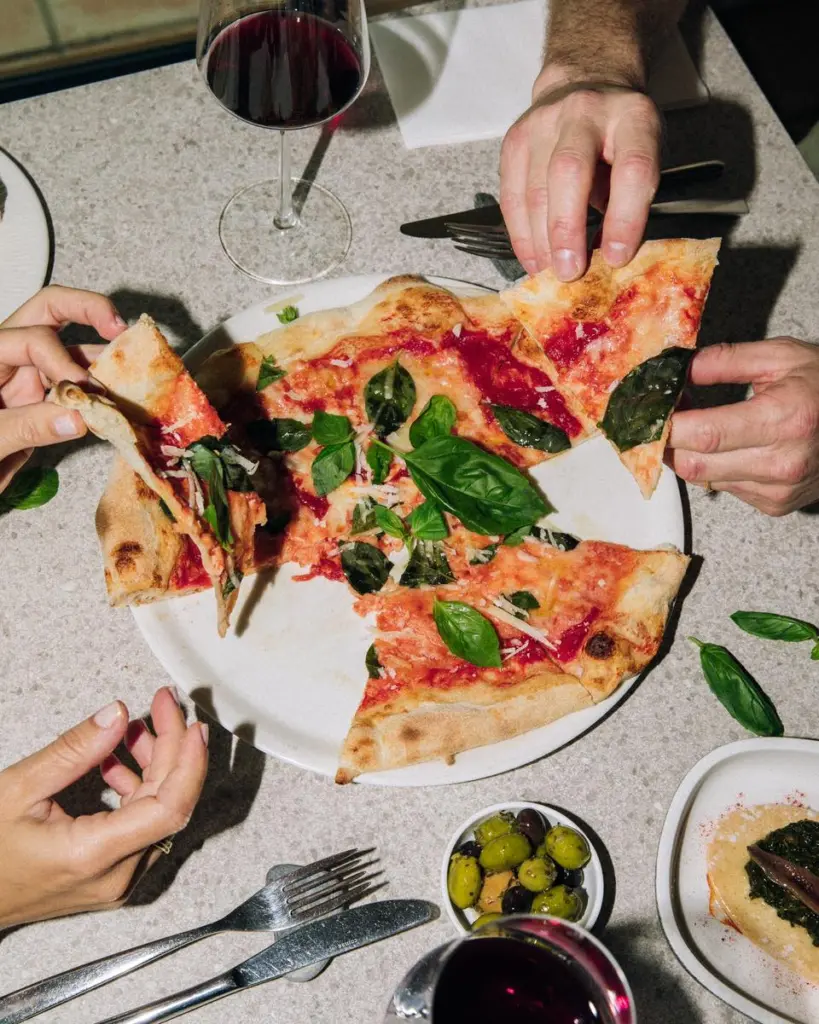
The overall impression is of a kitchen that respects the fundamentals but is willing to adjust them where it makes sense.
Secondi and Specials
Beyond pasta and pizza, some dishes add further depth to the menu. Slow-cooked meats, such as beef in pizzaiola sauce, sit alongside more unexpected plates like seafood cannelloni or cuttlefish-based preparations, offering something slightly different for those looking to move beyond the obvious choices.
Daily specials also play a role, often reflecting seasonal availability and giving regular diners reason to return.
Desserts
Desserts lean towards the traditional, but with a sense of playfulness. Lemon tiramisu brings a lighter finish, while chocolate salami adds a more distinctive note. Classic tiramisu and house-made ice creams round things off in a way that feels familiar and well judged.
Atmosphere and Service
Service here is attentive without becoming intrusive. There is a noticeable ease to the way the team moves through the room, which contributes to the overall rhythm of the experience. Guests often remark on the warmth and consistency of the service, something that clearly forms part of the restaurant’s identity.
The atmosphere follows suit. It works equally well for a relaxed dinner for two or a longer meal with friends, with enough energy to feel lively but never overwhelming.
Planning Your Visit Around the Rhythm of the Week
Gran Torino operates on a relatively tight schedule, opening primarily from midweek evenings through to the weekend, with lunch service on busier days. That structure makes planning worthwhile.
Reservations are strongly recommended, particularly during peak periods. The restaurant’s popularity means tables are rarely left open for long, and arriving without a booking can be uncertain.
Evenings tend to offer the most complete experience when the space is fully settled, and the atmosphere has had time to build.
A Worthwhile Stop in Cabo de Palos
Gran Torino does not rely on spectacle. Its strength lies in consistency, in the care taken with each dish, and in the sense that the kitchen knows exactly what it wants to be.
In a destination shaped by sea views and seasonal movement, it offers something grounded. A place where the focus remains on good ingredients, well-handled cooking, and the quiet pleasure of returning to something done properly.
Location: C. Pez Guitarra, 1, 30370 Cabo de Palos, Murcia, Spain