

All products are independently selected by our editors. If you buy something, we may earn an affiliate commission.
Paris takes on a particular energy when the art world arrives, with exhibitions, gallery openings, and auction previews unfolding across the city in quiet succession. At the centre of this moment sits Art Paris Art Fair, a fair that favours considered curation over spectacle and rewards those who prefer to move through art at a measured pace. For collectors and culturally attuned travellers, it offers a distinctly Parisian approach to the contemporary art world, shaped as much by its setting as by the works on display.
A Different Tempo on the International Circuit
Art Paris holds its place within the global fair calendar without mirroring the scale or intensity of Art Basel or Frieze London. The emphasis here leans towards European galleries, thoughtful thematic programming, and a balance between established names and emerging voices.
The fair’s identity is shaped by its annual curatorial direction, often anchored by a guest country or region and a central theme overseen by a recognised curator. This gives each edition a distinct narrative, encouraging a slower, more attentive approach to viewing. It is the kind of fair where conversations unfold naturally, and decisions are made without pressure.
The Setting and Its Evolution
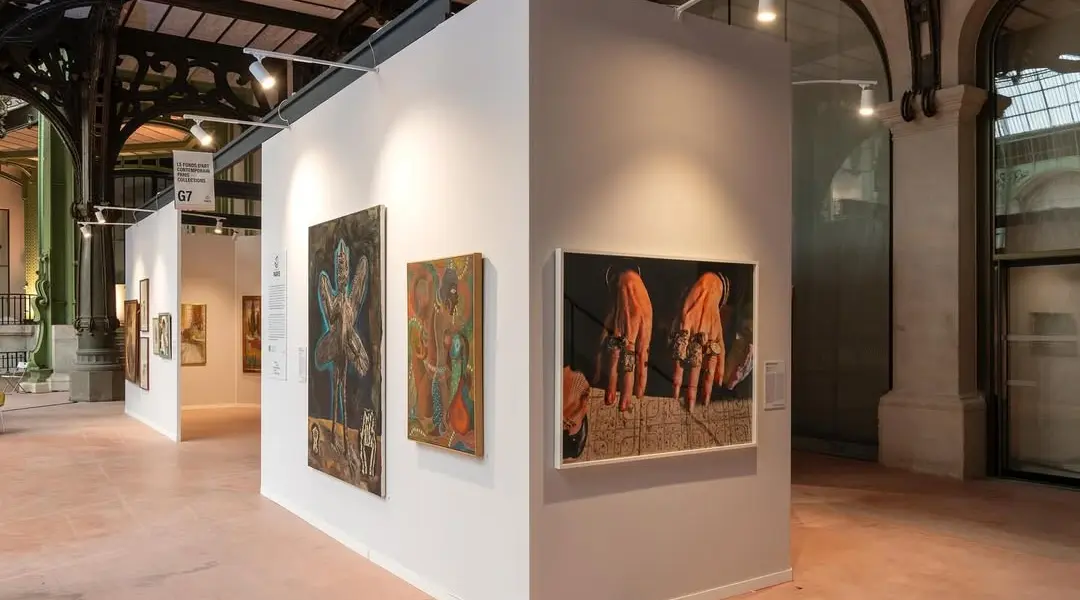
Recent editions have taken place within the Grand Palais Éphémère, a temporary structure on the Champ de Mars designed to house major events during the restoration of the historic Grand Palais. The Éphémère’s clean lines and filtered light lend themselves well to contemporary works, creating a calm, legible viewing environment.
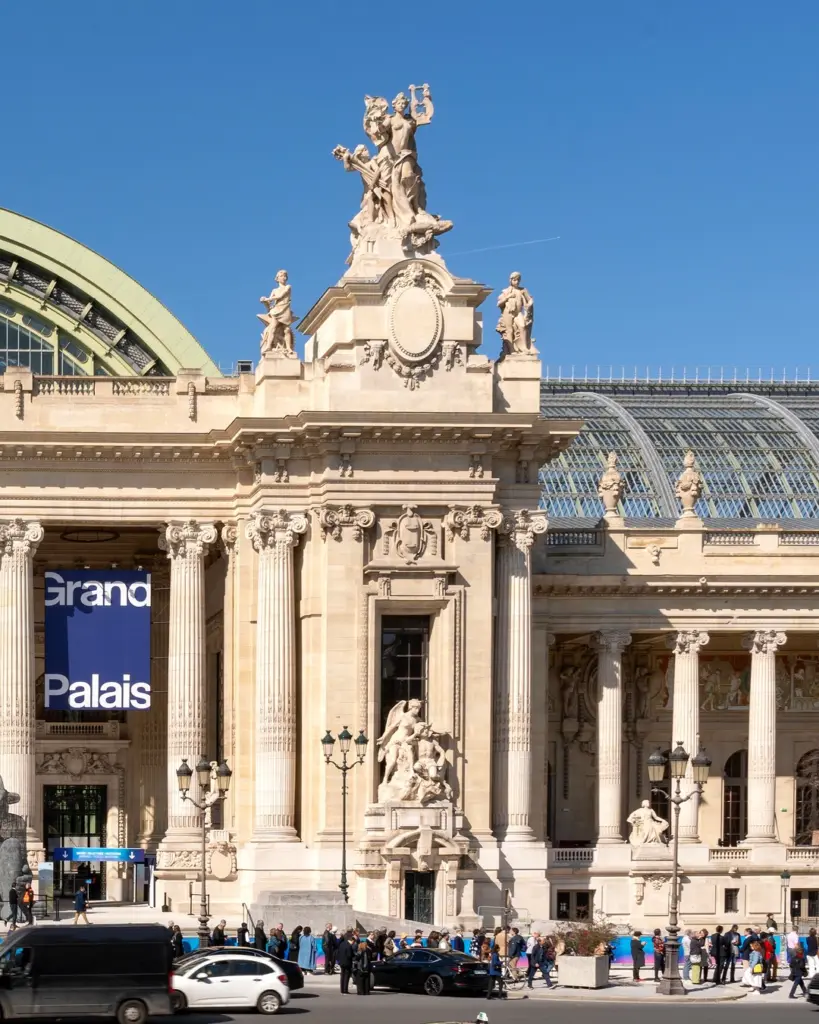
Looking ahead, the return to the Grand Palais signals a shift back to one of Paris’s most recognisable cultural spaces. Its glass-domed roof and architectural grandeur create an entirely different atmosphere, where art is framed in a setting that carries its own sense of history and occasion.
Navigating the Fair with Intent
Art Paris rewards a degree of strategy. The main floor brings together a mix of blue-chip galleries and respected European dealers, while curated sectors often highlight younger galleries or thematic groupings.
Collectors tend to arrive with a clear sense of focus. Previews and early access are used to identify works of interest before the public opening, with conversations continuing quietly throughout the week. The scale of the fair allows for return visits, and it is not unusual to see decisions unfold over several days rather than in a single pass.
Those with an eye on emerging talent will find particular value in the curated sections, where artists on the cusp of wider recognition are often presented with clarity and context.
Access and the Inner Circle
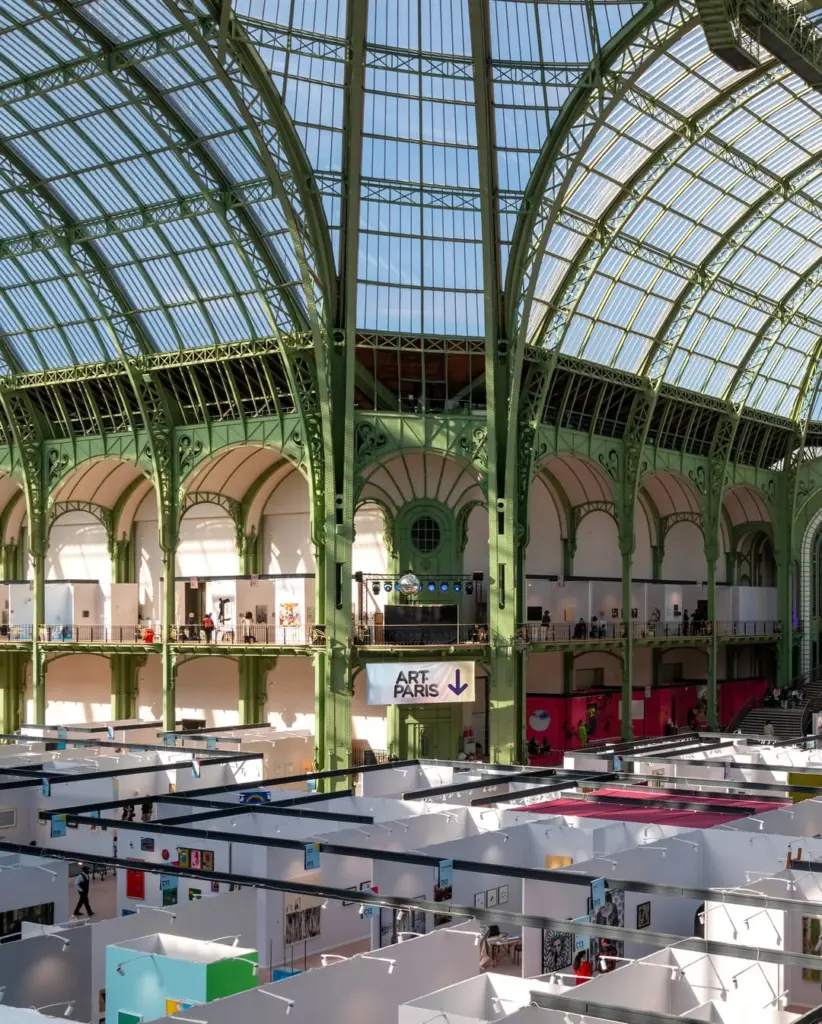
The fair’s most valuable moments often occur before it officially opens. VIP previews and vernissages offer a more private setting in which to view works and engage with galleries. Invitations extend to collector salons, private dinners, and off-site gatherings that bring together artists, curators, and patrons in a more relaxed setting.
Art advisors and consultants are a discreet but constant presence, facilitating introductions and guiding acquisitions. Transactions tend to unfold with a level of discretion that aligns with the tone of the fair itself.
Paris Beyond the Fair
Art Paris sits within a wider constellation of cultural activity across Paris. Museum programming during this period is often particularly strong, with major exhibitions staged at institutions such as the Louvre Museum, Centre Pompidou, and Fondation Louis Vuitton.
Gallery districts in Le Marais and Saint-Germain-des-Prés extend the experience, with openings and private views running well into the evening. Auction houses, including Christie’s and Sotheby’s, often align their sales and previews with the week, adding another layer to the calendar.
Movement through the city becomes part of the experience. Chauffeured routes between appointments, unhurried walks between galleries, and late lunches that slip into early dinners all shape the cadence of the week.
Where to Base Yourself
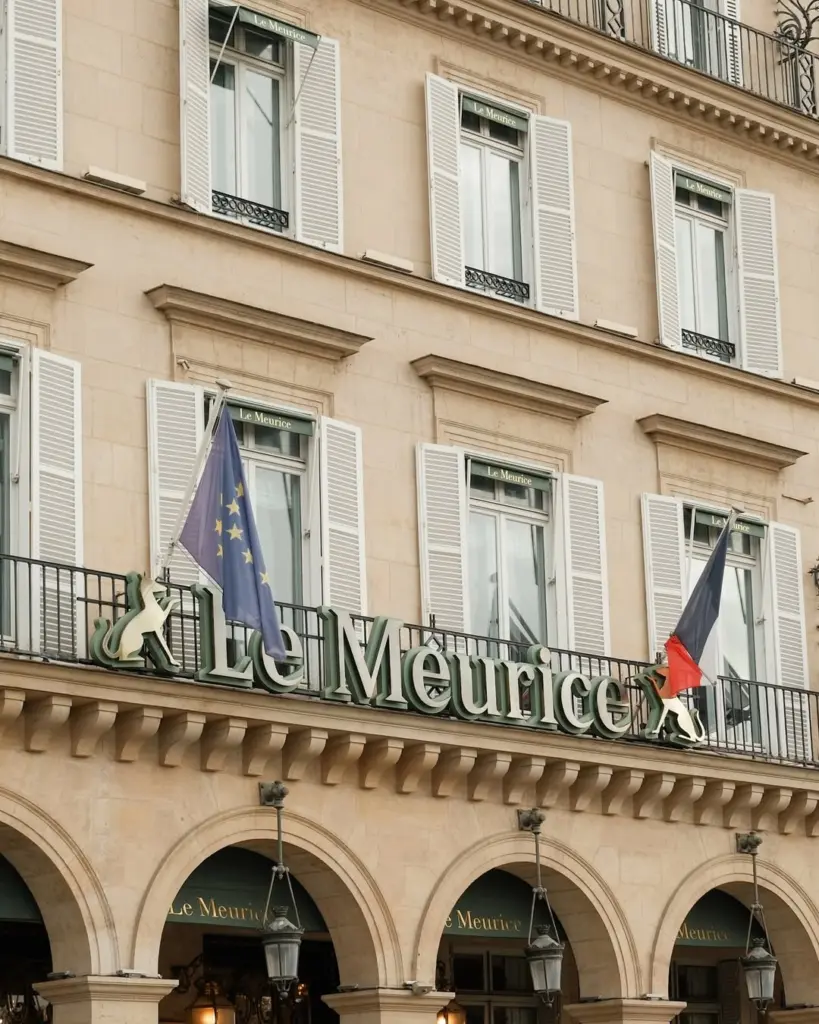
The choice of hotel subtly defines how the week unfolds.
Le Meurice places you within immediate reach of the Louvre and the Tuileries, with interiors that reflect a long-standing connection to the arts. Hôtel Plaza Athénée offers a more fashion-led atmosphere on the Right Bank, with a social scene that carries through the evening. For something more contemporary and discreet, Cheval Blanc Paris provides a quieter base, with views over the Seine and a sense of privacy that appeals during busy weeks.
Proximity matters, though so does the character of the space you return to at the end of the day.
Evenings and the Social Layer
Dinner reservations tend to anchor the evenings. Le Jules Verne offers a more formal setting with a clear sense of occasion, while L’Avenue remains a reliable choice for those moving between fashion and art circles. Girafe draws a crowd for its terrace and views, particularly as the light begins to soften over the city.
Alongside these, a quieter network of private dinners and gallery-hosted gatherings unfolds, often away from public view. These moments carry their own significance, shaping relationships that extend well beyond the fair itself.
Collecting with Perspective
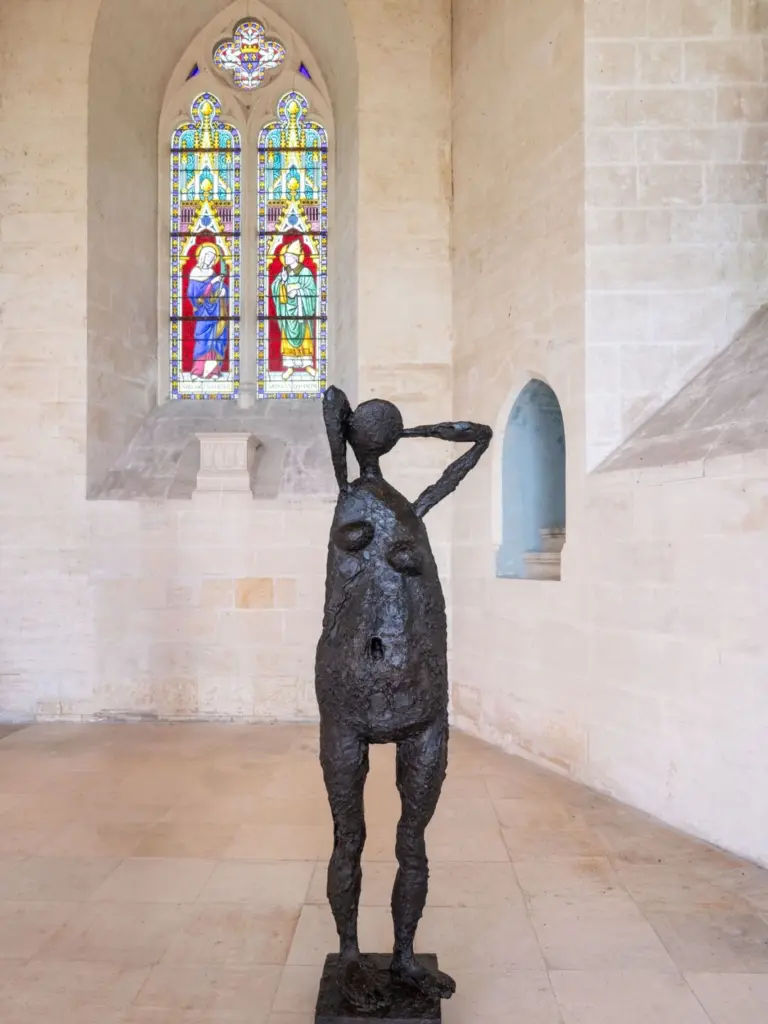
Art Paris offers a different entry point into collecting than larger fairs. Prices are often more accessible, particularly within European galleries and among mid-career artists. This creates space for considered acquisitions, whether building a collection or refining an existing one.
There is a noticeable strength in works that sit between established recognition and wider institutional attention. For many, this is where the fair holds its greatest appeal.
When to Go and How to Pace It
Typically held in April, the fair aligns with one of the most agreeable moments in the Parisian calendar. A single visit can be sufficient, though those with a deeper interest often return more than once, allowing time to revisit works and follow up on conversations.
Early hours tend to offer the calmest viewing conditions, while later in the day, the atmosphere becomes more social.
The Parisian Art Week Rhythm
Art Paris is best understood as part of a wider sequence rather than a standalone event. The fair provides a focal point, though the experience extends across the city, shaped by where you stay, where you dine, and how you move between moments.
In Paris, art rarely exists in isolation. During this week in particular, it becomes part of a broader cultural rhythm that feels both effortless and quietly exacting.