

All products are independently selected by our editors. If you buy something, we may earn an affiliate commission.
Each April, the world of golf converges on Augusta National Golf Club for The Masters Tournament, an event defined by control, continuity, and a level of discretion that few global sporting occasions maintain.
There is very little excess here. The visual identity remains unchanged, the patron experience carefully regulated, and even long-standing attendees tend to approach the week with a sense of familiarity rather than spectacle. That restraint is precisely where its appeal sits, particularly for those who understand how to approach the week.
The Setting and Its Quiet Grandeur
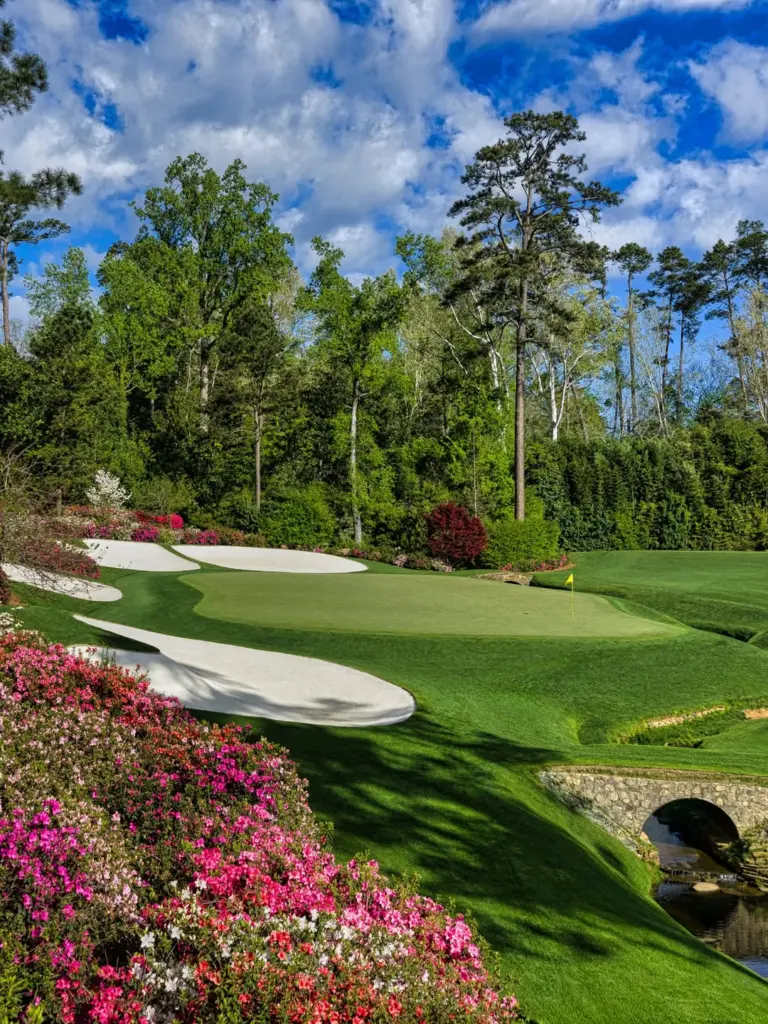
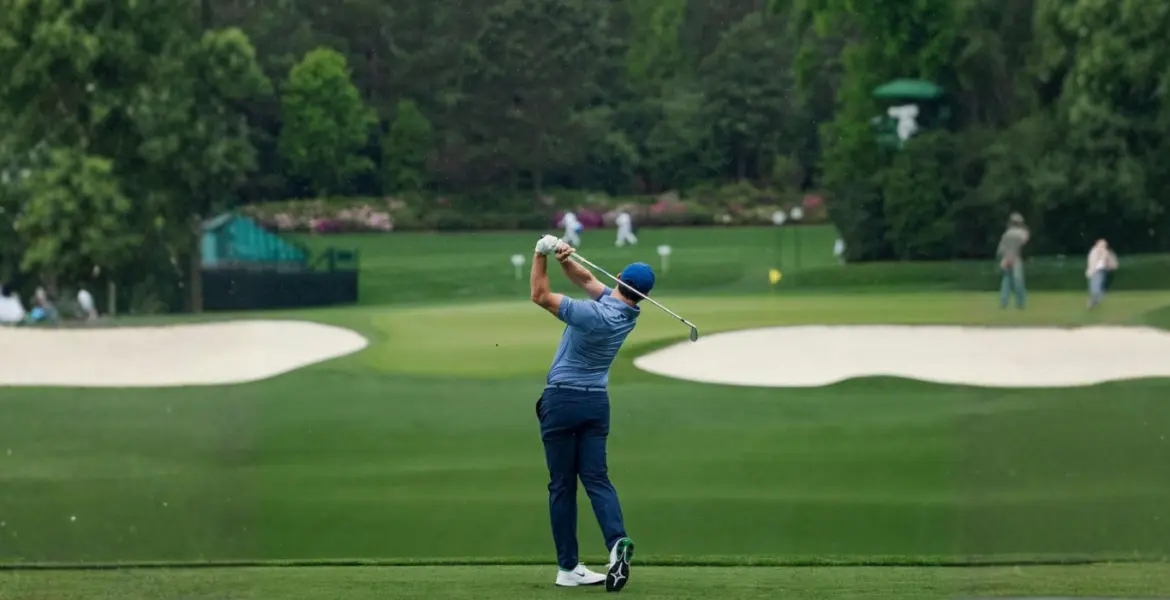
Augusta National presents itself with an almost studied precision. The fairways are immaculate, the greens exacting, and the seasonal bloom of azaleas and dogwoods frames the course in a way that feels entirely deliberate.
Arrival via Magnolia Lane sets a tone that carries throughout the grounds. Amen Corner remains the most photographed stretch, though seasoned patrons often favour quieter vantage points across the back nine where movement is easier and sightlines more varied. Butler Cabin, reserved for the Green Jacket presentation, anchors the tournament’s most recognisable closing moment.
There is an absence of overt branding, no sprawling hospitality villages, and a strict adherence to tradition. That consistency shapes the entire experience.
The Rhythm of the Week
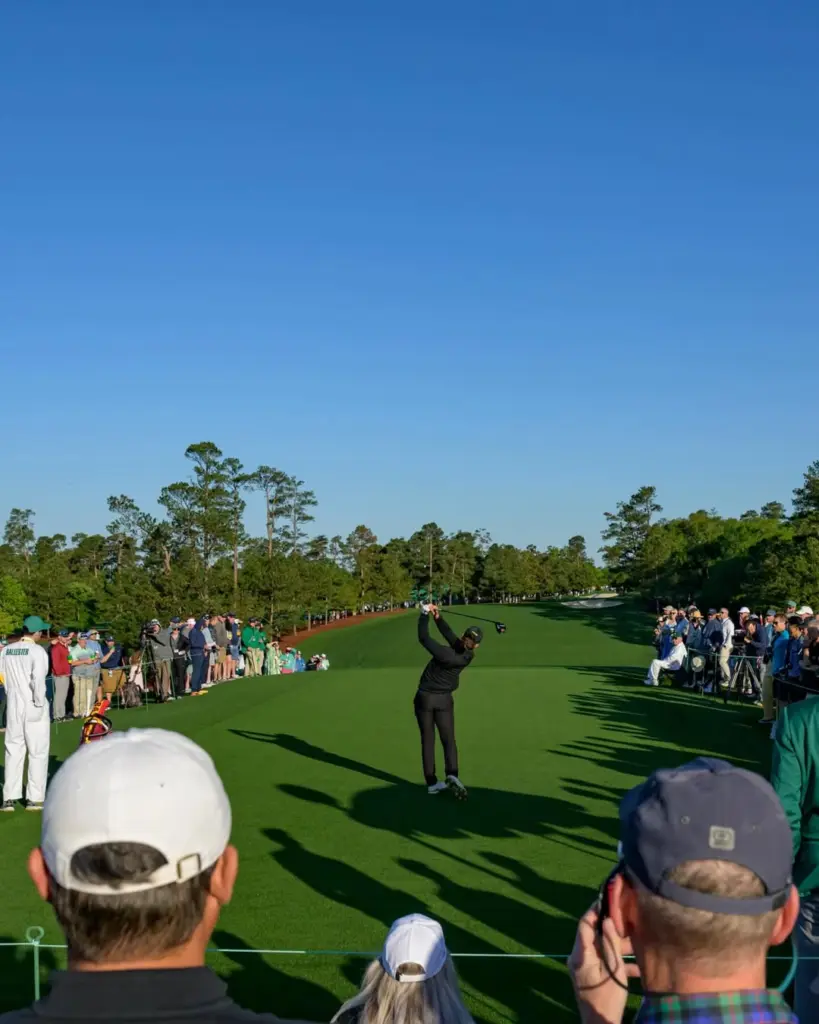
The Masters unfolds in a measured progression. Practice rounds at the start of the week offer a more relaxed environment, allowing guests to move freely across the course and follow players at close range. Conversations are easier, vantage points more accessible, and the overall pace noticeably slower.
By Wednesday, the Par 3 Contest introduces a lighter tone. Families join players on the course, past champions return in a more informal capacity, and there is a sense of ease before competition begins.
From Thursday onwards, the atmosphere sharpens. Early tee times bring a quieter, more considered experience, while the later groups draw larger crowds and heightened anticipation. Sunday carries its own gravity, though those familiar with the event often balance it with earlier attendance to preserve a sense of space.
Securing Access

Access to the Masters requires patience and, often, the right connections. The official ballot remains the most recognised route, though success is limited and unpredictable. Many turn to the secondary market, where pricing reflects both scarcity and timing, with practice rounds offering a more accessible entry point and weekend badges commanding a considerable premium.
For those seeking a more seamless experience, private allocations arranged through specialist concierges or long-standing networks provide a quieter route in. Corporate hospitality exists, though it is far more restrained than at comparable global events. In practice, access is often paired with accommodation and transport, forming part of a wider, carefully managed itinerary.
Where to Stay During Masters Week
Accommodation during Masters week is shaped by scarcity. Augusta does not offer an abundance of traditional luxury hotels, which has led to a well-established culture of private home rentals.
Properties in the vicinity of Washington Road and around West Lake Country Club are particularly sought after, with many homes transformed into fully serviced residences for the week. Interiors are often reconfigured to accommodate guests, while outdoor spaces become settings for informal entertaining.
It is common for these homes to be staffed throughout the stay, with chefs preparing tailored menus, housekeeping maintaining a seamless environment, and drivers managing daily transfers to and from the course. Many returning guests reserve the same property year after year, securing arrangements well in advance.
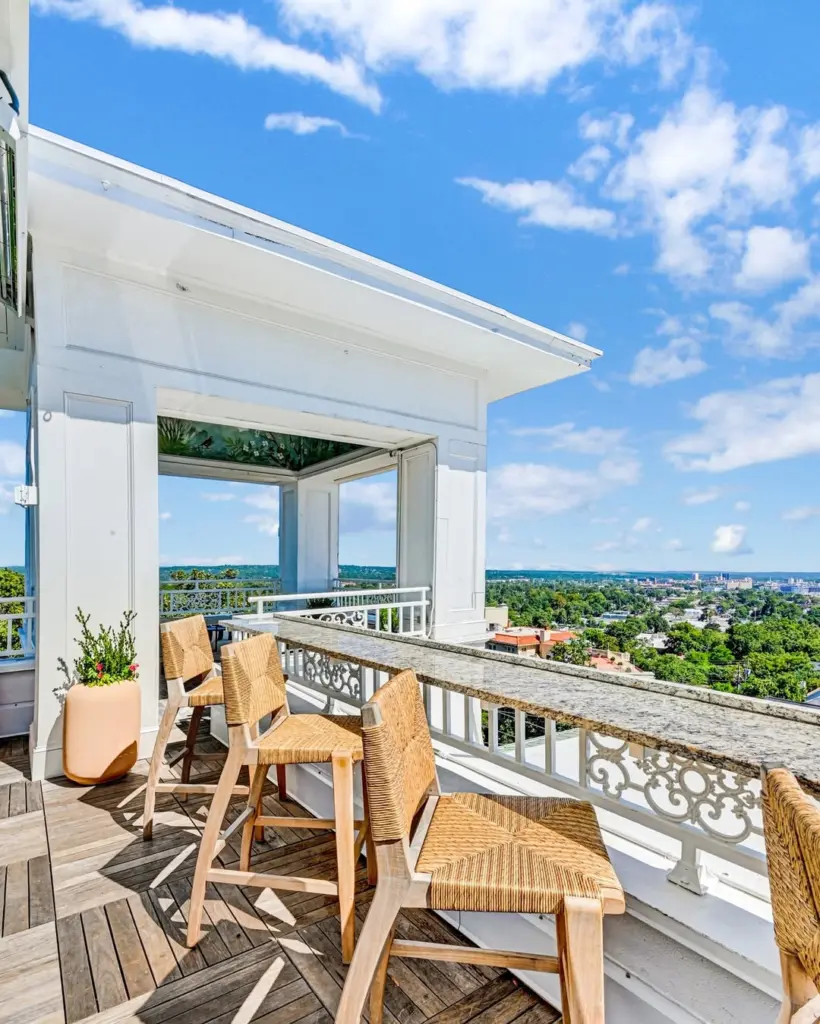
For those who prefer a more traditional hotel setting, The Partridge Inn Augusta offers a historic Southern backdrop with a quieter, boutique sensibility. Augusta Marriott at the Convention Center provides a more contemporary alternative, often favoured for its convenience.
Further afield, The Ritz-Carlton Reynolds Lake Oconee presents a more composed retreat. Set on the lake and removed from the intensity of Augusta, it allows for a slower rhythm, often paired with early departures and late returns to the course.
Some guests choose to base themselves in Atlanta, combining the city’s broader hotel offering with helicopter transfers or chauffeured journeys.
Dining and Entertaining
Dining at the Masters carries its own sense of continuity. On the course, the experience remains intentionally unchanged, with familiar offerings that have become part of the ritual rather than a point of reinvention.
Beyond the gates, the rhythm shifts towards more private arrangements. Augusta’s restaurant scene is understated but reliable, with Frog Hollow Tavern offering a refined take on Southern cuisine, while Abel Brown Southern Kitchen & Oyster Bar leans into seafood with a more contemporary finish. Craft & Vine provides a more relaxed setting, often used for smaller gatherings or late-evening drinks.
In practice, however, many of the week’s most memorable meals take place in private residences. Chefs are brought in to curate menus that reflect both local produce and personal preferences, creating a more controlled, intimate setting. Evenings tend to unfold at a measured pace, often extending into informal gatherings rather than structured events.
Movement and Arrival
Arrival logistics require careful coordination. Private aviation is the preferred route, with Augusta Regional Airport accommodating a high volume of private aircraft during the week. Slots are limited and typically arranged well in advance.
Alternatively, Atlanta serves as a secondary entry point, with guests transferring via helicopter or private car. The journey by road can take several hours, depending on traffic, particularly during peak arrival and departure windows.
Within Augusta, movement is tightly controlled. Roads surrounding the course operate under specific access conditions, and traffic patterns shift throughout the day. Those familiar with the event tend to plan arrivals early in the morning and departures outside peak hours, often relying on dedicated drivers who understand the nuances of local routing.
Style and Etiquette
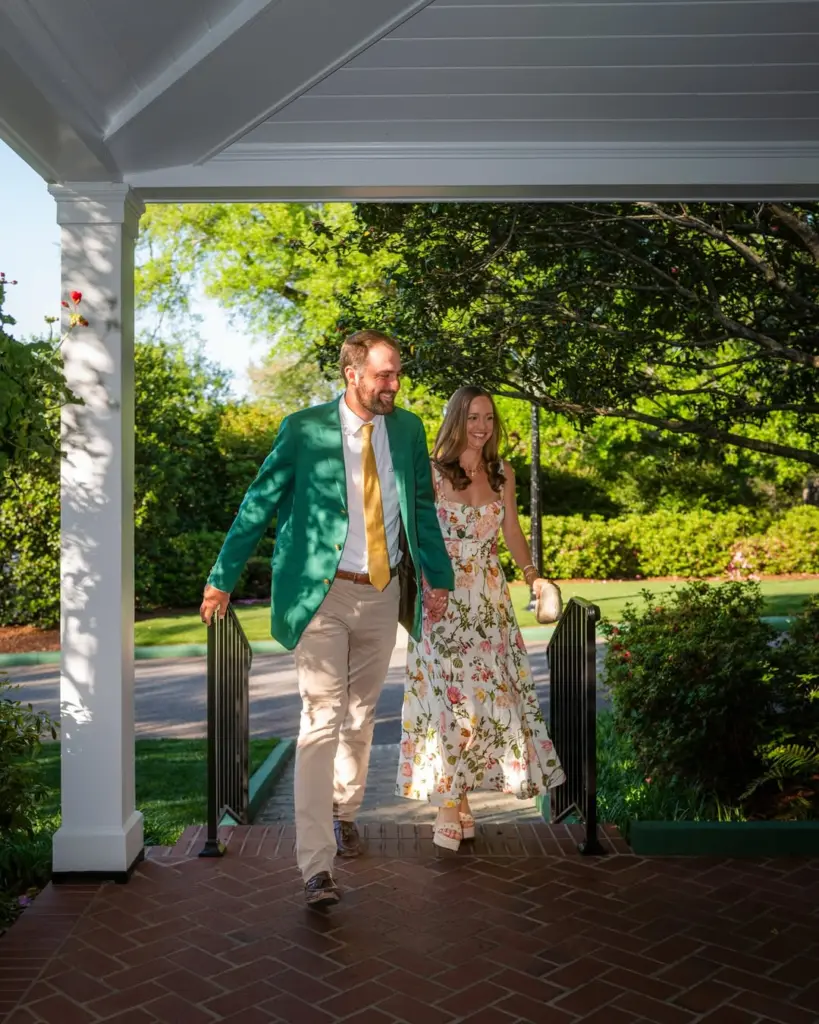
Style at Augusta is defined by ease and restraint. Lightweight tailoring, linen shirts, and softly structured dresses are typical, emphasising comfort without compromising presentation. Footwear is chosen with the terrain in mind, though always with a polished finish.
Etiquette is observed with equal care. Mobile phones are not permitted on the grounds, which shapes the atmosphere in a way that feels increasingly rare. Conversations remain low, applause is measured, and movement across the course follows an unspoken rhythm.
There is a shared understanding among attendees, one that reflects both familiarity and respect for the setting.
The Social Undercurrent
Away from the fairways, the Masters carries a quieter social dimension. Many attendees return annually, maintaining established routines and relationships that extend beyond the tournament itself.
Entertaining tends to remain private, often centred around the homes in which guests are staying. Small dinners, informal gatherings, and introductions made through trusted networks define much of the week’s social landscape.
Clubs in the surrounding area, including West Lake Country Club, host several member-led events, though access is typically limited and discreet.
Why the Masters Tournament Still Holds Its Place
The Masters has remained consistent in a way that few global events have managed. Its scale has not expanded unnecessarily, its traditions remain intact, and its approach to access continues to favour control over visibility.
For those who attend, the experience is shaped by an understanding of these rhythms. It is an event that rewards familiarity, where luxury is expressed through precision, discretion, and continuity rather than spectacle.